the American Space and Aviation Administration (NASA); He shared the most comprehensive images of the universe taken by the James Webb telescope. These images, reflecting the explosion of a dying star, caused excitement all over the world. James Webb Space telescope, from which images were taken; It is the largest, most advanced and most powerful space-based observatory ever built. After the images taken by the telescope were published, astronomers reported that a new era of space observatories had begun.
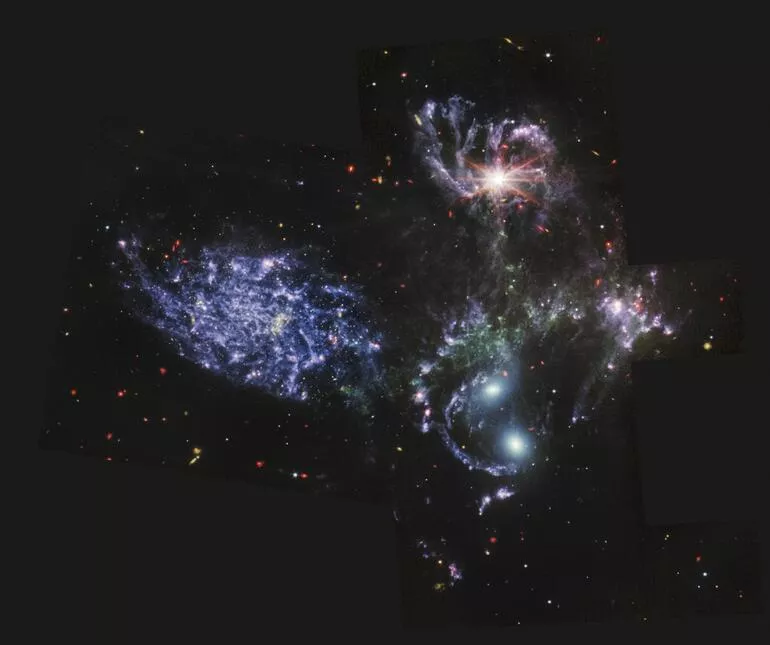
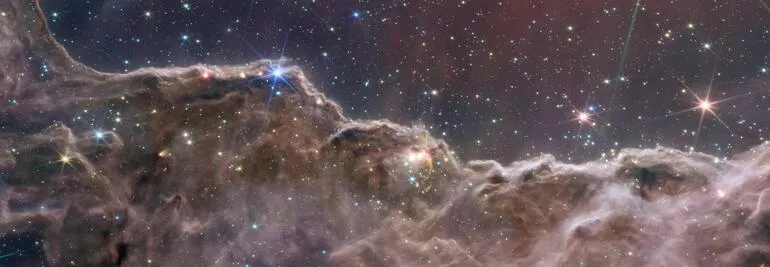
The photographs taken by the telescope during its 7-month space journey are considered to be the fruits of the project that has been worked on for many years. Among the published photos; There is a giant gas mass called WASP 96-b orbiting a star 1,150 light-years away from Earth. At the same time, there are the Southern Ring (Exploding Eight Nebula), a gas cloud called the Carina Nebula, and giant shock waves called the Stephans Quintet (Stephan Quintet). There is also a galaxy cluster showing tidal tails.
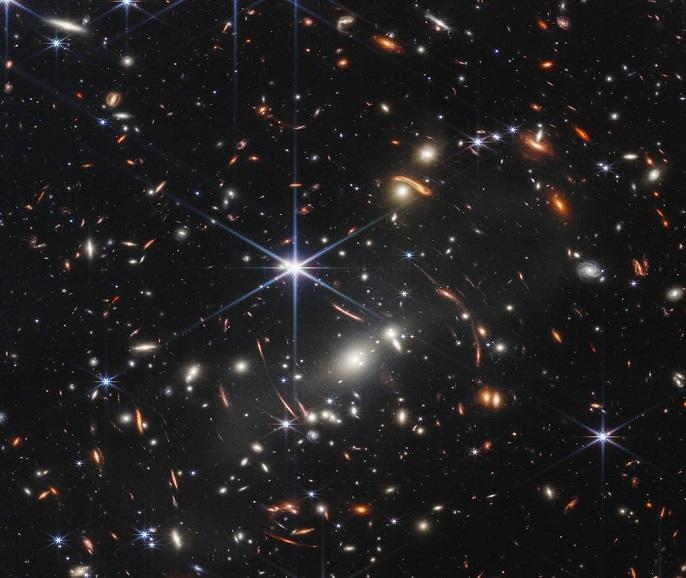
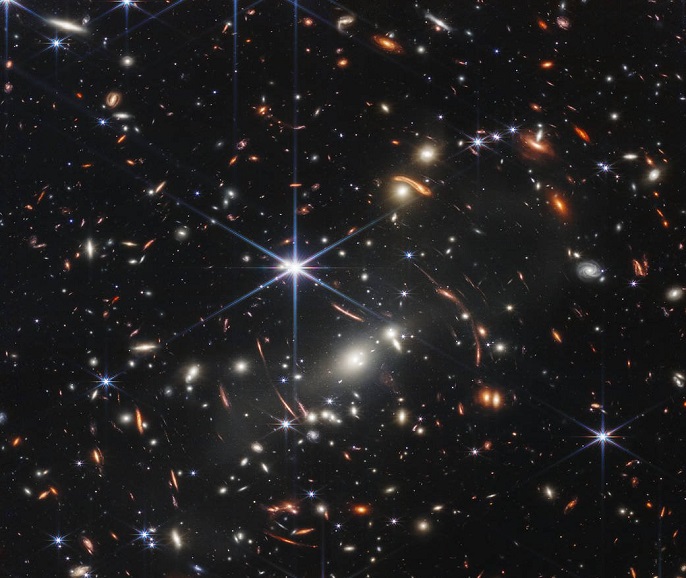
NASA considers the photographs taken as “the deepest and sharpest infrared image of the early universe ever taken”. “New details from James Webb will change our understanding of how stars evolve and affect their environment,” he said. It is stated that the images obtained are important for the discovery of other possible habitable planets.
NASA President Bill Nelson said in a statement; “The James Webb telescope represents the best of NASA. It preserves our ability to move forward for science to take risks and be inspired. We never want to stop exploring and daring to take another step for humanity.”
Dr John Mather, project scientist at NASA; “I was very excited and relieved. This was a very difficult task and took a very long time. It is impossible to describe how difficult it really was, but we succeeded.”
Dr Bill Ochs, project manager of the James Webb telescope; He stated that the telescope is in excellent condition and meets or even exceeds scientific requirements.
“We see these galaxies as details we’ve never seen before,” said Dr Jane Rigby, operations project scientist at James Webb.
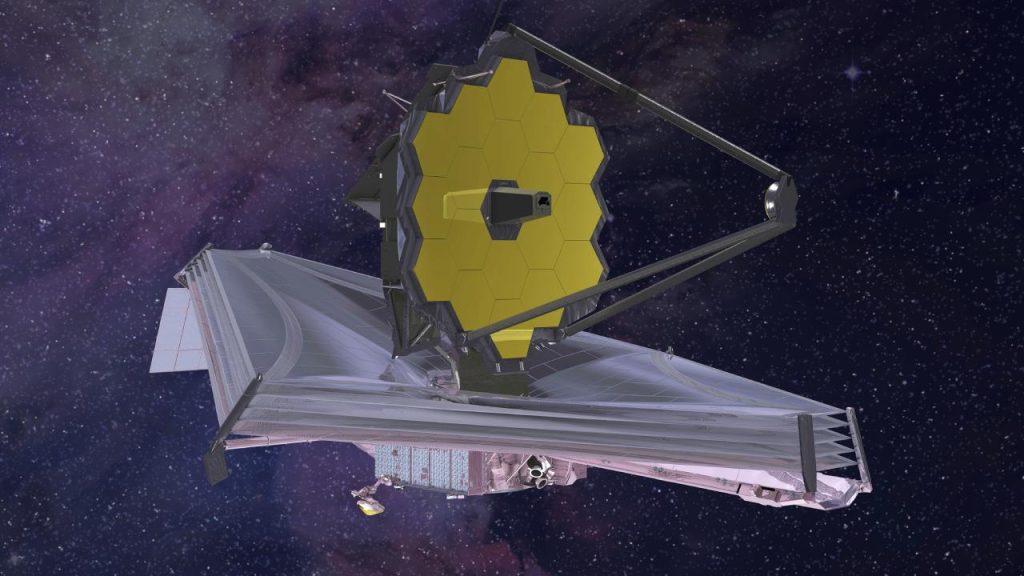
WASP 96-b Gas Mass
WASP-96-b, the giant gas mass photographed by the James Webb Space Telescope, is known as the most detailed spectrum of an exoplanet, containing different wavelengths of light. It is stated that this gas mass, located 1,150 light-years from Earth, has half the mass of Jupiter and completes an orbit around its star every 3.4 days.
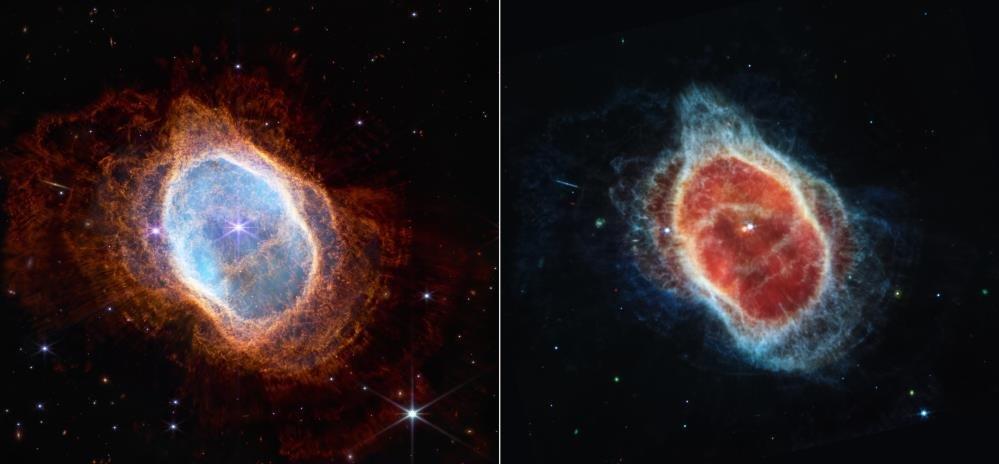
Southern Ring Gas Mass
The gas mass called the Southern Ring, located 2,000 light-years from Earth, is called the “Exploding Eight Nebula”. The Southern Ring has been noted to contain an expanding gas cloud around a dying star.
Carina Nebula Gas Cloud
The Carina Nebula gas cloud is located 7,600 light-years from Earth. It has been stated that this gas cloud is one of the largest and brightest nebulae in the sky and is home to many stars with much greater mass than the sun. One of the largest and brightest Nebulae in the sky, this Nebula is vast clouds of gas and dust where new stars are forming.
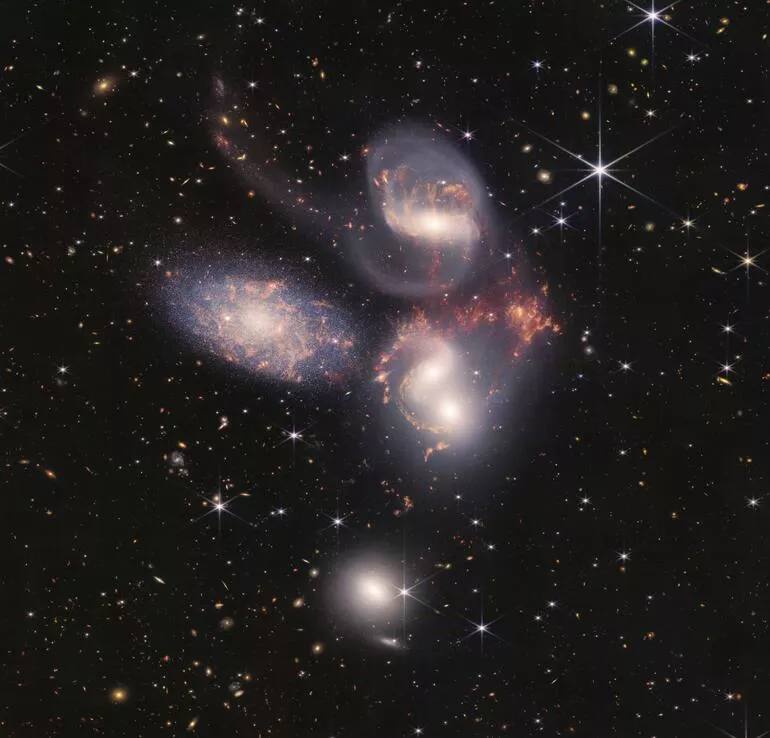
Stephans Quintet (Stephan Quintet)
The image of the Stephan’s Quintet galaxy cluster imaged by the James Webb telescope reveals how galaxies interact with each other and how their interactions can shape galactic evolution. It has been reported that this compact galaxy cluster, first discovered in 1787, is located 290 million light-years away from the Pegasus constellation. These images taken by the telescope provide the opportunity for astronomers to investigate different features due to James Webb’s infrared sensitivity.