The Black Sea region is a captivating area with its unique nature, rich history, delicious cuisine, and cultural heritage. Eastern Black Sea, encompassing numerous cities such as Rize, Artvin, Trabzon, Ordu, Gümüşhane, and Bayburt, is full of diverse cultures and natural beauty. Attracting both domestic and international tourists, this region offers visitors a dreamlike vacation, allowing them to create unforgettable memories.
There are many places to discover in the Eastern Black Sea region. A region where you’ll enjoy exploring its lush green nature, the Eastern Black Sea captivates with its valleys where you can see countless shades of green simultaneously. When you visit Trabzon, Artvin, and Rize, you’ll find waterfalls cascading from every corner and towering mountains defying the clouds, ready to greet you with breathtaking views. The provinces in the Eastern Black Sea region are quite popular and offer a wide range of places to visit. Here is a list of the most preferred and sought-after places to visit in the Eastern Black Sea region:
Places to visit in Samsun
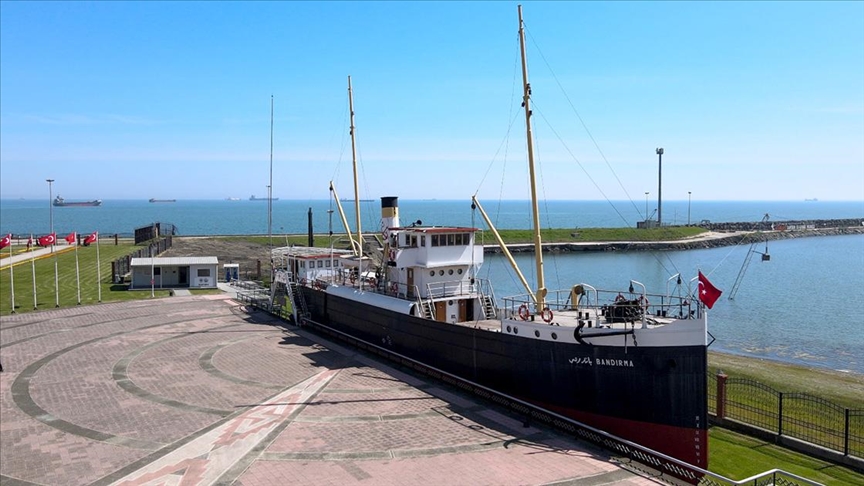
Bandırma Steamship Museum: The Bandırma ship, which played an important role in the founding of the Republic of Turkey, was brought back into service in 1891. This ship, used by Atatürk and his comrades during the War of Independence, now welcomes visitors as a museum.
Vezirköprü: One of Samsun’s historical districts, Vezirköprü is famous for its nature sports and historical structures. Sites such as the Taceddin Pasha Mosque, Kale Mosque, and Taş Medrese can be visited.
Gazi Museum: Built in 1902 and used as a residence by Atatürk during his visits to Samsun, this building was converted into a museum in 1940. The museum boasts a rich collection related to the Turkish War of Independence.
Monument of Honor: Located in Atatürk Park, this monument, symbolizing the beginning of the War of Independence, was inaugurated in 1932 and is one of Samsun’s landmarks.
Bafra: Famous for its natural beauty, Bafra is situated on the fertile lands of the Kızılırmak Delta. Liman Lake and Bafra Bird Sanctuary are among the places worth visiting.
Amisos Hill: Offering magnificent views, Amisos Hill is home to historical structures dating back to the 6th century BC. The Gunpowder Factory Tumuli from the Hellenistic period are located here.
Şahinkaya Canyon Nature Park: This park, notable for its natural beauty, is a rich area for extreme sports and ecotourism. It is ideal for camping, boat trips, and nature walks.
Amazon Island, West Park: Located in the İlkadım district, this park is notable for its statues and monuments dedicated to Amazon women. Situated right on the seafront, the park offers a pleasant time with its spacious area and activities.
First Step Monument: This monument, symbolizing the point where Atatürk and his comrades set foot in Samsun, immortalizes the beginning of the National Struggle.
Kızılırmak Delta Bird Sanctuary: One of Turkey’s largest deltas, this region is home to more than 350 bird species and is on the UNESCO World Heritage Tentative List.
The Anatolian Lion: Located in the Amazon Village in the İlkadım district, this colossal statue is a remarkable work of art.
Samsun Panorama Museum: This museum, which tells the history of Samsun through digital and diagrammatic sections, is the first panoramic museum in the Black Sea Region.
Ayvacık: Known for its natural beauty, Ayvacık is situated on the Yeşilırmak River and is suitable for nature walks and canoe trips.
Lake Ladik: Famous for its diverse fish population and water sports, this lake is located near therapeutic hot springs and a ski resort.
Tekkeköy Caves: Known as the place where the first humans lived, these caves are an ideal spot for those who want to take a journey through history.
Terme: Known for its historical and natural beauty, Terme is also famous for its walnut ice cream.
Caglayan Waterfall: Popular for nature walks and photography safaris, this waterfall is captivating with its waters cascading down steep cliffs.
Tobacco Pier (Liberation Route): Known as the place where Atatürk set foot in Samsun on May 19, 1919, this pier symbolizes the beginning of the National Struggle.
Places to visit in Ordu
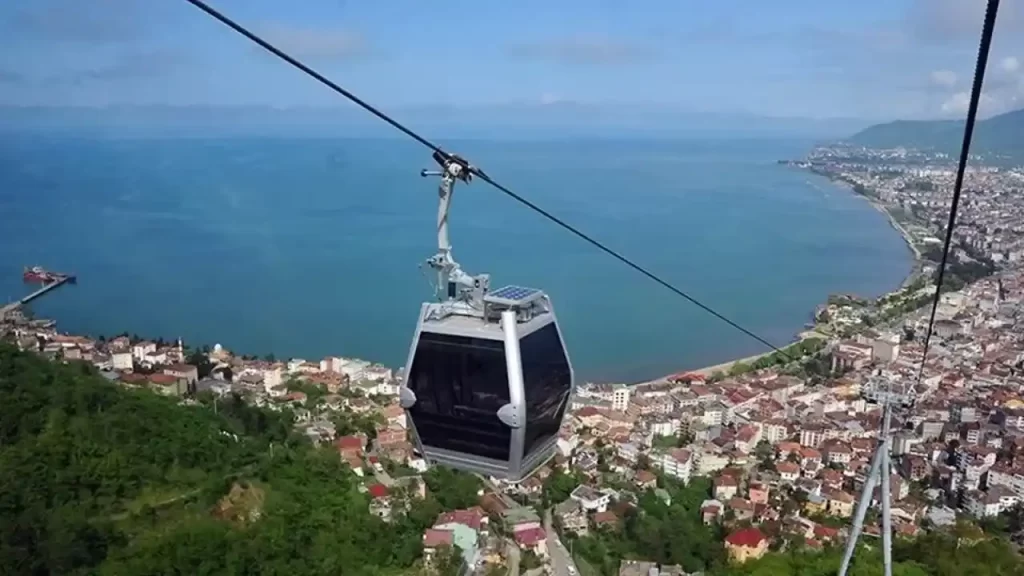
Ulugöl Nature Park: Located in Gölköy, this park, with its rich vegetation and three lakes, is an ideal destination for nature lovers.
Çamaş Canyon: Located in the Çamaş district, it’s a popular spot for nature sports and photography. Here you can enjoy hiking, climbing, and swimming.
Karaoluk Waterfall: This waterfall, cascading from a height of 25 meters, is perfect for nature walks and picnics.
Perşembe Plateau: Famous for its colorful flowers and wooden plateau houses, this plateau is ideal for photography and hiking.
Hoynat Island: This island, a nesting ground for cormorants, is a must-visit destination for birdwatchers and nature photographers.
Paşaoğlu Mansion Ethnography Museum: This museum, showcasing Ordu’s historical and cultural heritage, is located in the city center.
Bozukkale (Cotyora): This castle, notable for its historical ruins and spectacular views, offers guided tours and boat trips.
Asarkaya City Forest: This forest near Ünye is popular for picnics and nature walks.
Kurul Castle: Located in Bayadi Village, this castle attracts attention with its archaeological excavations.
Uluvahta Plateau: A tourist center that can be visited for plateau festivals and shopping for natural products.
Gölköy Castle: This castle, whose history dates back to the 3rd century BC, offers panoramic views.
Ünye Castle: This castle, dating back to the Pontus Kingdom period, stands out with its rock tombs and historical structures.
Küpkaya Canyon: An ideal place for nature sports and hiking.
Çişeli Waterfall: A popular destination for cooling off and hiking during summer trips.
Cape Jason Peninsula: Famous for its lighthouse and the Church of Jason, this peninsula is an attractive destination for photographers.
Çambaşı Plateau: With its vast terrain and diverse settlement structures, it’s ideal for nature sports and activities.
Tozkoparan Rock Tomb: This tomb, remarkable from an architectural perspective, is a cultural treasure with its two-chambered structure.
Turnasuyu Valley: Famous for its long hiking trails and natural scenery.
In Ordu, you can also experience the unique flavors of Black Sea cuisine, making your trip even more enjoyable.
Places to visit in Giresun
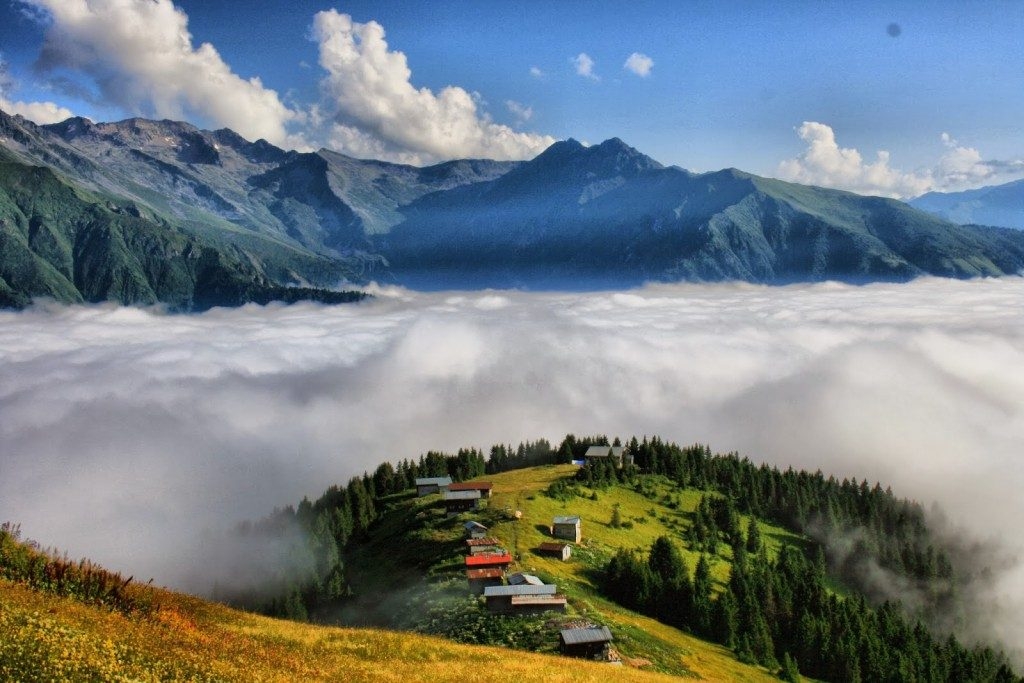
Zeytinlik Neighborhood: Reflecting Giresun’s historical fabric and local lifestyle, Zeytinlik Neighborhood, formerly known as Gogora Neighborhood, is one of the city’s oldest settlements. This neighborhood, which embodies the settlement characteristics of the Eastern Black Sea region, has the status of an urban protected area and is home to historical houses reflecting typical Black Sea architecture and Giresun’s traditional character.
Giresun Museum: Located on the coast, the Giresun Museum was created by converting the Gogora Church into a museum. Built in the mid-18th century, the church served as a church until 1923, and as a prison between 1948 and 1967. Opened as a museum in 1982, the building displays artifacts from the Hittite, Hellenistic, and Roman periods, as well as weapons, clothing, coins, and ethnographic items. It also houses a rich coin collection and relics unearthed from Giresun Island.
Giresun Castle: One of Giresun’s rare remaining historical monuments, Giresun Castle houses the memorial tomb of Topal Osman Ağa, a hero of the Turkish War of Independence, as well as ancient caves and stone reliefs. It also offers visitors magnificent views thanks to the restaurants, cafes, rest areas, and viewing terraces organized by the municipality.
Giresun Island: The only island in the Eastern Black Sea that has been inhabited from ancient times to the Middle Ages, Giresun Island is notable for its monastery ruins, chapel remains, and historical tombs. Believed to contain traces of the Golden Fleece, which Hercules and his companions visited in mythology, the island hosts the International Aksu Festivals every year on May 20th.
Kümbet Plateau: Located 60 km from Giresun city center, Kümbet Plateau is known for its natural beauty and clean air. Adorned with lush forests and colorful flowers, the plateau comes alive every year with festivals held in July.
Sis Mountain Plateau: Located within the borders of Görele district and 40 km from the coast, the Sis Mountain Plateau stands out with its altitude of 2,182 meters. Surrounded by greenery throughout the year, the plateau celebrates the region’s natural and cultural riches with the Sis Mountain Festivals held in July.
Paşakonağı Plateau: Located in the Kovanlık town of Bulancak district, Paşakonağı Plateau is a region with preserved natural beauty and breathtaking scenery. Magnificent waterfalls in valleys adorned with purple, white, and yellow azaleas offer visitors a peaceful atmosphere.
Gölyanı Plateau: Located 51 km from Yağlıdere district of Giresun, Gölyanı Plateau is famous for its natural beauty. Known for its small lake and lush green nature, the plateau has been declared a nature reserve and is closed to construction.
Tirebolu Castle: Dating back to the Byzantine Empire, Tirebolu Castle was built between the 13th and 15th centuries BC. Situated on a high rocky terrain, the castle offers a magnificent view, surrounded by the sea on three sides.
Monastery of the Virgin Mary: Carved into the high cliffs, the Monastery of the Virgin Mary is reached via an old footpath. This complex, built during the early days of Christianity, was used for learning, residence, and worship, shedding light on the history of the region.
Places to visit in Trabzon

Sümela Monastery: Located in the Maçka district of Trabzon, on the cliffs overlooking the Altındere Valley. Built in 375 AD and dating back to the Byzantine period, this monastery is notable for its impressive frescoes and architecture.
Mavura Plateau: Located near the town of Maçka, this plateau offers clean air and organic produce, making it ideal for nature walks and photography. Fishing and canoeing are also possible during the summer months.
Haldizen Plateau: Fed by the glacial lakes of the Karakaya Mountains, this plateau can be visited in every season for nature walks and photography amidst the clouds. It can be reached by minibus or private vehicle.
Lapazan Plateau: Located in Gürgenağaç Village of Maçka district, at an altitude of 2200 meters. This plateau, with its high oxygen levels, is a popular destination for health-related visits and nature activities.
Trabzon Castle: One of the city’s important landmarks, Trabzon Castle is located in the Araklı district and was built with stones collected from ancient ruins. It is divided into three sections: the upper, middle, and lower citadels.
Trabzon Hagia Sophia Museum: Built as a monastery church in 1250 and renovated in 1461, this museum, filled with impressive frescoes and reliefs, can be visited free of charge every day of the week.
Altındere Valley National Park: Located in the Maçka district and declared a national park in 1987, this park covers an area of 4 hectares. It is home to the Sümela Monastery and is ideal for nature walks.
Çal Cave: Located 1050 meters above sea level, it is the second longest cave in the world. It is believed to be beneficial for respiratory illnesses such as asthma. It has a 400-meter walking path.
Zağnos Valley Park: Located in the city center, it’s a preferred destination for those seeking tranquility, offering children’s playgrounds, cafes, sports fields, and gardens. The 15th-century bridge is also located here.
Vazelon Monastery: Located in the same valley as Sümela Monastery, this stone monastery, hidden among pine forests, is visited by photographers and history enthusiasts.
Sera Lake: Located 12 km from the center of Trabzon, it is a 1200-meter-long landslide-dammed lake. It is popular for nature walks, boating, and canoeing.
Hamsiköy: Located 50 km from Trabzon city center, in the Maçka district, this village is famous for being a crossing point on the Silk Road and for its rice pudding. It is situated amidst lush pine forests.
Hıdırnebi Plateau: Located in the Akçaabat district, it sits 1600 meters above sea level. With its bungalow hotels, hiking trails, and picnic areas, it is ideal for nature holidays.
Şahinkaya Canyon: One of Trabzon’s eastern sports centers. It is a 2.5 km long natural canyon formed by river erosion. It is ideal for mountain hiking and extreme sports.
Sis Mountain Plateau: Located between Trabzon and Giresun, it rises 1850 meters above sea level. It is popular for plateau festivals, nature walks, and summer vacations.
Trabzon Balıklıgöl (Fish Lake): Located 50 km from the city center and 1500 meters above sea level, this lake is ideal for nature walks and cycling tours. Fish restaurants are also available.
Tonya: It is the only district of Trabzon that does not have a coastline on the Black Sea. Situated 755 meters above sea level, it is home to famous plateaus such as Sazalan Plateau and Erikbeli Plateau. It is suitable for trekking, camping, and mountain biking tours.
Places to visit in Rize

Rize Castle: One of the most important structures in Rize in terms of history and culture, Rize Castle was built during the Byzantine period. Many tea gardens and countryside gardens surround the castle. Rize Castle can be visited free of charge every day of the week between 08:00 and 00:00.
Gito Plateau: Located in the Çamlıhemşin district, Gito Plateau is situated at an altitude of 2070 meters and offers a captivating landscape shrouded in mist. On the plateau, you can hike among endemic plant species and pine forests. You can reach the plateau using minibuses or your own vehicle.
Bride’s Veil Waterfall: Located near Ayder Plateau, the Bride’s Veil Waterfall has a veil-like appearance with its waters cascading from a height of 15 meters. Entrance to the waterfall is free.
Maiden’s Castle: Located in the Pazar district of Rize, Maiden’s Castle sits on a small peninsula detached from the sea. Believed to have been built in the 8th century, the castle offers impressive views. You can reach it by minibus or private vehicle.
Rize Museum: An ideal place for those wishing to explore Rize’s cultural richness, the Rize Museum is housed in a traditional building constructed using traditional materials and techniques. The museum is open daily from 08:00 to 17:00 and admission is free.
Ayder Plateau: One of Turkey’s most popular tourist plateaus, Ayder Plateau offers breathtaking views against the backdrop of the Kaçkar Mountains. Activities such as paragliding, hang gliding, and heliskiing are available. There is an entrance fee for vehicles to the plateau.
Pokut Plateau: Offering panoramic views of the Fırtına River, Pokut Plateau is famous for its wooden houses and unique natural beauty. You can camp on the plateau or stay in nature hotels.
Zilkale: Located in the Çamlıhemşin district, Zilkale sits overlooking the Fırtına River and was built in the 14th-15th centuries. The entrance fee is 5 TL, and the castle can be visited every day of the week between 08:00 and 19:00.
Palovit Waterfall: The Palovit Waterfall, the waterfall with the highest flow rate in Rize, is famous for its lush green trees and unique natural beauty. Entrance to the waterfall is free.
Haremtepe (Çeçeva Village): Visited by tourists year-round, Haremtepe offers panoramic views of the famous tea plantations. You can sample local delicacies in the village.
Ağaran Waterfall: Fed by the snowmelt from the Kaçkar Mountains, Ağaran Waterfall is captivating with its untouched natural beauty. Entrance to the waterfall is free.
Çat Valley: An ideal place for nature sports and camping, Çat Valley is home to many different plant species. You can explore the famous plateaus in the valley.
Şenyuva Bridge: Measuring 40 meters in length and 20 meters in width, the Şenyuva Bridge is one of the best examples reflecting the bridge architecture of the Black Sea region. You can enjoy unique views from the bridge at sunset.
Çaykur Tea Museum: Housed in a historic building, the Çaykur Tea Museum tells the story of Rize’s rich tea history. The museum offers information about the tools used in tea production and tea-drinking techniques.
Anzer Plateau: Famous for its honey production, Anzer Plateau attracts attention with its unique landscapes and extreme sports opportunities. There is an entrance fee to the plateau.
Pileki Cave: Pileki Cave holds an important place in Rize cuisine, as it is the place where the raw material for pileki, used in baking anchovy bread and corn bread, is extracted. The entrance fee to the cave is 10 TL.
Cloud Waterfall: The highest waterfall in Turkey, Cloud Waterfall cascades down from a height of 250 meters in four stages.
Rize offers visitors an unforgettable experience with both its natural beauty and its historical and cultural riches.
Places to visit in Artvin
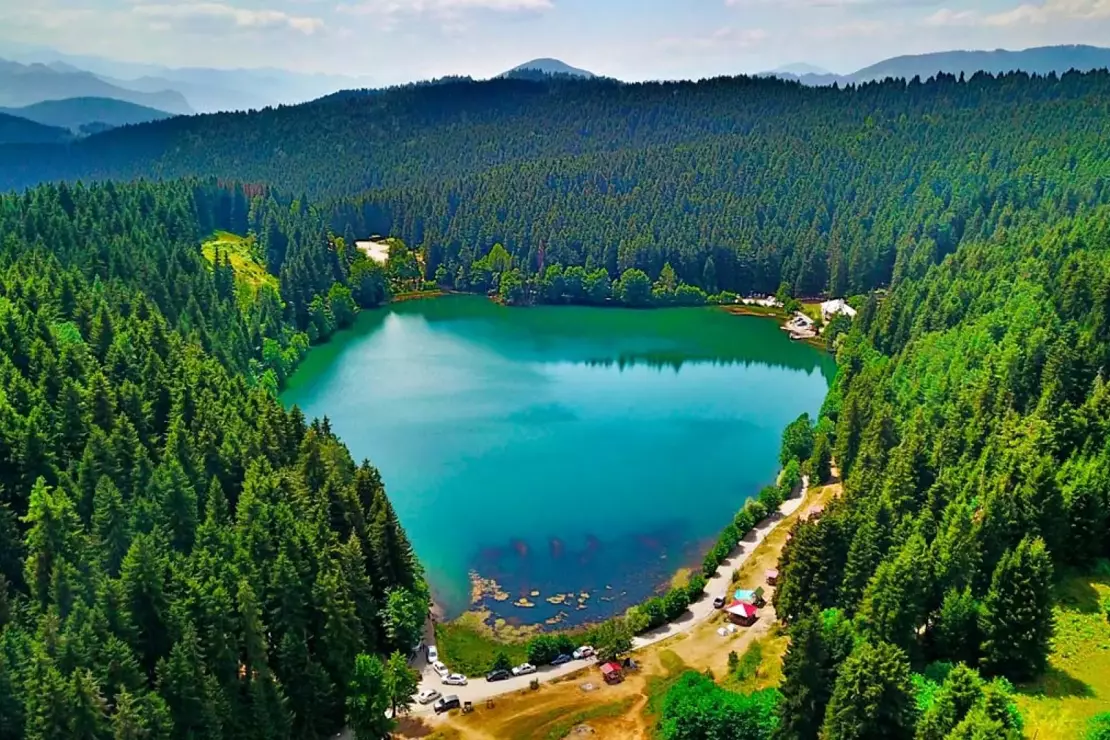
Karagöl: One of Artvin’s captivating natural beauties, Karagöl is an ideal resting place for nature lovers. Offering hotel and guesthouse options for accommodation, the area is also suitable for those who want to camp. Located 60 km from the city center, you can reach Karagöl by following the signs.
Mençuna Waterfall: Located in the Arhavi district, Mençuna Waterfall flows even more vigorously in April and May when the snowmelt occurs. Situated 15 km from the town, the waterfall welcomes visitors with its cafes and picnic areas. Ideal for nature photography, the waterfall also offers facilities such as restrooms and a prayer room.
Borçka: Famous for its historical and natural riches, Borçka stands out with its healing hot springs and rare biosphere reserve areas such as Maçahel. Located at the foot of the Karçal Mountains, Borçka offers unforgettable trips for nature lovers. You can taste local delicacies in the restaurants of the district.
Murgul Delikkaya Waterfall: One of the symbols of Artvin, this waterfall is located amidst pine forests. Flowing from a massive, naturally formed rock, the waterfall is home to various plant and bird species. You can reach the waterfall by public transport or private vehicle.
Kaçkar Mountains: Popular for nature sports and extreme activities, the Kaçkar Mountains, with their 3,500-meter-high peaks, are a favorite destination for hikers and campers. The lush forests, waterfalls, and streams at the foot of the mountains offer an unforgettable nature experience.
Çoruh River: Located at the foot of the Mescit Mountains, the Çoruh River is famous for its rafting routes. Popular with both tourists and locals, the river offers visitors a comfortable journey with its surrounding hotels and picnic areas. The 100-kilometer rafting route on the river is ideal for extreme sports enthusiasts.
Twin Bridges: One of the most photogenic bridges on the Black Sea, Twin Bridges are popular for nature walks and photography safaris. You can enjoy tea and coffee in the gardens and under the plane trees.
Hopa Cultural Center and Museum: Established by the Hopa Municipality, the museum reflects the traditional way of life and culture of the region with over two thousand artifacts. Open every day of the week, the entrance fee is 1 TL.
Artvin Glass Terrace: One of Turkey’s largest viewing terraces, the Artvin Glass Terrace offers panoramic views of the Hatila Valley. Located at a height of 490 meters, the terrace is surrounded by bungalow houses and restaurants. The entrance fee to the national park is 40 TL.
Hatila Valley National Park: Located 35 minutes from the city center, Hatila Valley National Park has been under protection since 1994. With its rich wildlife and trekking trails, it is a favorite destination for nature lovers.
Beyazsu Plateau: Located at the foot of the Kaçkar Mountains, Beyazsu Plateau is popular for nature walks and trekking. While many activities and festivals are organized on the plateau during the summer months, it is ideal for those seeking a peaceful day out.
Sırt Plateau: Located at an altitude of 2,420 meters, Sırt Plateau boasts a cool climate with high oxygen levels. Famous for its wooden plateau houses, it attracts a large number of tourists, especially during the summer months. Accommodation options on the plateau include staying in plateau houses or camping areas.
Gorgit Plateau: Located in the Maçahel region, Gorgit Plateau sits at an altitude of 1,700 meters. With its wooden plateau houses and untouched nature, it’s a popular choice for those seeking a peaceful day out, and hiking trails are also available.
Maral Waterfall: Falling from a height of 65 meters, Maral Waterfall is located in Maral village of Borçka district. Ideal for trekking tours, photography safaris and nature trips, you can swim in the pool at the waterfall and enjoy food and drinks at the restaurants.
Suatan Waterfall: Located in the Şavşat district, Suatan Waterfall is a magnificent natural wonder that can be reached after a challenging hike. There are also businesses around the waterfall where you can meet your food and drink needs.
Hell Creek Canyon: Famous for its rock walls exceeding 200 meters, Hell Creek Canyon is popular for hiking and photography. Activities such as guided walks, mountaineering, and camping are offered, as well as extreme activities like rock climbing.
Atabarı Ski Center: Located 2,000 meters above sea level, Atabarı Ski Center is one of the important points of winter tourism. With its world-class slopes, it is an ideal place for ski enthusiasts. Amenities such as equipment rental, restaurants and cafes are also available.
Otingo Thermal Springs: Known as a 300-year-old source of healing, Otingo Thermal Springs are located in Borçka. Used in the treatment of psychological and physical ailments, the springs can be visited year-round. You can reach the springs from the city center by public transport.
Places to visit in Batumi
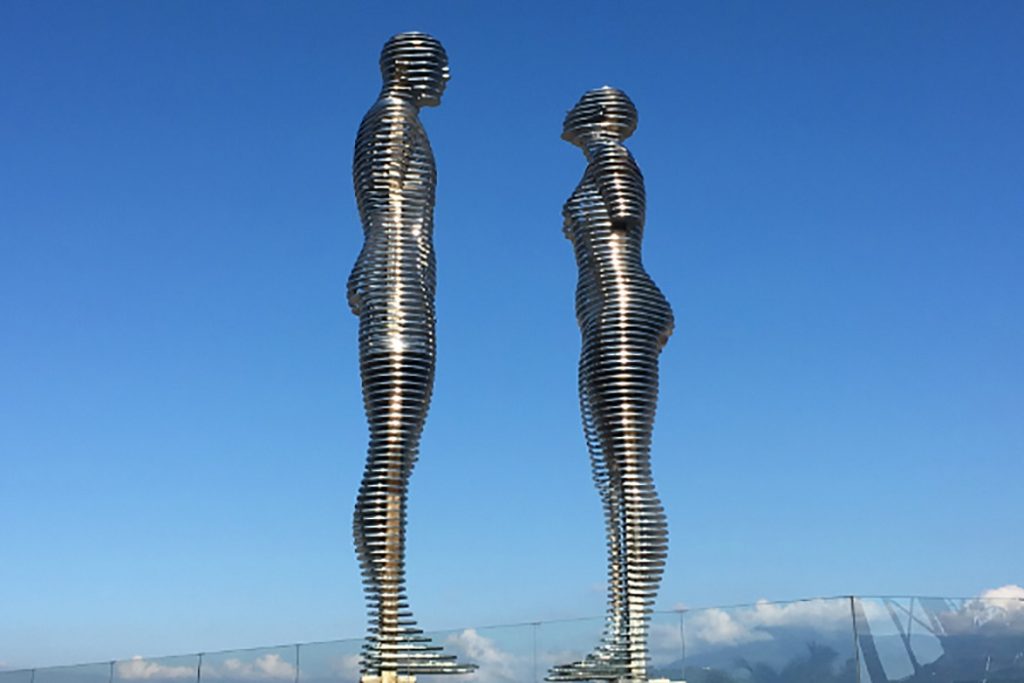
Ali and Nino Statue: This dynamic statue on the seafront in Batumi represents the love between Ali, an Azerbaijani, and Nino, a Georgian. The statue is designed with a mechanism symbolizing the lovers’ inability to be together. The 7-meter-long statue takes on an aesthetically pleasing appearance in the evening lights and is a wonderful place to view it from different angles.
Batumi Botanical Garden: One of the world’s largest botanical gardens, it is filled with over 6,000 plants and more than 2,000 trees. It features plants native to Georgia as well as those from all over the world. You can easily spend half a day exploring the garden.
Batumi Port: This restored historic port is a stunning spot with Black Sea views and colorful fishing boats. It gets crowded around sunset, so you can relax and enjoy the evening there.
Batumi Theatre Square: Known for its ancient architecture and impressive Poseidon statue, this square hosts important events in Georgia. You can explore the interiors of the theatres around the square, furnished with period furniture, and even attend the events.
Batumi Panoramic Ferris Wheel: Similar to the London Eye, this Ferris wheel offers panoramic views of the city from its 55-meter height. It’s an ideal place to watch the city during sunrise or sunset.
Holy Trinity Church: This cathedral in the Adjara Mountains was closed in the 1930s and reopened in 1947. With its grand dome and religious motifs, it offers both a spiritual and visual experience.
Batumi Piazza Square: Resembling Italian streets, this square is known for its aesthetically pleasing architecture and vibrant atmosphere. Filled with restaurants, shops, and a clock tower, spending time in the square is quite enjoyable.
St. Nicholas Church: Built in the 1800s, this church is located in the center of Batumi. It is notable for its golden domes and simple design. The religious motifs inside are ideal for photography.
Batumi Memorial Square: Famous for its Roman and Greek-era columns, this monument offers a beautiful photo backdrop. You can see statues of Georgia’s mythological and national heroes.
Batumi European Square: This square, filled with 19th and 20th-century buildings, offers a spacious architectural style. It also attracts attention in the evenings with its water and light shows.
Kvariati Beach: Located near the Georgia-Turkey border, this beach is popular for its clean water and the cafes and restaurants surrounding it. You can enjoy your time by picnicking or swimming in the sea.
Argo Cable Car: This cable car connects Mount Anuria to the city and offers panoramic views. At 250 meters high, it provides a wonderful experience to admire the city and the Black Sea.
Gonio Fortress (Apsaros Fortress): This historical fortress, located near the Turkish border, was built for defensive purposes during the Roman period. It is believed that the tomb of Saint Matthias is located here.
Batumi Central Mosque: Built in the late 1800s, this mosque is known for its simple Ottoman architecture. Its interior is impressive with its plants and decorations.
Lake Nurigeli: Located near Batumi Boulevard, this lake is a popular recreational area with walking paths and parks. It offers children’s playgrounds and cafes, ensuring a pleasant day out.
Mtsvane Kontskhi Beach: Nestled amidst the lush green landscapes surrounding the Black Sea, this pebble beach offers a natural setting perfect for camping, hiking, or picnicking.
Poseidon Statue and Neptune Fountain: Located in Batumi’s Theatre Square, this statue and fountain offer an aesthetically pleasing view. They were inspired by Italian architecture.
Batumi Miracle Park: Reflecting the modern face of Batumi, this park features iconic landmarks such as the Ali and Nino Statue, the Alphabet Tower, and the Panoramic Ferris Wheel. In the park, you can watch light and water shows in the evenings and enjoy a pleasant stroll.
Click here to join our WhatsApp group !