
Jeffrey Epstein was a wealthy financier and someone with international connections. While he was present in politics, business and high society circles, especially in the 2000s, in reality he was at the center of a secret child sexual abuse and human trafficking network that lasted for years.
Epstein, who was convicted of sexually abusing a 14-year-old girl in Florida in 2008, spent only 13 months in prison; this decision was widely criticized. Years later, in 2019 rearrested on federal human trafficking and child sexual exploitation charges. These charges related to establishing a network for the sexual exploitation of underage girls. Epstein was found dead unexpectedly in the New York Metropolitan Correctional Center prison where he was being held; cause of death officially suicide It was announced as.
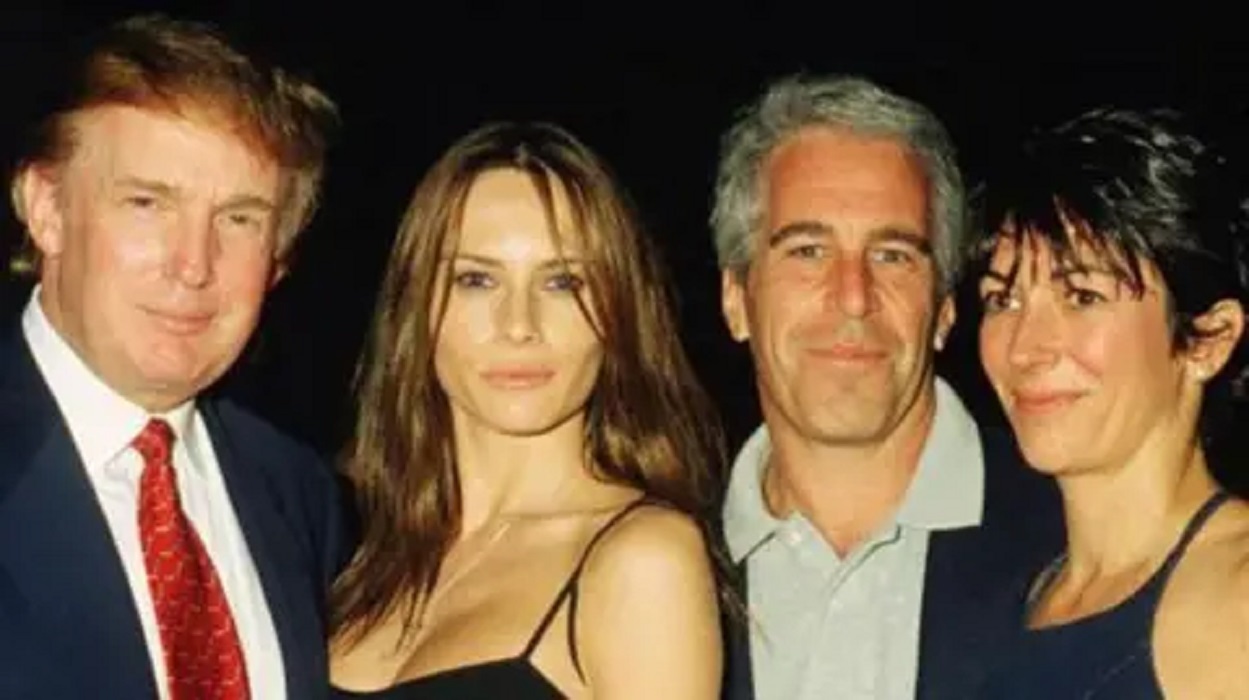
Epstein’s former business partner Ghislaine Maxwellwas convicted in 2021 and sentenced to 20 years in prison for organizing this criminal network and procuring underage girls. One of the most important factors that made the scandal stand out was epstein‘s wide and strong connection network; It was documented with court records, statements, photographs, e-mails and videos.
Why Are US Department of Justice Documents Opened?
US Congress, following years of pressure and demands of victims Passed the Epstein Files Transparency Act. This law stipulated that all files related to Epstein’s investigation would be made public. In this context, the Ministry The archive containing 3 million pages of documents, thousands of photographs and hundreds of videos was made public..
The US Department of Justice publicly disclosed millions of documents belonging to Jeffrey Epstein, It went down as one of the greatest archival revelations in modern American legal and political history. But this huge pile of data not only illuminated the dark relationships of the past; It has also sparked new debates about victims’ rights, state responsibility, and public transparency.
The documents contain materials such as:
FBI and Justice Department correspondence
court proceedings
Email and messaging records
Photos and video footage
News clippings and notes
However, the Justice Department stated that it implemented an extensive and onerous censorship process to protect the identities of the victims. However, claims that censorship practices were inadequate also came to the fore.

Harsh Criticisms from Victim Lawyers
Many victim advocates argued that there were insufficient censoring errors in the disclosed documents. Attorney Spencer Kuvin said the department left the identities of some victims “clearly identifiable,” which is unacceptable. Some victims stated that they encountered harassment and disturbing messages online.
kuvin, “The Ministry of Justice does not care about the victims at all” He criticized the process by saying. He stated that unprovoked victimization increased because the identities of some victims were not sufficiently concealed.
Ministry officials stated that there were only a very small number of identity-revealing errors among millions of pages and that such documents were quickly removed.
Draft Indictments of the 2000s: A Missed Opportunity
Among the published documents is a draft 60-count indictment against Epstein, dated 2007, prepared at the federal level. This draft lawsuit was never filed.
The draft included:
Young women between the ages of 14 and 23 were directed to Epstein’s home.
Organization and sexual intercourse incentives in exchange for money
Some victims were encouraged to procure other young girls
Notes of disputes over credibility among victims
This draft indictment was not pursued at the federal level at the time, and Epstein was prosecuted only at the state level in an agreement that resulted in a light sentence. This decision has been the subject of criticism for many years.
Relationships with Famous People: From Trump to Others
Connection to Donald Trump
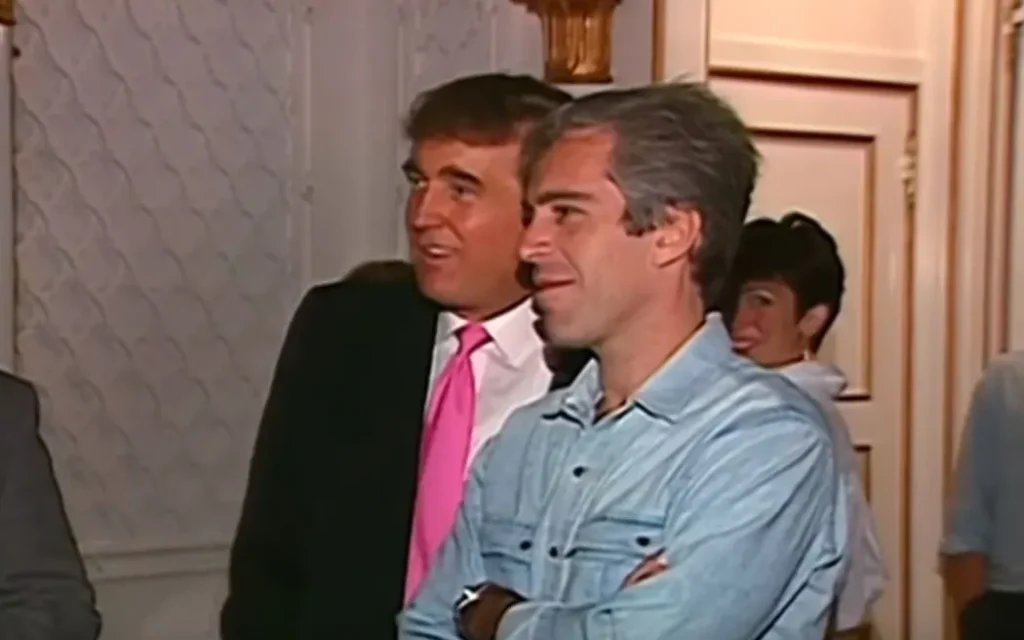
According to the documents, Trump and Epstein had social contacts at certain periods. There are some photos in which Trump is seen with Epstein at the Mar-a-Lago club. However, this does not mean that Trump is directly involved in criminal activities.
Trump made a statement after the files were published:
She ended her relationship with Epstein years ago, was never on the island, and was not involved in any sexual crimes.
he stated. Still, the mention of Trump’s name in the files created public controversy. Trump has denied many of these allegations.
Other Claims and Celebrities
Among the names mentioned in the published documents are:
Former British Prince Andrew
Elon Musk
Bill Gates
Steve Bannon
Woody Allen
Filmmaker Brett Ratner
NFL executives
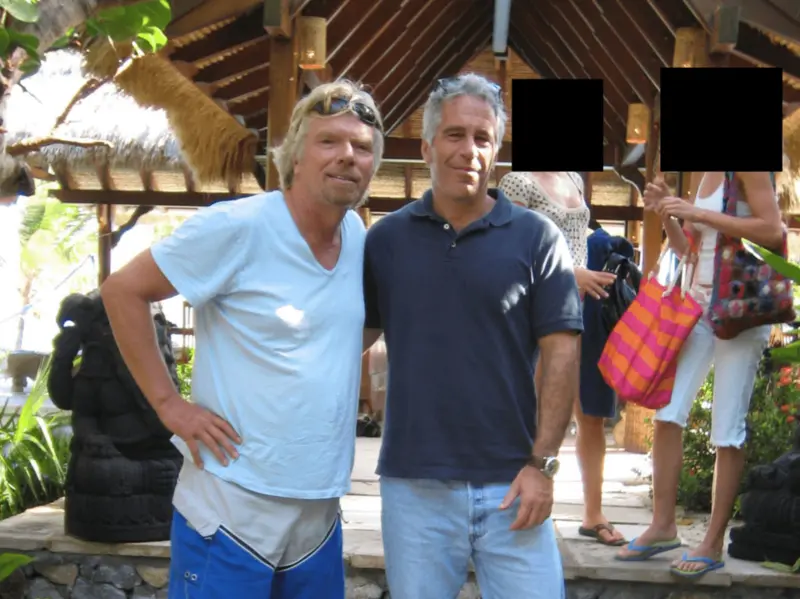
Although each of their names or correspondence is included in the files, there are no direct accusations against these people. Some connections are based on social interactions, some on evidence of communication.
Such connections show that the scandal involves not only local but also global relations.

Criticisms, Politics and Public Reaction
The disclosure of the documents had not only judicial but also political consequences. Democratic and Republican lawmakers both criticized the Justice Department and demanded more clarity:
Members of Congress questioned whether there were incomplete published files
Some politicians wanted full access without censorship
Protection of victims’ rights and state accountability were discussed
The most frequently voiced criticisms are:
Why are some files streaming slowly?
How can censorship errors be prevented?
Will the published files deepen the investigations?
These discussions suggest that the Epstein case is not just a past judicial matter, but also demonstrates ruptures in the relations of power, law and public opinion.
Is Transparency an Outcome or a Process?
The huge 3 million-page archive published by the US Department of Justice not only revealed the extent of Jeffrey Epstein’s criminal activities; It also brought to the fore the delicate balance between state, power and individual rights in today’s world.
These documents:
Strengthened the demand for judicial transparency
Revealed the contradiction between victims’ rights and data privacy
It led to public discussion of strong connections
But the debate is not over. Although both legal processes and public reactions determine the effects of these files “at the moment”, it seems that they will continue to have repercussions in the future.


