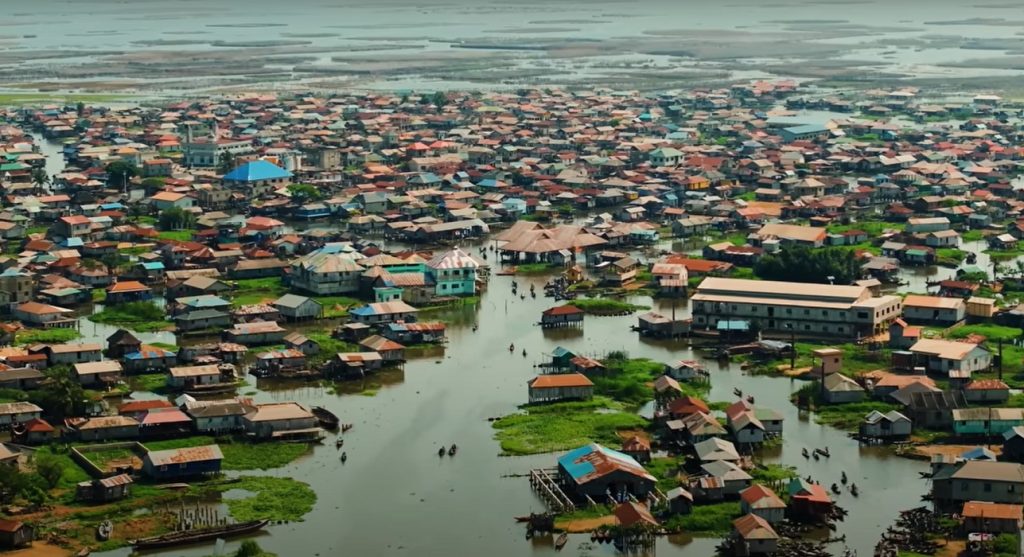
Ganvie is a unique lake village located in the middle of Lake Nokoué, located close to the city of Cotonou in the West African country of Benin. Known as the “Venice of Africa”, this village stands out as one of the largest lake villages on the African continent with a population of approximately 20,000 people. Most of the local people make their living through traditional fishing activities.
From Slavery to Freedom: The Birth Story of Ganvie
Tofinu tribe, When faced with the threat of slavery in the 17th century, they Lake NokouéThey found shelter in . The soldiers of the Dahomey and Fon kingdoms considered the lake sacred due to religious beliefs and refused to step into the water. This belief became a shield of protection for the Tofinu people and gave them a chance to survive.

According to rumors, the soldiers were at the lake a demonic entity He believed that he was alive and therefore avoided even approaching the lake. This allowed the Tofinu people to create a safe living space for themselves by building durable structures on the lake.
Thus, houses built on long wooden poles laid the foundation of the village known today as Ganvie. The name of the village symbolizes this historical struggle and victory: Ganvie “We Made It / We Survived” It means.

Life on Water
Although there are some land areas on the lake, local people spend most of their lives on boats. Because of this unique lifestyle, the people “watermen” Also referred to as. Schools, mosques, churches and other social structures attract attention as a part of life on water.

Tourism Hotspot
Ganvie is an attractive destination for tourists, not only because of its unique architecture and cultural heritage, but also because it offers a powerful story of the history of slavery. This village, which can be reached by a boat ride that takes about half an hour from Cotonou, the largest city of Benin, hosts thousands of visitors every year.

Ganvie from the Eyes of Village Residents
Edmon Adissa, one of the people living in the village, said in an interview, “We make a living by fishing. This place became our escape point from slavery. “Today, it has become a place that attracts tourists,” he said. Leonard Teofil emphasized that the village is 4 kilometers away from the land and said, “Our life is spent on the water.”

Historical and Natural Heritage
Nowadays, Ganvie is not only a settlement, but also a symbol that sheds light on the dark history of slavery. This unique village on the water offers a unique experience where history and nature intertwine. Village, Culture category on 31 October 1996 UNESCO World Heritage Tentative ListAdded to .

Anyone with a similar story on the subject “Venice of the Middle East, Floating Houses and Their Sad Story” For the article named CLICK!
To join our WhatsApp group CLICK!