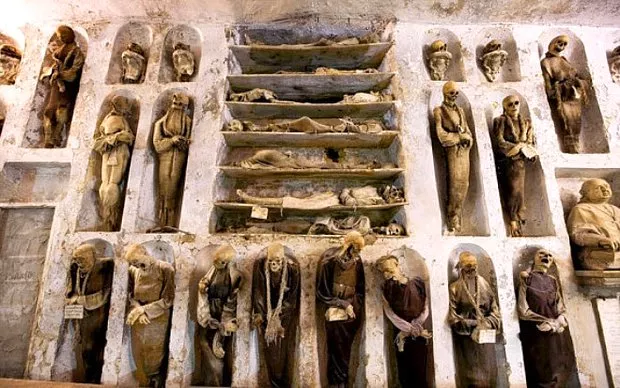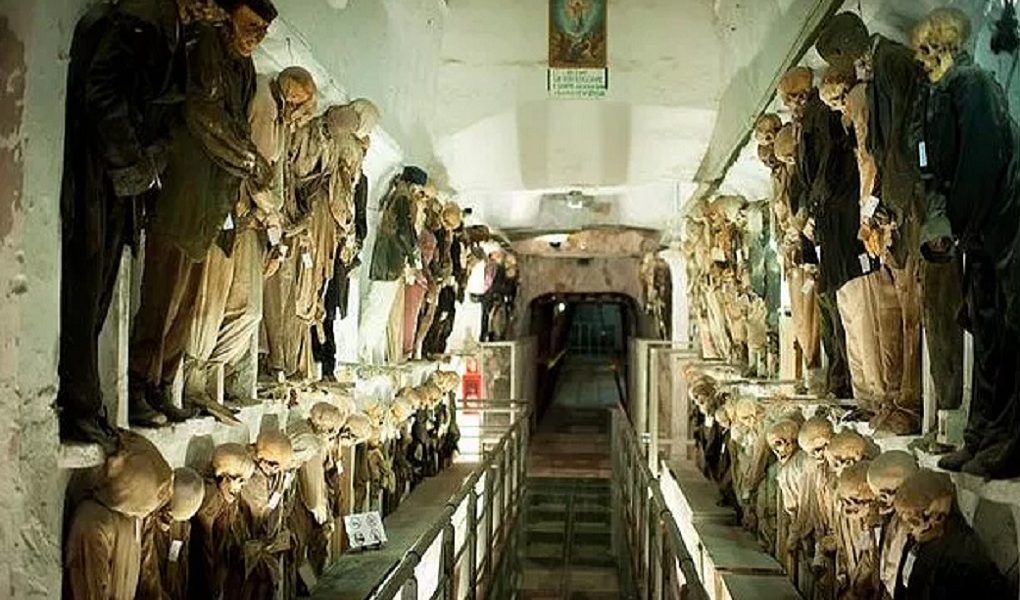
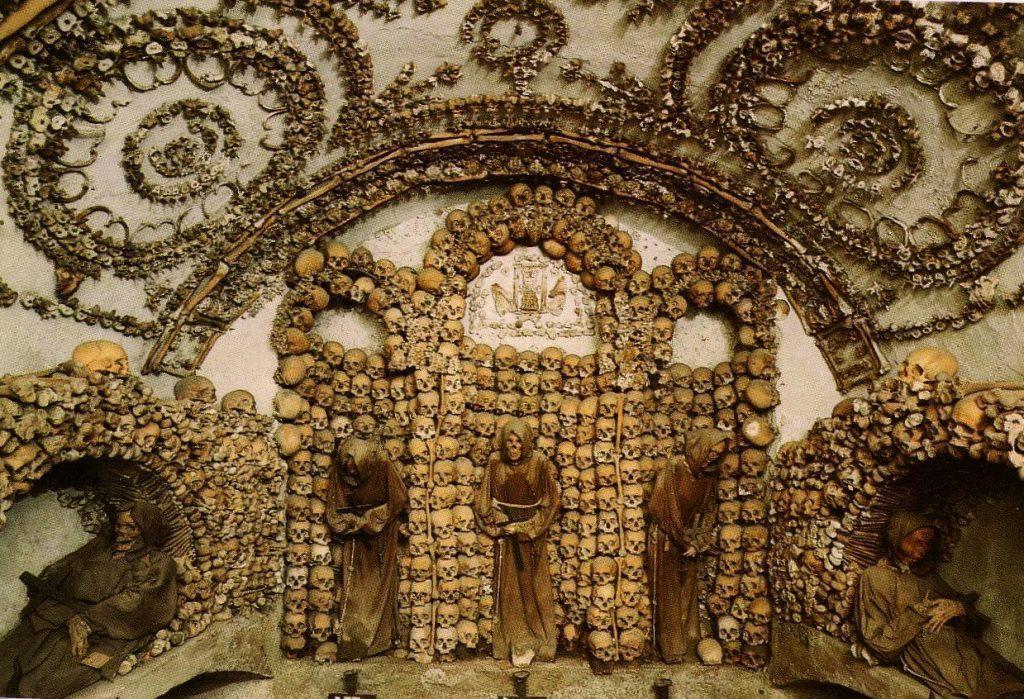
Thousands of mummified corpses are on display at the Capuchin Monastery in Palermo, Sicily. This monastery, which is considered the most terrible museum in the world, is known as the “house of the dead”. Due to the fires in the monastery, where more than 8 thousand corpses are exhibited, over 2,000 corpses are exhibited today. This museum, which attracts a lot of attention with its unusual and scary appearance, is flooded with tourists.
Capuchin Monastery; It was built in 1623 on a structure from the Middle Ages. The museum where the dead are exhibited is located under this monastery. mummified corpses on display; belonged to monks, aristocrats, nobles and clergy, mostly made up of eminent persons. In order to bring the dead bodies to the present day without decaying, they were subjected to some special methods such as drying and mummification.
The Reason for Exposing the Bodies in the Monastery
The display of corpses in the monastery is based on a tradition common in Sicily in the 16th century. According to the tradition kept alive at that time, the deceased were dressed in special clothes and mummified, placed in the chambers under the church or hung on the walls. When it was noticed that the corpses were well preserved under this monastery, the tradition continued.
The corpses exhibited in the monastery have become a showpiece over time. Rich and famous people living in the region regularly donated to churches for the display of their dead. Thus, their dead were exhibited and church priests took care of the corpses. As there was not enough space under the church over time, new sections were opened and long corridors were excavated.
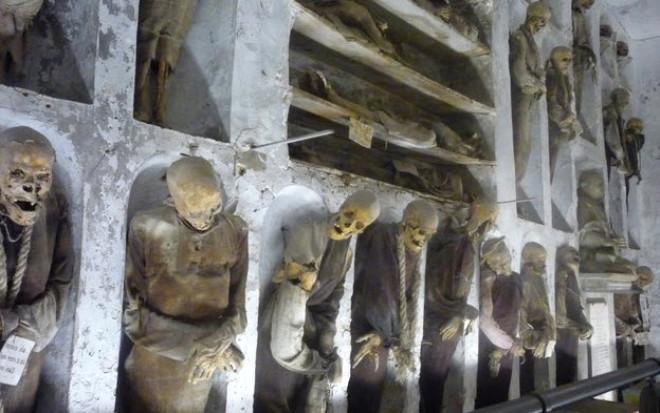
From the 18th to the 19th centuries, the Catacombs served as a prestigious cemetery where the city’s clergy and high-ranking people were buried. Since mummification is a costly process, it was generally preferred by wealthy people. The corpses of these people, who paid high sums, were specially cared for. For this reason, some corpses look almost alive.
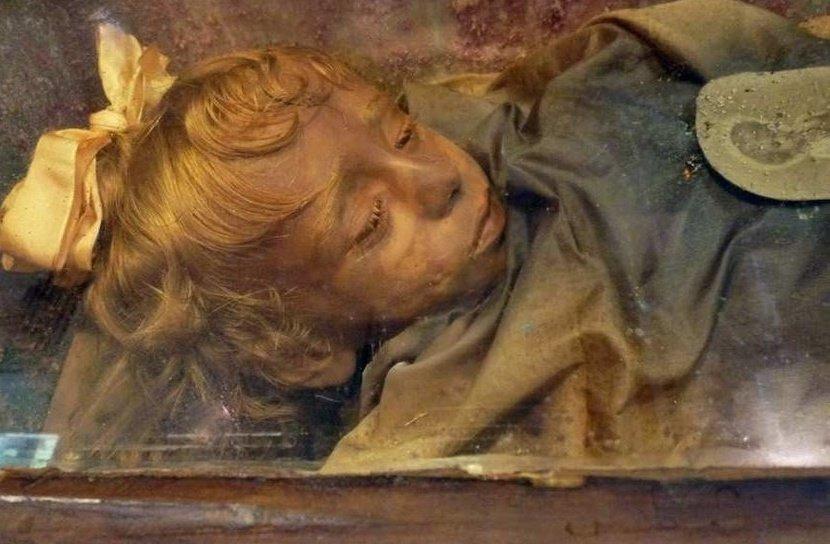
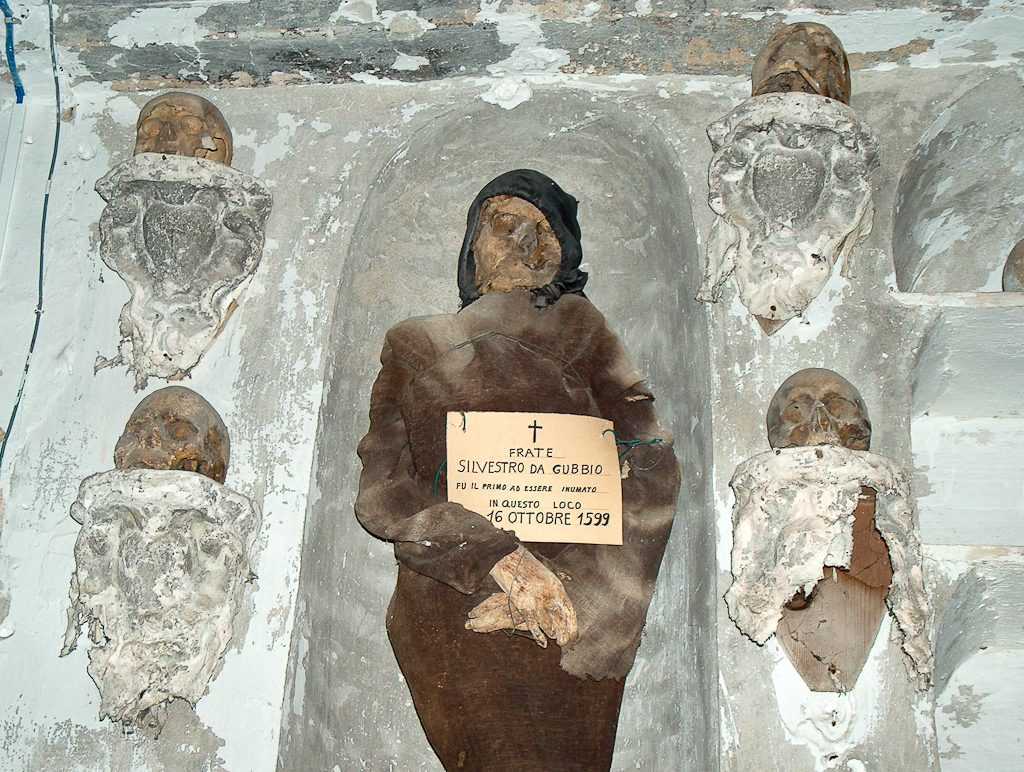
In 1837, the visible display of the dead was prohibited. Despite the ban, the dead continued to be exhibited, but were left in the late 19th century. After 1880, some mummified corpses were placed in the cemetery by applying exceptions to those who made special applications. The last tomb placed in the cemetery belongs to a 2-year-old child named Rosalia Lombardo, who died in 1920. The oldest body found in the cemetery belongs to a religious man named Silvestro da Gubbio, dating from 1599.
Features of the Cemetery in the Monastery
In the monastery; There are mummified corpses of important people who lost their lives, people sentenced to death, small children who were believed to go to heaven after death and were thought to protect the city for this reason. There are small notes describing the cause of death on these corpses, which are exhibited by wearing beautiful clothes. The mummies are exhibited in special cavities opened into the walls, assemblies prepared for hanging on the ceilings, and in glass coffins. The mummies on display are placed in different corridors according to their gender and occupation. Female mummies are placed in the female aisle, while male mummies are located in the male aisle.
Those who want to be buried in the cemetery after they die, mostly wrote in their situation in which clothes they want to be buried before they die. Some people even requested that these clothes be changed at certain intervals. The corpse of the last buried child is preserved in a beer-based liquid and displayed in a glass coffin. This mummy, which looks almost alive, is called “the most beautiful mummy in the world”. Many of the corpses are displayed in the open without glass or any protection.