Girnavaz Mound, located in the Nusaybin district of Mardin, attracts attention not only with its archaeological importance but also with its mystical legends. Also known as the “Cin Hill” among the public, this mound is considered to be the place where Muslim jinns live and where the tomb of their leader Mir Osman is located.
Girnavaz Mound has been a center visited by those seeking healing and those seeking a cure for mental illnesses for centuries. This sacred place, where historical and religious beliefs are intertwined, holds an important place in the cultural heritage of the region.

Features and History of Girnavaz Mound
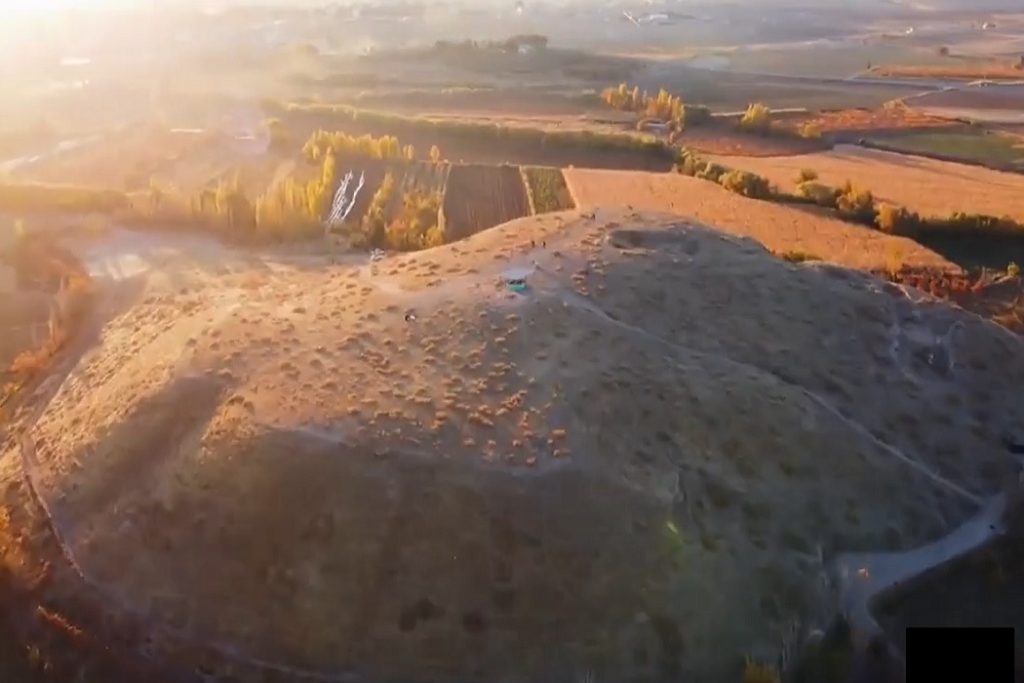
Girnavaz Mound is an archaeological mound located southeast of Mardin city center, 4 kilometers from Nusaybin district and 5 kilometers from the Syrian border. This mound is 350 meters in diameter and 24-25 meters high. ‘Çağ Çağ Stream’It is located on a rocky outcrop formed by Çağ Çağ Stream Valley. This settlement is located at the entrance of Çağ Çağ Stream Valley. Savur River It creates a natural transition point to the Batman region.
Çağ Çağ Stream, which has irrigated the fertile valleys of Northern Mesopotamia since ancient times, originates from the confluence of the Aksu and Karasu streams approximately 18 kilometers north of Nusaybin and forms the main axis of the Tur Abdin region. This valley extends 5 kilometers north of Nusaybin and opens to the Nusaybin Plain and thus to Northern Mesopotamia.
The river continues to flow through fertile plains in present-day Syria. This canyon-like valley, fertile throughout the year, has played an important role in the political and cultural history of ancient times, both for its agricultural productivity and as a natural transportation route.
Research conducted by K. Kessler in 1980 provided important information about Nusaybin and its surroundings. Kessler published the results of his research in the region “Studies on the Historical Topography of Northern Mesopotamia” He published his work titled. In this study, he examined the main transportation lines in the region, especially in ancient times. One of the main transportation lines he examined was Tur Abdin, known as the Kashiari Road and actually a mountainous region, today it is called the Mardin threshold.
The eastern border of this region, which includes the Mardin and Midyat area, is formed by the Tigris River and extends northwards to Diyarbakır. This region, which is frequently mentioned in Neo-Assyrian Period documents, contains an important transportation line reaching the present-day Diyarbakır region as well as its grain and wine production potential.
Excavations and Findings at Girnavaz Mound
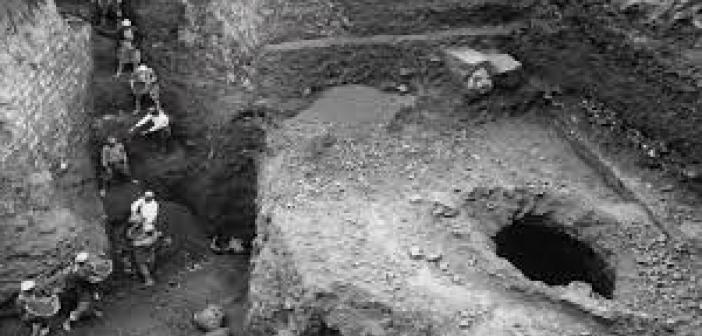
First investigations at Girnavaz Mound A. T. Olmstead in 1964 It was decided to excavate the mound after 22 pieces from a cemetery dating back to the 3rd millennium BC were brought to the Mardin Museum in 1981. These excavations began in 1982 under the direction of Prof. Dr. Hayat Erkanal and continued until the terrorist attacks began in 1991, except for 1985.
In the stratigraphy studies on the mound, it was determined that there were settlements from the 1st millennium BC on the top of the hill, the 2nd millennium BC on the eastern and northeastern slopes, and the 3rd millennium BC on the northeastern and northern slopes. 9 layers were identified in the trenches on the northeastern slope related to the prehistoric layers.
According to these layers:
Layers 1 and 2, early 2nd millennium BC,
The 3rd and 4th layers date back to the end of the 3rd millennium BC (Early Bronze Age III phase),
The 5th layers are dated to the Early Dynasty I – III periods (Early Bronze Age Phase II).
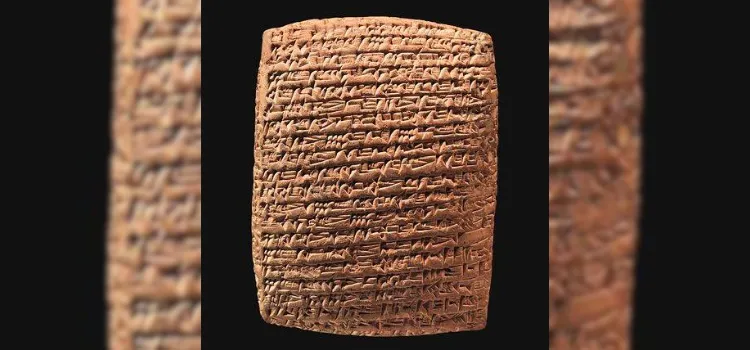
On a tablet found during excavations, Neo-Assyrian city of NabulaIt is thought to be Girnavaz Mound. The city of Nabula is frequently mentioned in Middle Assyrian and Neo-Assyrian documents. The one of three Neo-Assyrian tabletsis related to a garden sale and this document describes the city while describing the garden. Therefore, it has been determined that Girnavaz is Nabula. Considering the similarity of names, it is also suggested that Nawala mentioned in the 2nd millennium BC documents is here.
In the few graves within the settlement, A man buried with a stone axe and dagger in layer IIIIn layer VI there is a string of beads, A woman buried with her jewelry consisting of two bronze knob-headed pins and bronze rings In the cemetery on the northeastern slope of the mound, approximately 70 graves were examined. Three different burial styles were identified in these graves: adobe cist graves, jar or pottery graves and simple earth graves.
Mud-brick graves were covered with soil, placed in a north-south direction, and the dead were buried in the “hocker” position. In jar or pottery graves, children were buried in the hocker position. In earthen graves, the dead were buried in the hocker position and wrapped in straw or cloth, covered with tree branches and then soil was thrown on top.
Pottery was found as burial gifts, some containing clay, some containing wheat and lentils. Special items left with the dead include agate, frieze, lapis lazuli, bone and bead necklaces, cylinder seals and Sumerian-style bronze axes. is located.
It is understood that Girnavaz Mound was chronologically inhabited continuously from the 4th millennium BC to the 7th century BC. In other words, it was inhabited from the Late Uruk Period (3,500 – 3,100 BC) to the Neo-Assyrian Period. An important feature of Girnavaz is that it is the only excavated Ninive 5 settlement in the region.
Legends and Beliefs of Jinn Hill
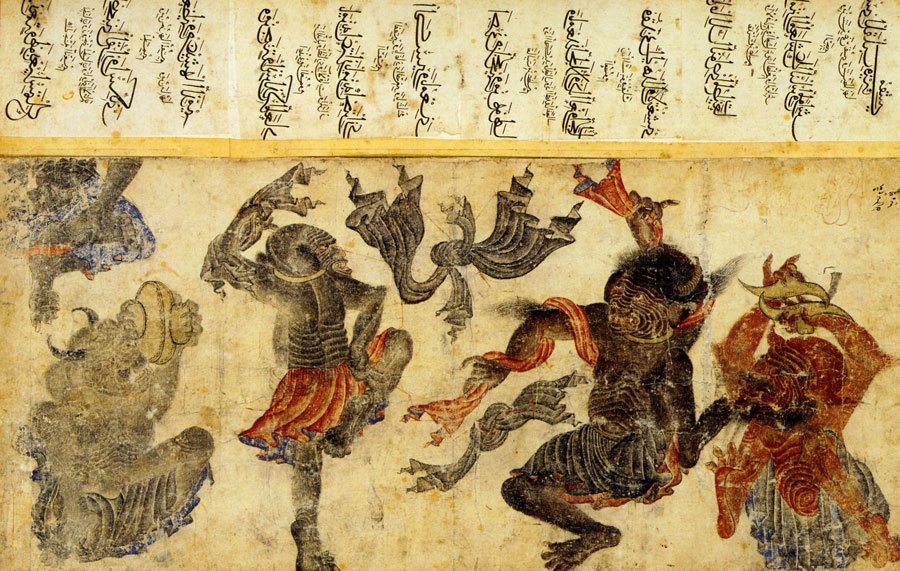
This place, also known as Girnevas or Gire’nevvas among the public, “the capital of the jinn” It has gained fame as. It is believed among the people that this is the place where the sultan of the Muslim jinn resides. Many people believe that spending a night here is especially healing for psychological disorders. It is said that jinn heal psychological and physical patients on the Jinn Hill. In addition, the jinn known as the chief of the jinn among the people here Mir OsmanThere is a tomb said to belong to.
In the Holy Quran, Prophet Solomon’s It is stated that he can communicate with the jinn. In the 17th verse of Surah An-Naml, “Armies of jinn, humans and birds were gathered for Solomon; all of them were being dispatched in an orderly manner.” It has been reported. In verses 17 to 30 of Surah An-Naml, Prophet Solomon is mentioned. In addition, in Surah An’am, it is explained how the jinn were created. There is information about the jinn in many verses.

The reason why Nusaybin is associated with jinns The 7 jinn mentioned in the Surah Ahkaf are accepted by Islamic scholars as 3 from Harran and 4 from Nusaybin. Our Prophet Hz. Muhammad (pbuh) While he was returning from Taif and staying the night in Nahla and praying, seven of the jinn of Nusaybin were passing by. They stopped and listened to the Quran recited by the Prophet (pbuh). When the Prophet (pbuh) finished his prayer, the jinn believed and accepted what they had heard. They returned to their people as warners.
“Say: It was revealed to me that a group of jinn listened to the Quran and said: ‘We have heard a wonderful Quran. It guides to the right path. We believe in it. We will not associate anything with our Lord.’” (Jinn, 72/ 1-3)
“And when We directed a group of jinn to you to listen to the Quran. When they came and were ready, they said, ‘Be quiet!..’ And when the recitation of the Quran was completed, they returned to their people.”
“O our people, we have heard a book sent down after Moses, confirming what came before it, and guiding to the truth and the right path. O our people, follow the caller of Allah and believe in him, so that Allah will forgive some of your sins and protect you from the punishment of the burning.” (Ahkaf, 46/ 29-31)
Tomb of Mir Osman, the Leader of the Jinn from Nusaybin
The leader of the jinn from Nusaybin is Mir Osman, who is located in Girnavaz. The place where his grave is located is a place of worship for the people of Nusaybin and the surrounding peoples. healing center It was accepted as a place of worship. People believed that the demons that haunted them would be expelled when they visited this place, thanks to Mir Osman.
Finding healing from mental illnesses People who come here for the purpose of visiting the shrine usually visit on Wednesday instead of Thursday or Friday. In addition, not only Muslims but also Yazidi and Christian Assyrian people frequently visit here. The fact that Yazidis accept Wednesday as a holy day makes it understandable that Wednesday was chosen as the day of visitation.
Cin Tepesi, which is shared by people of different religious beliefs living in Mardin, hosts various traditional rituals. During visits to the shrine, well-known rituals such as tying cloth to trees and stacking seven stones on top of each other are also performed here. This common ownership draws attention as a reflection of the cultural and religious diversity in the region.
To join our WhatsApp group CLICK!