Fasting is a form of worship considered obligatory by Islam. However, other world religions have also adopted fasting. For example, in Christianity it is fasting during Holy Week, and in Judaism it is customary to fast on Yom Kippur. Also, fasting is practiced in Hinduism, Buddhism and some other religions and beliefs.
Fasting has been practiced in many cultures throughout history. It was widely used in primitive tribes as a practice to please the gods or to ward off their wrath. By depriving themselves of blessings, people aimed to dull their souls with an ordeal they presented to their gods as a gift. Today, fasting often serves a spiritual purpose. People fast for self-discipline, spiritual renewal, and more worship. Fasting can also have a social purpose and encourage people to draw attention to hardships such as poverty and hunger.
Fasting in Christianity

Fasting is an obligatory act in Christianity as in Islam. The Church determines fasting as the third commandment, and the Qur’an states that fasting is obligatory for Christians. In Christianity, the terms fasting and abstinence are used interchangeably. The purpose of fasting is to begin to suffer the punishment for sins committed in this world. Fasting is given great importance and praise in the Bible. However, fasting times and rules differ between Christian denominations.
In Christianity, the age of fasting starts from 21 and continues until the age of 60. Rome decisions on this issue were taken in 1966 and stated in writing. There are two types of fasting in Christianity: the eucharist fast (i.e. thanksgiving fast) and the eclectic fast (i.e. church fast). Catholics do these two types of fasting, but Protestants do not. Christianity encourages fasting on Wednesdays, Fridays and Saturdays, as well as on the eve of some feast days. According to the Christian belief, St. Jesus was betrayed on Wednesday, crucified on Friday, and buried on Saturday. Hz. It is important to fast on Easter, where it is believed that Jesus was resurrected after his death and ascended to heaven. Fasting two days before Easter is a common practice among devout Christians.
Fasting in Judaism

In Judaism, fasting is considered an important form of worship like Islam and Christianity. It is ordered to fast on some days specified in the Torah. Jews believe that fasting is a means of training the soul and approaching Allah. The Jews adopted some practices related to fasting. For example, in Judaism, nothing is eaten after Isha while fasting. During the Babylonian period, fasting was performed as a symbol of mourning and sorrow. In addition, they used to fast constantly during periods when they believed that Allah had given them calamities.
The Jewish fasting age is 12. The only fast that is deemed necessary is the atonement fast called Yom Kippur. Yom Kippur means ‘day of repentance’ and on this day Jews repent of their sins. Yom Kippur is one of the largest Jewish days of worship and is considered the great fasting day. The Passover fast, which starts on April 19 and lasts for a week, is usually held on Mondays and Thursdays, which come after Passover. This fasting is considered the most important fasting day after Yom Kippur.
During the Yom Kippur fast, imsak begins at sunset the previous evening. It is forbidden to eat and drink until the first two stars appear that night and the next day. This period is approximately 25 hours. The reason for keeping the Yom Kippur fast is the Prophet mentioned in the Torah. It is because the Jews were worshiping a golden calf when Moses ascended Mount Tur and brought the commands he received from God.
After the Babylonian return, due to the destruction of Jerusalem and other disasters, the Jews began to observe four separate fasts. Some Talmud commentators, on the other hand, stated that these 4 fasts should only be observed by Jews under the protection of other states, otherwise they are not necessary. Jewish fasting usually lasts from the break of dawn until the sighting of the first star. However, some special fasts, such as Yom Kippur, continue from one evening to the next evening.
Fasting in Hinduism
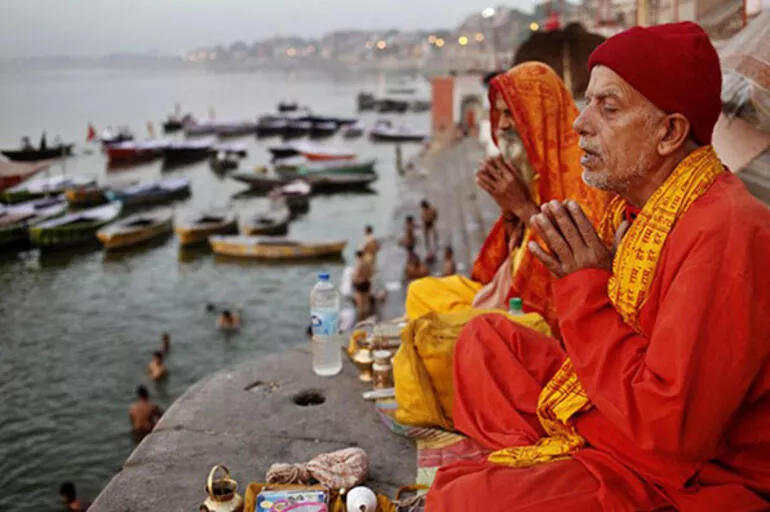
In Hinduism, fasting is held in certain months and days of the year in order to discipline the soul. These fasts are made on the days when prayers for worship are read. Fasting in Hinduism is generally practiced as not eating certain foods. These foods can include meat, fish, eggs, onions, garlic and some spices. Also, fasting people do not eat anything during the day, including drinking water, and are only allowed to eat between certain hours. The period of fasting can usually be one day or several days. Fasting in Hinduism is an important practice for spiritual and physical purification.
Fasting in Taoism
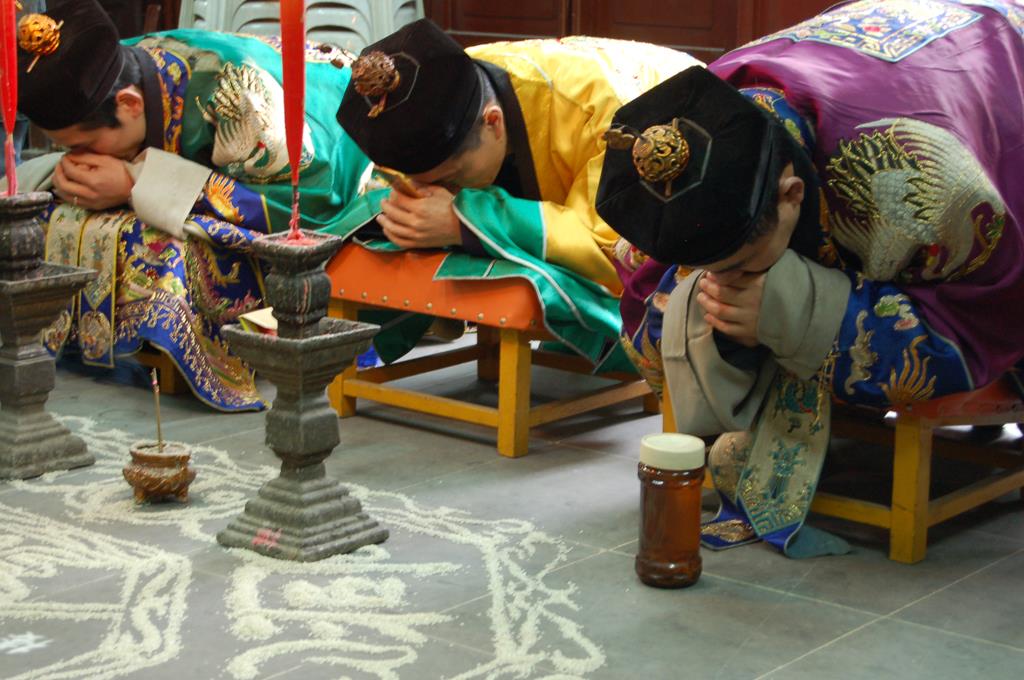
In eastern cultures such as Taoism, fasting is considered more comprehensively. Here, fasting comes to the fore with its ability to protect health and delay aging. It is also common in Chinese culture to fast for self-protection on occasions such as on great holidays or during times of heightened evil.
Fasting in Brahmanism

In Brahmanism, one of the South Asian Indian religions, there is a tradition of fasting on the 12th and 13th days of each month. The elderly, the sick and even children are not exempt from fasting. Some people fast for 15 days to overcome their cravings and do not eat or drink anything other than just a sip of water during this period, otherwise it is believed that the fast will be broken.
Fasting in Jainism

Fasting in Jainism, one of the Indian religions, has very strict rules. Jainists fast for 40 consecutive days. According to this religion, fasting is a way to free themselves from the bondage of the material world and to ascend spiritually.
Mahavira, the founder of Jainism, tortured himself to follow this path and did not consume meat and eggs to attain a high spiritual degree, and even fasted until his death. Jainists follow in his footsteps to purify their bodies and enlighten their souls by fasting.
Fasting in Buddhism

Buddhism is one of the Southeast Asian religions and places great emphasis on fasting. According to Buddha, the founder of Buddhism, it is not necessary to be attached to the world or to give up on the world completely. Buddha’s purpose is to help people reach eternal salvation, called Nirvana, by the rules he set. Buddhism’s rule of fasting is to fast every two months and to confess all sins in public during this time. According to Buddha, desires are the only thing that hinders eternal salvation, namely Nirvana. Salvation is possible only by abandoning desires, and the first way to get rid of desires is fasting.
Fasting in Other Religions
In the Manichaean religion, fasting is held to pray that the sun and moon send their light. It is known that Babylonians and Assyrians also attach great importance to fasting. It is known that in ancient Egypt, fasting was generally kept on religious holidays, while the Celts fasted, and the ancient Romans and Greeks accepted fasting as a remedy to get rid of disasters.