
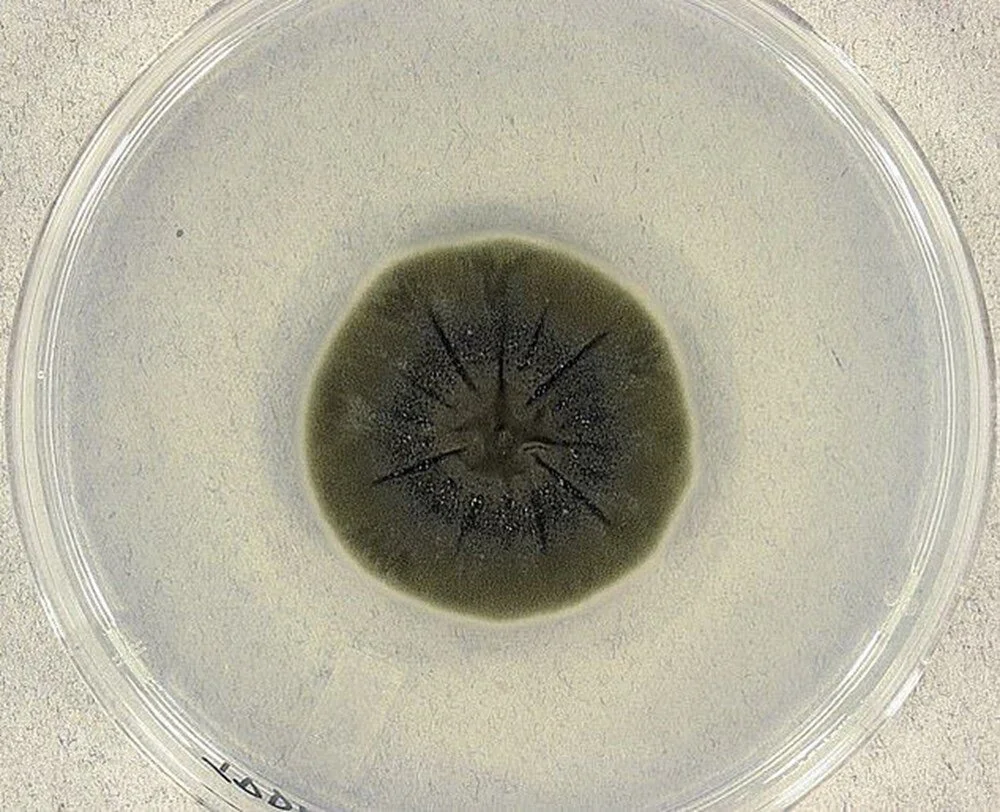
The Chernobyl Nuclear Disaster that occurred in 1986 is still considered one of the most dangerous areas in the world. However, the latest discovery made in the radiation-filled environment of this gloomy region has caused great excitement in the scientific world. A type of fungus that feeds on radiation was discovered in Chernobyl.
This fungus is notable not only for its extraordinary durability, but also for its potential benefits in future space missions and in cleaning up radioactive areas on Earth. Experts state that this discovery could be an important step in providing new biotechnological solutions that can adapt to extreme conditions. Additionally, this discovery strengthens the idea that life may be possible in radiation-filled environments in the universe.

The Mystery of the Radiation-Proof Fungus in Chernobyl
A study conducted in 1991, Chernobyl He discovered that an unusual type of fungus was growing on the walls of his reactor. At that time, this fungus, which survived in an environment full of intense radiation, was a matter of great curiosity for scientists. Research has revealed that this fungus is not only resistant to radiation, but also uses radiation as a food source.
Additional testing a decade later found that the fungus contained high amounts of melanin pigment It was discovered to contain . Melanin is a pigment that is also found in human skin and allows it to absorb and scatter ultraviolet light. How this pigment works in the fungus is quite different. The fungus converts radiation into a type of chemical energy and uses this energy to grow. In her research published in 2008, Ekaterina Dadachova stated that this type of fungus is not the only example and that other similar organisms may also exist.
In Dadachova’s study, “High amounts of melanized fungal spores were found at a time when many living species were extinct, such as the Cretaceous period. “This period intersects with ‘magnetic zero’, where our planet loses its shield against cosmic radiation.” One of the most important results of this discovery is that it shows that life can exist in environments where radiation is intense, even in places in the universe that we are not aware of.

Can Chernobyl Fungus Be Used in Space Missions?
Scientists have discovered the radiation absorption capacity of the fungus Cladosporium sphaerospermum. protecting astronauts on space missions plans to use it as a solution for In an experiment carried out on the International Space Station, it was observed that the fungus blocked 84% of radiation. This discovery could be a very promising step to protect astronauts, especially in high radiation environments such as Mars.
This fungus is found not only in space, but also In radioactive regions on Earth It is thought that it may also have an important function. Cladosporium sphaerospermum may provide a safer and more natural cleaning method in areas with high radioactivity, such as Chernobyl. Such uses could revolutionize environmental cleanup processes.

Stress Tolerance and Contribution to Biotechnology
Mushroom, It has a structure that is resistant not only to radiation, but also to high temperatures, salt levels and acidic conditions. This feature shows that the genetic structure of the fungus has the potential to revolutionize the fields of agriculture and biotechnology. Experts say this resilience could inspire the development of new agricultural products that can adapt to extreme environmental conditions.
This discovery is considered an important step to produce new solutions in many fields such as biotechnology, agriculture and environmental management. The durability of this fungus offers great potential in the future for the development of radiation-resistant materials and the cultivation of crops capable of farming in harsh conditions.
on topic “Chernobyl, the Greatest Environmental Disaster in History” For the article named CLICK!
To join our WhatsApp group CLICK!