Traditionally, the genetic heritage was thought to be limited to our DNA sequence. In recent years, however, research in the field of epigenetic shows that life experiences – especially traumas – can be transferred to the next generations by affecting the gene expression without changing genetic code.
What is epigenetics?
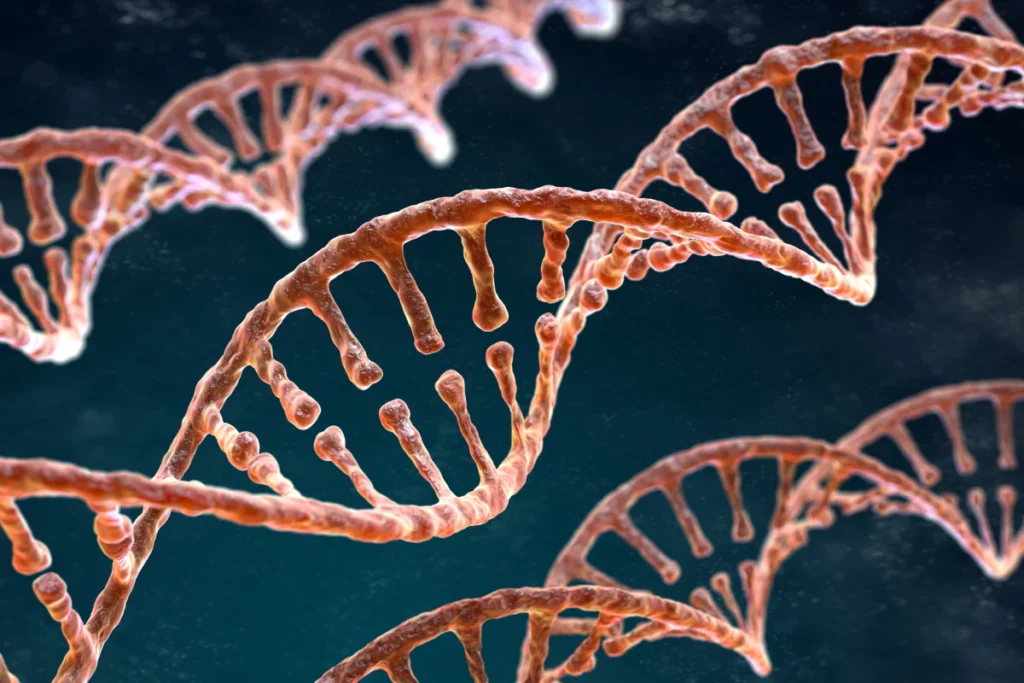
EpigeneticIt examines the mechanisms that change the way genes are expressed without any changes in the DNA sequence. These changes can be triggered by experiences such as environmental factors, lifestyle, and especially stress. For example, the intense stress experienced by an individual may cause certain genes to become “open” or “closed, and this may affect the gene expression of the next generations.
The legacy of fear in mice
Prof. Kerry ResslerIn a study on mice, it was observed that the fear that was conditioned against a particular smell (cherry flower -like) was transferred to the next generations. This fear passed from generation to generation with epigenetic changes in sperm DNA. Interestingly, this fear response could be reversed by the fact that the original mice experienced the smell in a non -traumatic way.
Trauma between generations in humans
Similar findings have been obtained in humans. Prof. Rachel Yehuda’s studies on Holocaust survived and their children have shown that trauma can be transferred to subsequent generations with epigenetic changes. These changes have been observed as differences in methylation levels in stress -related genes.
Similarly, research on women and children who have experienced the 1994 genocide in Rwanda showed that the epigenetic traces of trauma may continue for generations. In these studies, methylation changes were determined in stress -related genes (eg BCOR, PRDM8).

Social Reflections of Epigenetic Memory
The understanding of epigenetic heritage is important not only in terms of individual health, but also at the social level. Collective traumas experienced by societies may have the effects of generations. Therefore, social interventions may be required to understand and reduce the effects of past traumas.
Look at the Future: Epigenetics and healing
The recyclable of epigenetic changes is a promising development. Studies in mice show that the effects of traumatic experiences can be reduced by appropriate interventions. In humans, it is thought that therapy and supportive environmental factors may positively affect epigenetic marks.
To join our WhatsApp Group Click here!