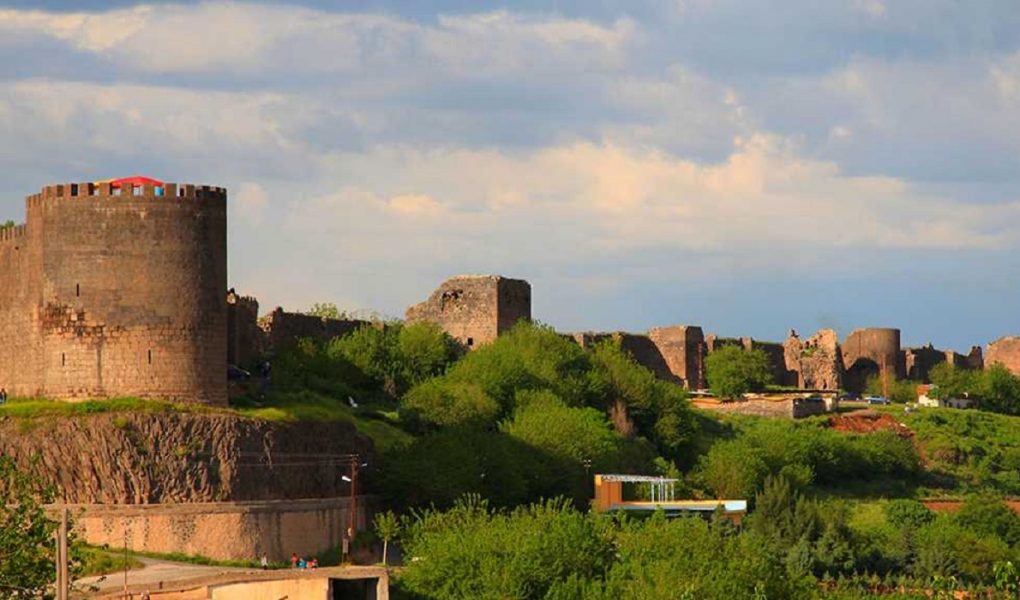
Hevsel Gardens and Diyarbakır Walls in Diyarbakır are one of our important cultural heritages. The region has a very important place in terms of agriculture and tourism. In this sense, his contribution to the city is enormous. It was added to the UNESCO World Cultural Heritage List in 2015.
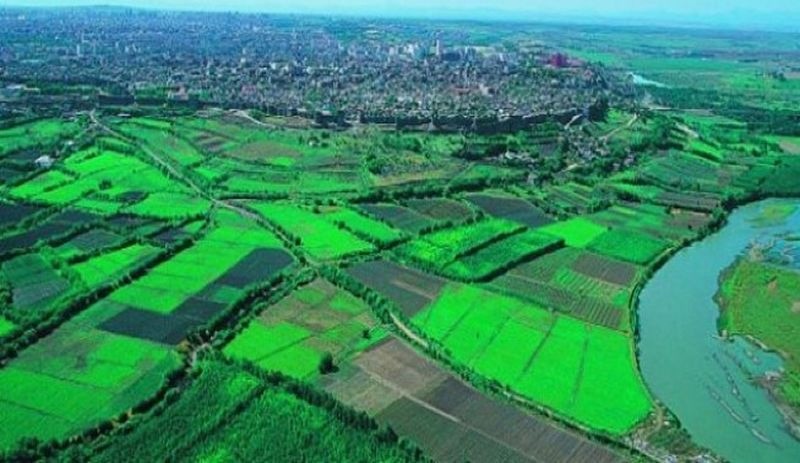
Located in the southeast of the city, Hevsel Gardens consists of fertile lands carried by the Tigris River. The garden is located in the immediate vicinity of the Diyarbakır Walls. Throughout history, a wide variety of vegetables and fruits have been grown and the city’s needs have been met. Located on the banks of the river, this garden is home to many migratory birds.
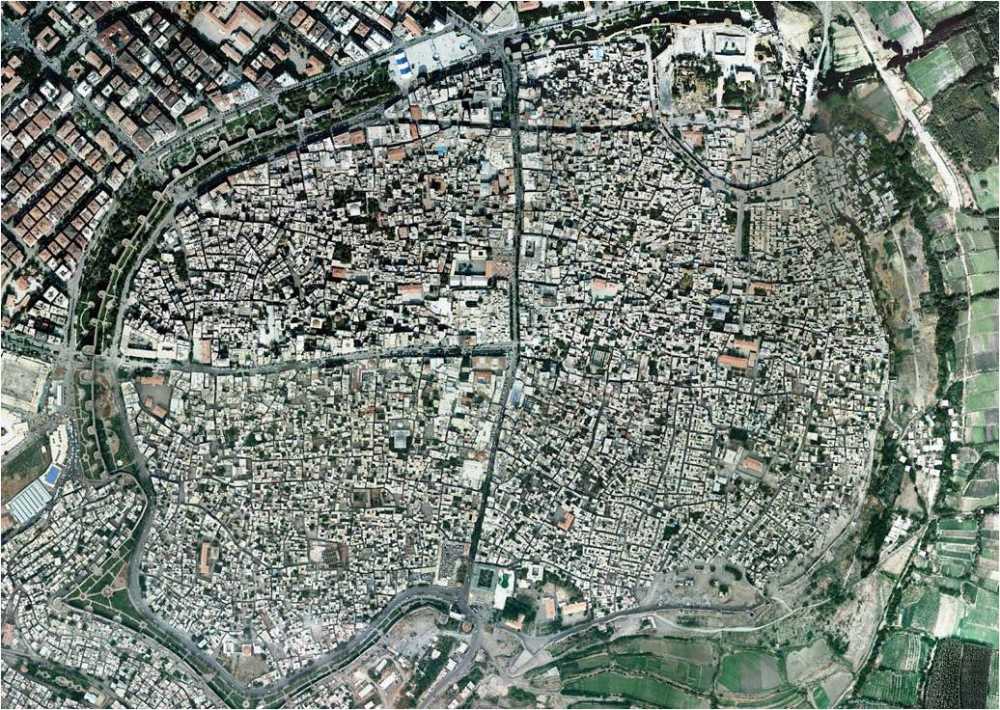
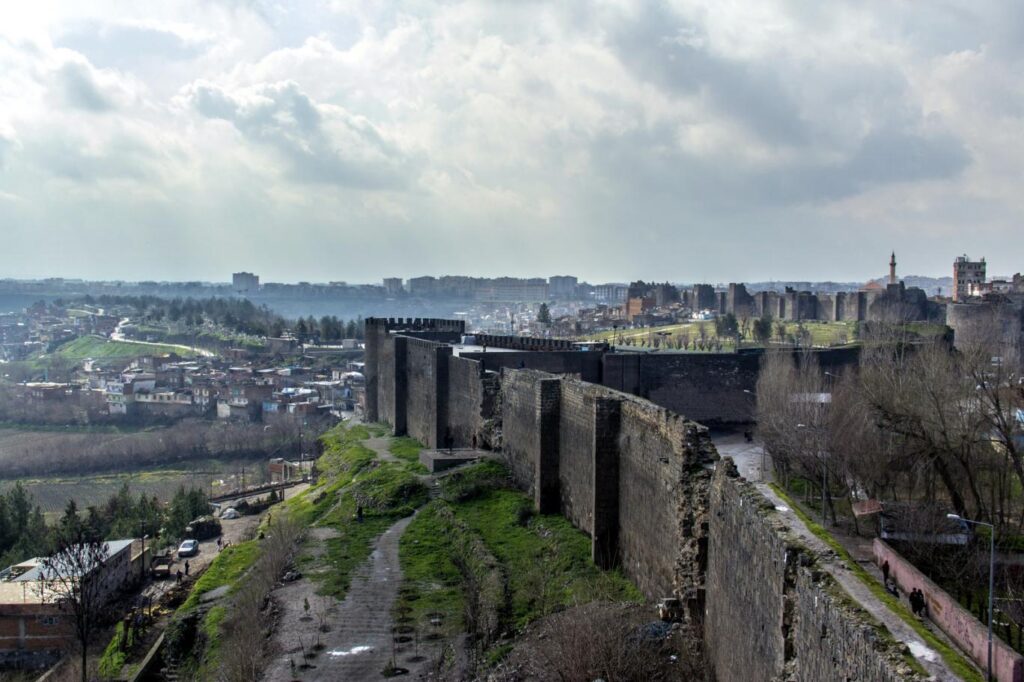
Diyarbakır Walls, on the other hand, are one of the oldest and strongest city walls in the world. It is the longest city wall in the world after the Great Wall of China. It is not known exactly when and by whom the walls were built. Almost all of the walls are standing solidly. It has surrounded the part called “Old Diyarbakir” in Diyarbakir province.
Features of Diyarbakir Walls
Diyarbakir Walls, made of chipped basalt stone, are divided into two as interior and exterior. The height of the walls is 8 meters and the length is 5.5 kilometers. It has inscriptions decorated with carved and relief motifs. There are also reliefs of a double-headed eagle, pilgrimage, bull, lion, sphinx and plants.
The castle has four gates opening to four sides. The gate in the north is called Dağkapı (Harput), the gate in the west is called the Urfa (Greek) gate, the gate in the south is called the Mardin (Tell) gate, and the gate in the east is called the Yenikapı (Dicle and Şat) gate. There are two more gates opened as evacuation gates during the Republic period. These are called Hindibaba and Tekkapı. There are 82 bastions on the castle. The city walls, which have become the symbol of Diyarbakır, resemble an open-air museum with inscriptions, inscriptions and reliefs on them.
Diyarbakir Walls were built for the first time in 3000 and 4000 BC in the place where today’s inner castle is located. There are very few remnants of these walls that have survived to the present day. Today’s Diyarbakır Walls were built in 346 AD by Emperor Constantine II. In various periods, maintenance, repair and renewal processes were carried out by the civilizations living in the region. As a result, it is possible to encounter different plans and construction techniques and different motifs on the walls. The civilizations Diyarbakir Castle witnessed after its first construction were Byzantine, Abbasid, Seljuk, Artuklu, Ayyubid, Akkoyunlu and finally the Ottoman Empire.
According to the legend about the Diyarbakır Walls; In one of the periods, the walls were surrounded. The siege took the form of bloody battles that lasted for days. Yedikardeş, who defended the bastions of the castle, never surrendered. Although the enemy was loaded with all his might, he could not reach a result. Thereupon, he wanted to compromise by sending an envoy. The seven brothers said that we would surrender to the coming ambassador, but we would like our lives to be spared. They stipulated that we will surrender the castle only if your king and our commanders come and spare our lives. Accepting this, the king entered the castle with his commanders. However, as soon as we entered the castle, there was a big explosion and the castle was blown up together with the Yedikardeşler. The bastion of the castle, which was destroyed by the enemy, defended by the Yedikardeşler, was named “Yedikardeşler Bastion”.
Where does the name Hevsel Gardens come from?
Hevsel Gardens has a history of 8 thousand years. In other words, it is a place where agriculture never stopped for 8 thousand years. This region, between the Tigris and Euphrates rivers, is a very fertile place. It has hosted many civilizations over the centuries and has seen many wars. All kinds of vegetables and fruits are grown in these gardens, where nearly 200 families earn their living. It is one of the places where migratory birds take a break. There are a wide variety of native and migratory bird species in the garden.
The word Hevsel is in Arabic; It is a word that means despised. It is derived from the root Esfel. The reason why it was called Hevsel Garden in time comes from the people of Esfel. It was said for a people who were not accepted to the city of Diyarbakir and who were excluded. These people wanted to escape from Iran and take shelter in Diyarbakir. The people living on the banks of the Tigris made their living by dealing with agriculture. Thanks to them, various trees have grown on the land and lush pastures have emerged. Over time, these gardens lost the meaning of the evil Esfel and took the name Hevsel Gardens.