
the White Nile River; It is the largest river in South Sudan and also one of the most important rivers in East Africa. The marshland formed by the White Nile River in South Sudan is one of the largest freshwater marshes in the world. The marsh is located in the southeastern part of South Sudan. The marshy area is known as the Sudd, and this area is home to about 12 percent of the population living in Sudan. In this region, which covers an area of approximately 30 thousand square kilometers, people live a life intertwined with crocodiles and giant snakes.

People in Sudan are concentrated on the banks of the Nile and around the “Swamp Sudd”, as they know that water is the source of life. The swamp is thought to be an important resource for their survival. For this reason, the people built their homes on the swamp and turned to activities such as agriculture and animal husbandry. Despite the dense vegetation, people continue to live here. Houses in this area are built as temporary structures that can be flooded during periods of rainfall.
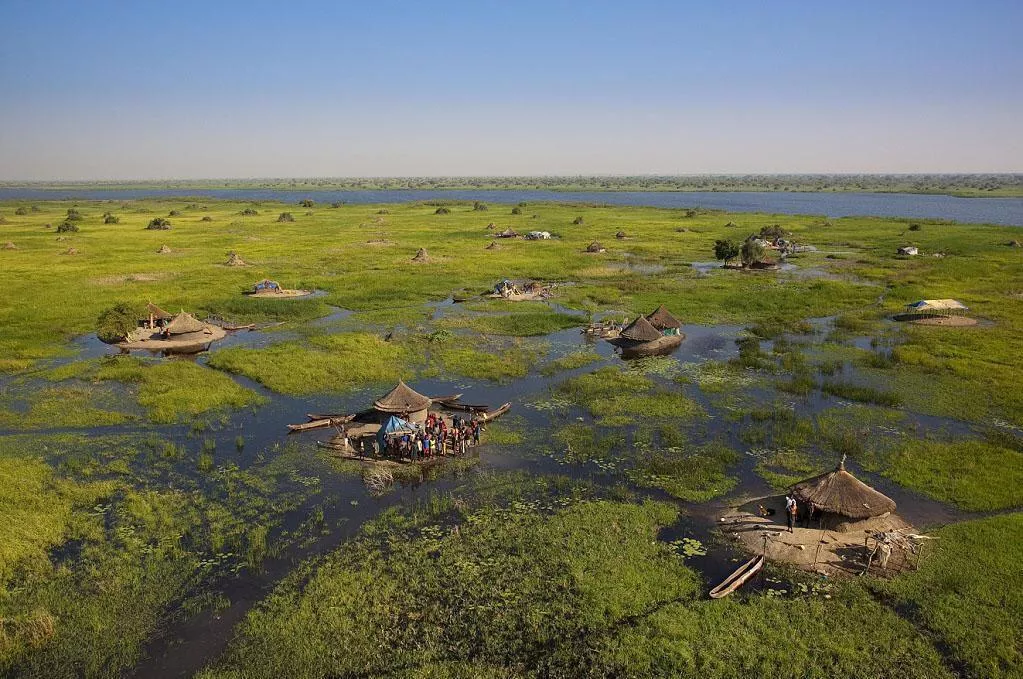
Life in the Sudd Swamp
Sudd swamp; It is one of the most valuable assets of South Sudan, which is rich in natural resources but economically weak due to human impacts. The swamp consists of wetlands formed as a result of annual precipitation. Indigenous peoples such as Dinka and Nuer mostly live in the area. These people make their living by fishing and animal husbandry in the swamp. Although life in the swamp requires harsh conditions, people have managed to survive here by taking advantage of natural resources.

People living in the Sudd region live here due to the agriculture and livestock potential of the region. But the Sudd region presents harsh conditions for people and animals in the region. The swamp area is a suitable environment for mosquitoes and tsetse flies to breed. This causes the spread of malaria, scabies, typhoid fever and other diseases in the region. In addition, the area is subject to floods at some times throughout the year, which negatively affects people’s lives. It is known that thousands of people living in the Sudd region are struggling with difficult living conditions and health problems.

Biodiversity in Sudd Swamp
The swamp area is home to numerous bird and mammal species due to the abundance of water resources. It has a rich biodiversity inhabited by various species such as waterfowl, reptiles, mammals and fish species. Animals living in Sudd include various species such as antelope, bison, elephants, giraffes, crocodiles and birds. However, the Sudd region faces environmental problems.

In recent years, drought has increased due to climate change in the region, which has led to a decrease in water resources in the region and adversely affected agricultural activities. In addition, overfishing and wildfires in the area have also affected the local ecosystem. For these reasons, the Sudd area has become an area of environmental protection priority.

The South Sudanese government develops policies for the protection of the region and cooperates with local communities. In addition, international environmental organizations are also making efforts to protect the region. Conservation of the Sudd region is important not only for the quality of life of the people in the region, but also for biodiversity worldwide. Many animal species in the region are among the endangered or threatened species.


