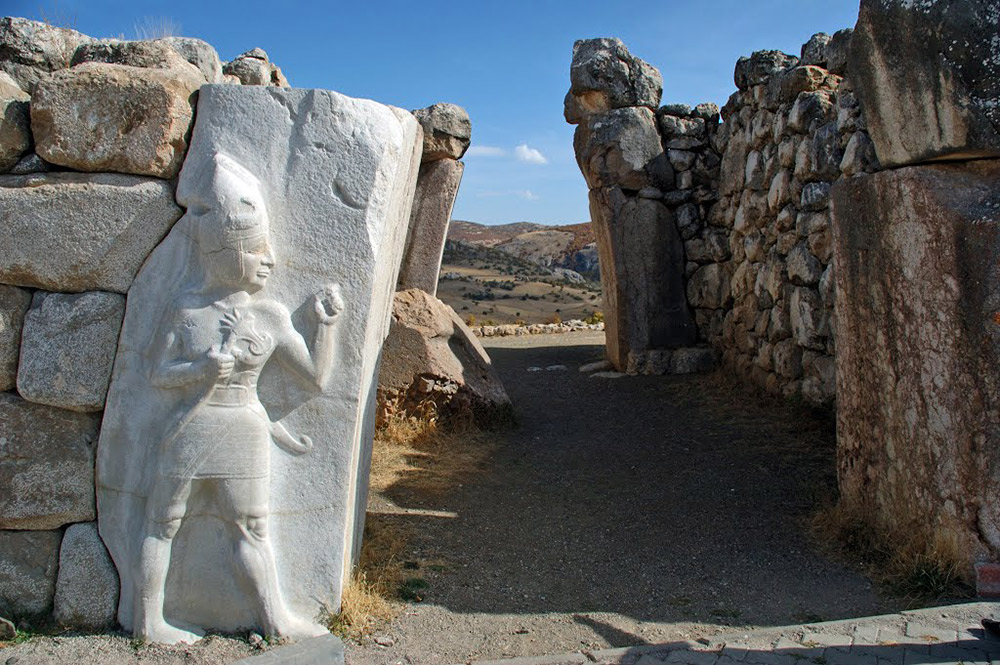
The Hittites are an empire that was forgotten for about 3,000 years and then rediscovered. The capital of the Hittites, a community that lived in Anatolia, is Hattusa. Although the excavations in Hattusa have continued for hundreds of years, a certain part of it has been unearthed. Even this excerpt contains quite surprising information. The ancient ruins of Hattusa are on the UNESCO World Cultural Heritage list.
In 1834, the French explorer Charles Texier, who was working in Anatolia, discovered the ancient city built on high rocks near the Boğazkale district of Çorum by chance. The ancient city, which is in ruins, is unlike any other city. The architecture of the ancient city bears traces of a very advanced civilization. It is quite surprising that such a civilization has not been found in this geography for so long. As a result of the researches, it has been revealed that it is the Hittite civilization, which has been lost for 3 thousand years. This event is considered one of the greatest discoveries in the history of archeology.

History of the Hittites Living in Anatolia
The Hittites established the Hittite state with the capital city of Hattusha in Anatolia in the 2nd millennium BC. For an unknown reason, the city was destroyed and cursed by a mysterious Hittite king. This king burned the city and cursed that whoever became king after me and revived Hittite, let the god of the storm curse him. After a while, the Hittite king Anitta rebuilt the kingdom of Hattusa and made it the capital of one of the most important civilizations in history.
It is not known exactly why and where the Hittites came to Anatolia. In the discoveries made in the city of Hattusa, very different structures emerged. In this civilization, which lived about 3500 years ago, the sewer system is almost as successful as it is today. History’s first sewer system, underground drinking water system, food storage silos were built with great engineering and skill. The Hittites are recognized as the cleanest society of the Bronze Age. Because during the excavations in Hattusa, a bathtub was found in almost every house. Large forces have water evacuation systems. It is thought that such a civilization attaches great importance to cleanliness.
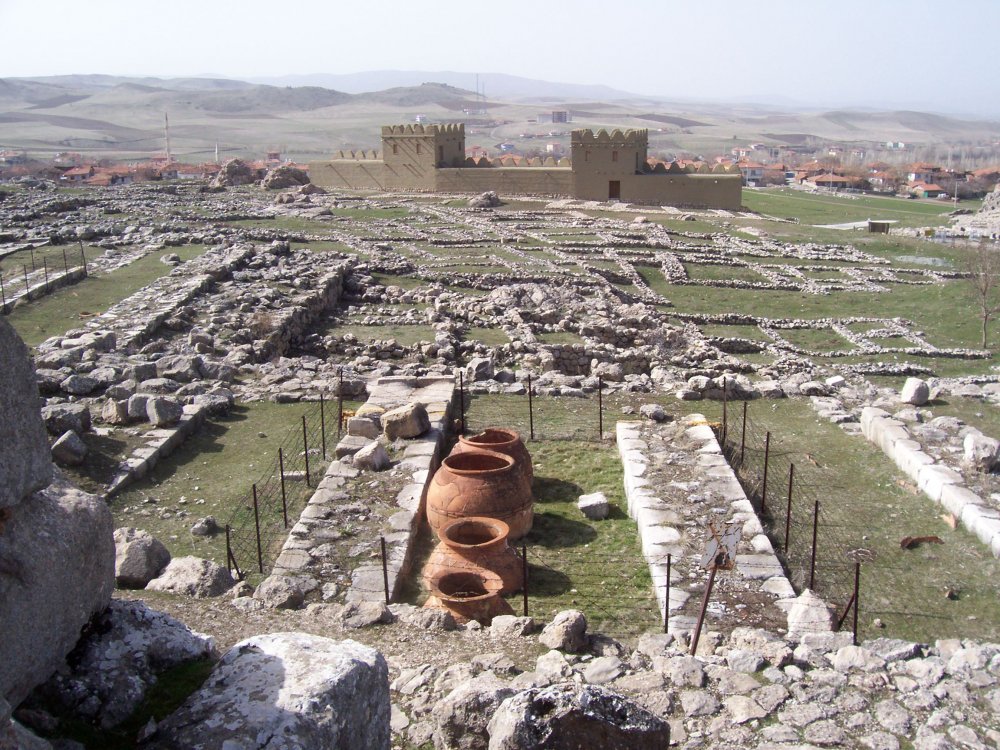
There are thousands of houses, temples, palaces, and various squares in the city, which is very large. The city is surrounded by walls that are approximately 7 kilometers long. There are watchtowers 1.5 meters high every 12 meters on the walls. At that time, it was almost impossible to cross these walls. Inside the walls, there is a thicker wall filled with traps. The city has 8 huge main gates. These gates are closed and sealed every evening to prevent spies from entering the city. There are very large buildings in the city. One of them, the great temple, consists of 200 rooms.

Hattusa Excavations and Hittite Culture
The tablets unearthed during the excavations are in Sumerian and Akkadian languages. Some inscriptions are in a new language that cannot be read at all. In 1914, linguists succeeded in deciphering this language and said it was Hittite. The first sentence that is resolved on the tablets is that you will first eat bread and then drink water.
There are also correspondence between the Hittite king and the Egyptian Pharaohs on the tablets that were excavated. In fact, the Kadesh Treaty between Egypt and the Hittites, which is the first written treaty in history, was derived from here. One of the copies of the work from that period is currently exhibited in the Istanbul Archeology Museum. In the Bronze Age world, the king of only 3 countries, Egypt, Assyria and Babylon, was called the supreme king. However, in the Treaty of Kadesh, the Hittite king was also called the supreme king. Hattusha is the capital of the lost fourth empire of the bronze age.
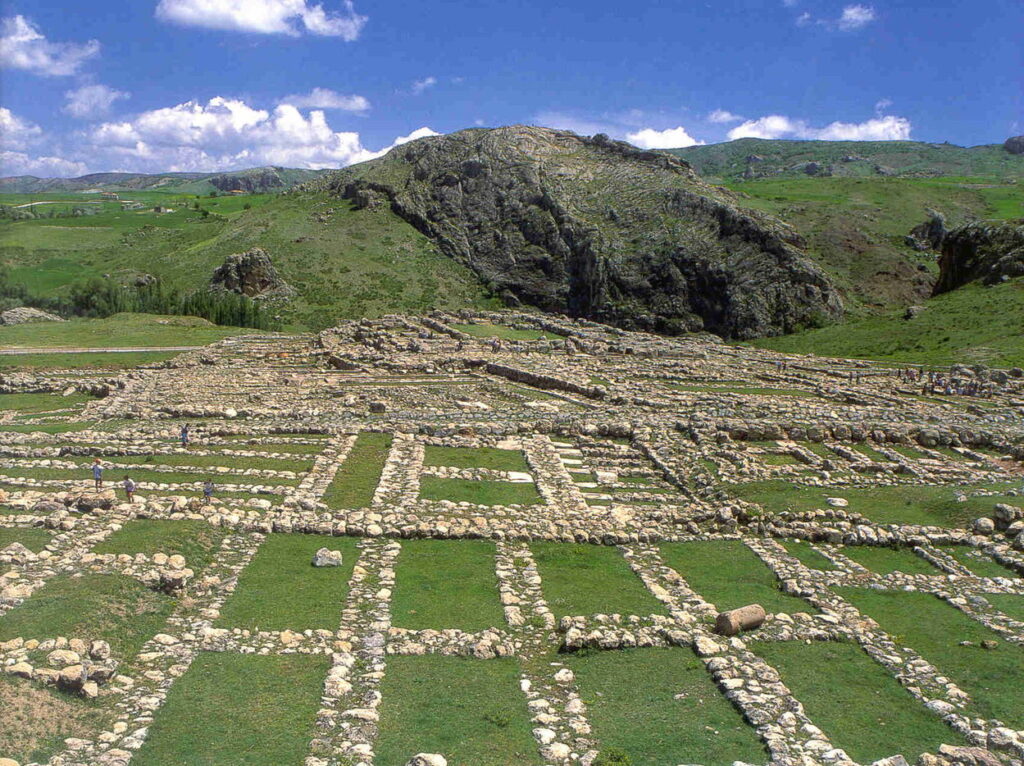
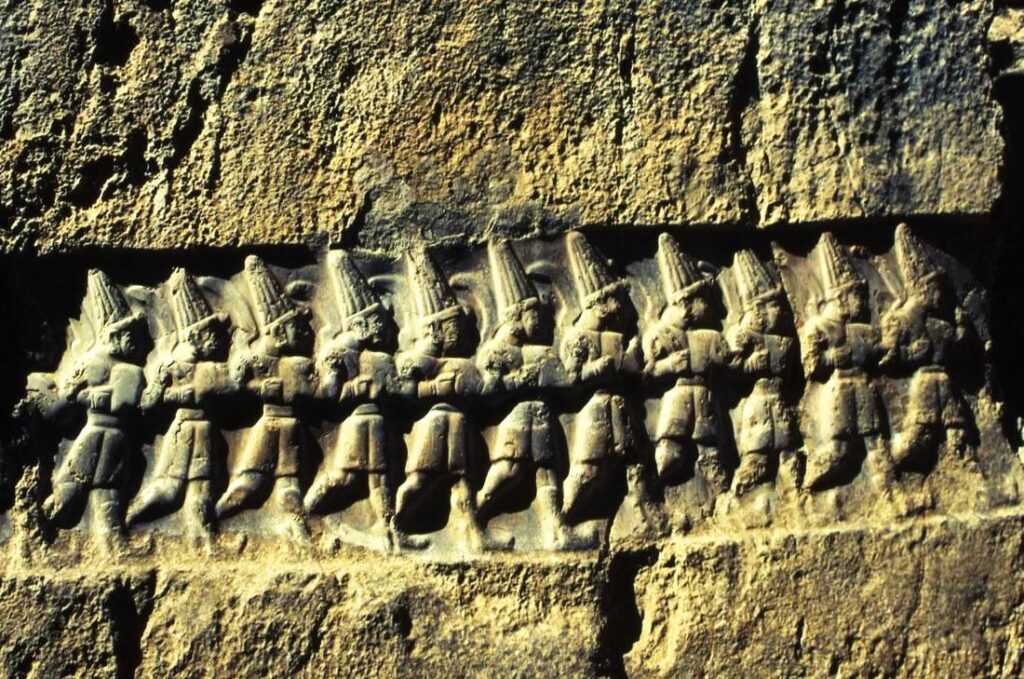
The Hittites, Syria, Iraq, Anatolian geography under their dominance in a short time and settled their own religious culture. Hittites, a polytheistic people, are known as a nation with 1000 gods. They added the gods of the communities they conquered to their own culture.
It is known that the Hittites were a society that interacted with the Sumerians before. One of the written languages they use is Sumerian. They attached great importance to some of the Sumerian gods. The marriages of the Sumerian god and goddess were depicted in the drawings on a vase unearthed during the excavations. It is currently exhibited in the Hittite section of the Anatolian Civilizations Museum. As it is understood from the excavations, various predatory animals such as lions lived in the Anatolian geography. It is understood that even in Central Anatolia, there are full of wild animals.
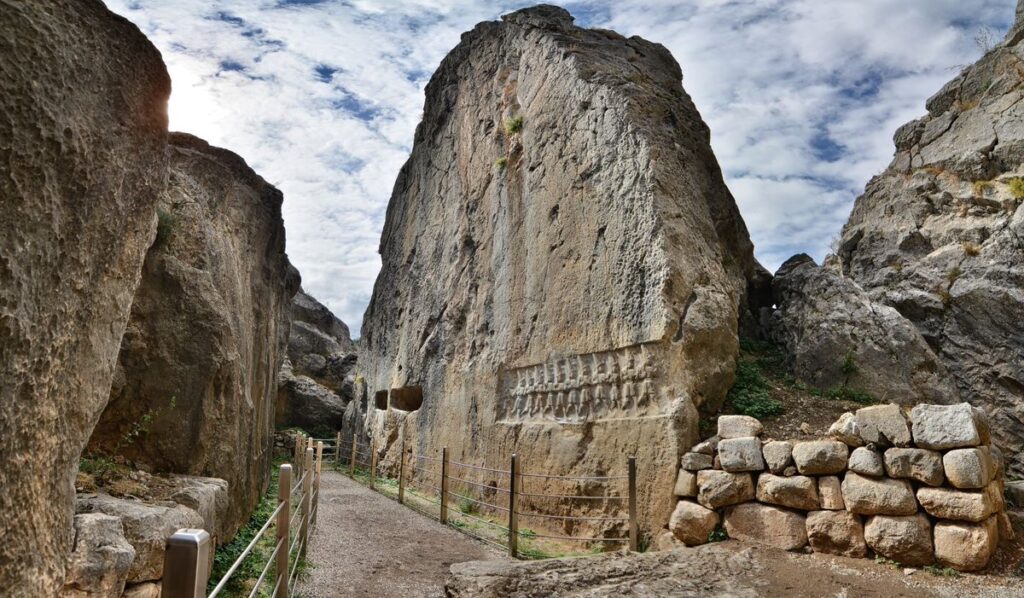
Religious Belief of the Hittites
It is seen that the most important part of the Hittites’ life is their religious belief. At the top of religious belief is the storm god. The Greeks are also known as Zeus, the god of storms. In the Hittite religion, the high priest is the king and it is his duty to administer the ceremonial rites.
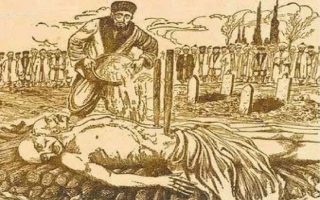
According to the belief in the afterlife of the Hittites, the world of the dead is full of restless, gloomy and mud-eating spirits. When a king dies, he becomes a god. For this reason, the new kings said that instead of my father died, my father became a god. Their funerals are made by dedicating victims to them and cremating their corpses with ceremonies. At the end of the 14-day funeral, the remaining bones and ashes were placed at the head of the large dinner table.
In the great temple of Hattusha, there is a large stone of green color, almost mirror-bright, whose mystery is still unsolved. It is not known what the stone was used for or for what purpose it was placed there, and it just stands in the center of the temple. According to some, the stone is said to have come from Egypt, but no evidence has been found. Touching the stone and making a wish is still an ongoing belief. Many tourists say that they get a strange energy when they touch this stone.
In the Hittites, women played an active role in the social life and in most points they were equal to men. In addition to their practice as a doctor, musician, nun and farmer, their right to divorce and compensation are also legally protected. The Queen is a person who has political power and has a say in the administration of the state.
It is still not known exactly how the Hittites disappeared. In addition, there is no information about where the Hittites came from and why they disappeared for about 3000 years. Mustafa Kemal Atatürk has made great contributions to the research and examination of Hittite history. Atatürk, who found it very valuable that the Hittites were an Anatolian civilization, gave names to many organizations such as Hittite and Eti in order to prevent Europeans from adopting them.