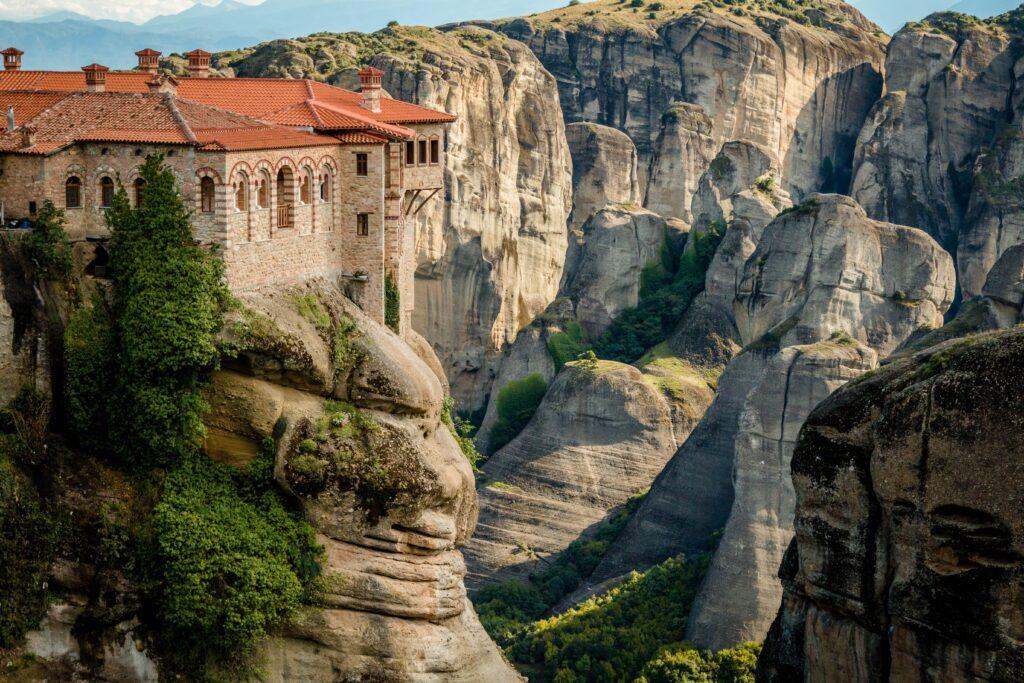
Meteora, the fabulous valley of Greece; it fascinates those who see it. The huge rocks resembling fairy chimneys in the region create a magnificent view. The monasteries built on the rocks look like houses built from the sky. How the monasteries, resembling sheltered fortresses, were built, surprises even scientists. The region attracts great attention by many domestic and foreign tourists. At the same time, many TV series and movies are shot in this region.
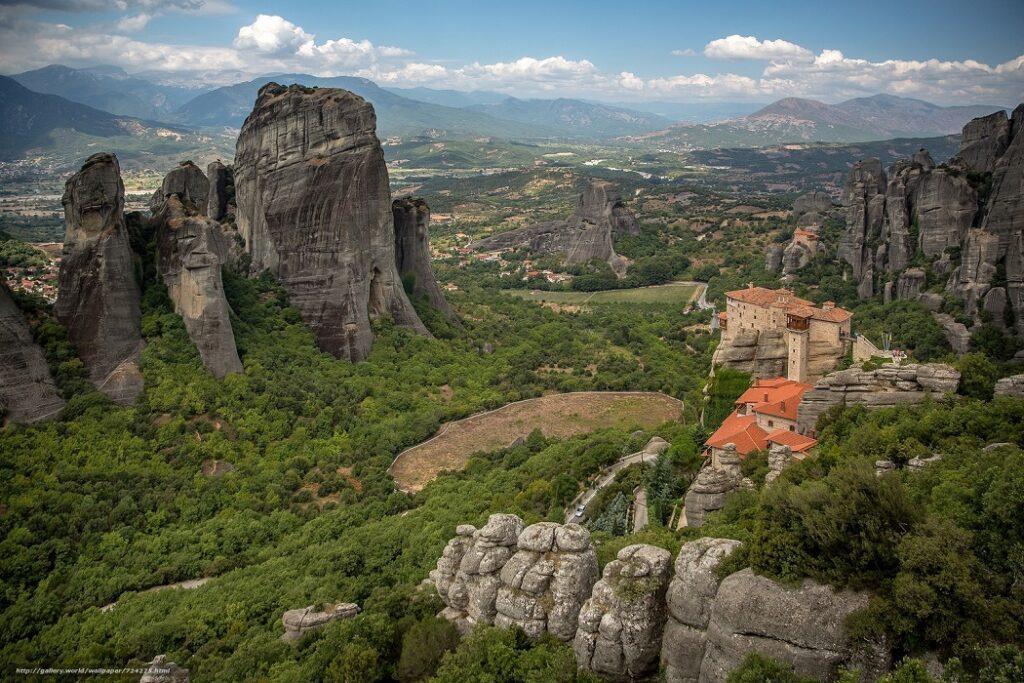
Meteora valley; It is located near the Greek Town of Kalambaka. There are many Orthodox churches and the most important monasteries of Greece in the region. The rock blocks on which monasteries were built sometimes reach 600 meters in height. Meteora literally means “suspended in the air”. Monasteries, which seem to be suspended in the air, have been among the popular places where monks retreated.

Beginning of Monastic Life in Meteora
The construction that started in Meteora first started in 985, when a monk named Barnabas came to Meteora for seclusion. Monasteries began with a small church in the early 14th century, then in 1382 the monk Athanasios had the Great Meteora Holy Monastery built. The number of monasteries increased to 24 over time. However, with the bombing of the region by the German army in 1943, many destructions occurred. For this reason, only 6 of the monasteries have survived and are open to visitors. The monasteries that are open to visit are as follows;
Megalo Meteoro Monastery
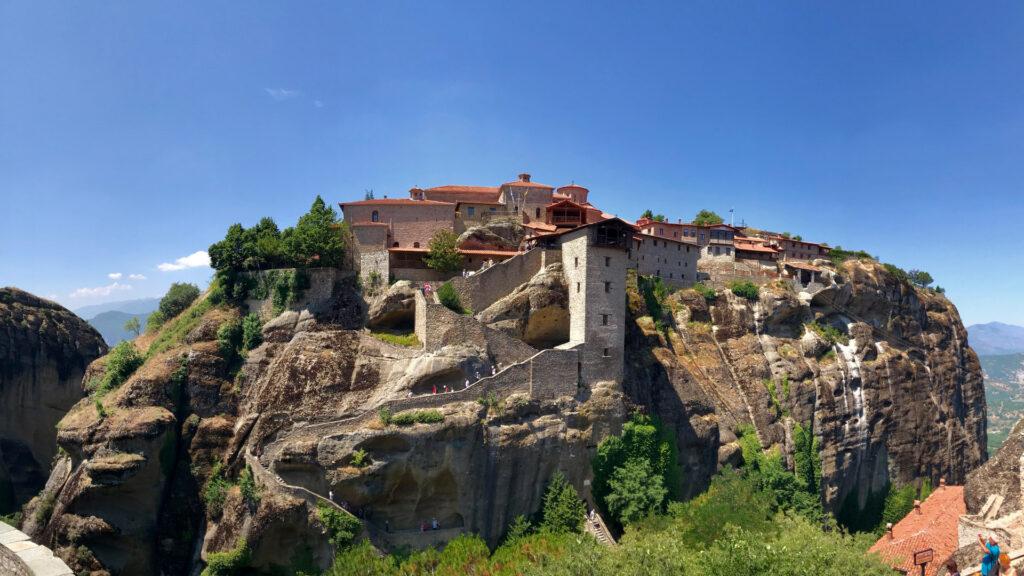
Megalo Meteoro Monastery is the first and largest monastery built in the region. The monastery, built on a huge sandstone tower, is located at an altitude of 623 meters. At the entrance of the monastery, there is a cave known as the place where the monk Athanasios lived before he built the monastery. The tomb of the monk Athanasios is located in the church in this monastery.
Varlaam Monastery

Built in the 14th century, Varlaam is the second largest monastery in the region. The church with 16th century frescoes of Byzantine art is one of Meteora’s most impressive monasteries.
Agios Nikolaos Monastery
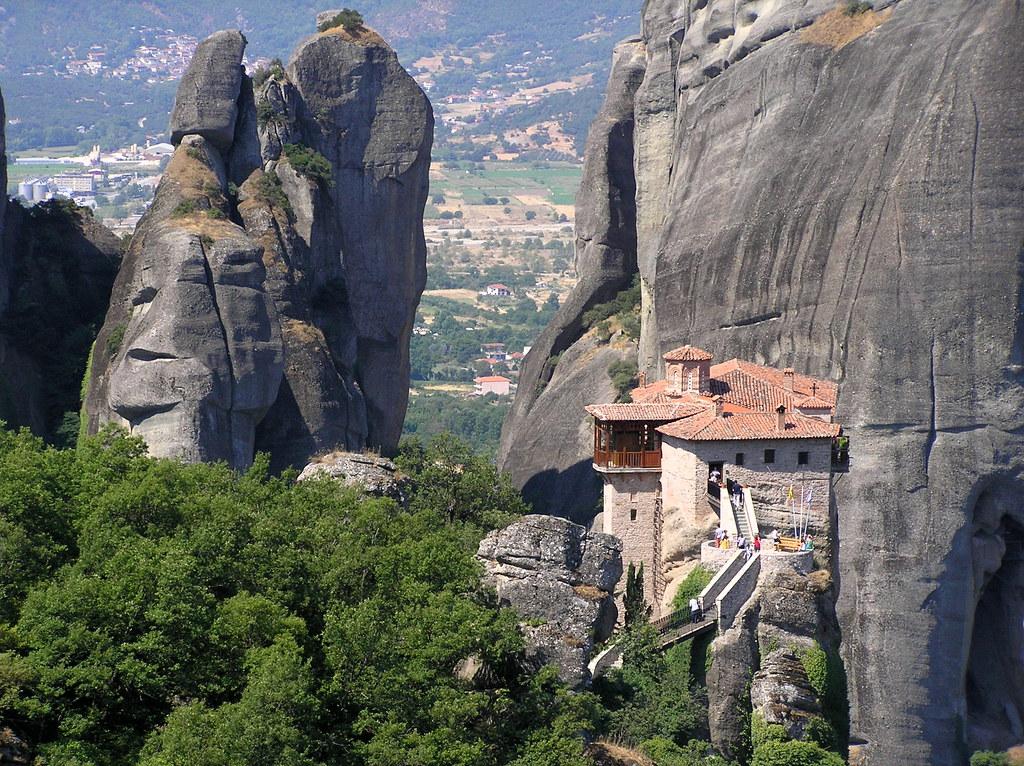
Located at the entrance of the Meteora Valley, the monastery was built in the 14th century. Inside the monastery of St. Anthony’s chapel and 14th-century murals.
Roussanou Monastery
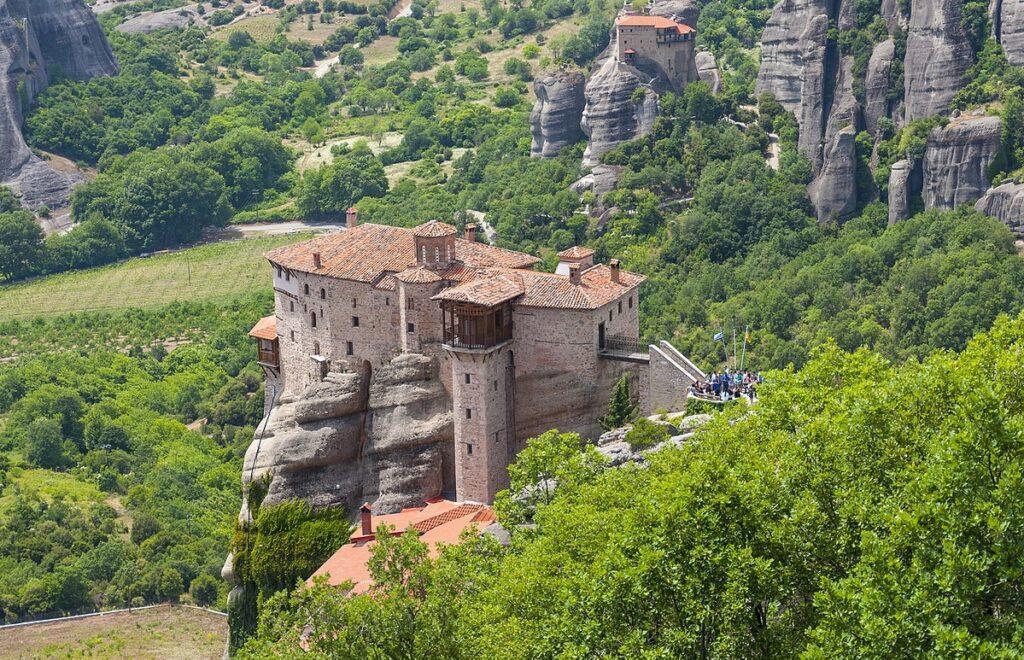
Roussanou Monastery is located on a narrow sandstone tower rising amidst the trees. Inside the monastery, which was built in the 16th century, there are chapels with stunning frescoes. This monastery is known as a monastery run by nuns.
Agia Triada (Holy Trinity) Monastery
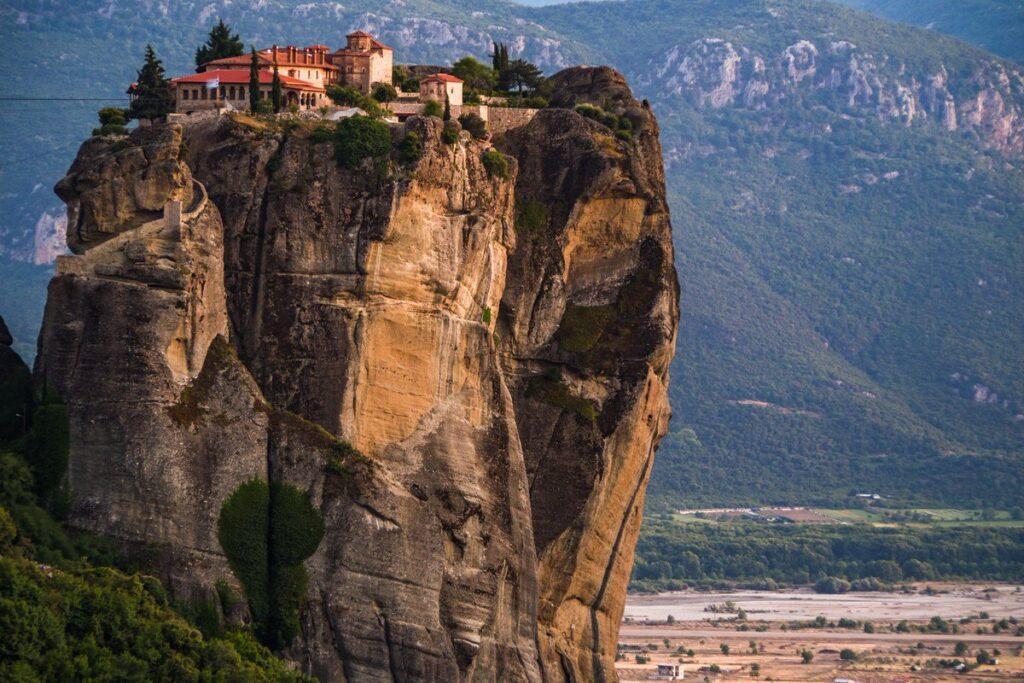
Agia Triada Monastery was built in 1362. To reach the monastery, it is necessary to climb 145 steep stairs after a path. There are murals of 2 monks who lived in the monastery in 1741.
Agios Stefanos Monastery
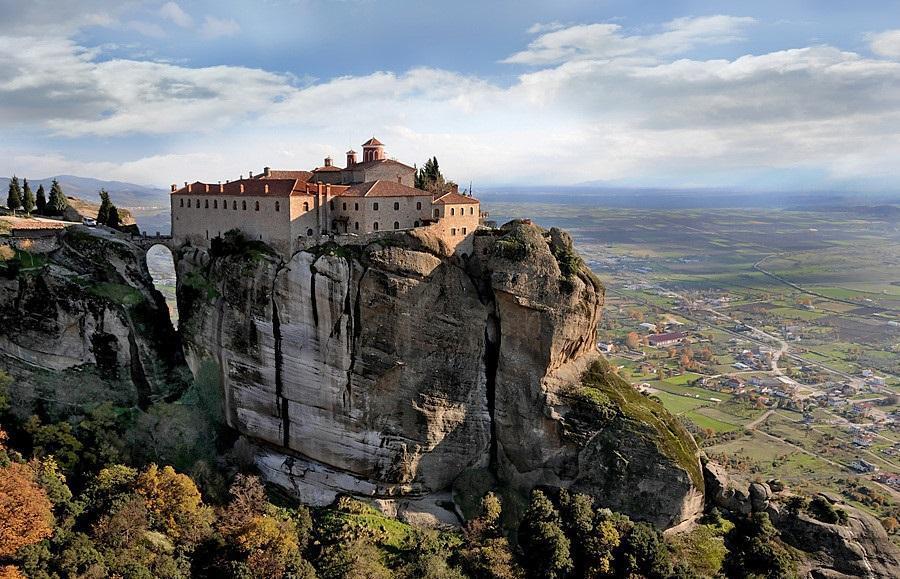
Agios Stefanos Monastery, built in the 12th century, is known as the 2nd monastery ruled by nuns. There are 2 cathedrals in the monastery. One of these cathedrals was built in the 16th century and the other in the 18th century. The cathedral built in the 18th century and is dedicated to Saint Charalambos.
Formation of Rocks in Meteora Region
Located in the west of Thessalia near the Pindos Mountains, this unique region has more than 100 rock pillars, some of which exceed 600 meters in height. Geologists have difficulty in explaining the formation of these unusual geological structures. Because the rock pillars in Meteora are not composed of hard volcanic rocks like fairy chimneys or volcanic chimneys, but soft materials such as sandstone and conglomerate.
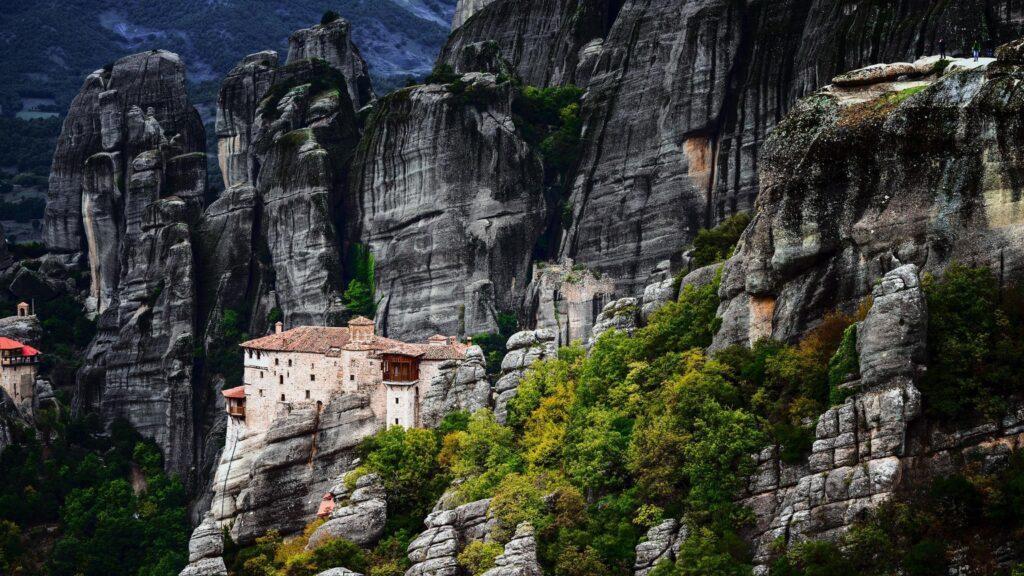
Conglomerate is formed by the combination of stones, sand and mud accumulated over millions of years at rivers and lakesides. Paleogene seismic movements push up the seabed, creating a high plateau and multiple horizontal fault lines within the thick sandstone layer. Later, as a result of water, wind and heat erosion, these huge rock pillars are formed. According to research by geologists, these rock blocks were formed 60 million years ago.