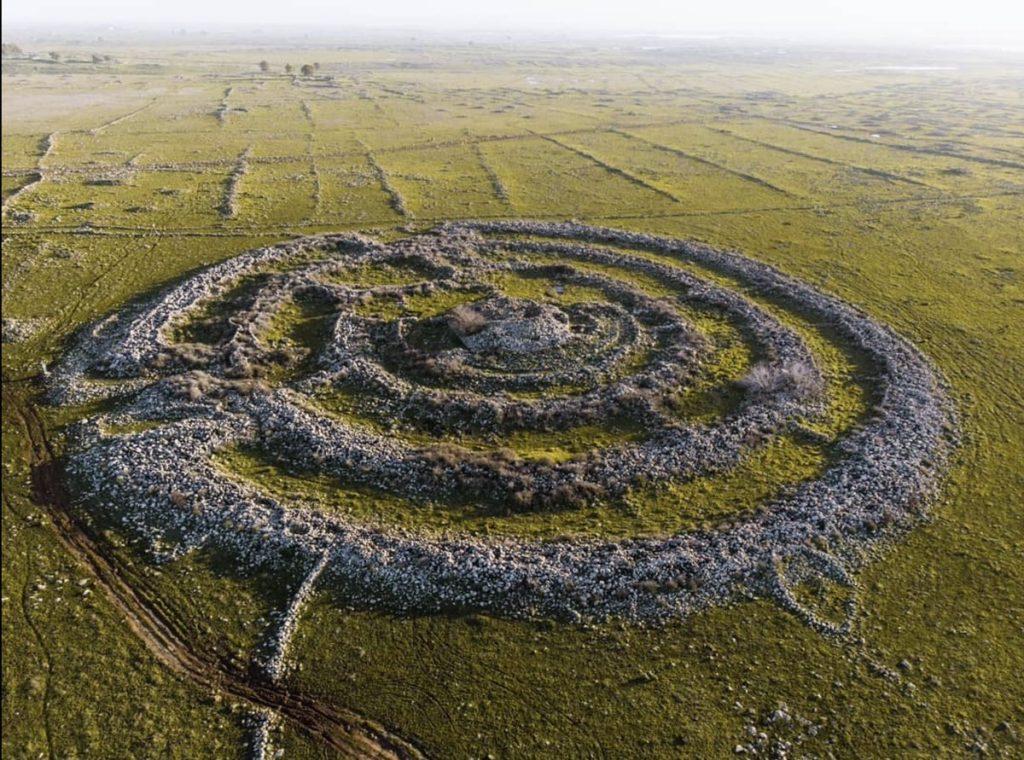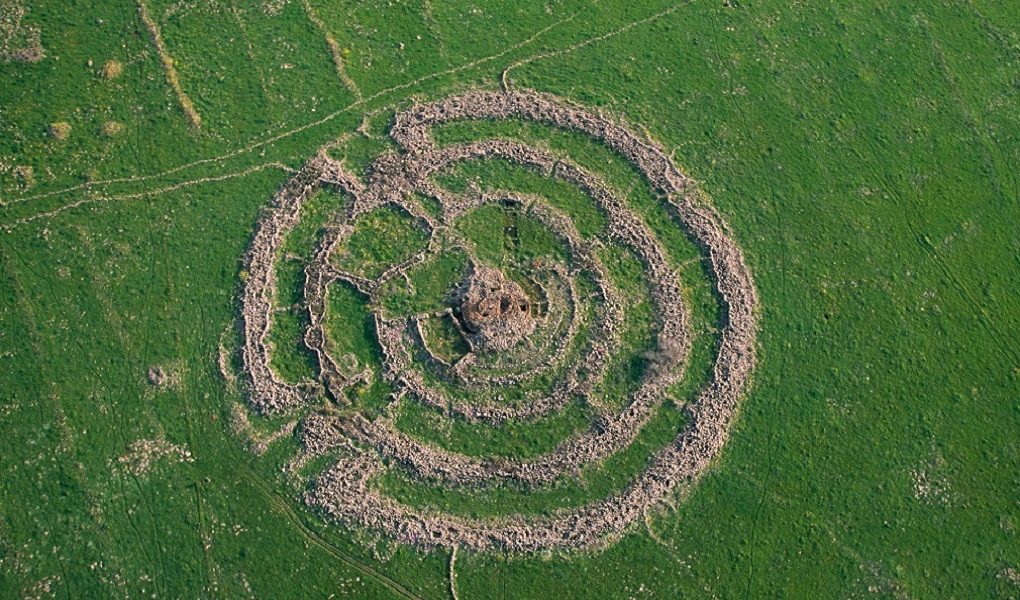
Lipstick El Hiri; It is located in the Golan Heights, between the countries of Syria and Israel. The ancient structure, consisting of 40 thousand basalt rocks, is among the structures whose mystery cannot be explained. The megalithic structure with a tumulus in the center consists of 9 concentric circles. One of the most interesting aspects of this structure is that it does not attract attention when viewed from the ground, and is only visible when viewed from above.
Rujm El Hiri is located about 16 km east of the Sea of Galilee, right in the middle of a large plateau covered with hundreds of dolmens. The building BC. It is estimated that it was built in 3500 BC and its construction took 70 years. Although scientists have emphasized that the structure may be related to astronomy, no evidence has been found to explain the theory.
Research on Lipstick El Hiri
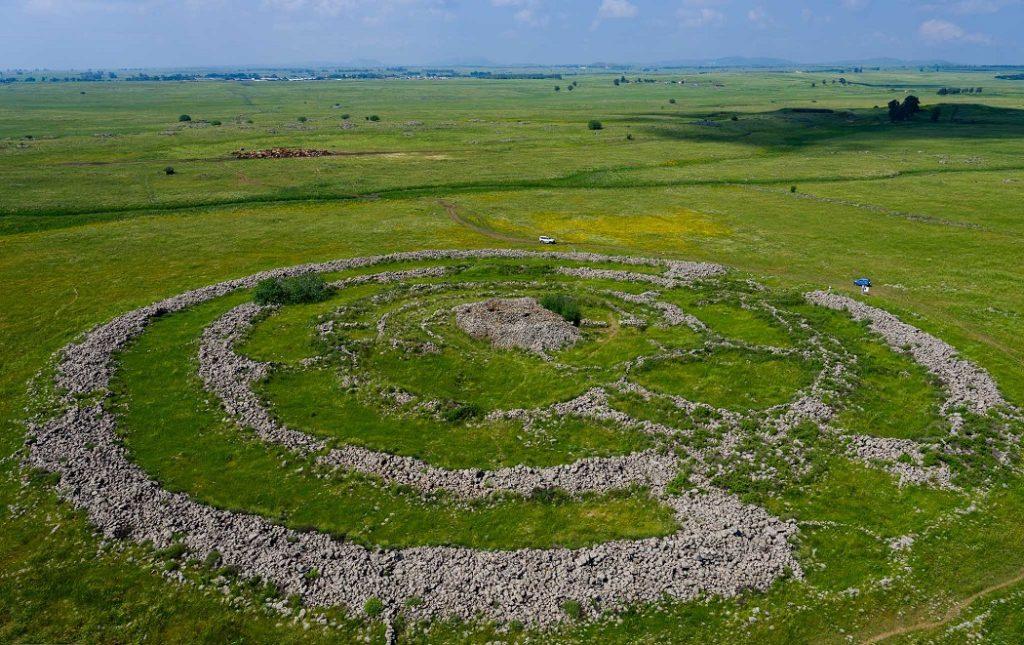
Located in the western part of the historical Bashan plain of the Golan Heights, Rujm El Hiri is the largest ancient megalithic monument in the near east. Since there is no similar structure in the Near East, its function is a matter of debate. The outermost wall of the building, which is 515 meters above sea level, is 160 meters wide and 2.4 meters high. The tumulus in the middle, consisting of an irregular pile of stones, is 15 meters high.
A limited number of potsherds and potsherds were found inside the building and these sherds were used for radiocarbon dating. Recent research on the building, which is thought to have been built in the Bronze Age, dates back to BC. It has been revealed that it was built in the Chalcolithic or Early Bronze Age period around 3500 BC. However, it is not known exactly by whom and for what purpose.
Archaeologist Yonathan Mizrachi and archaeoastronomer Anthony Aveni, who examined the structure, suggest that the structure was an observatory that studied the sky. Studies have revealed new alignments that will make it possible to follow the solstice. It has been determined that the entrance of the building to the center is opened to the sunrise at the summer solstice. The notches on the walls show the spring and autumn equinoxes.
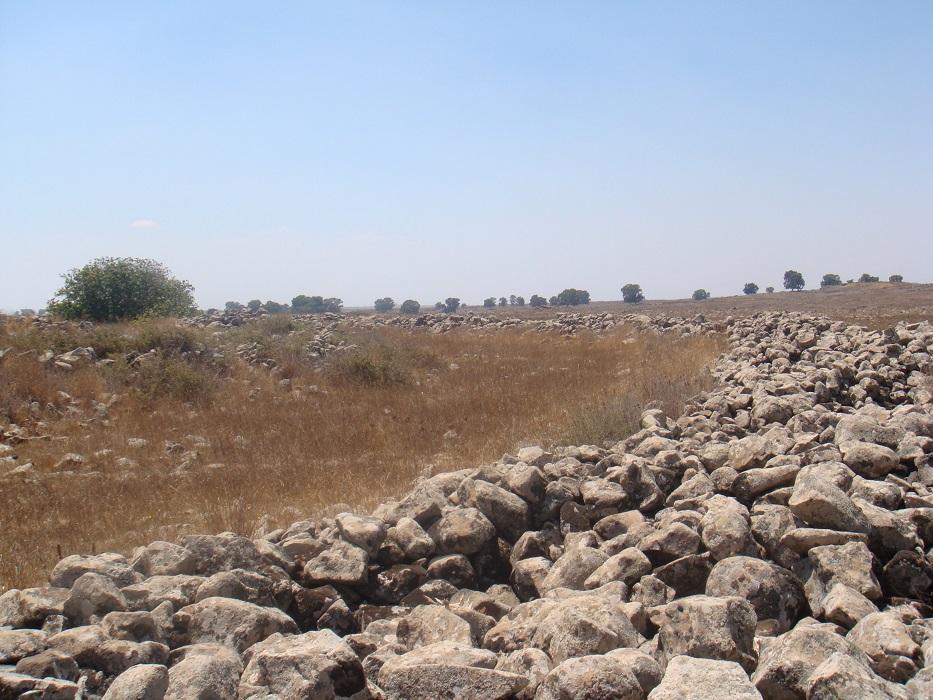
Some of the rings are connected by 36 identical walls at random intervals that make up the chamber. Excavations carried out in the parts thought to be rooms did not reveal any evidence that they were used for storage or residence purposes. Researchers think that the ring-shaped walls at Rujm El Hiri indicate the ascension of the stars. B.C. It is believed that it may herald the rainy season, which was a very important information for the shepherds of the Bashan plain around 3000 BC.
In the 21st century, more extensive studies were carried out in the region, and a report was prepared by researchers Michael Freikman and Naomi Porat. According to the report, it has been determined that there is a Chalcolithic settlement with approximately 2,000 people living in 50 places in the region located within 5 km of the area. A series of large crescent-shaped houses have been found surrounding Rujm El Hiri, but none are in the immediate vicinity of the monument. Calculations of when astronomical alignments match support the dating of the rings.