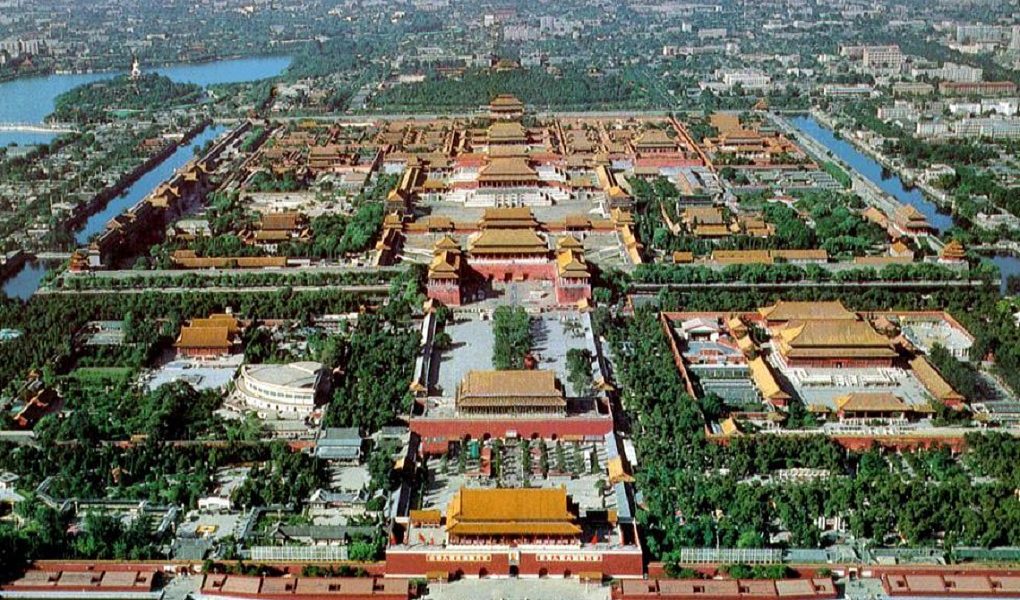
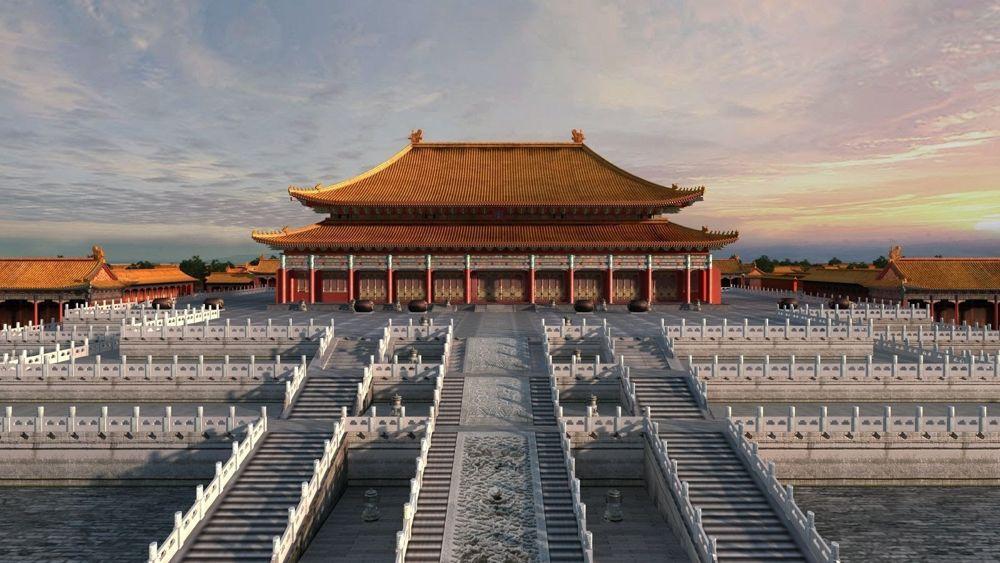
Forbidden City; Located in Beijing, the capital of China, it is one of the largest surviving wooden structures. The city, which is one of the important symbols of China, has a huge surface area of 720 thousand square meters. This building, a palace complex, has been home to the Chinese Empire and the Chinese Dynasty for hundreds of years. It has been strictly forbidden to enter the city, which is currently visited by tourists, for many years.
Built in the 15th century, the palace was completed in 14 years by hundreds of thousands of workers during the Ming Dynasty. There are numerous objects and historical artifacts belonging to Chinese history and culture in the palace. Considered one of the famous works of Beijing, the huge palace has been serving as a museum since 1925. The forbidden city, one of the country’s most magnificent structures remaining from the imperial period, was included in the UNESCO World Heritage List in 1987.
Why It Is Called The Forbidden City
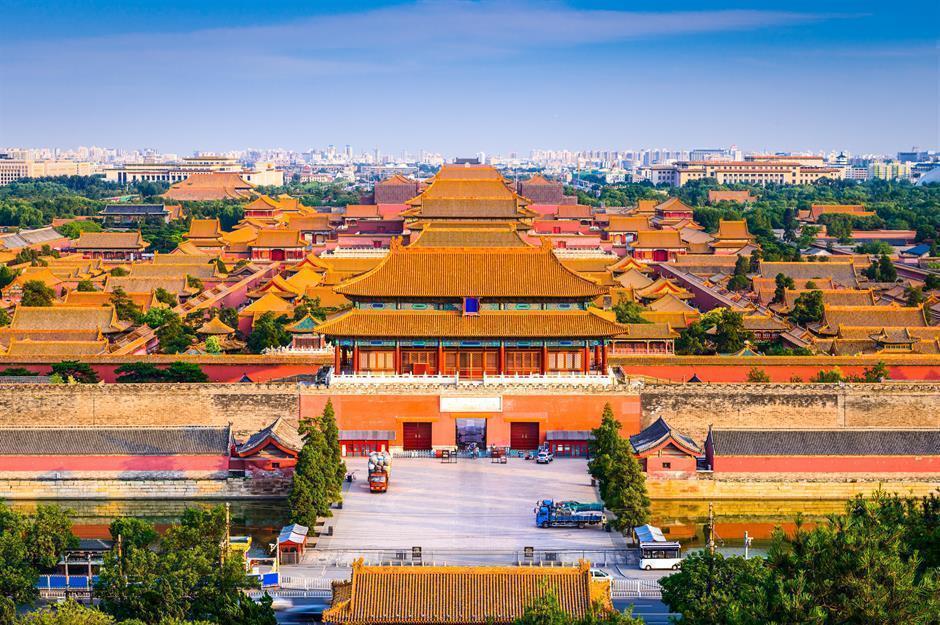
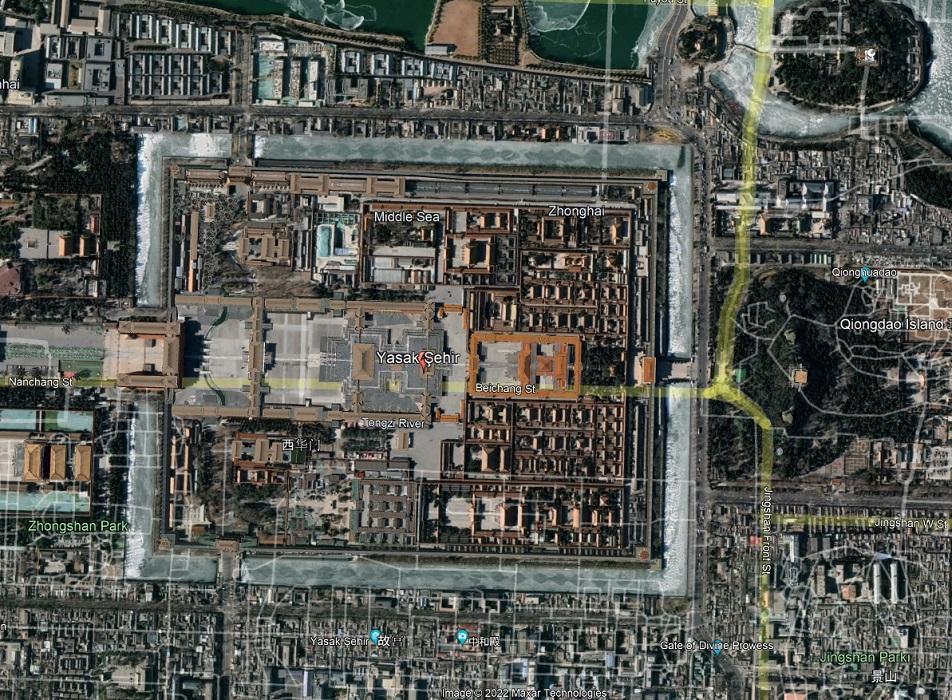
The palace, which is called the Forbidden City in Chinese, has hosted 24 rulers throughout Chinese history. Due to the high-level security measures taken to protect the rulers of the period, it was named the “Forbidden City”. As part of the security measures taken, water channels were built around the city. The depth of these channels, which surround the city, is 6 meters, and their width varies between 30 and 50 meters. Except for the entrance and exit gates of the city, there is no connection with the land.
The floor of the city is covered with stone blocks 1.5 meters long. Thanks to the stone blocks that filled a few meters underground, the enemies were prevented from entering the city by digging under the ground. There are no trees anywhere in the city, except for the sultan’s bath and some parts of it. In this way, the enemies were prevented from entering the city by hiding among the trees.

It was ensured that the rulers rested in a different room every day in the city, and it was not known by anyone except their close guards on which day they slept in which room. Over the centuries, none of the rulers has been assassinated or attacked. The fact that no ruler has lost his life in the forbidden city shows that the high-level security measures taken in the palace were successful.
For hundreds of years, the way to enter the forbidden city was to be a government official. These people, who are subjected to very special exams and evaluations, can enter the city and start their duties if they are successful. The officials, who were not allowed to walk freely all over the palace, continued their lives only in their own duty areas. After the collapse of the empire, the city and hundreds of thousands of works of art were opened to the world.
Interesting Features of the Forbidden City
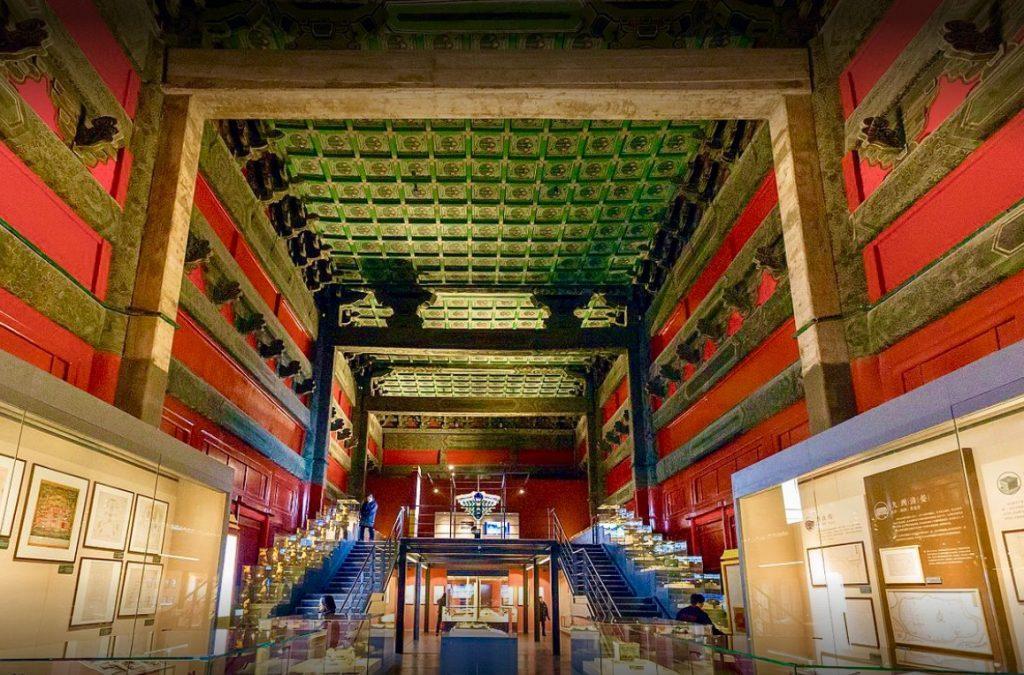
The materials used in the palace, which was built by millions of workers, were brought from all over China. Apart from wooden materials, tons of stone blocks were brought from other parts of the country by ice sleds. The palace consists of 980 buildings with 8,707 rooms.
Surrounded by water channels, the palace has four main gates: east, west, north and south. The Meridian Gate on the south façade was used only by the emperor. The palace is surrounded by giant walls reaching 8 meters. At the corners of the walls, there are watchtowers with permanent guards.
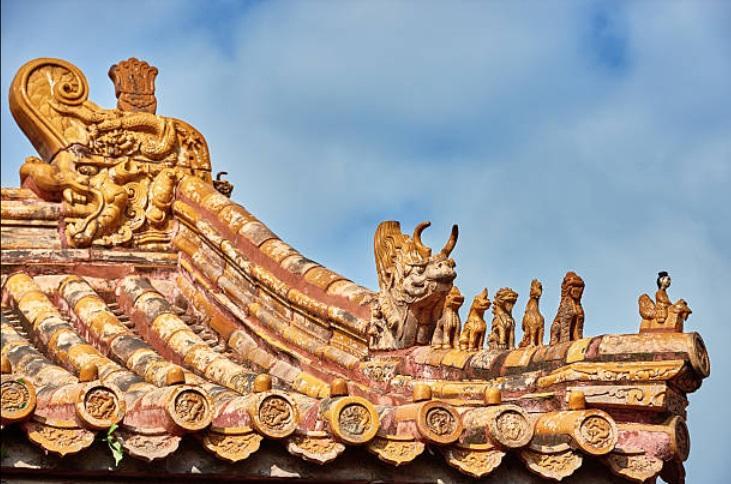
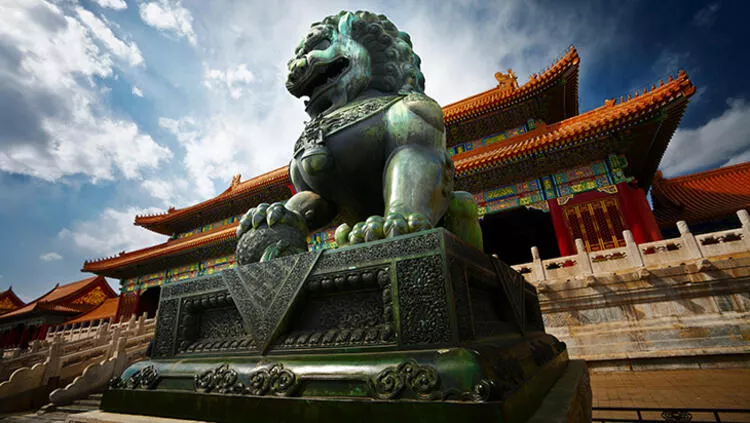
It is possible to see the legendary dragon figure of China, which is considered a symbol of power and status, all over the palace. There are also different animal figures on the roofs of the buildings in the city. The number of animal figures on the roofs of the buildings varies according to the rank of the monarch, queen and state officials. There are 10 animal figures on the roof of the building where the monarch is staying. This number decreases with rank. There are over 1 million historical artifacts in the palace, where dragon and lion figures are dominant.