The Battle of Çanakkale, which has a great importance in terms of Turkish and world history, is one of the greatest epics written by the Turkish nation in history. Çanakkale Battlefields and Martyrs’ Cemeteries is a highly visited region. The Gallipoli Peninsula is a geography that not only Turks but also all participating countries attach importance to. It has a special position for the Ottoman Empire, where defense was given the most importance and only one of the 9 fronts it fought resulted in victory. Thousands of books have been written about the Dardanelles War, and this victory has become an epic and a story passed down from generation to generation.
Every inch of land has a bloody past in the wars on the Gallipoli Peninsula. The claim that the 4th Norfolk Battalion from England in this region disappeared into a large cloud mass at Anzac Cove has been debated for hundreds of years. It was claimed that the 4th Norfolk Battalion of the British Royal Army, which participated in the war on the Gallipoli Peninsula, disappeared in a large cloud mass on the 60th Hill in Anzac Cove on 12 August 1915, and this event took place in various history books after the war. .
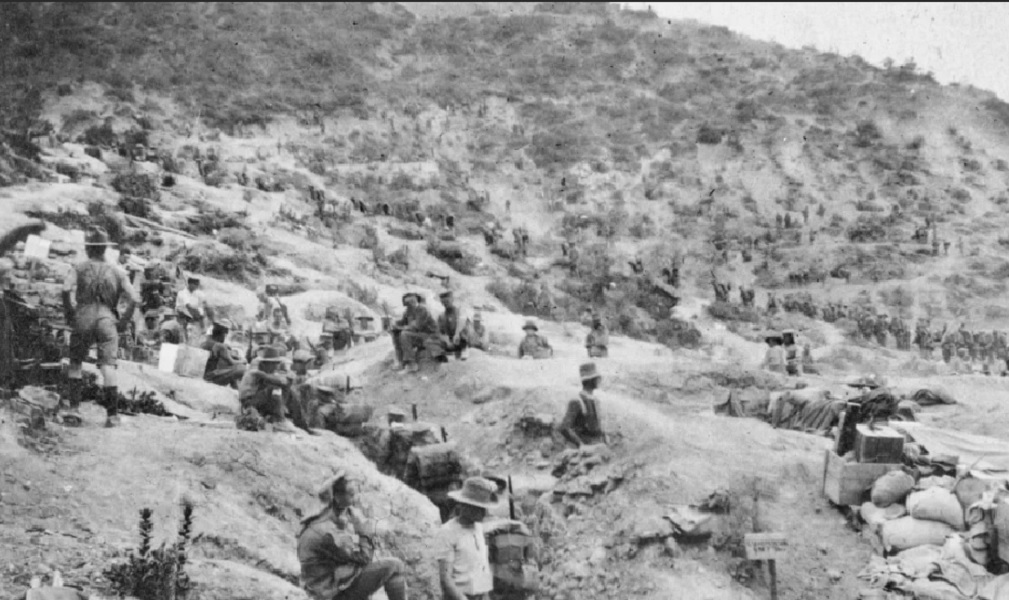
History of the Norfolk Battalion
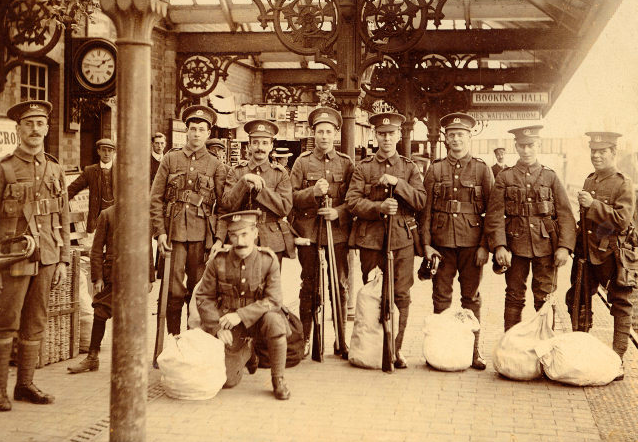
In England, the 5th Norfolk Battalion was formed immediately after mobilization was declared on 4 August 1914. This battalion met with 3 other battalions to form a brigade of the East Anglian Division at Colchester on 17 August 1914. The other battalions were the 4th Norfolk, 4th Suffolk and 5th Suffolk battalions. Colonel Sir HGP Beauchamp, who had previously served in Sudan and South Africa and retired from the army in 1906, was appointed head of the battalion. Colonel Beauchamp, who was called up again with the start of World War I, became the head of the 5th Norfolk Battalion.
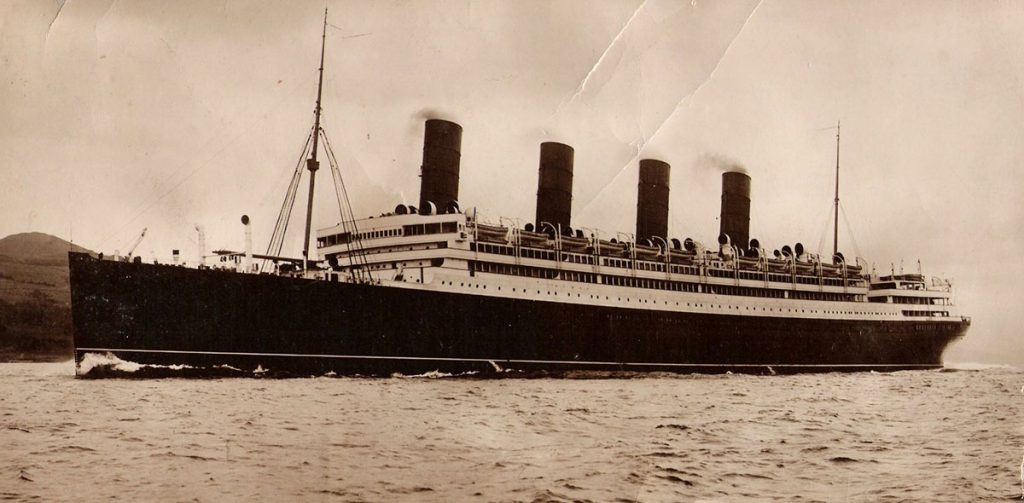
The Norfolk Battalion included staff from the Royal Sandringham Estate and were well known to the royal family. Initially organized as 8 companies, the battalion was later reorganized into 4 companies and C Company consisted of personnel such as gardeners, cooks and butlers working at Sandringham Estate. Captain Frank Beck, a close friend of the king, commanded this division. On 29 July, the Aquitania Transatlantic, carrying Brigade troops, departed from Liverpool for Gallipoli.
What Happened in the Battle of Çanakkale
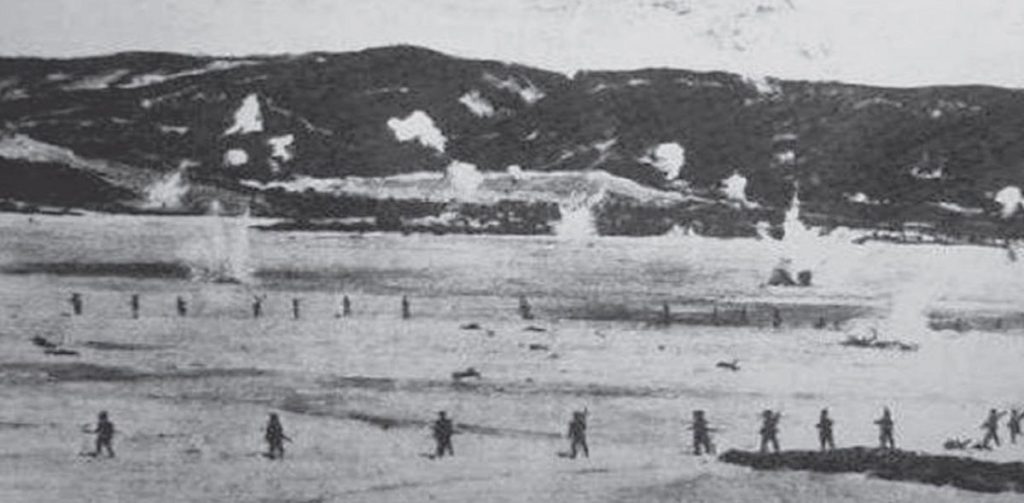
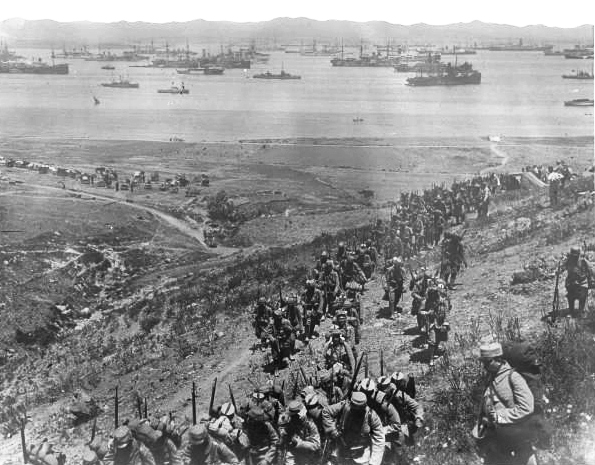
The Norfolk regiment was a fresh unit, still inexperienced at the beginning of the war, and they were unaware of what they would encounter in the Dardanelles. At the beginning of the war, the camp, which was set up close to the beach, was under the influence of scorching temperatures and salty air. The enemy’s artillery and rifle attacks were coming from the hills in the north. On 10 August, the Norfolk regiment, which landed at Suvla Bay, was surrounded by the enemy troops around them and suffered heavy losses while fulfilling the duties assigned to them. This event was one of the biggest disasters in the Dardanelles War and hundreds of soldiers lost their lives.
Sir Hamilton planned a rapid attack on Tekke and Kavaktepe on the night of 12 August. The 54th division, including the Norfolk brigade, would advance to the side of the hills to prepare to attack at dawn. However, a Norfolk division set out as a vanguard, with the suspicion that Turkish soldiers were lurking in the Küçük Anafarta Plain. Most of the British division remained under heavy machine gun fire. However, the 5th Norfolk battalion on the right continued to advance as it faced less resistance.
Meanwhile, 22 soldiers from the New Zealand field unit observed many soldiers from the 4th Battalion of the Norfolk regiment walking towards the opposite hill. The peak of the hill was covered with a loaf of white cloud. The British soldiers slowly reached near the hill and disappeared into the cloud. After the last soldier had also entered the cloud, the cloud slowly took off and moved in the opposite direction of the wind, as if he had surrendered his load. Moreover, in the sky, 3-4 clouds similar to this cloud seemed to be standing still under the influence of the wind, almost escorting the other cloud.
Commander Hamilton’s Story
Commander Hamilton, in a telegram he sent to the British Minister of War Lord Kitchener, described the following incident during the Battle of Gallipoli: While the 163rd Division gained the upper hand with the weakening of the Turkish forces, Colonel Sir H. Beauchamp, as a brave and confident officer, advanced with great effort and fought the war. This is how the hardest part started. The struggle had escalated.
However, with the Colonel’s advance, many soldiers were injured and dehydrated. These soldiers were able to return to the camp only at night. The colonel, with his 16 officers and 250 soldiers, continued to advance on their enemies. Afterwards, no news was received from these soldiers. After attacking the woodland, they disappeared and their voices were not heard. None of them returned, and 267 people disappeared without a trace.
Final Report of the Gallipoli Board
The unsuccessful advance resulted in the loss of the battle that began that afternoon and destroyed Sir Ian Hamilton’s hope of turning the war in his favour. Thus, at the end of 1915, the Allied Forces retreated and suffered a major defeat. The Battle of Gallipoli lasted for 8 and a half months and resulted in the death of 46 thousand soldiers. For those times, that was a terrible number. In 1916 the British government appointed an official board to investigate the reasons for the loss of the war.
The report titled “The Last Report of the Gallipoli Council”, published in 1917 and later reprinted in 1919, was subject to censorship and control. However, the true origin of the report was not revealed until 1965. At the end of 1918, the British returned to Gallipoli as if they had been victorious in the Battle of Gallipoli. While wandering the battlefield, an occupying soldier found a badge of the Royal Norfolk Regiment. As a result of the investigations, it was revealed that a Turkish farmer found a lot of corpses on his land and dumped them in a nearby stream.
Statements Published in New Zealand UFO Magazine
According to statements published in a New Zealand UFO magazine in 1965; 3 ANZAC veterans described an incident on 12 August 1915. According to the testimonies, although there were no clouds in the sky in the early hours of the morning, a cloud cluster in the form of six or eight loaves of bread was seen over Hill 60. Beneath this cloud cluster, there was another cloud above the ground. This cloud was about 250 meters long, 60 meters wide and 65 meters high. The cloud was quite dense and had a structure like solid matter. The cloud was 900-1100 meters away from the battle positions where the British were located.
22 soldiers in the 3rd Division of the Field Union of the New Zealand continent stated that they saw this incident. Since their location was 90 meters higher than the 60th Hill, they could observe the event from above. They said that when a cloud moved towards a dry creek bed called Kayacıkdere, they could see the ground exactly below the cloud. The cloud was light gray in color, similar to the other clouds. The British 4th Norfolk Battalion advanced towards this cloud and entered it. However, no one came out from the other side of the cloud. Veterans said that by getting into everyone, he became invisible. The cloud rose slowly, and when it was level with the other clouds, they all began to move away to the north. At last they disappeared in the direction of Thrace. The soldiers who signed the statement declared that the incident they told was completely true.
According to some, this event is real, according to others, it is nothing more than a rumor. However, the fate of the British soldiers who took part in the Dardanelles War remains uncertain. Neither records of their captivity nor documentation of their deaths are available on either side. This event is one of the mysterious events that took place during the Dardanelles Wars and cannot be explained concretely.