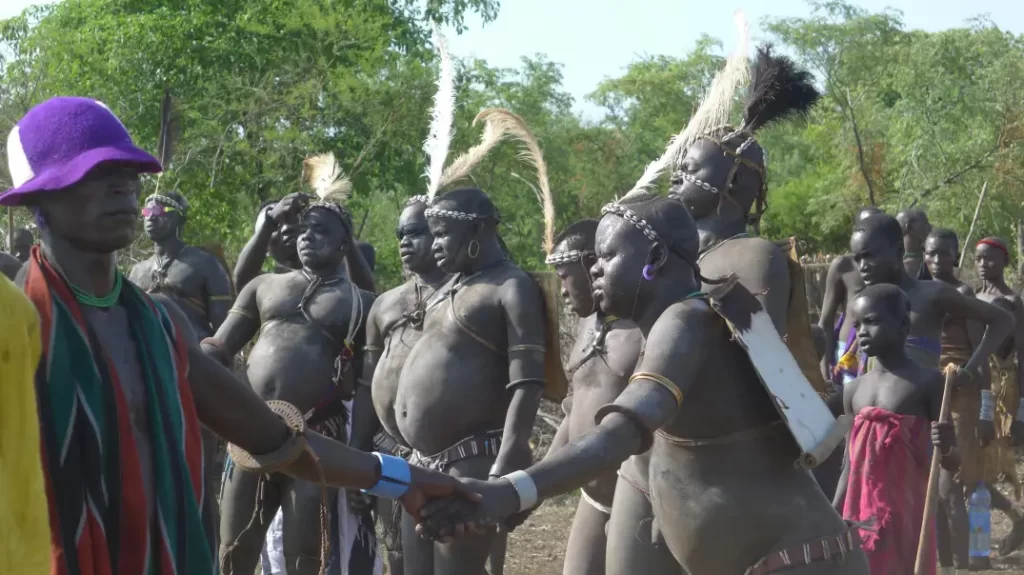
In the valley around the Omo River in East Africa, many small communities, namely tribes, live with interesting traditions. These tribes, who are far from technology and continue their lives independently from the world, have extremely interesting and strange traditions. It is impossible to understand why and how some of these traditions were made.
Tribes show many differences among themselves in terms of tradition. The clothes that the tribes wear, their body make-up, hair styles and the jewelry they use attract a lot of attention. These tribes and their life in the Omo Valley are on the UNESCO World Heritage List. Tours are organized to visit the valley where nearly a hundred tribes live.
Mursi Tribe
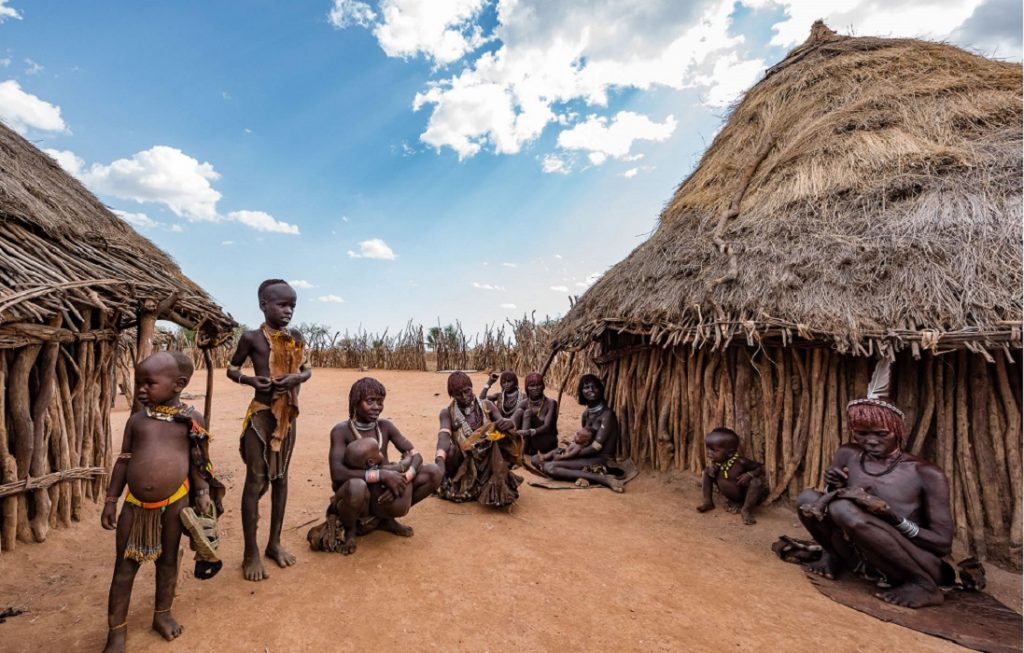
Mursi Tribe; are among the most popular tribes found in the valley. Approximately 7500 Morsi people live in the national park. One of the most important features that distinguishes this tribe, which lives on agriculture and animal husbandry, is the plates or plates on its lips. These plates are first worn by young girls at the age of 15 or 16. Plates are placed in a hole drilled in the lower lip. The size of the plate size shows the value of the woman. The larger the plate on the lip, the more bride price the woman receives. These plates are usually made of clay or wood.
One of the most important traditions of the tribe, which cannot tolerate the crying of women, is to be beautiful and attractive. While women draw patterns on their bodies with razors and similar things, men make patterns with paint and lime. The union of men and women is evident in the competition to be held between men. The 2 men who come face to face fight with a stick called donga in their hands. The man who wins the fight is sent among the women and married to a woman he chooses.
Arbore (Erbori) Tribe
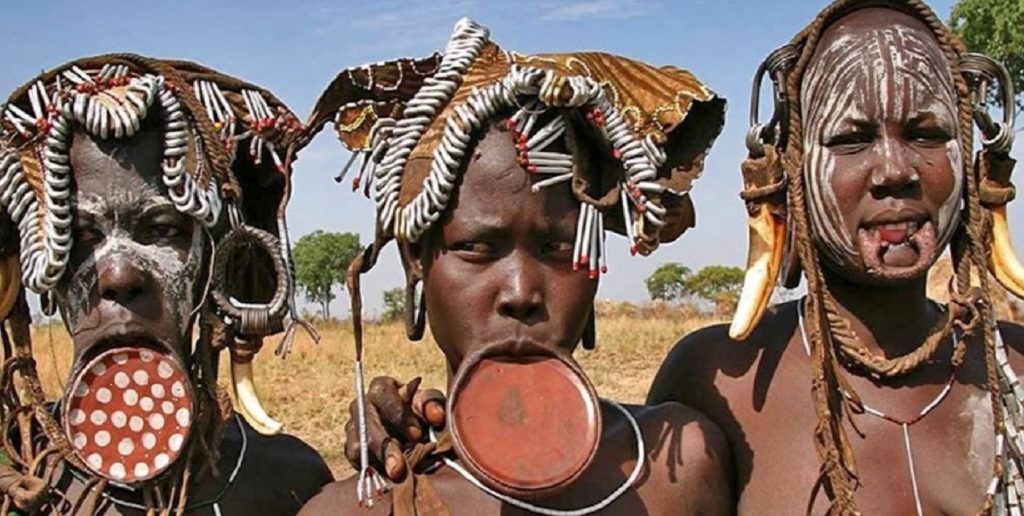
The Arbore Tribe, living in the south-west of the valley, is one of the tribes that attracts a lot of attention with their dance, dress and traditions. The people who accepted Islam adapted their religion according to their way of life. Contrary to Islam, even the women of this tribe, who live naked, do not cover their upper parts. They even wear flamboyant beads around their necks to be more eye-catching. On the lower parts, they wear skirts or similar clothes made of animal skin with bead embroidered edges.
To distinguish between married and single women, single women shave their hair. Married people decorate their hair by growing it. Necklaces and similar jewelry are of great importance to the Arbore tribe. In a polygamous tribe, the first wife wears a thin necklace, while the second and third spouses wear larger necklaces. The tribe, which uses barter in trade, is engaged in farming and animal husbandry as a source of livelihood. In the Arbore and Konso tribes, which are considered relatives, women are circumcised after marriage. They give importance to songs and dances as a common point. Dance has a very important place in these tribes. Dances performed by feeling and experiencing the music are a tool that enables them to express their emotions freely.
Hamer Tribe
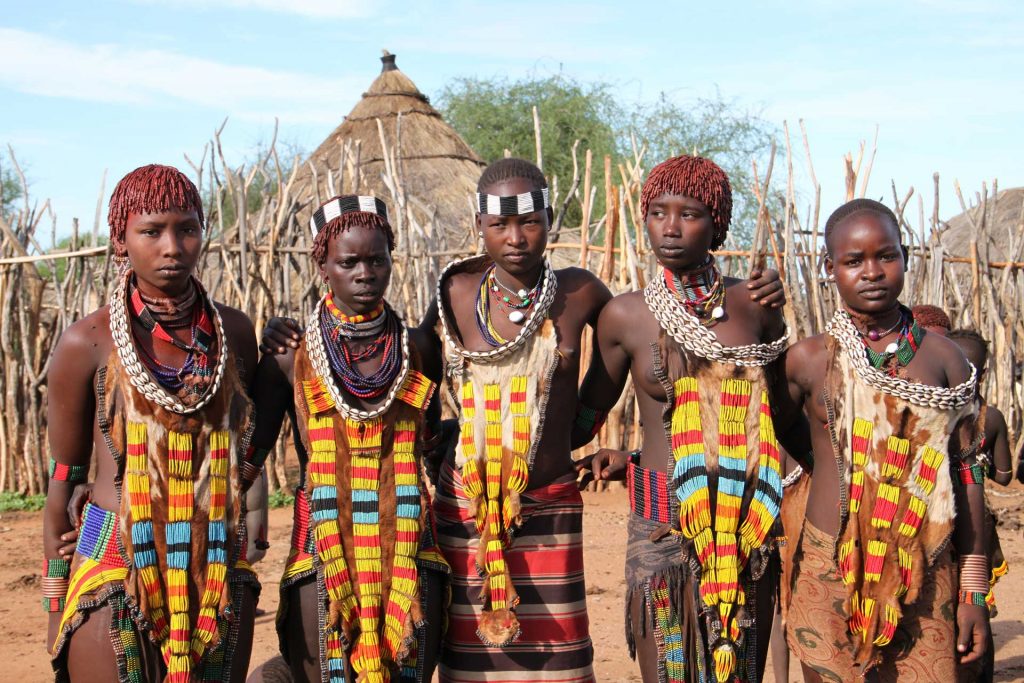
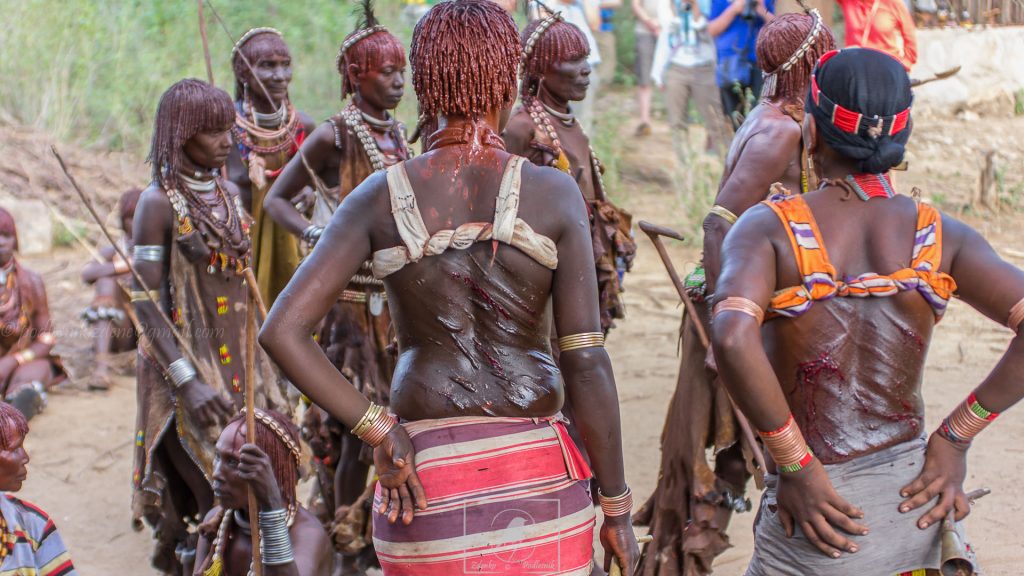
The Hamer Tribe, which consists of approximately 50 thousand people, differs from other tribes with their remarkable clothing styles. The women of the tribe attract attention with their flamboyant copper-colored hair. After applying red clay to their hair, they regularly apply butter and keep the hair in the form of a mold. Women whose upper parts are bare as clothing, tie colored fabric up to their waist. There are flamboyant necklaces and bracelets around their necks.
Men, on the other hand, make their hair into a bun and apply butter and freeze it. The different colored feathers they wear in their hair are their pride. Polygamy is accepted in the tribe. Men and women in the tribe are circumcised before marriage. The tribe, which adopted Islam, maintains most of the mystical beliefs of ancient times. They believe that inanimate objects have souls and supernatural phenomena such as ghosts and jinn. Shamanism has more influence on religious ceremonies.
With the bull jumping ceremony held in the tribe, the strength of the men proves. Men who are of marriageable age and want to achieve a certain status participate in this ceremony. Women dance to the accompaniment of songs. In order to give morale to the man jumping over the bull, a woman from his family is whipped. Since the whipping process represents honor and power in women, the more whip marks on her back, the more value and respect the woman is. The couples getting married drink a mixture of cow’s blood and milk. The Benna Tribe, which is known to be related to the Hamer Tribe, is the same in terms of tradition and customs.
Tile Tribe
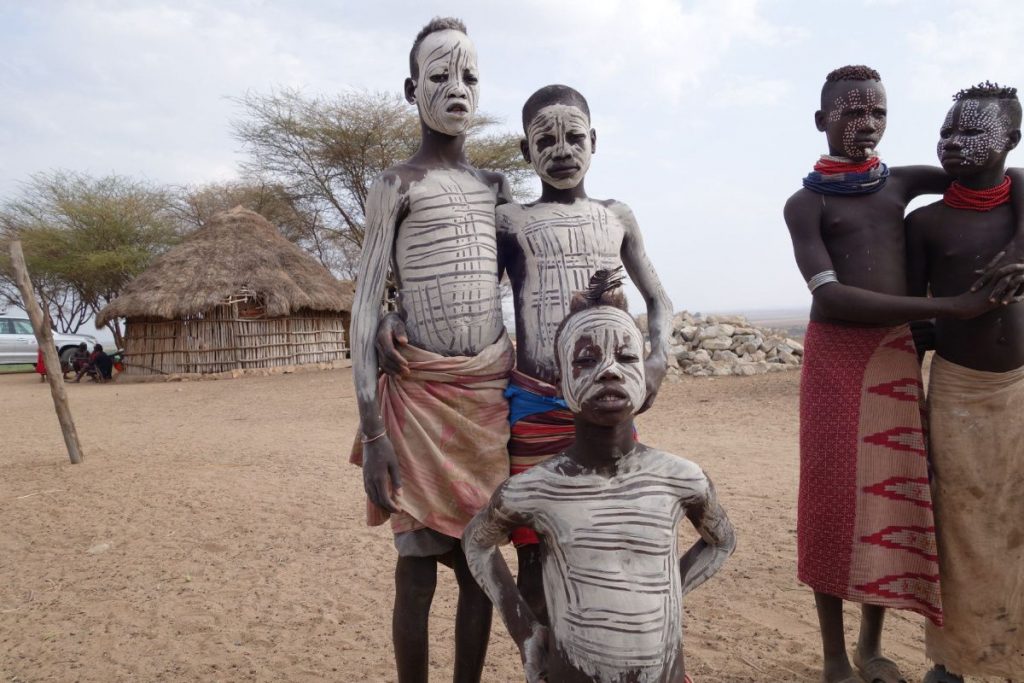
It is one of the least populated tribes among the Omo Tribes. They usually keep small cattle and are engaged in agriculture. As in other tribes, women in the Karo tribe wear open tops and leather skirts. The most distinctive feature is that they pierce their jaws and insert colored sticks into these holes. Feathers on the hair and scratches on the body are considered to be an indicator of the social status of victory. The tattoo, which is made by removing the skin with a razor and putting ash under it, is quite common among the tribe. In order to bring young couples together, dance ceremonies are held during the full moon. Tribal men and women paint their bodies by drawing different patterns.
Aryan Tribe
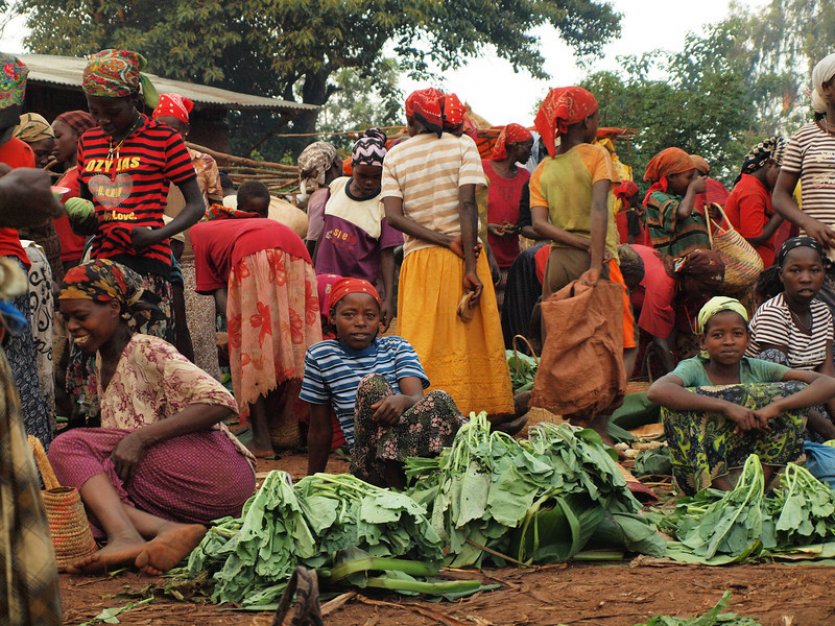
The tribe, which has huge herds and fertile lands, lives in the north of the Mago national Park. In general, the people of the tribe have iron jewelry on their faces. The Ari tribe lives in better conditions than other tribes. It is a tribe that lives in a more clothed state.
Bodi (Me’en) Tribe
The tribe living near the Omo River makes a living from agriculture and animal husbandry. They grow plants such as mais, coffee and sorghum. While men use thin cloth or fabric for their lower parts, women wear skirts. The tribe that wears jewelery on their ears, paints their body just like other tribes.
The Bodi tribe has a very important tradition that distinguishes it from other tribes. Young men race in a ceremony they organize. The rule of this race is to be overweight. The most consumed products of the tribe are honey and milk. In order to win the race held in June, men try to gain weight by drinking cow’s blood and milk for 6 months. Among the tribe, an overweight man means a handsome man. A title is awarded to the winner of the competition.