
Yom Kippur, which is the most sacred holiday of Judaism, is the “atonement and repentance Day”, for thousands of years by the Jewish community has been spent with spiritual purification, prayer and fasting. This day, which is declared sacred in the Book of Levites in the Torah, coincides with the 10th day of Tişri and is a deep internal reckoning time for the forgiveness of the sins of the past year.
In 2025, Yom Kippur started with Wednesday, October 1st and ended on Thursday, October 2. Normally, on this day, which is the symbol of peace, silence and purification, prayers rise in the synagogues, this year the bloody face of the war fell to the shadow of holiness. Israel did not stop the attacks despite Yom Kippur’s spiritual atmosphere; He raided religious areas in Palestinian territory, echoing the sound of the sky bombs.
In this tense atmosphere, set out to bring humanitarian aid to Gaza “Sumud Fleet” It was also the target. Barış Volunteers in the fleet, who tried to carry only help in an innocent way were detained. All these experiences, Yom Kippur’s essence calling for peace while presenting a tableHe once again revealed that the war was no longer silent on the holy days and that even humanitarian initiatives were prevented.
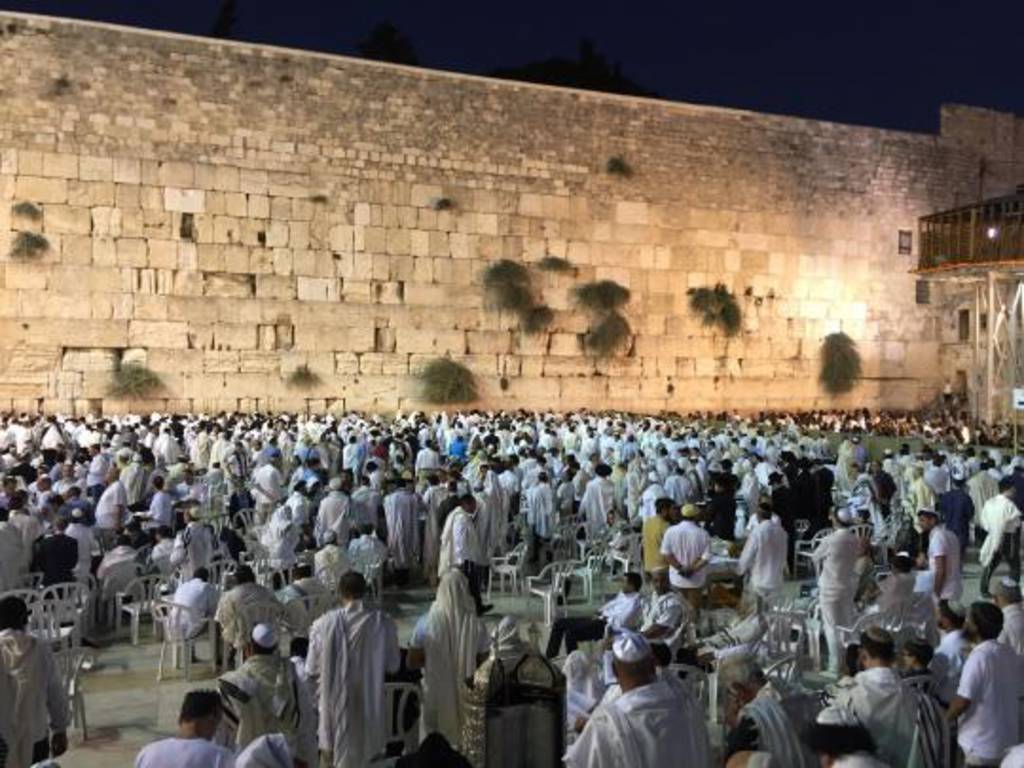
What is Yom Kippur?
Hebrew “Yom Kippur” (Day of Atonement) This holy day, called, is one of the most important holidays of Judaism. Today, it is a time period in which individuals fast and repent to compensate for the sins of the past year. According to the Gregorian calendar, it usually corresponds to September or October.
Yom Kippur comes at the end of the “regret days ında that started with Rosh Haşanah, the New Year celebration of the Hebrew calendar. According to Judaism, God opens the books of fate of people in Rosh Haşanah and closes his decision in Yom Kippur. During this period, individuals ask for forgiveness for the mistakes they commit both against God and other people and purify themselves spiritually.
Religious traditions and rituals
Yom Kippur, Unlike other sacred days, it contains five different rituals. During the day, it is repented collectively and at the end of the day, the participants feel spiritually purified. The rituals include a collective sinful ceremonies called Vidui. Rituals such as wearing white clothes, fasting, not wearing leather shoes, not washing and using perfume symbolize the spiritual purity and repentance of the person.
On the eve of the Arife, that is, the day before Yom Kippur, special dishes are eaten, aid is provided and other people are forgiven. Fasting starts from the sunset and the next day ends in the evening. Fasting removes individuals from worldly flavors and provides a spiritual purification experience to come to the forefront.

History and Modern Applications
In the Torah, Yom Kippur is mentioned as a sacred day in which the work and eating are prohibited. Yom Kippur, which is accepted as a public holiday in Israel, stops radio and television broadcasts, airports are closed and public transport does not work. Even during the Yom Kippur War in 1973, the people avoided consuming food in public areas and driving motor vehicles due to respect for fasting.
Occupying raids and reactions
Despite the sanctity of Yom Kippur, the invading Jewish groups raids Masjid al-Aqsa every year as a excuse for this day.. Such actions are seen as a violation of religious and national rights for the Palestinian people and increase the tension in the region. The rituals under the supervision of the Israeli police damage the sacred atmosphere of Aksa and the religious sensitivities of the Palestinians.
This event completely contradicts Yom Kippur’s spiritual sense in Judaism and becomes the symbol of occupation. Such initiatives in Palestinian territory not only create a religious tension, but also draw attention as an unlawful practice.

Yom Kippur’s rituals
The most sacred holiday of Judaism Yom kippuris based on spiritual purification and repentance. The rituals of this special day allow individuals to purify the mistakes they commit both against God and other people and to be renewed spiritually.
Fasting: Food and beverage from the sunset to the evening the next day is avoided and spiritual purification is provided.
Wearing white clothes: Participants wear white dresses symbolizing purity.
Prayers and rituals: Arm nidre, selhot, vidui and ne’ila, such as rituals such as rituals and repent of collective sin and repent.
Watering: At the end of the day, the sound of the ram horn stolen indicates that the fasting ends and the spiritual purification was completed.
Other Bans: Not to wear leather shoes, not to wash, not to use perfume and lotion, avoid sexual activities; It waives physical comfort and ensures that the soul comes to the forefront.
Arife Day: The previous day from Yom Kippur, special dishes are eaten, help and begged from other people.
To join our WhatsApp Group Click here!


