Special days and holidays of world religions are an important part of people’s religious and cultural heritage. These special occasions often take the form of commemorating the lives of religious figures, celebrating beliefs, and commemorating joyful events. The holy day of each faith and the way it is celebrated is different from each other. The interesting special days and holidays of world religions are as follows;
Feast of Ramadan
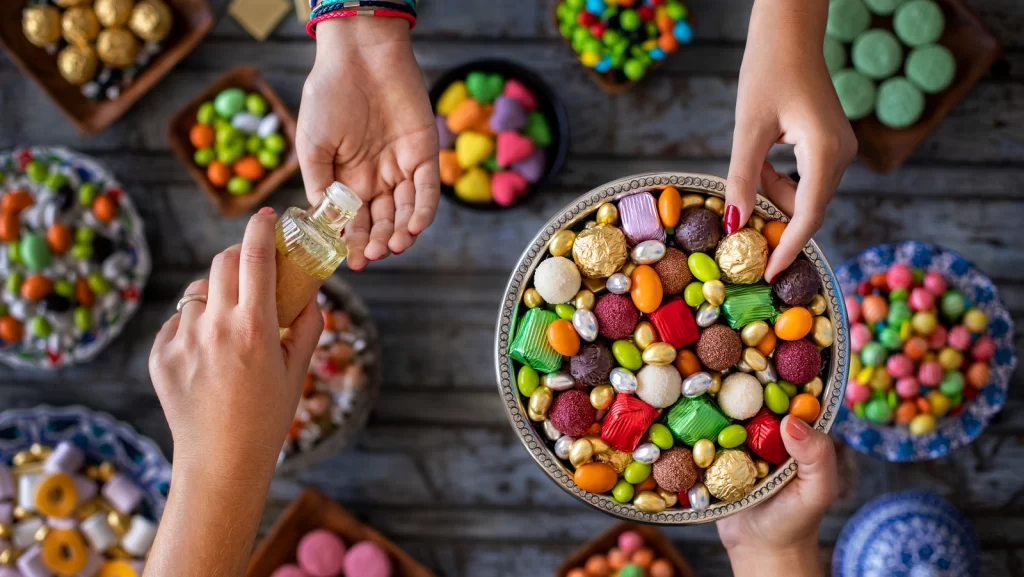
Fasting during the month of Ramadan has a very important place in the Islamic faith and many prayers are performed during this month. Eid-al-Fitr is an important holiday that is celebrated after the prayers and fasting done during this month. On the morning of Eid, Muslims perform a special prayer and then visit their loved ones. During the feast, crowded tables are set in homes and mosques, and one of the most important features is sweet treats. During this period, Muslims also fulfill their duties of zakat. Eid al-Fitr is celebrated with great enthusiasm in the Islamic world and creates an atmosphere of unity, togetherness and love.
Feast of the Virgin Mary
The feast of the Virgin Mary, which has a great importance in the religion of Christianity, is celebrated as the anniversary of the ascension of Mary to the sky. The feast of the Virgin Mary, one of the most important holidays of Catholic and Orthodox Christianity, is celebrated on August 15 or the Sunday closest to this date, according to church tradition. Russian, Serbian, Georgian and Coptic Orthodox Churches celebrate the Assumption of Mary on 28 August. This special day is considered a public holiday in many countries.
Sabbath Meal
Shabbat, which has a great place in the faith of the Jews, is a special meal that starts with sunset on Friday and lasts until sunset on Saturday. During the Sabbath, no one is allowed to do business or engage in any business. The household prepares the Sabbath table in advance, wearing their most beautiful and clean clothes. The Sabbath preparations end with the woman of the house lighting the Sabbath candles. This tradition also strengthens family ties.
Passover
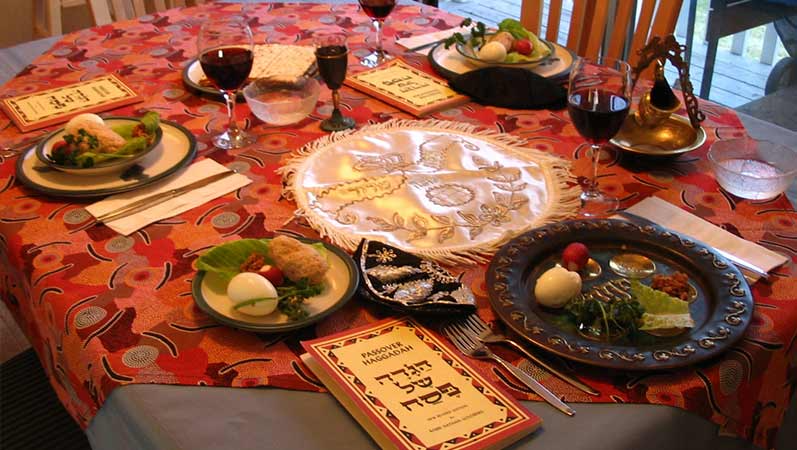
In the Jewish faith, there is an important holiday called Passover to celebrate the exit of the Israelites from Egypt. During this holiday, leavened dough products are prohibited for 8 days and such materials are not kept in the house. The enforcement of this ban is an important ritual of Passover, commemorating God’s deliverance of the Israelites from Egypt.
Tuesday of Repentance
In the Christian faith, especially in the Western Churches, the Tuesday of Penance is celebrated on the eve of Ash Wednesday and is considered the beginning of Lent. Pancakes are usually consumed in the tradition of the Tuesday of Repentance. For this reason, this day is called “Pancake Day” in many places. Since the consumption of eggs and oil is prohibited during Lent, pancakes made using these ingredients are consumed on the last day.
Kurban Bayram
Eid-al-Adha, celebrated for 4 days in the religion of Islam, is performed by sacrificing an animal in order to get closer to Allah and gain Allah’s approval. Hz. Ibrahim and his son Hz. Ismail’s story explains the purpose of Eid al-Adha. Eid-al-Adha is an important holiday in the Islamic world, and during this period, millions of Muslims aim to get closer to Allah and give alms by making sacrifices.
Yom Kippur
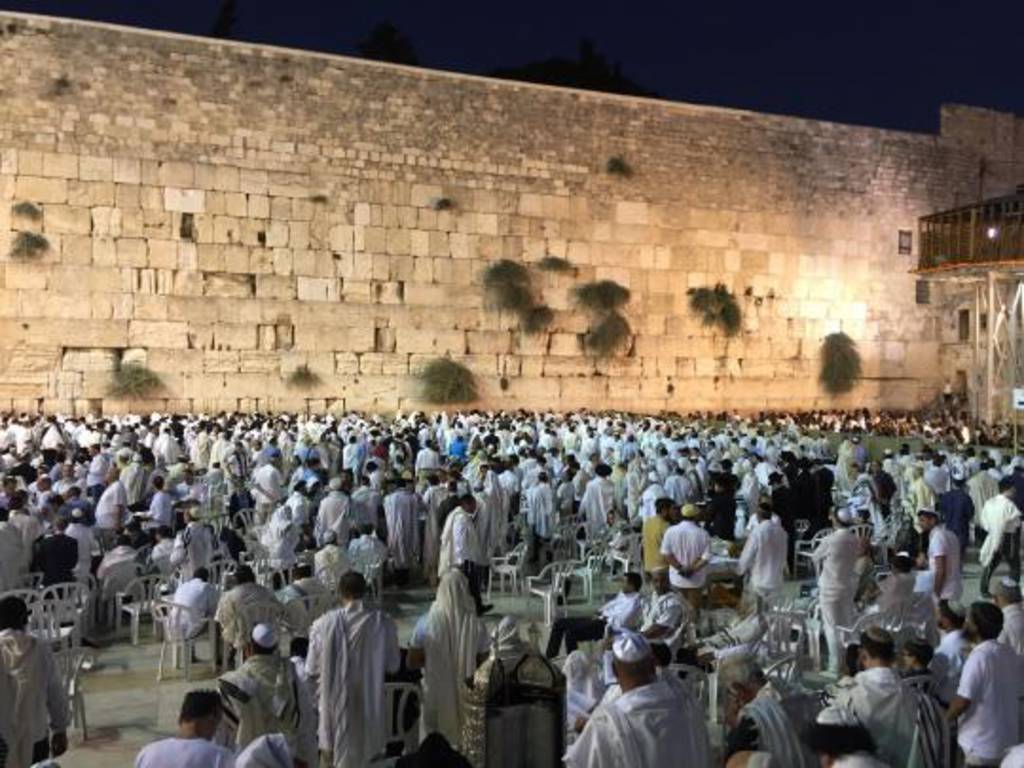
Yom Kippur is an extremely important holiday for Jews. It is celebrated in the Synagogues with special prayers and ceremonies, and everyone prays for God’s forgiveness for their sins. Also, this day is also the day to apologize to each other. If a Jew has upset a fellow man, he apologizes to him on Yom Kippur and they reconcile. This holiday is also known as the “Day of Atonement” and worships such as repentance, fasting and forgiveness are also performed.
Hanukkah Feast
Hanukkah, which starts on the 25th day of the month of Kislev, is celebrated for 8 days and is celebrated by people of Jewish faith. Hanukkah is celebrated with a total of 8 candle burning rituals, lighting a candle every day to commemorate the uprising against the Seleucids. For this reason, Hanukkah is also known as the “Feast of Lights”.
Pentecost
Pentecost, one of the important holidays in the Christian faith, is also known as the “White Holiday”. Although it is celebrated on a different date each year, it usually falls in May or June and falls 50 days after Easter. On Pentecost, houses are decorated with maple, lilac and birch branches.
Ash Wednesday
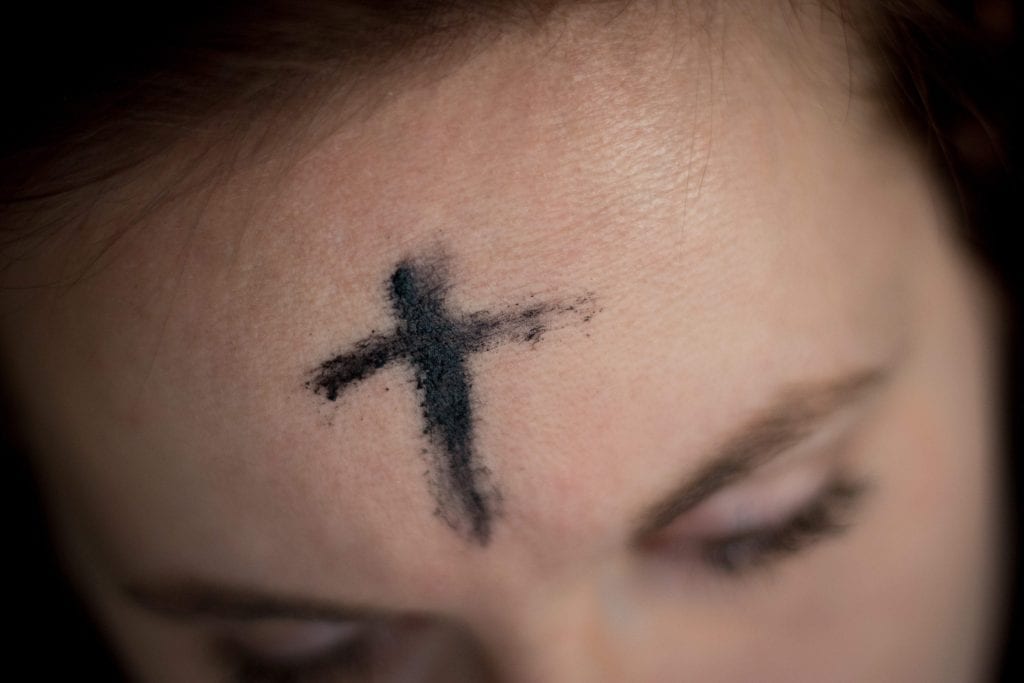
Ash Wednesday in Christianity, especially in Western churches, is considered the first day of Lent. Ash Wednesday, 6.5 weeks before Easter, is dedicated to Jesus’ fasting in the desert for 40 days. In the Ash Wednesday ceremony, a cross drawn with ashes is made on the forehead of the congregation. This practice is often celebrated in Anglican, Lutheran, and some Protestant churches. Ash Wednesday is an opportunity for Christians to purify themselves by fasting and enter a spiritual purification process.
Easter feast
Easter, one of the oldest and most important holidays of the Christian religion, is celebrated to celebrate the resurrection of Jesus on the 3rd day after his crucifixion. The Easter period usually lasts from the end of March to the end of April and is not celebrated on a fixed date every year. However, because it coincides with Sunday, it is also known as the Resurrection Market. The most famous symbol of Easter is the colorfully painted eggs.
all saints day
All Saints’ Day is a holy day that commemorates all known and unknown saints in Christianity. It is usually celebrated on November 1 in Western churches, and on the first Sunday after Pentecost in Eastern churches. This day also focuses on the concept of martyrdom in Christianity and Christian martyrs are also commemorated. All Saints’ Day is especially important to the Catholic Church, and celebrations are held before and after this day.
the Feast of the Virgin
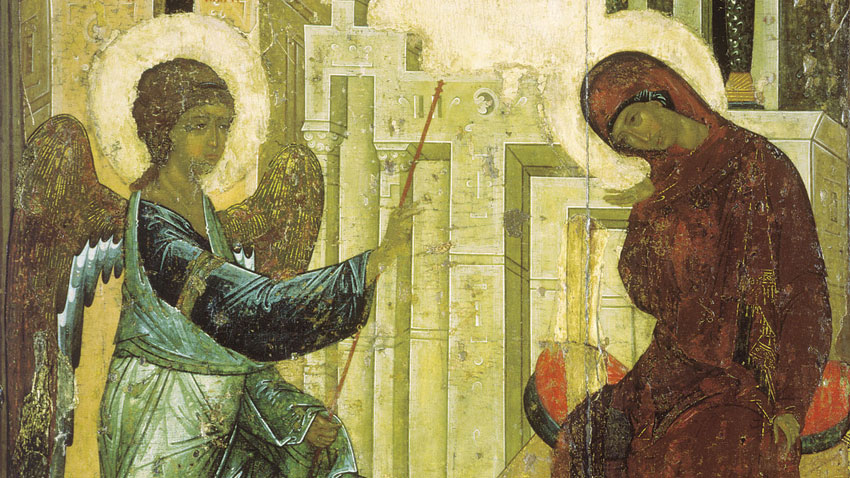
The Feast of Virginity, one of the important holidays of Christianity, and Mary’s angel Gabriel by Hz. It is a day to commemorate the moment when Jesus was informed about his birth. According to this event, Gabriel told Mary, “God chose you, and by His grace you will conceive, give birth to a son in His name, and He will bear the name of Jesus.” The Feast of Charity is celebrated on March 25 every year and is considered an important religious day by Christians.
Sukkot Feast
Sukkot is a holiday in the Jewish faith, also known as the “Feast of Tabernacles”. Jews commemorate the time they lived under tents in the desert, where they lived as nomads for 40 years, and they thank God for protecting them during this time. It is also known as the “Harvest Festival” because it coincides with the harvest season. Sukkot is usually celebrated in late September or early October, and during the feast, meals, prayers, and time are spent with the congregation in tents called Sukkot.
Christmas Day
Christmas is one of the most important holidays of the Christian religion, celebrated on December 25 every year. Today, St. It is commemorated as the birthday of Jesus and carries a religious and cultural significance for many Christians. Preparations for Christmas begin months in advance and streets, houses and churches are decorated with colorful lighting. The figure known as Santa Claus distributing gifts, pine trees, colorful ornaments, gifts, special meals, songs and greeting cards are also indispensable elements of Christmas celebrations. On the other hand, before Christmas, scenes of the birth of Jesus are performed in schools and special services are held in churches.
Lag Baomer
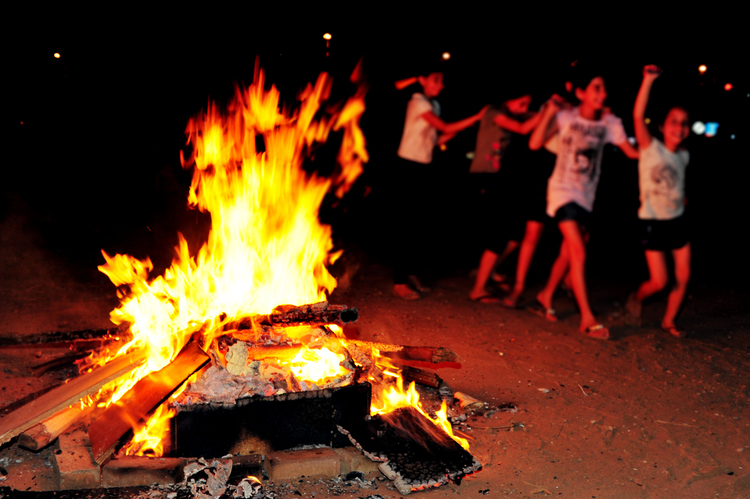
Celebrated in the Jewish faith, Lag Baomer is actually celebrated to commemorate one of the last victories before the defeat of the Jews led by Bar Kokhba, who resisted the invasion of their country by the Pagan armies. The rebels led by Bar Kokhba had put up a successful resistance against the Roman Empire. Eventually, however, the Roman army suppressed the Jews and many were killed, including Bar Kochba. This is why Lag Baomer is celebrated to commemorate the resistance and sacrifices of the Jews in the freedom struggle.
Tu Bishvat Feast
This holiday is known as “Tu Bishvat”. Celebrated on the 15th day of the month of Shevat according to the Jewish calendar, this holiday means the revival of nature and the ripening of fruits. For this reason, the importance of trees and plants is emphasized and activities beneficial to nature such as planting saplings are carried out. It is also thought that this day should be strengthened because of the belief that “man is a tree” mentioned in the Tanakh.
Purim Feast
The Feast of Purim is an important day that is celebrated immediately after the Taanit Esther day and is known as the “joyful feast” among the Jews. The feast is celebrated because the Jews living in the Persian Empire survived the brutal slaughter and this event took place as a result of a divine miracle. For this reason, Jews give thanks to God and give each other gifts and food on Purim Feast and experience joyful moments together. Purim also commemorates Queen Esther’s brave actions to save Emperor Ahasuerus’ people.
Shavuot Feast
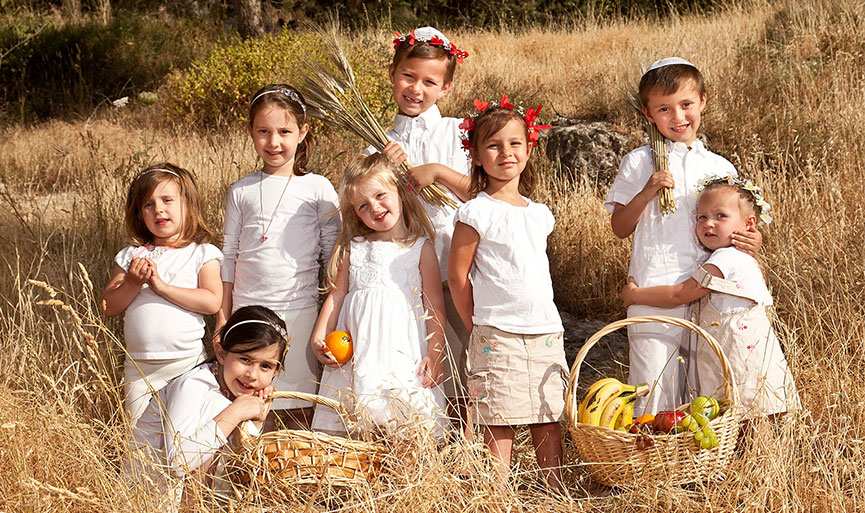
In Jewish belief, the anniversary of the giving of the Ten Commandments to the Sons of Israel by the Prophet Moses is celebrated as Shavuot. It is also known as the “Festival of the Early Years” due to the fact that the early products begin to mature and be eaten. Dairy products and milk desserts are traditionally consumed on this holiday.
Rosh Hashanah
Rosh Hashanah in the Jewish faith is an important holiday celebrated as the “Year of the Beginning” or “New Year”. During this day, Jews review the mistakes they have made in the past year and pray for the forgiveness of their sins. They also pray for themselves, their families, friends and all humanity. Rosh Hashana is an opportunity for a new beginning and a hopeful future for Jews.