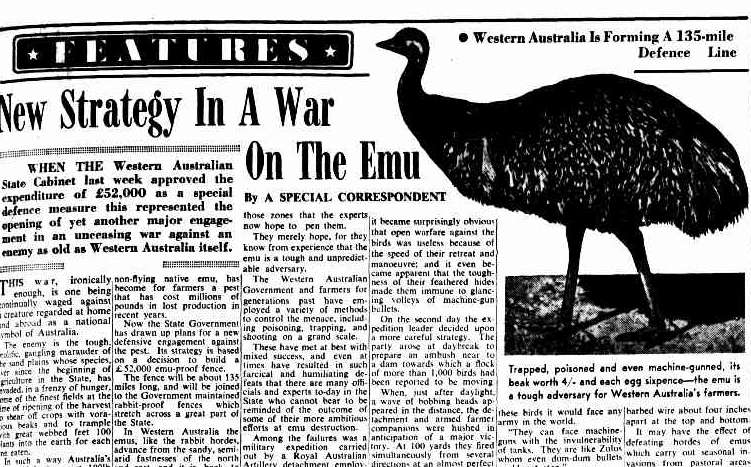
Throughout history, the world has been the scene of various wars of human beings with each other and with their environment. One of the most interesting wars is the Great Emu War in Australia. This war, which took place in the Campion region of Australia in late 1932, was fought between humans and Emular. Emu is a species of ostrich native to Australia. In addition, the birds won this interesting war between the birds and the Australian army.
Australia’s coat of arms features two images of animals. One of these animals is the kangaroo, which is the symbol of the country, while the other is the runner Emudur. Emular, who won the war with the Australian Army, managed to take its place in the Australian Armada. The Emular, which still exists in Australia today, is among the “least endangered species”. These heroic birds, along with kangaroos, represent Australia.

The Cause of the War with the Emu
Returning home after World War I, Australian soldiers wanted to return to farming. The government gave these soldiers 90 thousand hectares of land in the west of the country, which is not very suitable for agriculture. However, the given land is located on the emu migration route. Especially Emular flock to the area where the land is located during the breeding season.
The “Great Depression” experienced in the world in 1929 also hit the farmers, and an economic stalemate was reached. In order to improve the situation, the government promised to support the farmers for more production, but could not fulfill this support. By 1932, things got out of hand, and a herd of 20 thousand Emu migrated to the region where the farmers’ land was located.
These creatures, which are extremely agile and fast, reach a length of 1.5 meters. They ate most of the crops in the region and caused great harm to the farmers by spoiling the agricultural areas. Farmers tried to fight with their own means, although they had military experience, they could not cope with the flock of birds. Although there is a bounty for the killed bird, it is almost impossible to kill these birds. Because ostriches run fast, they manage to escape from the fire. Ostriches that are hit neutralize the bullets thanks to their thick feathers.
Army Support to the Emu War
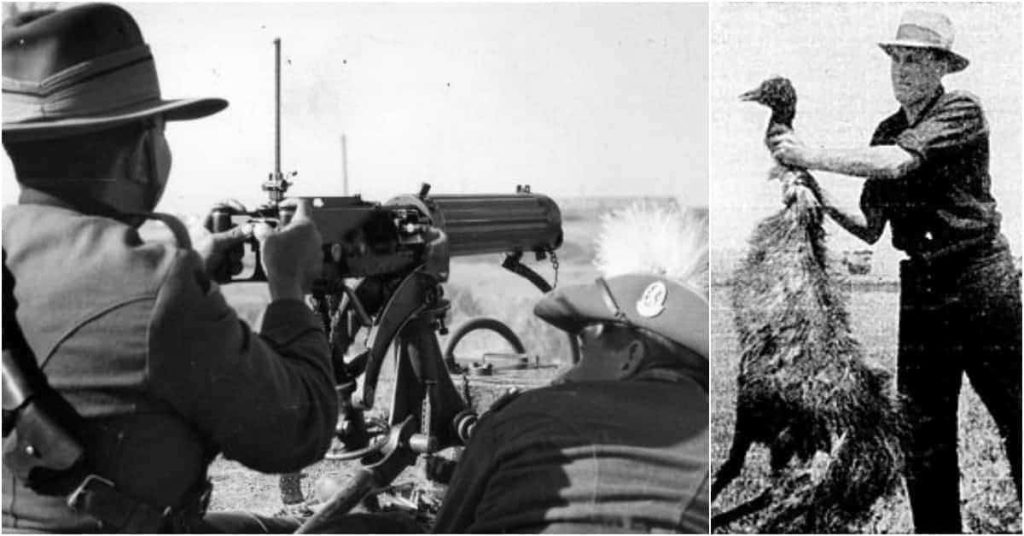
Farmers trying to deal with the emus turned to the Ministry of Agriculture for help when they couldn’t cope on their own. The expected support came from the then Secretary of Defense, George Pearce. George Pearce, who declared war on the emu, sent a military unit equipped with machine guns and thousands of bullets against 20,000 defenseless birds. The minister even sent a film crew to film the events in order to use the war as a propaganda tool and to be a hero in the eyes of the electorate. The war was featured in the newspapers of the period as a “dangerous enemy whose actions are uncertain”.
In the first battle that started on November 2, 1932, the soldiers fired volleys on the birds with machine guns. Despite spending dozens of bullets, they can only kill 50 Emu. They tried to sneak up on the emu rather than overtly, but still failed. During the war, the Emu developed defensive tactics, divided into groups of 10 to 20, and each group had leaders watching the area. In the later stages of the war, they chased flocks of birds with machine guns mounted on pick-up trucks, and they were still unsuccessful. It is quite difficult to follow the birds running so fast in the field and to aim and shoot.
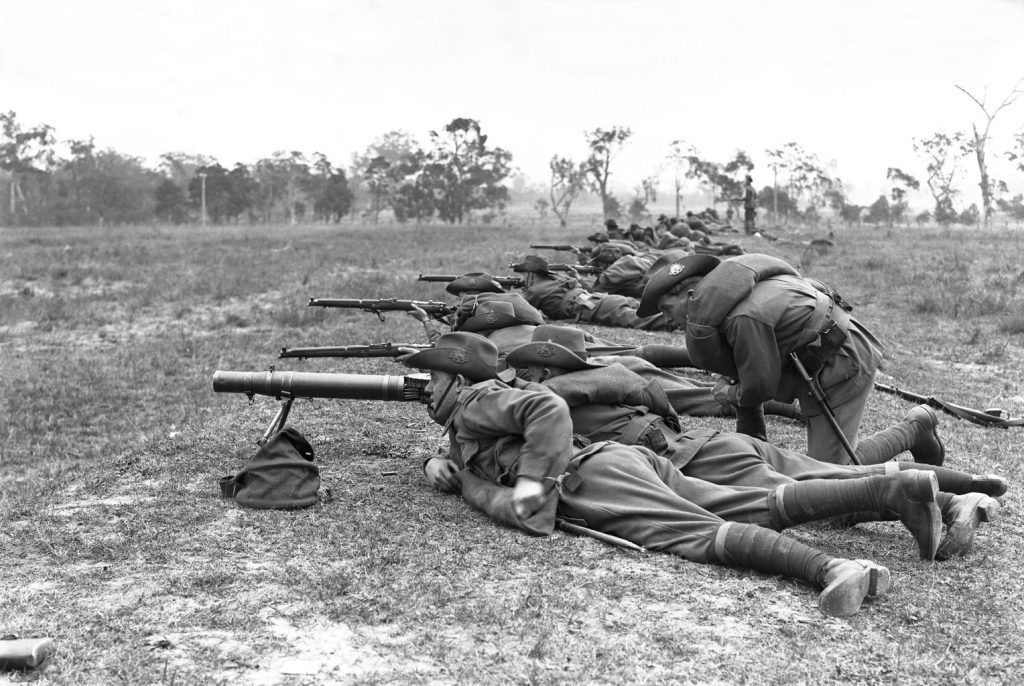
The soldiers, who tried all kinds of ways, were able to kill very few Emu despite the thousands of bullets fired. With the thought that such a war against birds could last for years, the war was ended. The military army was defeated by the birds, and the Minister of Defense had to deny that he had sent troops to the region. In the newspapers of the period, “The war is over, but a peace agreement has not been signed with the other side yet. The enemy continues his claim in the occupied lands”. After the war, the “reward for every beak” system was applied and good money was paid for the killed Emular. After the reward system, 30 thousand Emu were killed within 1 year. By the 1950s, a 200-kilometer-long fence was built in the region and the issue was partially resolved.