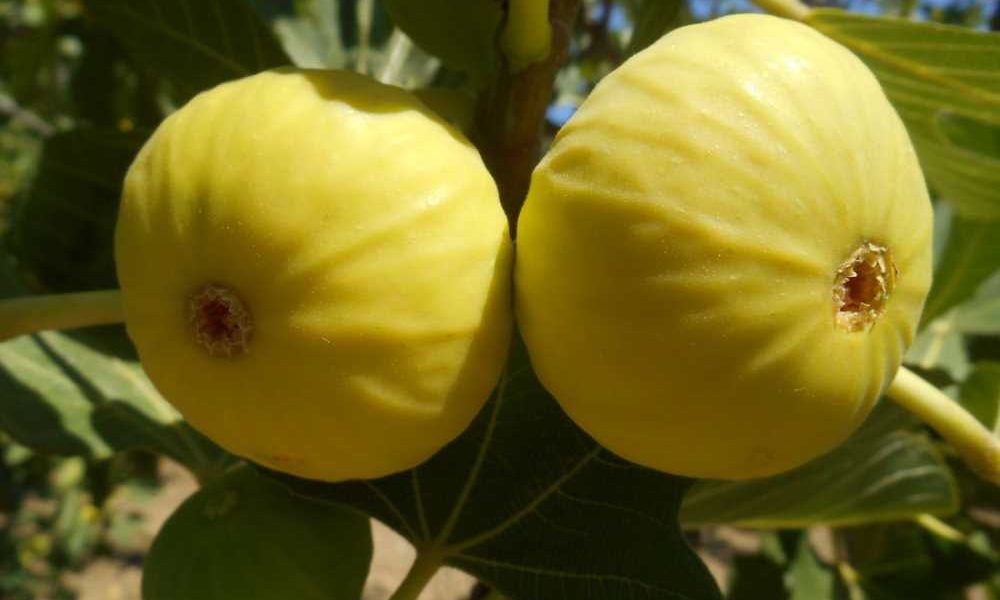
Did you know that when you eat a fig, you are actually consuming a flower and a bee? The process of fig formation is quite interesting! Fig trees, unlike many other plants, do not bloom and are not pollinated by the wind. So how do these trees bear fruit? The flowers of figs are hidden inside the fruit and the buds that crackle when you eat them are actually these flowers. Fig bees collect the pollen from the figs and play a vital role in this process. When you consume figs, this process will come to mind and remain as unforgettable information.
Figs are not actually fruits, inverted flowersFig trees do not have visible flowers like apple or peach trees. Their flowers develop inside a closed pear-shaped pod and then mature into the fruits we eat. Each flower produces small, single-seeded fruits called “achenes” with a hard shell. A fig is actually made up of many small fruits that come together from these achenes. So when you eat a fig, you are actually multiple fruits But this is not the only thing that makes figs interesting.

Relationship Between Fig Bee and Fig Fruit
The flowers of the fig tree are in a closed cocoon-like structure and are like flowers that open in reverse. The fig fruit is Fig beesThis type of bee is different from other bees and can only complete their life cycle inside figs.
During the ripening process of the fig, when the fruit is ready for pollination, it releases a special scent that attracts fig bees. Following this scent, female bees find the fig and pass through the narrow passage at the bottom of the fruit. However, female bees, who lose their wings while passing through this narrow passage, cannot get out and remain inside the fig.
After entering the fig, the female bee lays her eggs inside the flowers. These eggs and pollen allow the flowers to be fertilized. After the flowers produce their seeds, the female bee loses her life inside the fig and turns into tubers that form inside the fig over time. In this way, a new life cycle begins inside the fig fruit.

New bees develop inside the fig within a few weeks. Male bees mate with female bees, but since they do not have wings, they cannot leave the fig and die inside the fig. Female bees emerge from the fig fertilized and begin their journey to find new fig fruits. This cycle is vital for the reproduction of figs.
It is interesting to know that when we eat figs, we actually consume both the flowers and the bees. These bees, which play an important role in the pollination of figs, ensure that the figs ripen and we can consume the figs thanks to this cycle. In other words, a When we eat figs, we eat a piece of both the flowers and the bees..

Fig Tree Characteristics and Cultivation
Figis the edible fruit of Ficus carica, a small tree species in the mulberry family (Moraceae). Originating in the Mediterranean and Western Asia, this tree has been cultivated for thousands of years. Today, figs are grown both as fruit and as an ornamental plant. It is widely cultivated around the world.Ficus carica is the best-known species of the Ficus genus, which includes more than 800 tropical and subtropical plants.
The fig plant is a small tree or large shrub that can grow up to 25 to 30 feet (7 to 10 meters) tall, with smooth, white bark and large leaves with three to five lobes.
Fig fruit is a teardrop-shaped multiple fruit, botanically called “infructescence”. It has a 3-5 cm long, green-purple rind as it ripens, and a sweet, soft reddish flesh containing many small seeds. The milky sap in the green parts of the plant can be irritating to the skin.

In the Northern Hemisphere, fresh fig season is between late summer and early fall. Figs are resistant to mild frosts and can grow in hot summer climates. They can be consumed fresh or dried or used in products such as jam, desserts and cookies. Since ripe figs are not suitable for transportation, they are mostly sold commercially in dried and processed forms. Raw figs are 80% water and 20% carbohydrate and are a moderate source of dietary fiber.
1.14 million tons of raw figs were produced worldwide in 2018. 64% of this production was carried out by Turkey and North African countries (Egypt, Morocco, Algeria).

Figs are the only Ficus species that produce commercially valuable fruit. Male and female trees are separate, and organs of both sexes are not found on the same tree. Female trees produce large, tasty fruit, while male trees produce fewer, smaller, and unpleasant-to-eat fruits. However, male trees are necessary for pollination. Usually, several female trees are planted around a male tree. Pollination of fig flowers occurs through gall mites, and this process is called “Caprification”.
Fig fruit contains 30-40% sugar and vitamins A, B and C, so its nutritional value is quite high.

What are the benefits of figs?
Fig is a fruit with high nutritional value and is rich in fiber, potassium and antioxidants. Thanks to these properties, it provides many health benefits:
Supports Cell Regeneration: Fig contributes to cell regeneration.
Regulates the Digestive System: It helps the digestive system to function healthily.
Strengthens the Immune System: It helps strengthen the immune system.
Provides Insulin Balance: It helps regulate insulin levels.
Controls Blood Pressure: It contributes to the balancing of blood pressure.
Protects Heart Health: It supports heart health.
Meets Daily Vitamin Needs: It meets the daily vitamin requirements of the body to a significant extent.
Provides Protective Effect Against Breast Cancer: It may protect against breast cancer.
Protects Against Bacteria: Provides protection against bacterial infections.
Strengthens Bones: Supports bone health.
Improves Dental Health: It affects dental health positively.
Prevents Wart Formation: It may help prevent wart formation.
Helps with Weight Control: It may be beneficial for weight control.
To join our WhatsApp group CLICK!