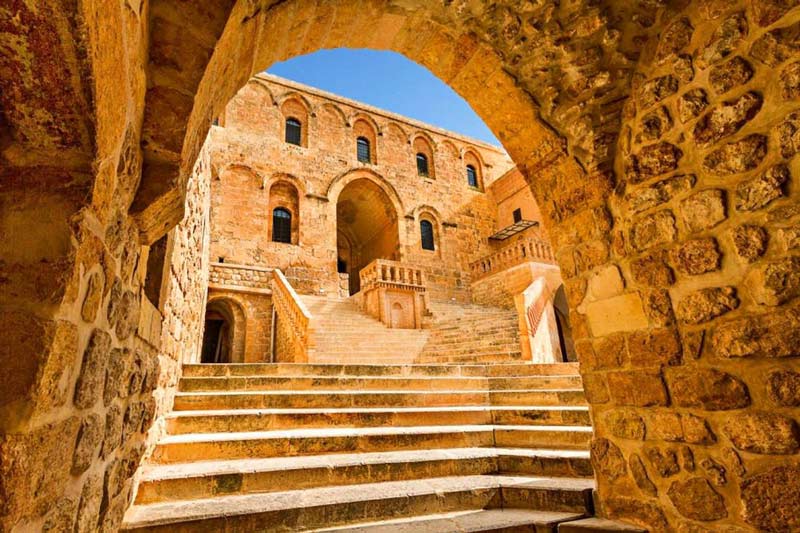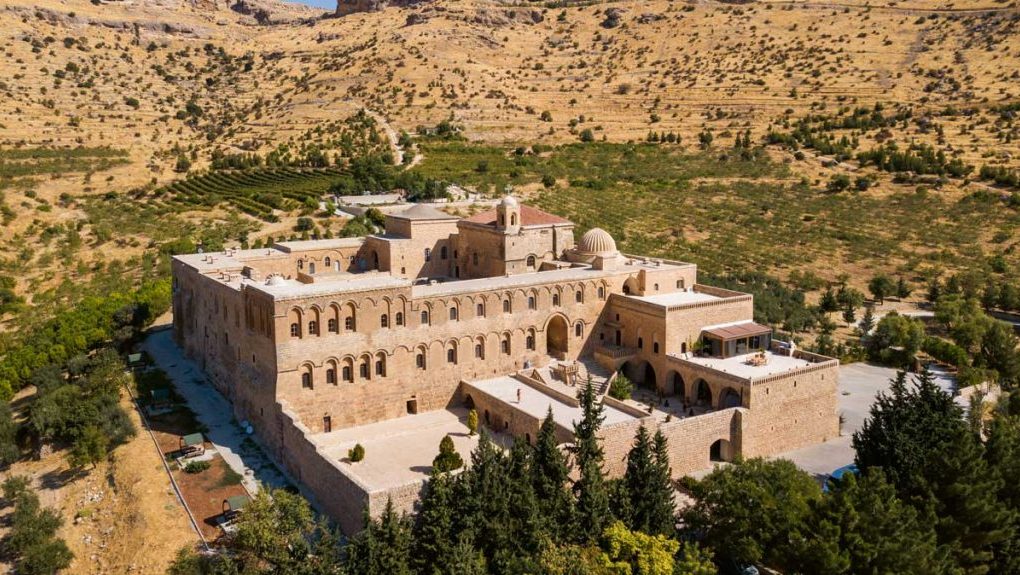
Deyrulzafaran Monastery; It is located on a high point 4 kilometers east of Mardin, Turkey. This monastery, which has been worshiped for nearly a thousand years, is known as the masterpiece of the Assyrians. From the 5th century onwards, many additions were made to the monastery at different times. The monastery, which was built by the Assyrians, gained its present form in the 18th century. This monastery, which is one of the medieval works, is visited by hundreds of tourists every year with its unique atmosphere. It is a religious structure that Syriacs, who are scattered all over the world, visit for prayer and blessings.
B.C. The monastery, which is the Temple of the Sun, was built on a complex that was used as a fortress by the Romans. With the departure of the Romans from the region, St. Şleymun converted the castle into a monastery. St. Şleymun had the bones of some saints brought here while turning it into a monastery. The monastery draws attention with its Syriac architectural features and workmanship. The name of the building, which stands out with its yellowish stone color, means “yellow” in Syriac. It is also said that this name was given due to the Saffron (zafaran) plant growing around the building.
History of Deyrulzafaran Monastery
The area where the monastery was built; It is the Temple of the Sun used for 4 centuries by the sun-worshiping tribes of the “Şemsi” in the years before Christ. Later, the Romans used this area as a fortress. Deyrulzafaran, which was converted into a monastery after the Romans, was called Mor Şleymun Monastery for a very long time. In 793, renovations were carried out during the Saint Hananyo period, and after this renovation, it changed its name to Mor Hananyo Monastery. The name Deyrulzafaran, which is used today, was taken after the 15th century.
Known as the Mecca of the Assyrians, the monastery has been the Patriarchal Center of all Assyrians in the world for 640 years. The patriarch resided in this monastery during the summer months and in the Kırklar Church in the center of Mardin during the winter months. The Patriarch Center was first moved to Damascus and then to Lebanon after 1932.
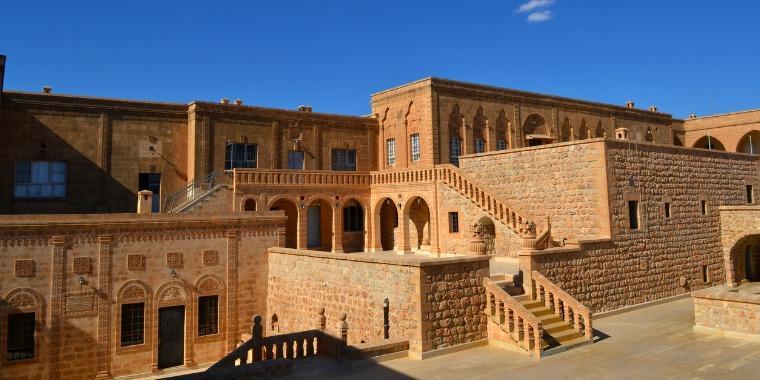
The monastery, which is a 3-storey building, was used for both worship and education. At the same time, the first printing house used in the region was established in this monastery. Peter 4, one of the Patriarchs of the monastery in the 19th century, is quite an innovative person. With the printing machine he bought from England in 1874, he enabled the printing of many books in Syriac, Ottoman, Arabic and Turkish. The printing works, which started during his reign, continued until 1969. Some of the pieces remaining from the printing machine are exhibited in the monastery, and some are exhibited in the Kırklar Church.
Parts and Features of the Monastery
After the Assyrians accepted Christianity, the ceiling of the Sun Temple was covered with approximately 2 tons of stones and this monastery was built on it. The wooden handiworks, columns, arches and domes of the monastery attract attention. In addition, no mortar was placed between the stones placed on the ceiling and it was made with a clamping system. There is an inscription on the giant entrance gate of the courtyard of the monastery, which means “come with faith” in Syriac.
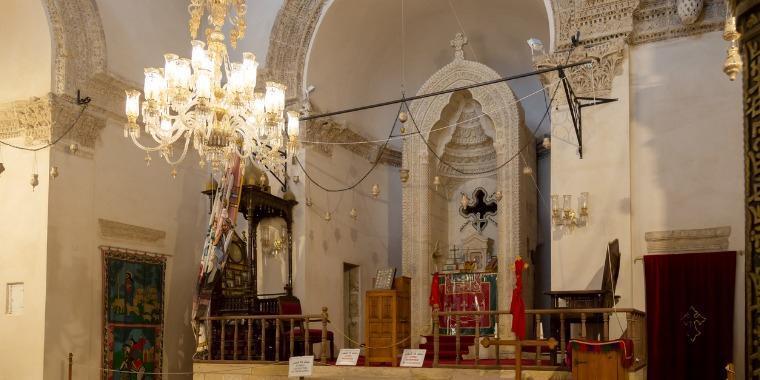
The Monastery, which is actively used for worship today, is divided into sections within itself. These sections are; Mor Hananyo Domed Church, Virgin Mary Church, House of Saints and Sun Temple. There are also the tombs of 52 Syriac Patriarchs in the monastery.
Mor Hananyo Domed Church
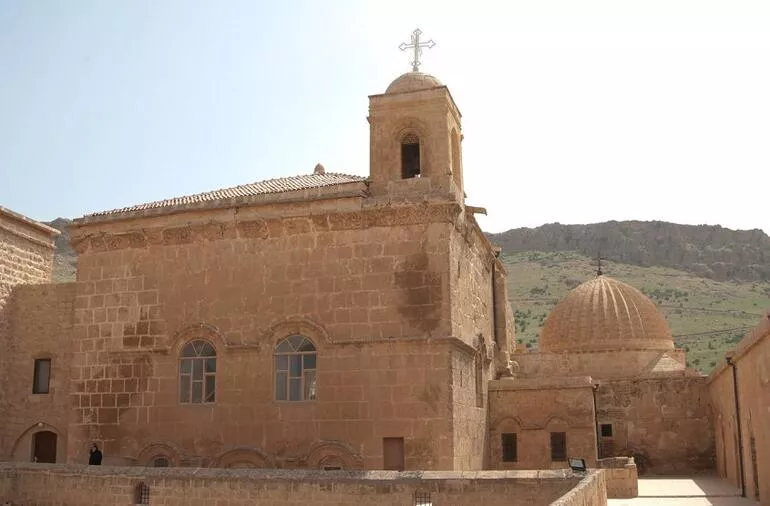
This church was built between 491 and 518 AD by 2 Assyrian brothers. The Domed Church takes its name from the pilgrimage shape on its dome. There are frescoes adapted from the holy book in the interior of the church, and animal figures on the walls of the exterior. The walls of the church are decorated with madder brought from India and the benches where rituals are held are decorated with ivory. There are gold and silver embellishments on the ceiling.
House of Saints
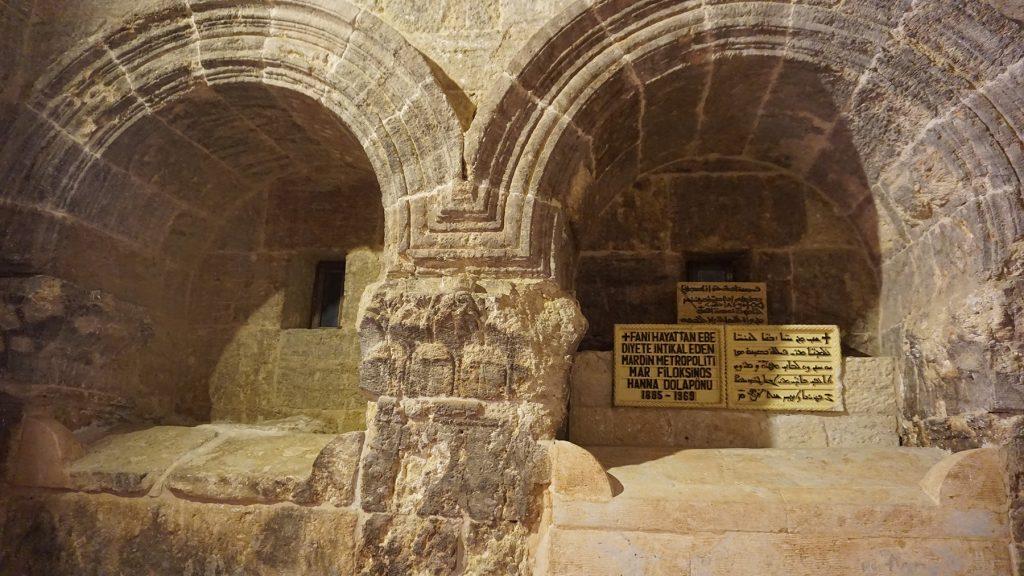
The House of Saints, dating back to the 5th century, is located southeast of the monastery. The corpses of the monastery’s paws and some saints are in this church. This structure, which has 52 graves in total, is also known as the burial chamber. After the clergy died, they were buried in the clothes they wore in the ritual, sitting and facing east. The biggest reason for this is Mr. It is believed that Jesus will come from the east on the day of his resurrection.
Virgin Mary Church
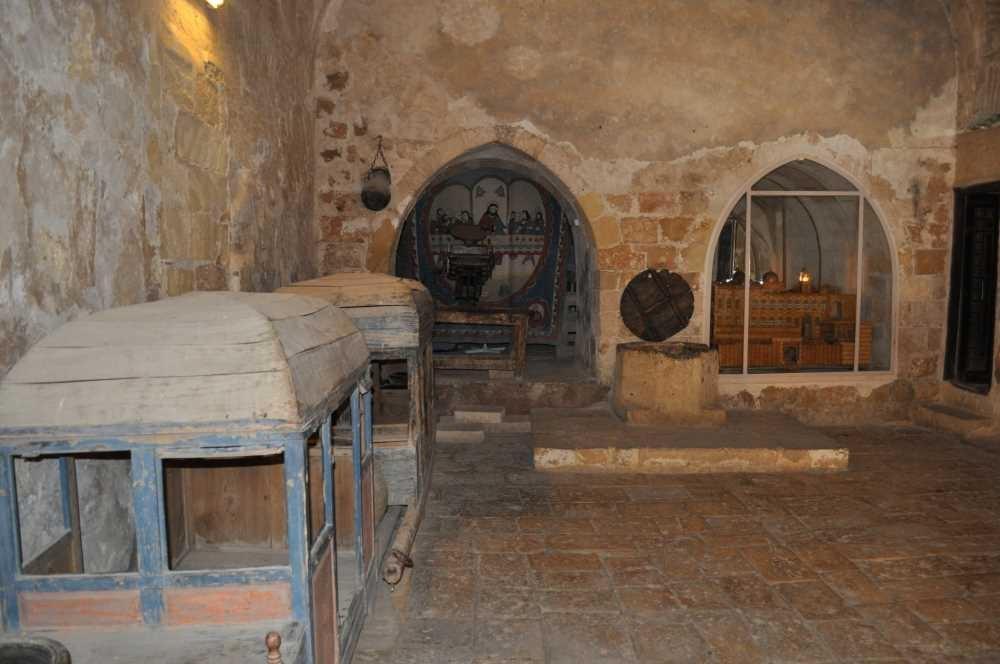
This building, which is the first church of the monastery, is located in the courtyard of the monastery in the northeast. There is a “baptismal stone” estimated to be about 1500 years old in the church. Among the most striking places of the church are the Syriac verses on its 3 wooden doors. These verses of St. It is believed to have been written during the time of the Prophet David. A part of the printing house is located in this section.
Sun Temple
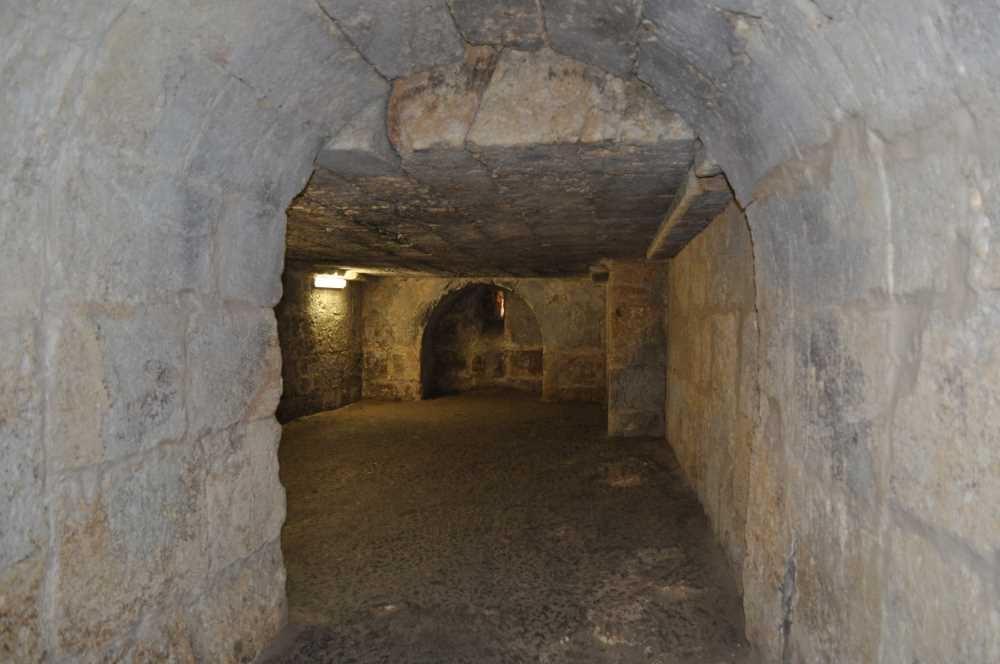
It is estimated that the history of the Sun Temple, located in the eastern corner of the Mor Hananyo Church, dates back to BC. Temple; It is known as the place where Assyrians worshiped the sun before they became Christians. On the altar stone in the temple, there are opinions that they sacrifice to the sun and that these victims are sometimes human.