Many living species lived in prehistoric times. Some of these creatures have become extinct over time for various reasons, and some have evolved in other living species. Some of these non-existent species are quite wild creatures. Some of these creatures, which sometimes reach gigantic sizes, are as follows;
Deinosuchus
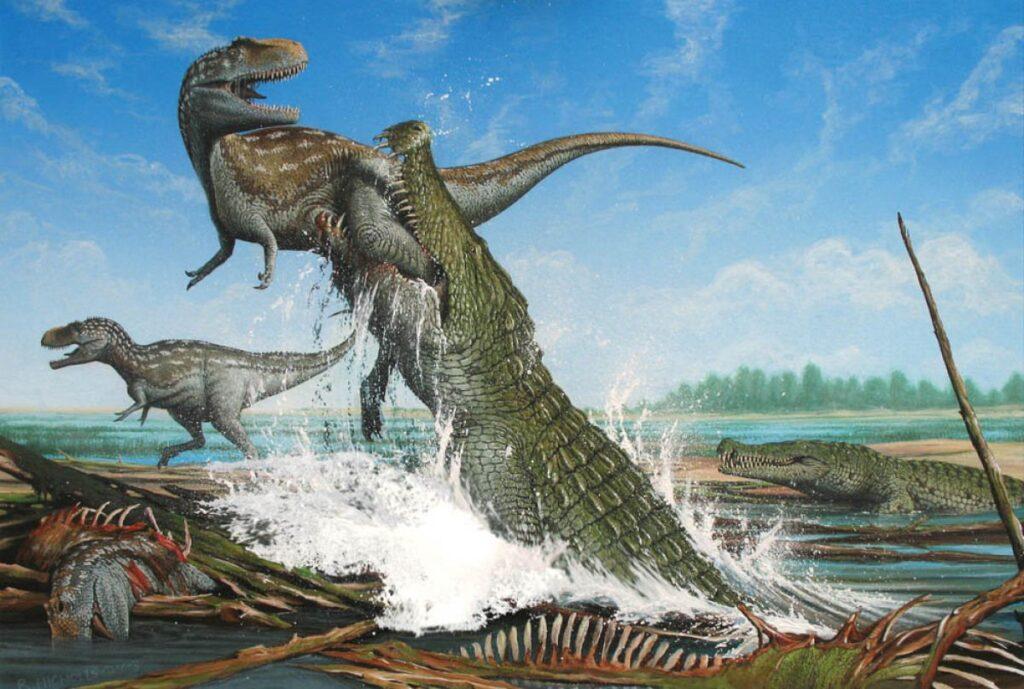
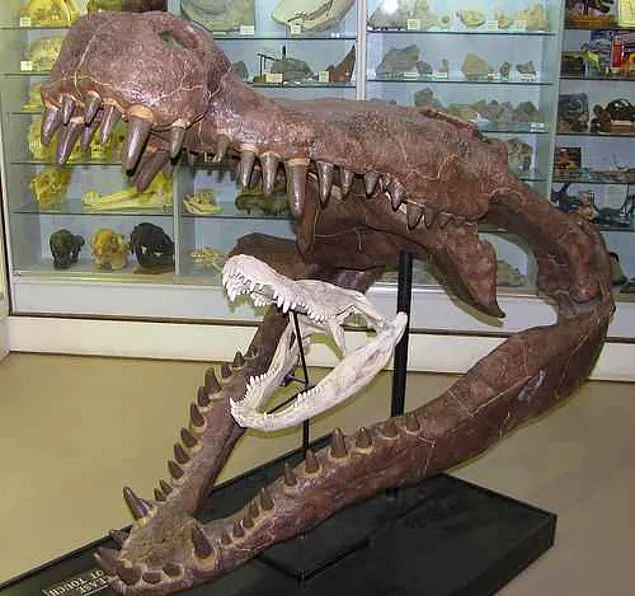
The meaning of the name Deinosuchus is terrible crocodile. Although there is no clear information about its size, it is known to be the largest crocodile species that has ever lived. It lived during the late Cretaceous period, about 70 to 90 million years ago. Its height is thought to be between 7 and 15 meters, and its weight reaches 8 tons. They fed on dinosaurs, fish and other reptiles.
smilodon
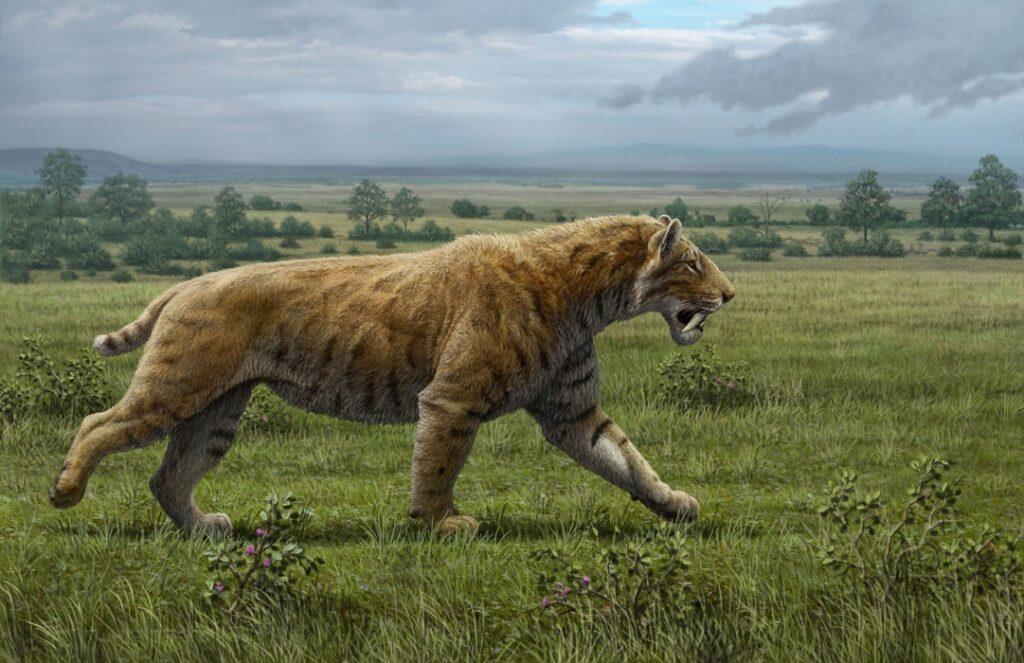
Smilodon is an extinct saber-toothed tiger. It is known that these animals lived in the Americas before they became extinct. These animals, which usually live in groups, consist of 1 male and 10 females. The front teeth of these animals, which are quite dangerous predators, are 20 centimeters long. These creatures, which can reach a speed of 50 kilometers per hour, can reach a weight of 300 kilograms. They became extinct with the end of the ice age about 12 thousand years ago.
paraceratherium
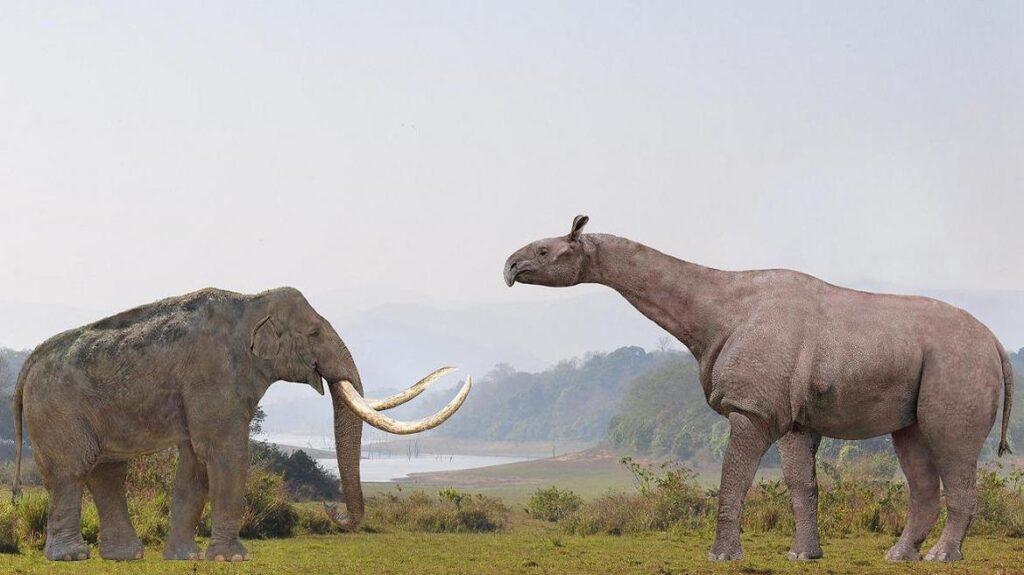
It is the largest land mammal in history. Known as the hornless rhino, this creature lived about 34 million years ago. The remains of the creature were found in the Eurasian region between China and the Balkans. Its exact size is not known due to the lack of fossils. But it is thought to have a weight of 15 to 20 tons. This creature, whose legs are long and column-like, is estimated to have a neck length of 1.3 meters, a shoulder height of 4.8 meters and a body length of 7.4 meters.
hallucigenia
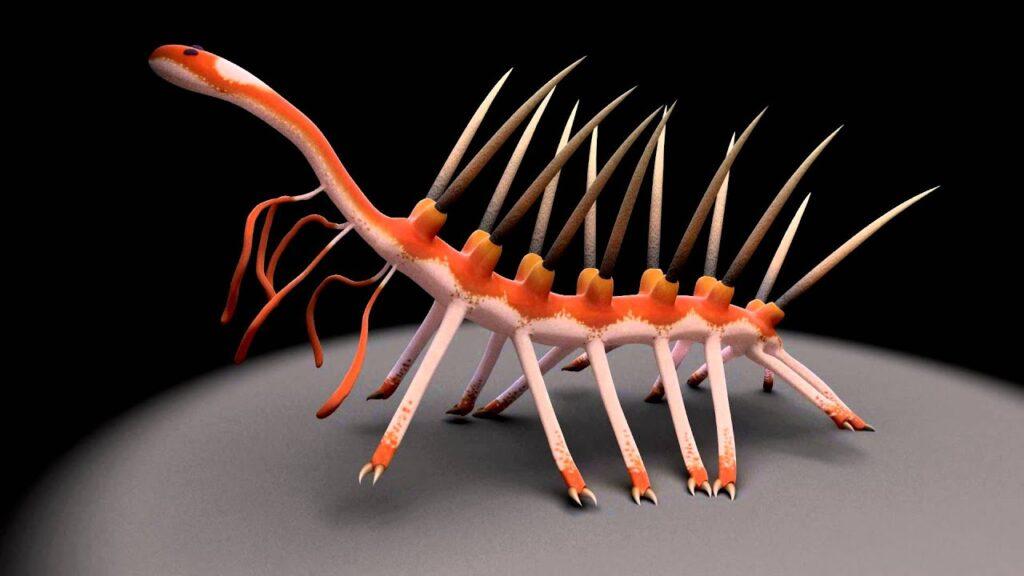
Hallucigenia looks like a creature from another world with its different appearance. Since this worm-like creature does not resemble today’s species, it is seen by scientists as “the incompatible of evolution”. It existed in the middle of the Cambrian period, about 500 million years ago. It is thought to have lived at the bottom of the oceans when most of the planet was covered by water.
titanoboa
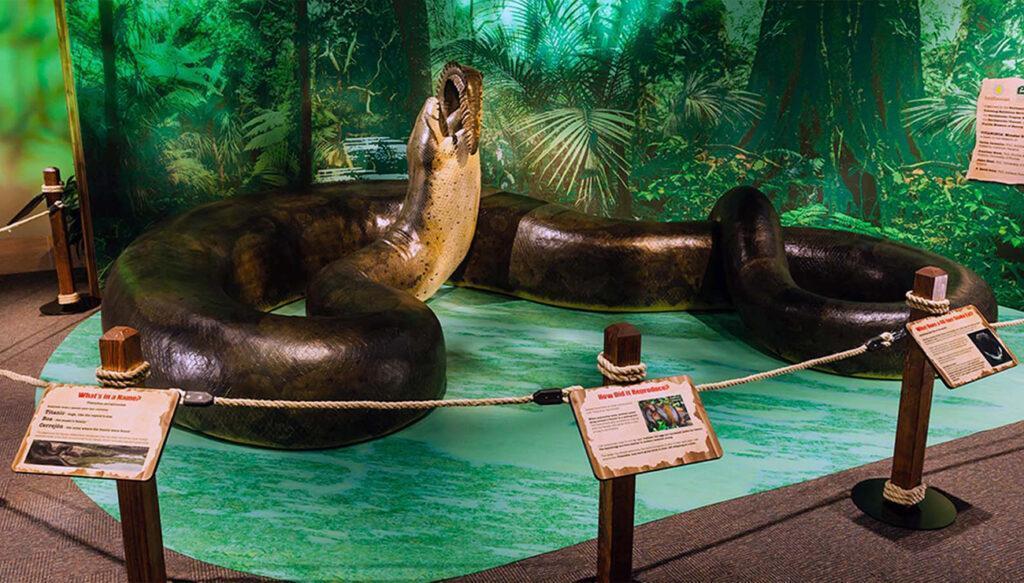
Titanoboa is one of the largest snake species to have ever lived on earth. It lived in northeastern Colombia during the Paleocene and is extinct. This snake, which can grow up to 12.8 meters in length, can reach a weight of 1.135 kilograms. Titanoboa fossils dating back 60 million years have been found. An exact model was made based on fossils and is exhibited in the Smithsonian museum.
meganeura
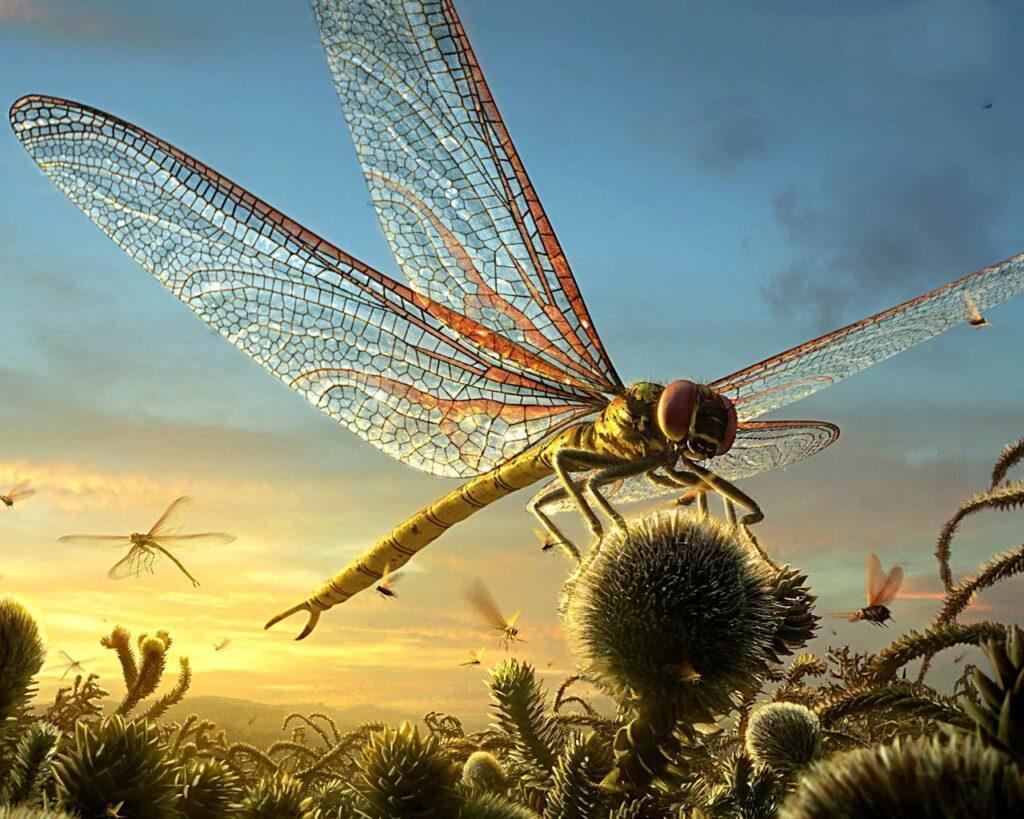
This insect, similar to the helicopter or dragonfly living today, is quite large in size. The distance between the 2 wing lengths of the Meganeura beetle is 70 centimeters. It is estimated that these insects lived in swamps 300 million years ago. It is known that they lived in the Carboniferous period and became extinct. These insects, which are quite predatory, have been fed with other insects.
megalodon
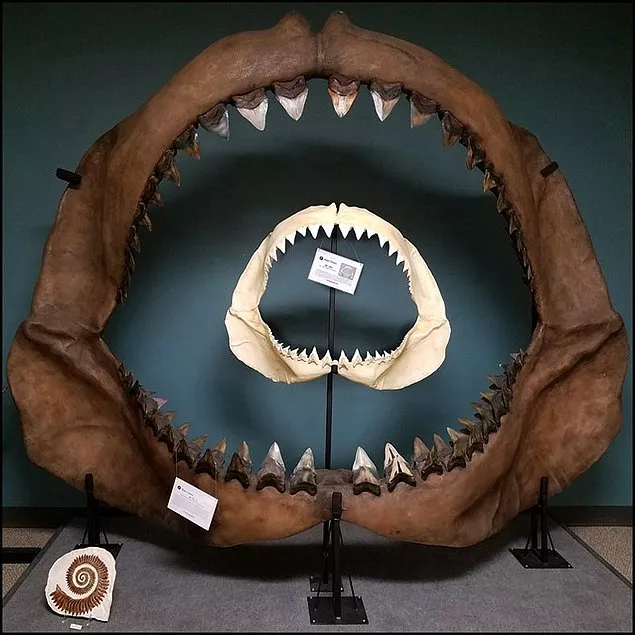
Giant shark thought to have lived about 20 million years ago megalodon, It is one of the most predatory creatures of the oceans. They are known to live in the Great Ocean and the Atlantic Ocean. This creature, whose length reaches an average of 20 meters, can reach a weight of 40 tons. With its 3-meter jaw and 15 – 20 cm teeth, the daily amount of meat consumed reaches 1 ton.
dinosaurs
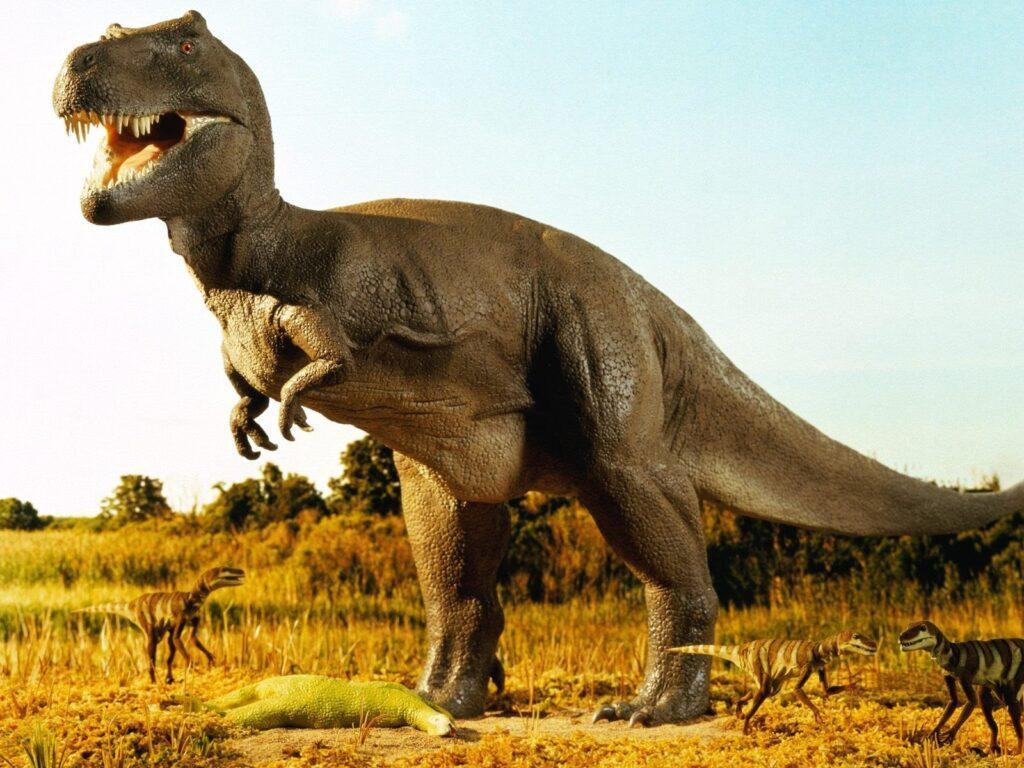
Birds are the only living members of these creatures, which first appeared in the Mesozoic era. It is thought that they disappeared after the effects of a meteorite that hit the earth 65 million years ago. The meteorite, which is 10 kilometers in diameter, hit the earth at the deadliest angle and Chicxulub Crater has created. After the explosion caused by the impact, the climate changed radically, and 75 percent of living things, including dinosaurs, disappeared.
Phorusrhacidae
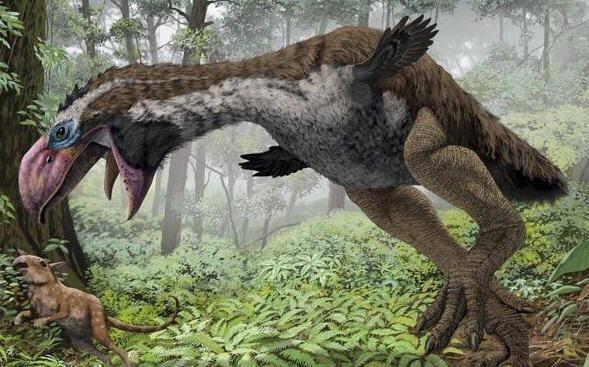
These birds, which reach an average of 3 meters in length, are among the flightless bird species. Due to their inability to fly, their leg muscles are highly developed. In this way, these animals, which run very fast on land, kill their prey thanks to their strong beaks. In fact, scientists use the term “head-breaking birds” for these birds. Thanks to their strong and hard beaks, they neutralize their prey. These large, carnivorous birds are thought to have lived 62 million years ago.
pterosaurs
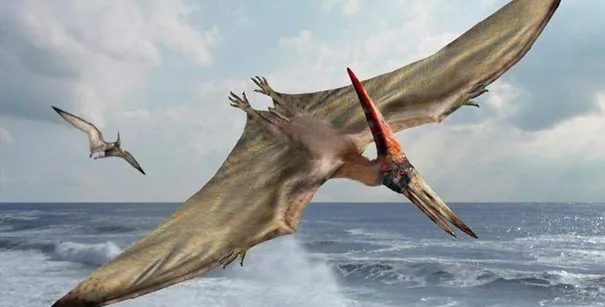
It lived in the Cretaceous period, about 77 million years ago. It is a flying reptile with a wingspan of 10 meters. It is one of the most remarkable creatures of the dinosaur age. Remains of pterosaurs that could fly soon after birth have been discovered in Canada.
Arthropleura
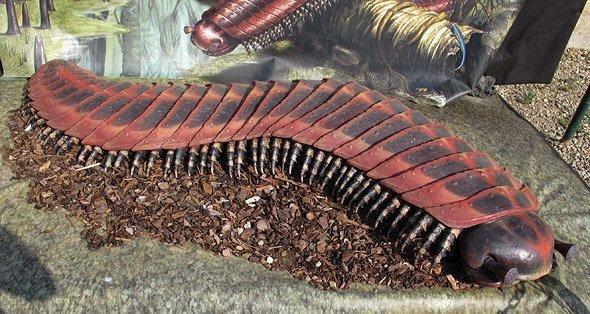
It lived during the Carboniferous period, about 345 to 290 million years ago, in North America and Europe. The centipede species, which can reach 18.3 meters in length, is this creature. It is the largest land vertebrate ever to have lived in the world.
Andrewsarchus
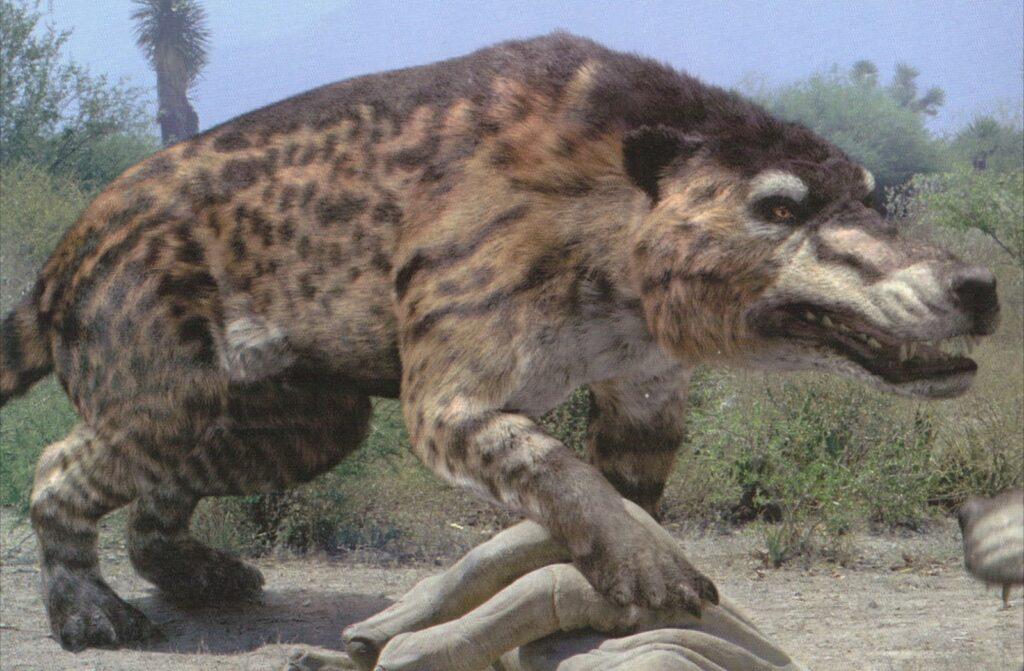
These predators, which became extinct about 36 million years ago, are the largest placental mammals that ever lived. It lived in the middle Eocene period in the inner Mongolia region of China and became extinct. Its average weight can reach up to 1700 kilograms. These animals, which are carnivorous, are also fed with grasses with high nutritional value.
Therizinosauridae
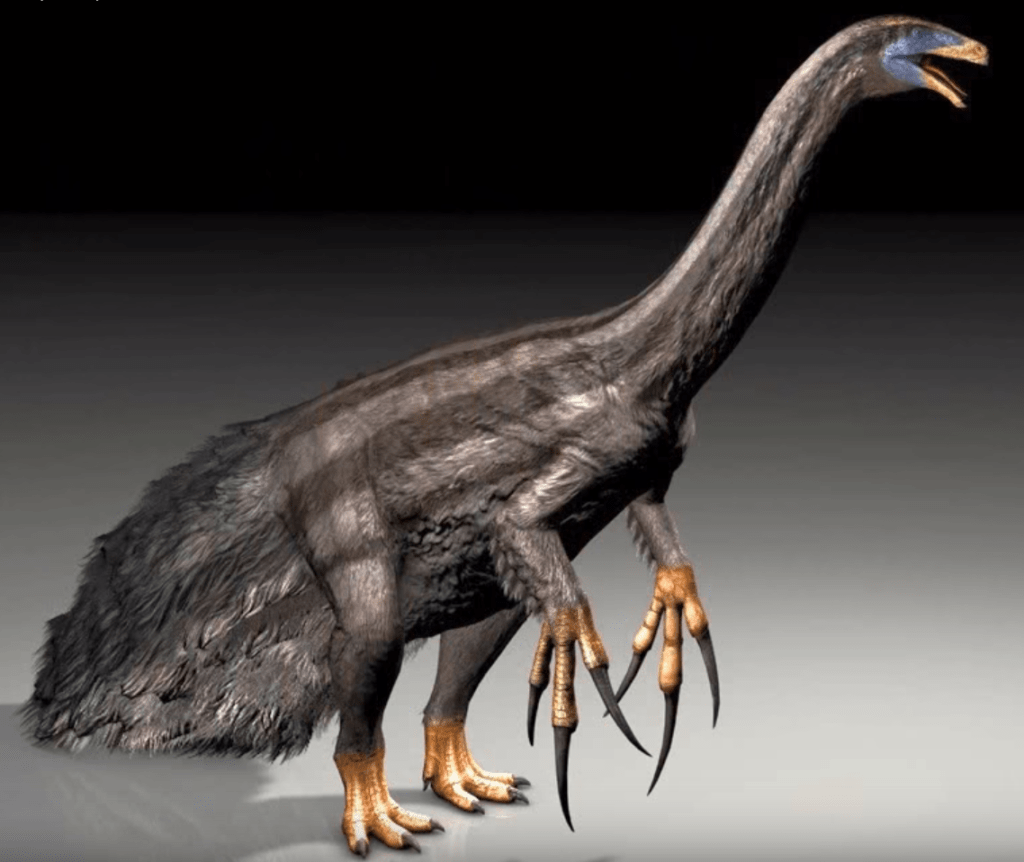
Fossil remains of the dinosaur family Therizinosauridae show that they lived mostly during the late Cretaceous period. It is a creature that walks flat on all four toes and has three giant claws on each hand.
megalania
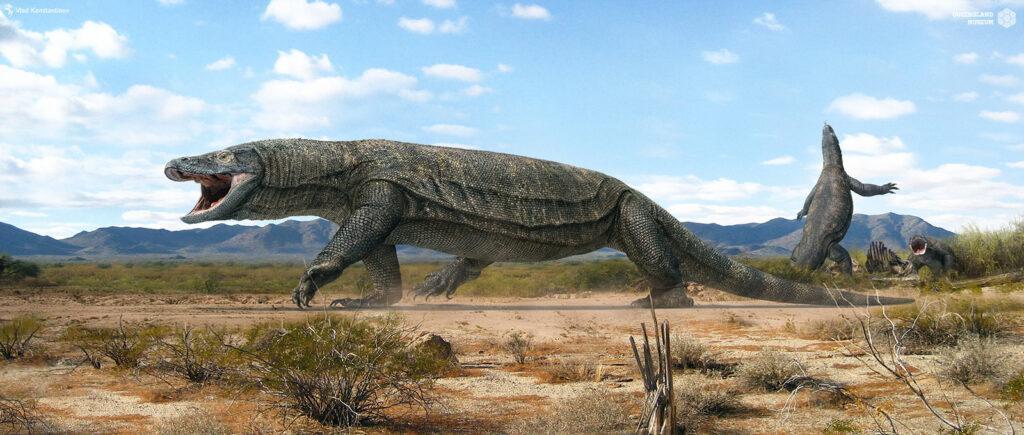
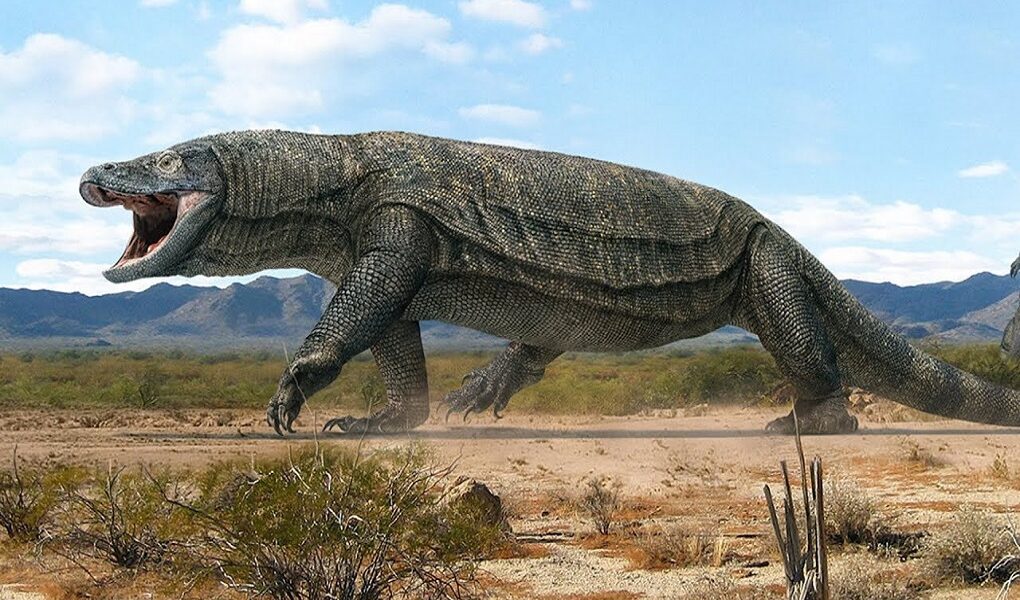
Known as the ancestor of the Komodo dragon, this creature can reach up to 600 kilograms. It has a length of about 8 meters. They have thick skin, deadly venom, and a powerful jaw. They have strong tails that can break the bones of their prey in one move. It is thought to become extinct about 30,000 to 40,000 years ago.