Lake Baikal is a rather unusual lake located in Siberia. Lake Baikal, the oldest lake in the world, has a history dating back 25 million years. It is home to 3500 different species that can only be seen in Lake Baikal. It is believed that a creature was found in the lake. The creature is said to resemble a giant fish with a protruding nose and armor on its back. Lake Baikal is also known as the blue eye of Siberia.
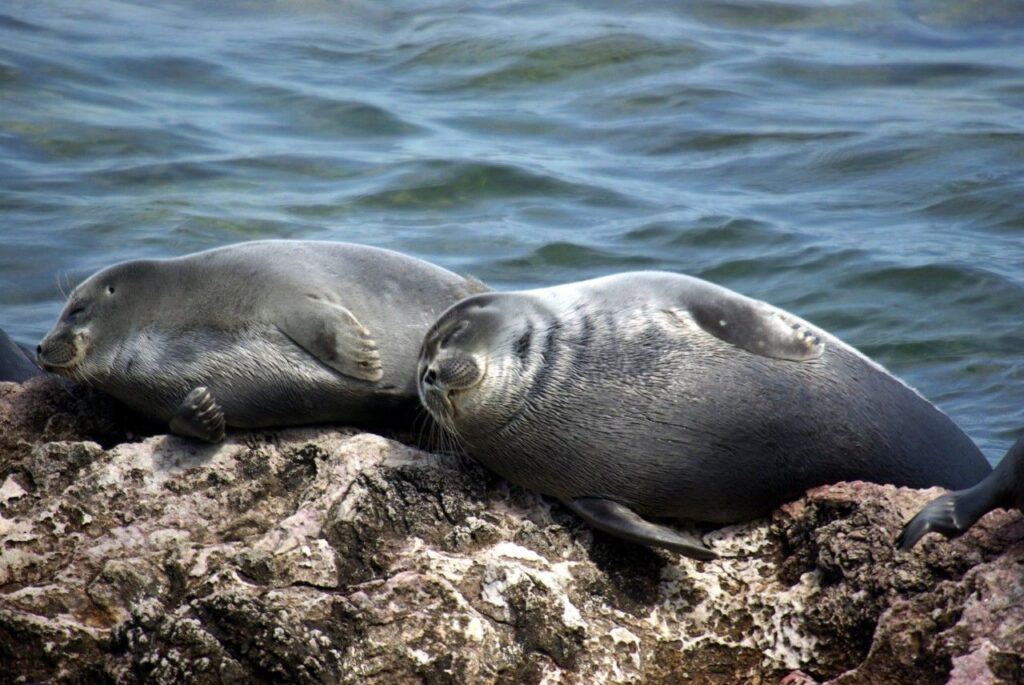
Lake Baikal is called the “North Sea” by the Chinese. Chinese explorers said that they saw these monsters, which they called “Lake Gods” and “Dragon Fish”, in the lake. In the lake, there is a fish called the “Seal of Baikal” and many unseen living species. However, no one has yet encountered the monster that is said to exist.
The lake is on the UNESCO World Heritage List due to its interesting features and magnificent view. From a geological point of view, it is a fascinating natural wonder.
Features of Lake Baikal that make it interesting:
Located in a region close to the border with Mongolia, the lake is located within the borders of Russia. The depth of the lake is 1615 meters and its surface area is 31,722 kilometers. It is the deepest and largest lake in the world. The lake was formed as a series of lakes 25 million years ago, depending on the changes in the earth’s crust. However, it is thought that in the future, as a result of disasters such as erosion and earthquake, the lakes merge with the increase in water. The lake still continues to grow. Scientists have said that Lake Baikal is turning into an ocean.
Apart from these features that make Lake Baikal unique, there are also hydrothermal chimneys in the lake. These chimneys are usually located in the oceans. It is the only freshwater lake with this feature. The lake water, which enters the cracks through the holes in the earth’s crust, heats up and rises to the surface again. This makes the lake extremely rich in minerals. The biodiversity and richness of the lake is due to this reason.
More than 80 living species in the lake are known as endemic. In other words, it is not possible to come across these species anywhere else in the world. There are more than a thousand plant species and more than 2500 animal species. Nerpa seals living in the lake are the only freshwater seals living in the world.
Various animals such as Eurasian brown bear, Eurasian wolf, red fox, sable, cactus, deer, Siberian red deer, reindeer, Siberian roe deer, Siberian musk deer and wild boar live around the lake. There are 236 bird species in the lake. There are around 60 fish species that can only be found in this lake.
Lake Baikal was also known as the living space of the Turks in the past. Approximately 20 percent of the fresh water reserve in the world is provided from this lake. There are 22 islands on the lake.
Ice Bubbles Formed in Lake Baikal:
Since Lake Baikal has a thick layer of ice in winter, it allows different activities to be done on it. You can drive, ice skating and ice fishing on the lake, which has become very popular in the winter months. It is a region that is visited by tourists depending on the season.
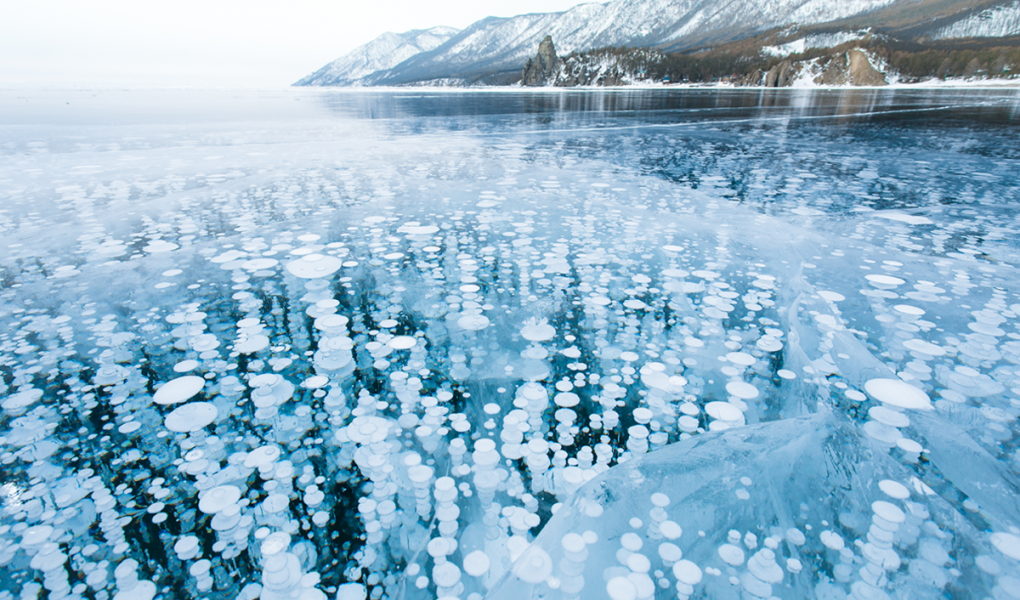
Different patterns emerge due to the freezing of the lake water layer by layer. The ice layers formed have an extremely ostentatious structure. Due to the transparent appearance of the water, the ice formed in the lake turns into an enormous work of art. In addition, the very clean water of the lake provides a clear view of the stones, fish and plants in it.
The bubble-shaped glaciers formed in the lake are among the most striking images. The bubbles, which appear as frozen glass spheres, are caused by methane gas produced by algae in the lake. As the methane gas rises, it freezes in layers, revealing the magnificent view. These ice bubbles got the nickname “Pearl of Siberia”.