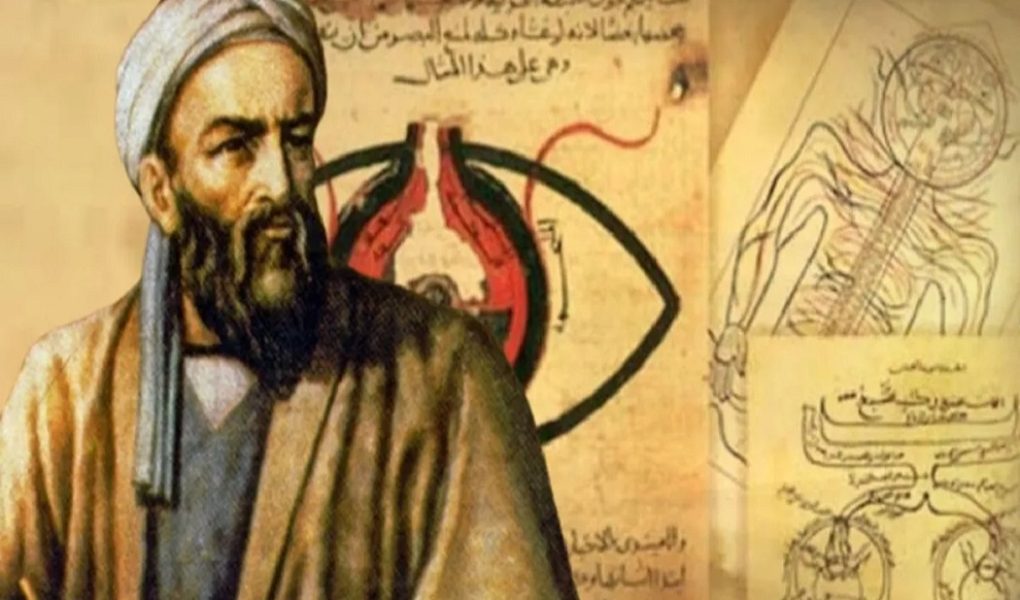
The science of temperament; It is a science used by medical experts such as Avicenna, Galen and Hippocrates in the treatment of patients. According to the science of temperament, everything starts from the four elements that are the source of the universe. These four elements take place in philosophy, medicine, mathematics, the Qur’an and science. While seeking an answer to the question “How and why did I come into existence”, these four elements appear. According to this principle, people are divided into 4 different groups; Demevi, Safavi, Balgami and Sevdai. Each group has its own characteristics and personality structure. Since Ibn Sina, the science of temperament continues to examine personalities and health conditions.
According to the science of temperament, people should be treated in accordance with their temperament, that is, their creation. In addition, there are diseases that each group is prone to. Because each group is predisposed to its own specific diseases. The science of temperament is used to recognize the temperament of people and to apply appropriate treatment methods. The purpose of this science is to enable a person to lead a healthy life.
The science of temperament plays an important role in every aspect of our lives. This science contains the most important features that we need to shape our lives. In addition to physicians, other professionals and individuals also get to know people better by using this knowledge and know how to behave with them. When the science of temperament is applied, serious benefits occur in our friendships, business life and even in all the items we use. Therefore, the science of temperament is very important for people to lead a healthier and happier life.

The Four Elements of the Science of Temperament
Ancient medical doctors such as Ibn Sina, Galen and Hippocrates treated their patients with the science of temperament. According to this principle, every living and non-living being in the world consists of four basic elements: Demevi (Air), Phlegmi (Water), Safravi (Fire) and Sovdavi (Earth). These four basic elements determine the temperament of living and non-living things. The fluids in the human body are called “hilt”. These fluids are an important tool for examining people’s health and personality structures with the science of temperament.
According to the science of temperament, the equivalent of Demevi (Air) foundation is blood, the counterpart of Phlegmi (Water) foundation is phlegm, the counterpart of Sovdavi (Earth) foundation is sovda and the counterpart of Safravi (Fire) foundation is bile. Sovda corresponds to the black deposit found in the lowest layer of blood in our body. Another name for love is Sovda. Bile consists of water, bile salts, fat and bilirubin. According to this information, there are 4 basic temperaments: Demevi, Balgami, Safravi and Sovdavi.
These four elements are; Morality (Fire), Spirit (Water), Mind (Air), Matter (Earth)
Their state in our body; Bones (Earth), Blood (Air), Liquids (Water), Acid (Fire)

Characteristics of Demevi Temperament
Demevi temperament; It is based on the weather, it is hot and humid. These temperamental people have soft, moist and warm skin. They have large, large pores on the skin and sweat well. The veins on his hands are clear and prominent, and his skin color is wheatish (brown) or pinkish. The pupil is chestnut colored and black. Hair color is black, dark, light, often dense and flexible. Administrative director and managerial skills have developed. Diseases seen in people with Demevi temperament are heart and brain attacks, high blood pressure and skin diseases.
Characteristics of Safravid Temperament
Safravid temperament; It is based on fire, it is hot and dry. The skin of these people is dry and dehydrated. They have large and large pores on the skin. The veins in his hands are sometimes open and sometimes hidden. The skin color turns yellow. The white of the eye is white, but tinged with yellow. The pupil of the eye is chestnut and hazel. His hair is dry, thick and prominent. Hair color is black and palm color. Saffron temperaments usually have little hair. People with this temperament usually do not get sick, but when they do, they respond late to treatment. People with a Safavid temperament are good at operational work. Skin diseases are diseases such as psoriasis, eczema.
Characteristics of Phlegmatic Temperament
Phlegmatic temperament; It is based on water, cold and damp. The skin and skin of these individuals is soft and moist. They are usually cold. His skin and skin are finely porous and sweat less. Hand veins are hidden. Its skin and skin are white. Eye colors are white and lethargic, and pupils are usually clear, colored and blue. Their hair is thin, soft, lean, light brown, blond or blond. People with this temperament usually have little hair. They are docile, slow-moving, systematic, disciplined, attentive but prone to depression. He has good skills in the field of accountancy. Common ailments include joint pain and depression.
Characteristics of Sovdavi Temperament
Sevdavi or Sovdavi temperament; It rests on the soil foundation, it is cold and dry. The skin of these people is dry and dehydrated. It has large and large pores on its skin. Hand veins are sometimes open and sometimes hidden. It turns the skin yellow. The white of the eye turns yellow, the pupil of the eye turns chestnut. His hair is dry, thick and prominent. Hair color is black and palm colored. People with this temperament usually have little hair. They are interested in calculation and technical matters, they are interested in spring and summer, they are cautious, restless and always thoughtful.