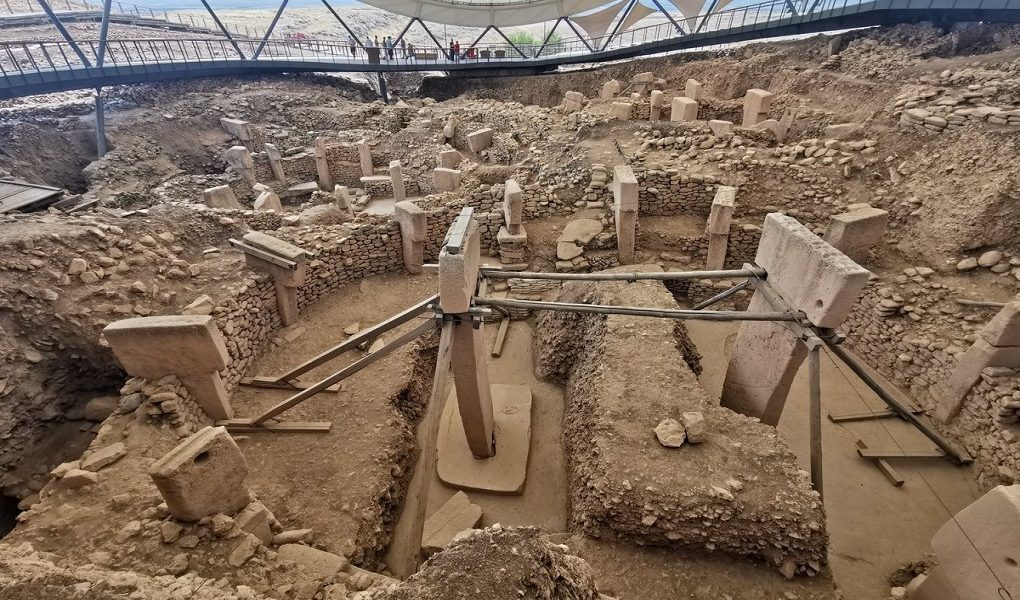
Göbeklitepe archaeological site; It is located near Örencik Village, 18 km northeast of Şanlıurfa city center in Turkey. The structures unearthed during the excavations in the area are of a nature that will change the history of humanity. These large and complex structures belong to 12 thousand years ago. The findings unearthed in Göbeklitepe are becoming more mysterious with each passing day. Göbeklitepe was included in the UNESCO World Heritage List in 2018.

The archaeological site first emerged in 1963, during research carried out in partnership with the University of Istanbul and Chicago. The real value of the area was understood with the excavations started after 1995. It took a long time to make sense of the structures unearthed during the excavations. While even how the site was built is quite surprising, new findings have revealed that the structures themselves were covered and buried in the ground.
Why they built this place and why they buried it in the ground where it could not be found for 10 thousand years is like a road to the unknown. 12 thousand years ago, when human beings were still living as hunter-gatherers, it is unexplained how they were able to build these structures. At that time, the tools used by mankind were simple materials obtained by shaping stones and wood. Göbeklitepe dates back thousands of years before the wheel was even made.
Theories About Göbeklitepe
Although there are several theories about Göbeklitepe, none of them has been definitive. The first theory; The area around Urfa is located in the area called “fertile crescent”, which has some of the most fertile lands in the world. These lands are also the center of the transition to the first settled life and agricultural society. Some of the first villages of humanity were established in this environment. Although agriculture has not started yet, people who are hunters and gatherers are thought to have established villages where they will live together for security. The oldest known of these villages is Jerf al-Ahmar in northern Syria. This village dates back to the same dates as Göbeklitepe.
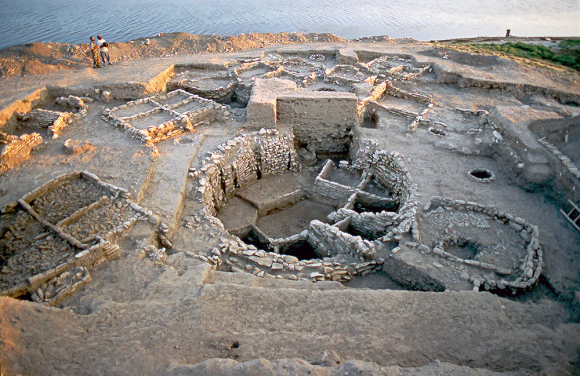
Trade based on barter was carried out among the village peoples. It is thought that Göbeklitepe may have been a trade center where people gathered at that time. The circular structures found may have been built for trade with the joint work of various village peoples. Göbeklitepe was built in a location that can be seen from a land of 200 kilometers. Therefore, it provides easy transportation for people coming for commercial purposes. The animal symbols on the columns are thought to be the symbols of each village or tribe.

The second theory put forward is; Göbeklitepe was built as a temple. If this theory is correct, Göbeklitepe has the distinction of being the oldest great temple that has been preserved until today. Şanlıurfa has a very mystical past. Göbeklitepe was a place that has been under the ground for about 10 thousand years. However, according to the statements of the landowner and historians, the land where Göbeklitepe is located has been considered sacred by the people of Urfa for a long time. People go to the region in spring and sacrifice, and those who have various ailments spend their nights there. It has been accepted as a holy place unchanged for 12 thousand years.
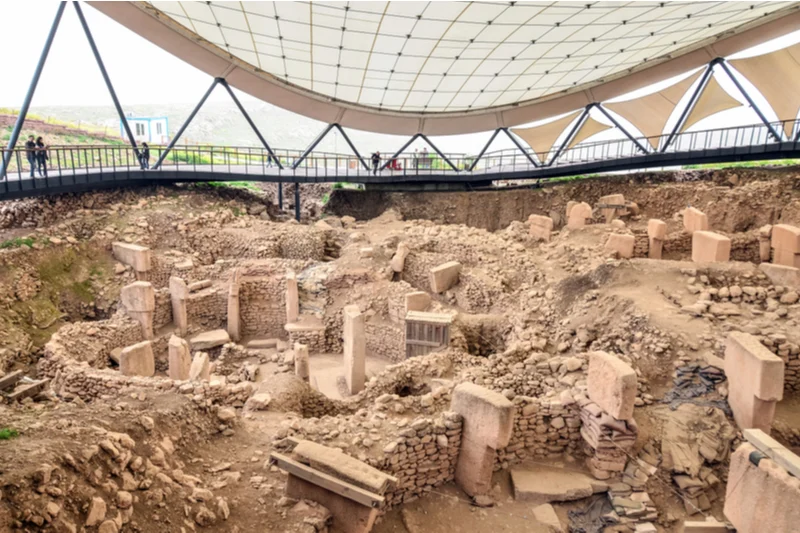
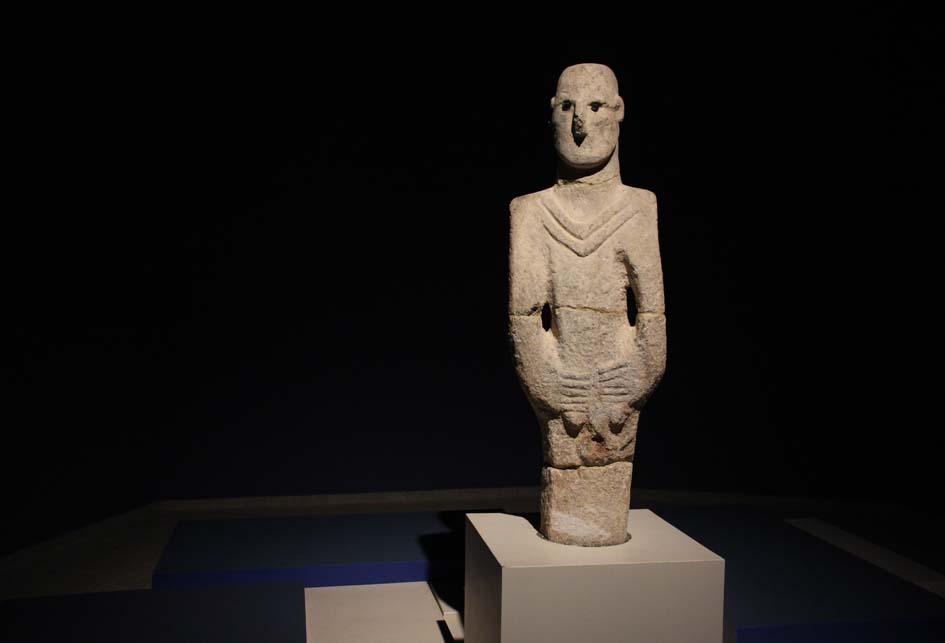
Many areas considered sacred in Urfa date back to prehistoric times. For example, while Balıklı Göl is considered sacred to the people of today, it was seen as having the same value by the people thousands of years ago. Archaeologists have unearthed the world’s oldest human-size statue near Balikli Gol. A smaller version of this 1.80-meter statue was excavated from Göbeklitepe. Today it is exhibited in Şanlıurfa Archeology Museum. The religious importance of the region supports the theory. It is thought that one of the most important elements that can unite the ancient people in a large organization is belief.
In the villages that coincide with the same dates as Göbeklitepe, there is even a common kitchen used by the whole village. If Göbeklitepe is a temple, it is likely that various tribes gathered and performed their rituals at certain times of the year. It is not known exactly what people who are thought to have shamanism-like beliefs believe and how they perform rituals. Almost all of the ancient people on earth have Shamanism and Pagan beliefs. Nature, animals, sacrifices and blood form the basis of these religions. The animal figures on the columns in Göbeklitepe also support these views.
Discoveries Related to Göbeklitepe
According to the latest discoveries, it has been revealed that Göbeklitepe is not alone. 12 more Göbeklitepe-like structures were found around Urfa. Thanks to radar technology, it is known that other structures, similar to Göbeklitepe, consist of various circles and columns.
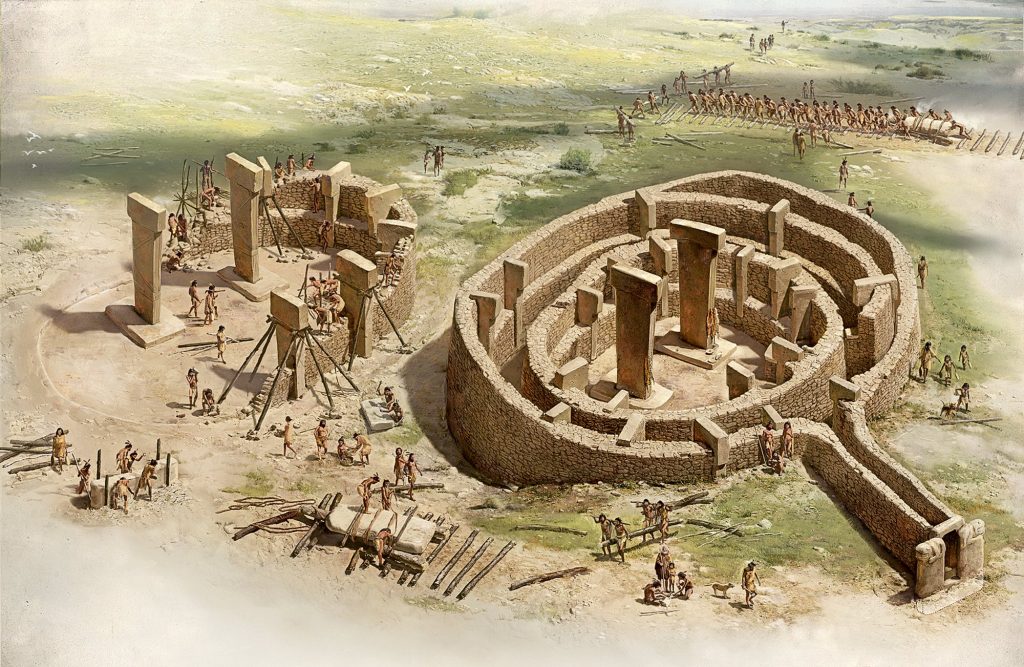
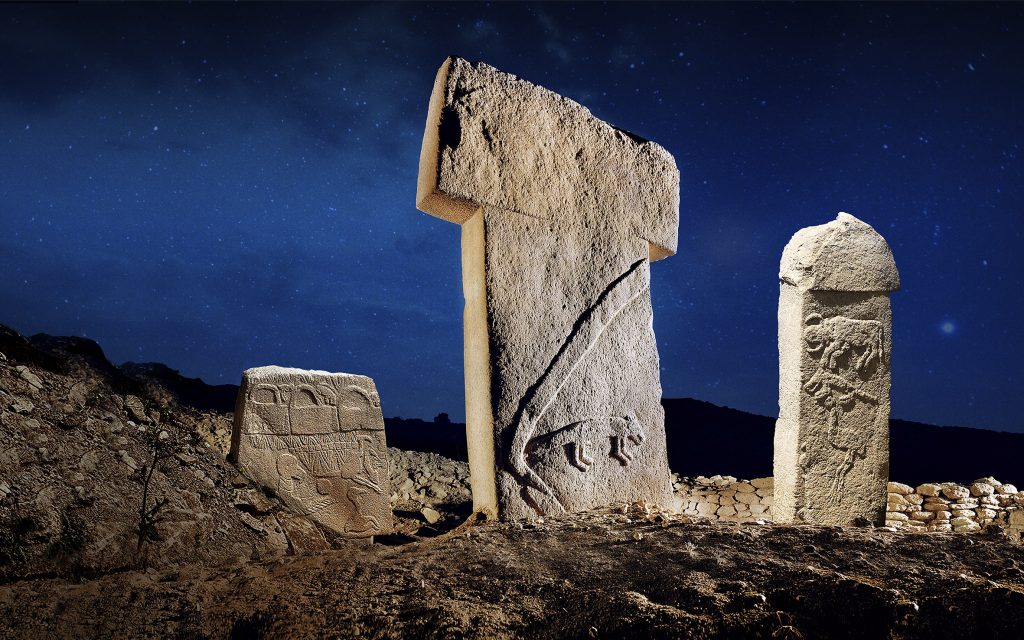
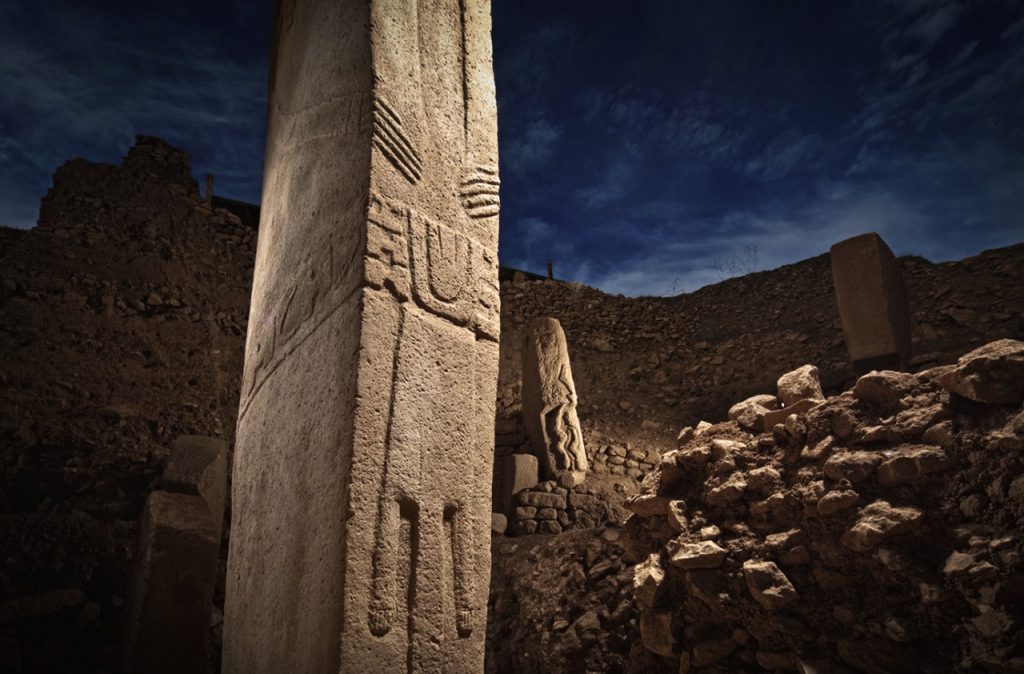
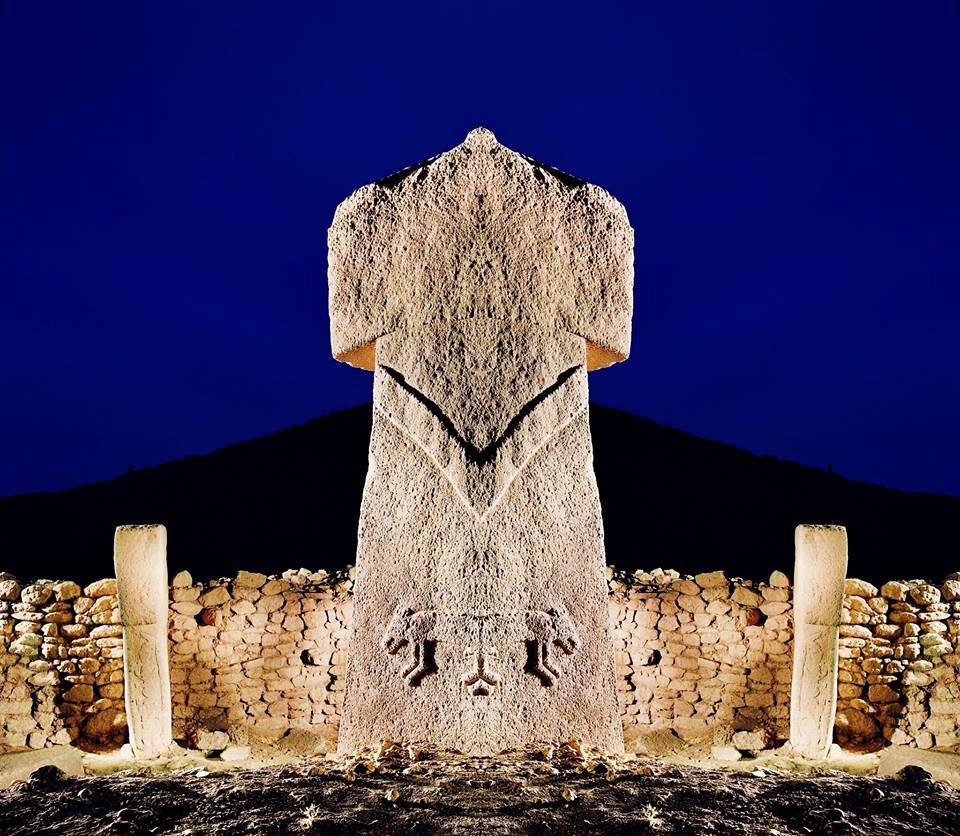
Mankind had a great admiration for nature when he lived as a hunter-gatherer. He respected the power of animals and took care to emulate their hunting tactics. Therefore, leopard, wild boar, lion, various species of extinct animals, birds, spiders are carved into the pillars. There are different stone pillars, some of which were transported in one piece and weighed approximately 16 tons.
Inside the circular structures, there are T-shaped sculptures that symbolize the human being, with the shape of hands and arms on them, but without a face. These sculptures were embroidered with their hands holding their bellies. According to some experts, the reason for not drawing faces is that they attribute divine meaning to the stones.
How was Göbeklitepe Built?
When the surroundings of the hill are examined; It is known that whole rocks were carved and shaped in place, then placed on boards in groups of 50-60 people and transported by human power like a boat. In those years, there were no wheels or various other tools. There were stones and boards used to give shape.
Since some of the pillars weigh 16 tons, it is thought that such engineering could not be done without much ancient knowledge. In other words, Göbeklitepe may have a history dating back more than 12 thousand years. It is not known exactly who these people are and how old they are.

Göbeklitepe is the historical ruins that best tell us the symbolic world of people who were hunters and gatherers. The most important place in the world in this regard is Göbeklitepe. What makes it important is that the ruins are very well preserved. It has been understood that the area is not just a temple, but a public space serving different purposes. It is one of the most distinctive and important points belonging to that transitional time when man began to distinguish himself from animals and saw himself more special. It proves that the fertile crescent region was settled a long time ago than anywhere else in the world. Şanlıurfa is one of the most important and oldest cities in the world in terms of the dark past of humanity.