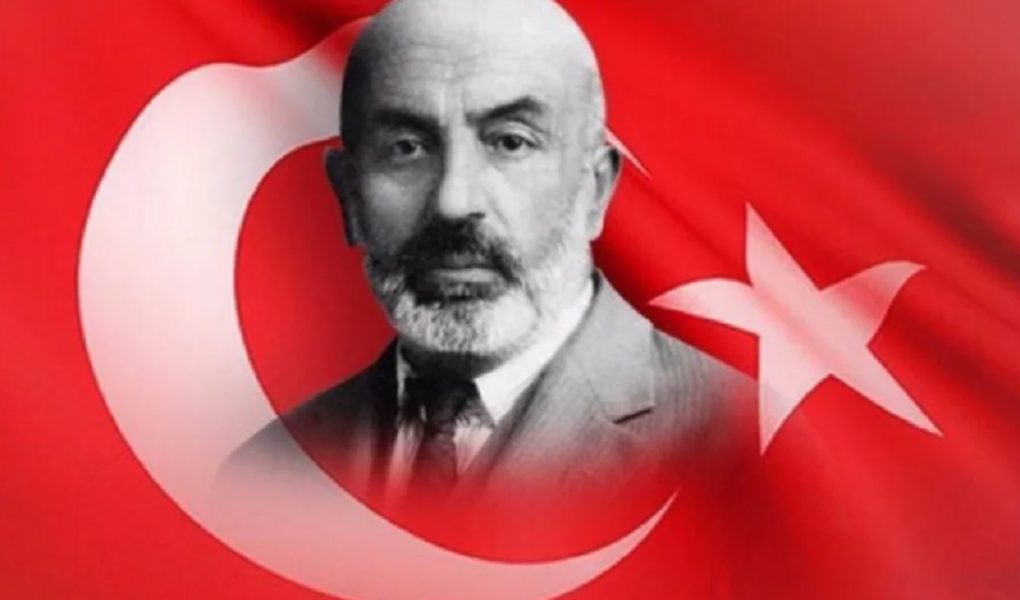
Independence anthem; It is our national anthem written by Mehmet Akif Ersoy and composed by Osman Zeki Üngör while the War of Independence was going on. It was accepted as the “National Anthem” by the Turkish Grand National Assembly on March 12, 1921.
In the National Anthem, Mehmet Akif Ersoy spoke of his devotion to his nation and religion, and also expressed the courage of the Turkish soldier. He emphasized the belief that the War of Independence would be won and gave morale to the people. The National Anthem, which was written with many difficulties, was selected from among many poems.
The Reason Why Mehmet Akif Ersoy Doesn’t Want to Write an Anthem
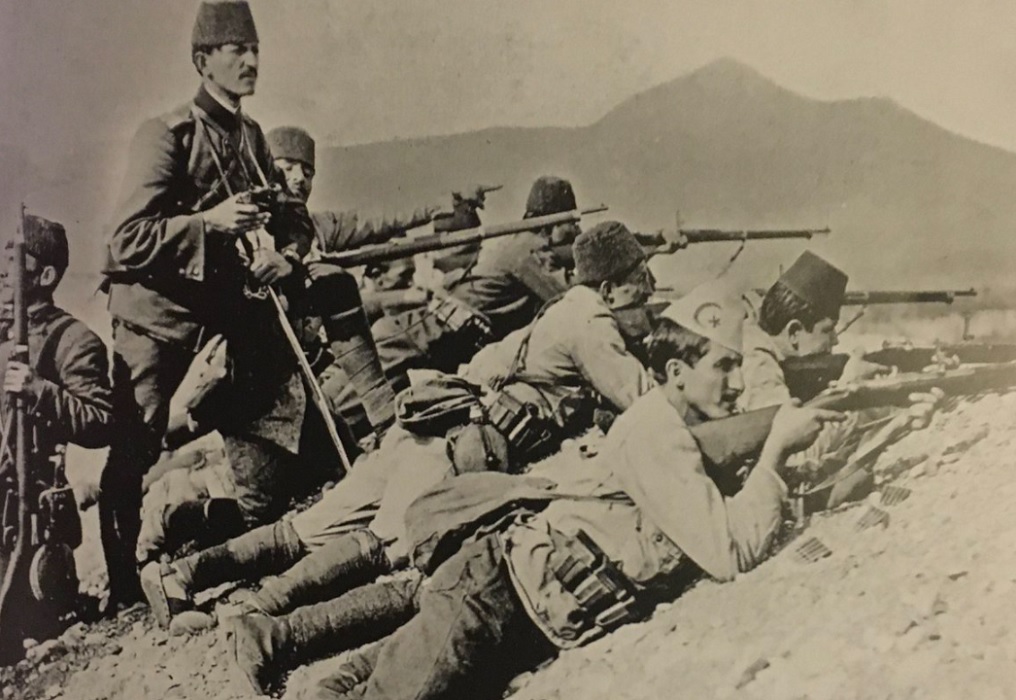
During the War of Independence; It has been decided to prepare a march that will encourage the soldiers at the front who are struggling with difficulties, raise their morale and strengthen their spiritual feelings. For this purpose, an award-winning competition was opened and an announcement was made throughout the country. 724 poems participated in the competition and as a result of the evaluation, 6 poems were nominated to be national anthem. Among the poems participating in the competition are names such as Kazım Karabekir, Hüseyin Suat Yalçın and Kemalettin Kamu. There is no Mehmet Akif Ersoy in this competition. By examining the 6 selected poems, it was decided that they do not have the feature of being a national anthem.
Thereupon, an offer was made to Mehmet Akif Ersoy to write the national anthem. Mehmet Akif Ersoy wanted to participate when the competition opened, but gave up because there was a cash prize. According to Ersoy, it is not appropriate to receive money for a poem to be written for the country. In his opinion, this is a patriotic duty. For this reason, Mehmet Akif Ersoy’s friends, who were reluctant, intervened and tried to persuade him.
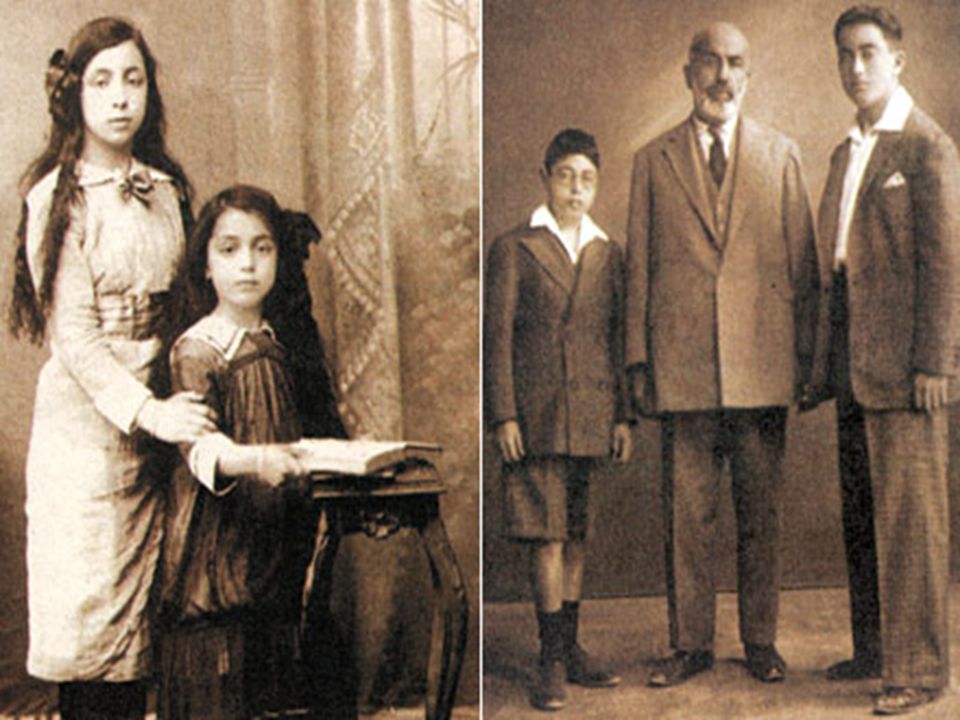
Mehmet Akif Ersoy agreed to write the poem by accepting the condition that the monetary award be donated as aid. “Do not be afraid, the red banner that floats in these unquenchable dawns!” he began his speech. He completed the National Anthem, which he wrote in 48 hours without leaving his room, on February 20, 1921, in the Taceddin Lodge in Ankara. He forwarded the poem anonymously to the necessary authorities. It is said that while he was writing 10 stanzas, he completed the poem by writing on the walls from time to time because he ran out of paper and ink. According to rumors, a friend of Mehmet Akif’s friend who went to his house said that he saw a verse written in blood on the wall.
After the National Anthem was written, it was first sent to the soldiers at the front and was sung among the soldiers. The poem, which encouraged and appreciated the soldiers, was published in the newspapers Hâkimiyet-i Milliye and Sebilürreşad. He later appeared in the newspaper Öğüt in Konya.

The National Anthem was sung by the Minister of National Education, Hamdullah Suphi Tanrıöver, on March 1, 1921, at the TGNA session. The poem, which was listened to in tears by the deputies, received a standing ovation. Later, on March 12, 1921, the Grand National Assembly of Turkey convened again and the poem titled “To Our Hero Army” was accepted as the National Anthem by receiving the majority of votes.

In the same year, a competition was opened for the composition of the National Anthem, but no definite results could be obtained. Later, the composition of Ali Rıfat Çağatay was deemed appropriate by the Ministry of National Education and announced to schools. From 1924 to 1930, the National Anthem was played with this composition. In 1930, the composition played today, prepared by Zeki Üngör, the conductor of the Presidential orchestra, was accepted.
Mehmet Akif Ersoy donated the award he won in the National Anthem competition, which he entered conditionally, to the charity organization Darül Mesai. This organization is a foundation that teaches women and children a profession, sews clothes for soldiers at the front and collects aid. The money Mehmet Akif Ersoy earned; Determining the most suitable and most essential place and donating it there is accepted as an exemplary move in accordance with the spirituality of the anthem.