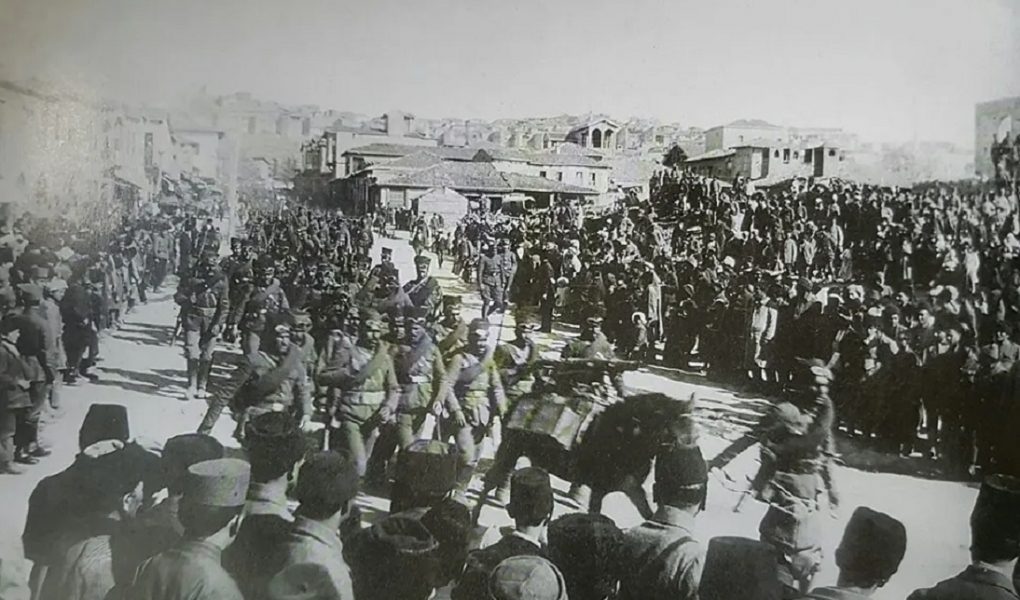
Independence War; It is one of the turning points in the history of Turkey. It is a struggle in which everyone, women, men, young, old, children, mobilizes for the country and risks death. There was a great struggle to become a fully independent state. Countless heroes took part in the War of Independence, which was initiated under the leadership of Mustafa Kemal Atatürk.
The War of Independence was carried out by experienced commanders, but the people who devoted everything to this path in the victory were also very effective. The people, consisting of civilian citizens, and their heroes, for the sake of the country, have thrown their eyes into danger without hesitation. Some of the secret heroes who had an important place in the victory of the War of Independence and the struggle for independence and wrote their names in history;
Symbol of Gaziantep Defense; Mr. Sahin
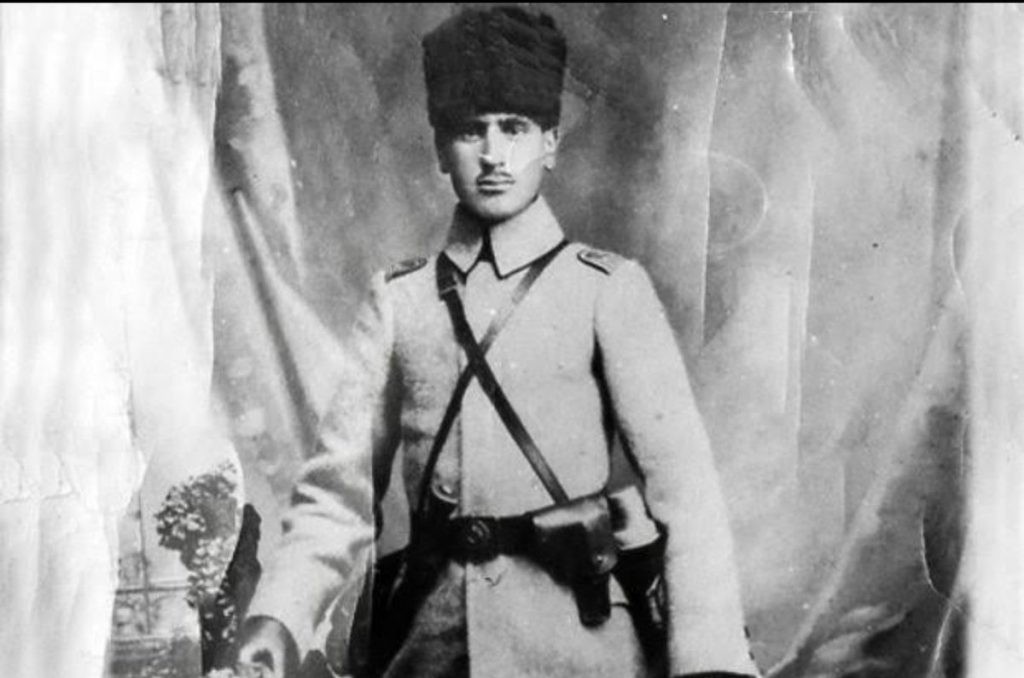
Şahin Bey, whose real name is Mehmet Said, was born in Gaziantep in 1877. In 1899, at the age of 22, he went to Yemen as a private. He became a sergeant major in a short time with his successes in Yemen. Şahin Bey, who voluntarily participated in many dangerous missions, in 1918. in the British camp in Egypt He was taken prisoner and released after the armistice in December 1919.
During the French occupation, Şahinbey started the liberation struggle of Antep by defeating the 150-car convoy carrying provisions for the occupying forces. “The enemy cannot enter Antep without chewing on my corpse!” He went down in history with his words and became one of the heroes that started a great struggle.
Şahin Bey and his companions, who resisted against the enemy, greatly defeated the French troops. The French forces, consisting of 8 thousand infantry and 200 cavalry, attacked again on 25 March 1920 to reach Antep. Şahin Bey showed resistance against the French for 4 days and continued his struggle until he was left alone. Şahinbey, who responded to the enemy fire until his last breath, was martyred on 28 March 1920 on the Elmalı Bridge.
Heroic Symbol of Turkish Women; Şerife Bacı
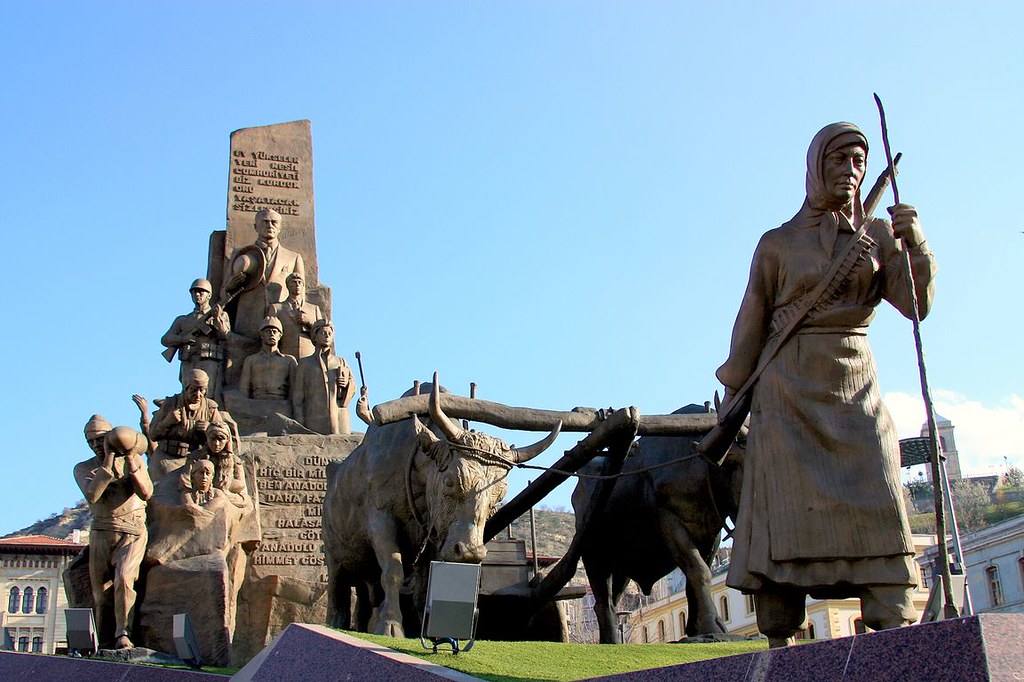
Şerife Bacı; She froze to death while carrying the ammunition she took from İnebolu with her 9-month-old baby in her arms to Kastamonu on the road to independence with oxcarts. She has become one of the symbols of Turkish women in the national struggle with her self-sacrifice.
In 1921, the elderly, women and children set out to deliver the ammunition they took from Bolu to the front. They continued on their way with all their might to cross the Küre Mountains in the freezing weather. Şerife Bacı, who is in her 20s and is at the head of one of the oxcarts, has a 9-month-old baby in her arms. She made a mat of grass between the guns in her cart so that she wouldn’t get cold, and she covered her sweater with the gun and the child.
Şerife Bacı, who worked very hard, tried to protect the ammunition on one hand and prevent the baby from freezing on the other so that the ammunition would not get wet. Şerife Bacı, who could not stand the cold during the tough struggle, froze to death while lying on the guns near the Kastamonu barracks, and her little baby was saved.
Giving Great Skirmishes in the Mountains; Gordesli Makbule
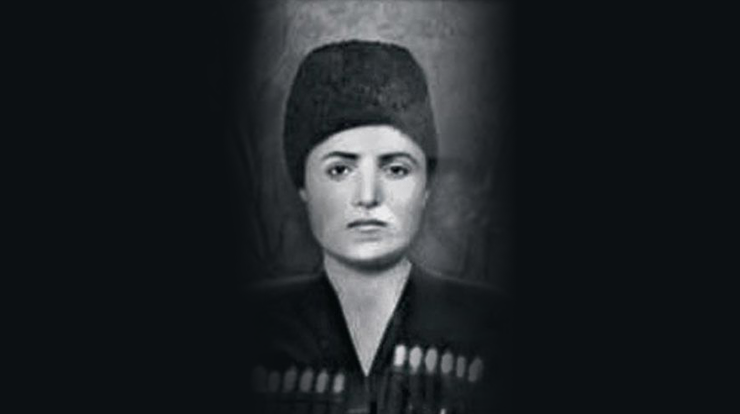
Born in 1902 in the Gördes district of Manisa, Makbule is the daughter of one of the prominent families of Gördes. Makbule, who learned to ride horses and use weapons at a young age, married Halil Efe from Usturumca. At the age of 19, he joined the Kuvayi Milliye and went to the mountains with his wife as a raider. She took part in many battles with the Greek forces and encouraged her comrades with her bravery. With the occupation of İzmir by the Greek army on May 15, 1919, he participated in the gang wars under the command of the Kuvayi Milliye. During this period, the Greeks suffered great losses.
İbrahim Ethem Bey described Makbule Hanım as follows: “He wears black trousers, a jacket and a long coat, he always wears boots on his feet and a black cap on his head and is always covered, only his eyes are in the square. He carried a short Japanese carriage and rode a beautiful well-kept bow from the enemy, and always remained the platoon’s rearguard. . Gördesli Makbule was shot dead in a battle with the Greeks on 17 March 1922 in Koca Yayla, on the border of Akhisar Sungurlu, and was martyred at the age of 21.
Symbol of Hero Maraş; Milkman Imam
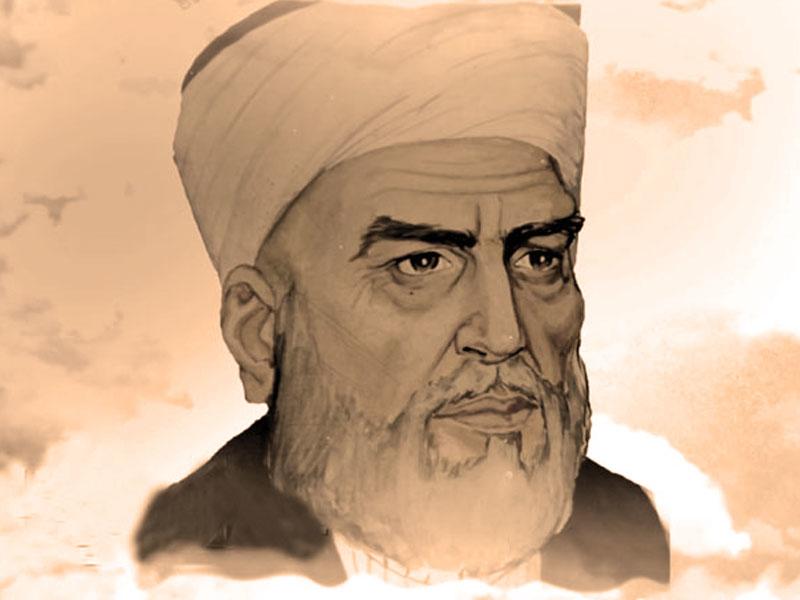
The real name of Sütçü İmam, who makes a living by selling milk and working as an imam in Kahramanmaraş, is Ali. He was born in 1871 in the Fevzi Paşa neighborhood of Maraş. When the enemy soldiers attacked Maraş and wanted to open the veil of 3 women, he fired the first bullet at the enemy. With the first bullet fired on 31 October 1919, the struggle movement in Kahraman Maraş started.
After Maraş was freed from the enemy occupation, he was given the task of chamberlain in the municipality. Later, he worked as an artilleryman in the castle. According to what is said about the death of Sütçü İmam, while the cannon was being fired on the anniversary of the liberation of Kahraman Maraş, the ball caught fire because it overheated, and a piece was lodged in Sütçü İmam’s forehead. Sutcu Imam, who was taken to the hospital immediately, died after living for 2 days.
Symbol of the National Struggle; Marshal Fevzi Cakmak
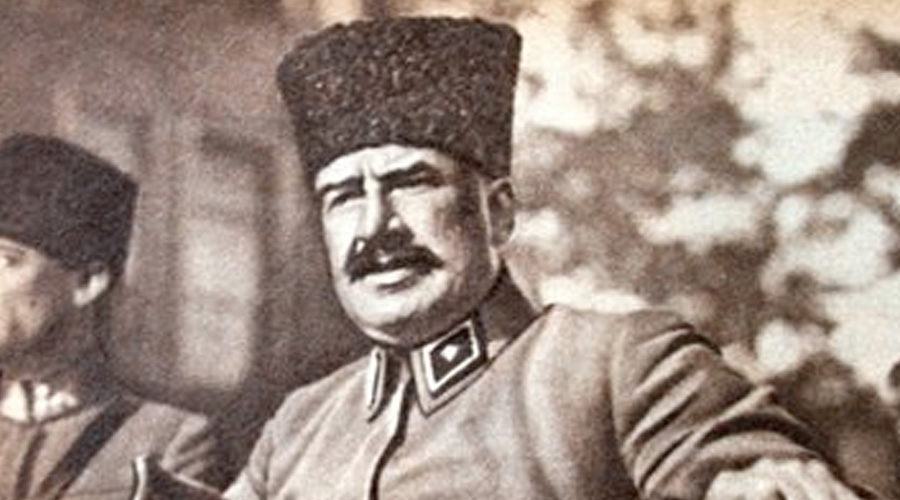
Fevzi Çakmak, the second and last Marshal after Atatürk, is one of the important commanders of the National Struggle. In the National Struggle; He is a hero who made important contributions especially in the Battle of Sakarya, the Great Offensive and the Battle of the Commander-in-Chief.
Fevzi Çakmak, who spent more than half of his life on the battlefields, stood against the occupation of İzmir by the Greek army and took his place in history with the important decisions he made. He was born on January 12, 1876, in Istanbul, the son of artillery colonel Ali Sırrı Bey from Çakmakol. Fevzi Çakmak, who graduated from the military school with the rank of infantry, rose rapidly with his successes in wars. Despite all the difficulties on the battlefields, he continued to protect his homeland. Marshal Fevzi Çakmak, who spent his life doing military service for the Turkish nation, passed away on April 10, 1950.
Symbol of Resistance in the Aegean; Yoruk Ali Efe
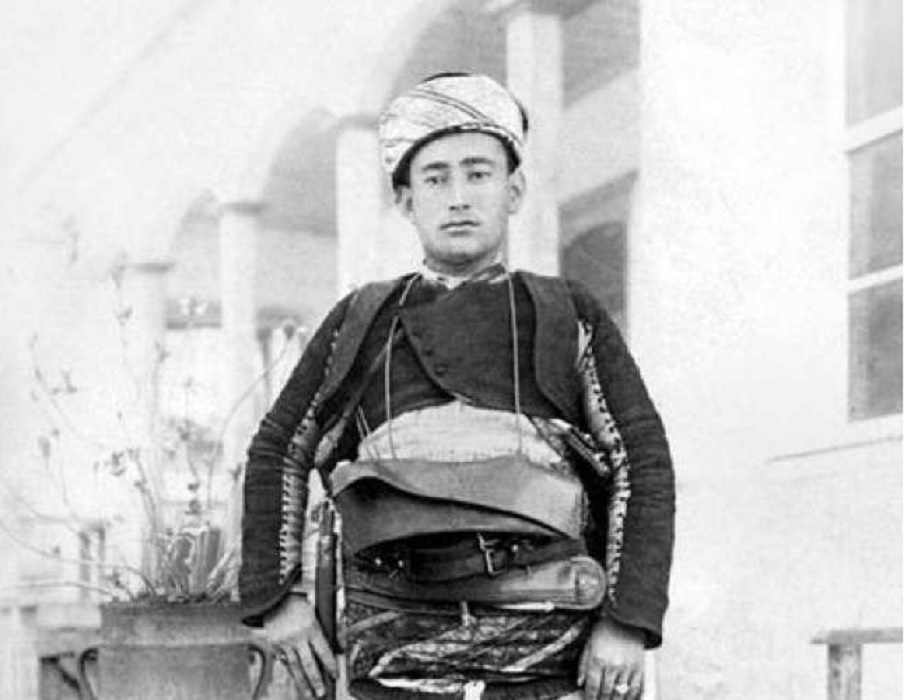
In Aydın, which was under Greek occupation, Ali Efe was the symbolic name who dealt the first blow to the enemy with the Malgaç Raid and started the struggle for independence in the region. At the age of 19, he joined the group of Molla Ahmet Efe from Alanya in the mountains of Aydın, and later became the head of the group after Ahmet Efe’s death. Yörük Ali, who took a place in the hearts of the nation with the heroism he showed, received the title of “efe of the ephemers”. He was born in 1895 in Kavaklı Neighborhood in the Sultanhisar district of Aydın.
In order to save İzmir, Aydın, Nazilli from the enemy occupation, on 16 June 1919, he gave the first raid to the enemy with regular, conscious and national consciousness in western and southern Anatolia. In the Malgaç Raid on the day of Ramadan; The enemy soldier in the Greek outpost on the side of the railway suffered a great loss. With the establishment of the regular army, Yörük Ali joined the regular army with the group under his command and became the commander of the Aydın front. Yörük Ali Efe, who lost his legs in a traffic accident in 1951, died on September 23, 1951.


