
Hannibal Barca; MÖ 247’de Kartaca’da doğmuş bir politikacı ve generaldi. Tüm zamanların en büyük askeri dehası olarak bilinir. Çağının en büyük generallerinden biri olarak kabul edilen Barca, “Stratejinin Babası” olarak tanımlanıyor. Gebze’deki TÜBİTAK arazisi içinde Mustafa Kemal Atatürk’ün hayran olduğu ve araştırdığı dünyaca ünlü komutan için bir anıt var.
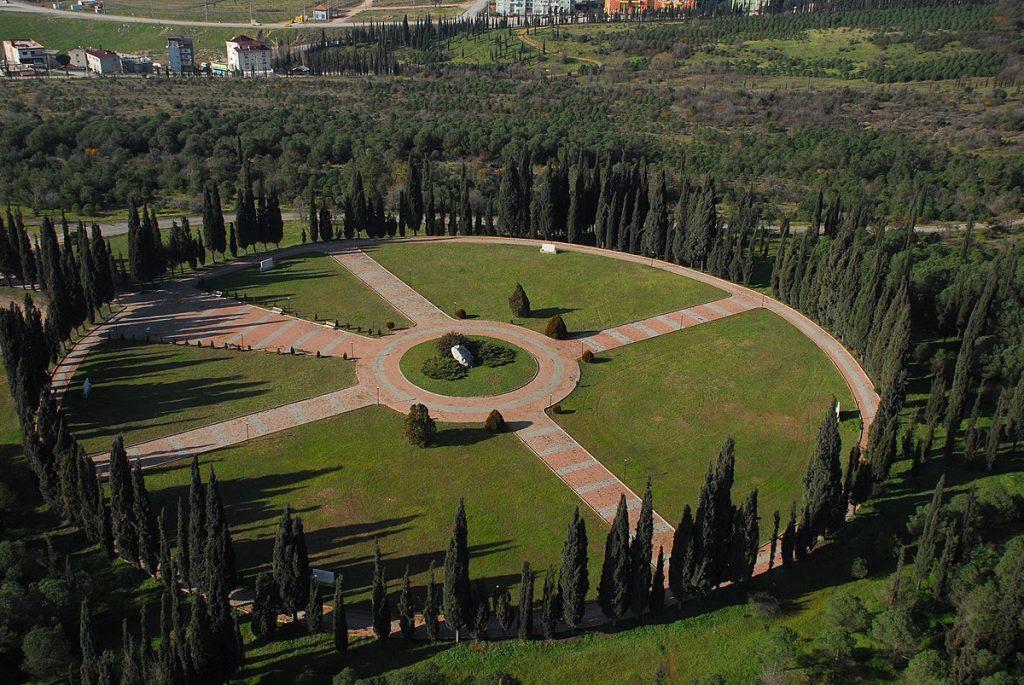
1981 yılında Gebze’de Hannibal Tepe üzerine inşa edilen Hannibal Anıtı, 900 metrekarelik bir alanı kapsayan 5 ayrı bölümden oluşuyor. Hannibal’ın biyografisi; 5 farklı dilde, 5 farklı mermer kitabede yazılmıştır. 25 ton ağırlığındaki anıt Hereke’den getirilen muhallebi taşından yapılmıştır. Anıtın ortasında bir Hannibal portresi var.
Mustafa Kemal Atatürk, 1934 yılında Hannibal’in mezarının Gebze’de bulunmasını ve üzerine bir anıt dikilmesini istemiştir. Hannibal’in mezarının yeri tespit edilemedi, ancak Atatürk’ün dileği doğumunun 100. yılı olan 1981’de gerçekleşti.
Hannibal Barca Alpleri Geçerken
247-183 yılları arasında yaşamış olan Hannibal Barca, Birinci Pön Savaşı’nın ünlü kahramanı Hamilcar Barca’nın oğludur. Küçük yaşlardan itibaren babasıyla savaşlara katıldı ve babasının son dileği ile Roma’ya karşı her zaman kin besleyeceğine yemin etti. II. Pön Savaşı’ndaki başarılarıyla tanınan Hannibal Barca, Roma’nın en büyük düşmanı olarak biliniyor. Birçok önemli savaşta Romalılar tarafından yenilgiye uğratılan Barca, filler ordusuyla İber Yarımadası, Pireneler ve Alpler üzerinden kuzey İtalya’ya girdi.
Hannibal Barca’s journey across the Alps with his army has been the subject of legends. Passing through narrow passages covered with ice, Hannibal and his army struggled with hunger, disease and cold. Due to difficulties, Hannibal received support from the local tribes, but these tribes turned their swords against Hannibal and set up many different ambushes. Barca, who has faced many difficulties, preferred to starve with his soldiers even when food resources were scarce. For this reason, his soldiers from different origins trusted their commanders with all their assets.
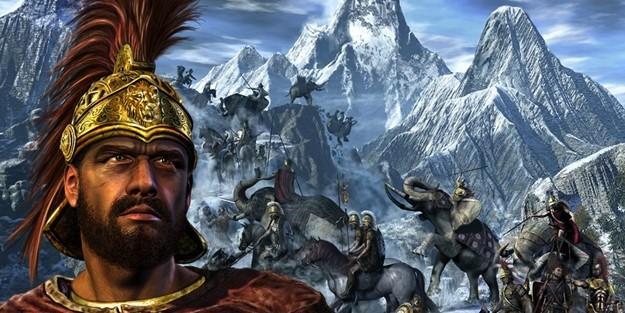
This journey of the army, which has 50 thousand soldiers and 37 elephants, under the conditions of ancient times, is considered a great success. Marching north with his army, Hannibal crossed the Pyrenees, fighting the Celtiberian tribes, and reached the Rhône Valley. Hannibal’s promise to overcome the difficulties in the region, the Romans and their allies, “We will either find a new way or make a new one” has gone down in history.
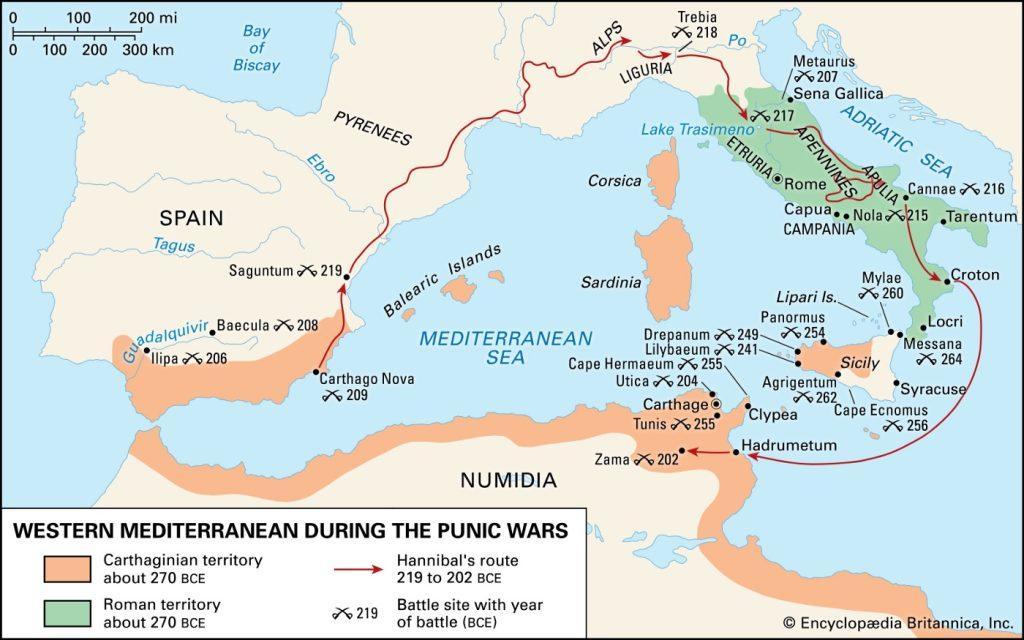
While crossing the Pyrenees and Alps, Hannibal lost part of his army due to the harsh and harsh winter conditions. He advanced to the Po plain with his remaining army, and 14 thousand warriors of the Celts joined his army during this period. Hannibal Barca, BC. In 221, he became the commander of Carthage’s Spanish army. B.C. Until 219, it dominated the communities west of the Ebro. Consolidating his position in Spain, Hannibal Barca, BC. In 219, he captured the city of Saguntum, an ally of Rome. Thereupon, Rome declared war and II. The Punic War has begun.
One of the Greatest Wars in History, II. Punic War
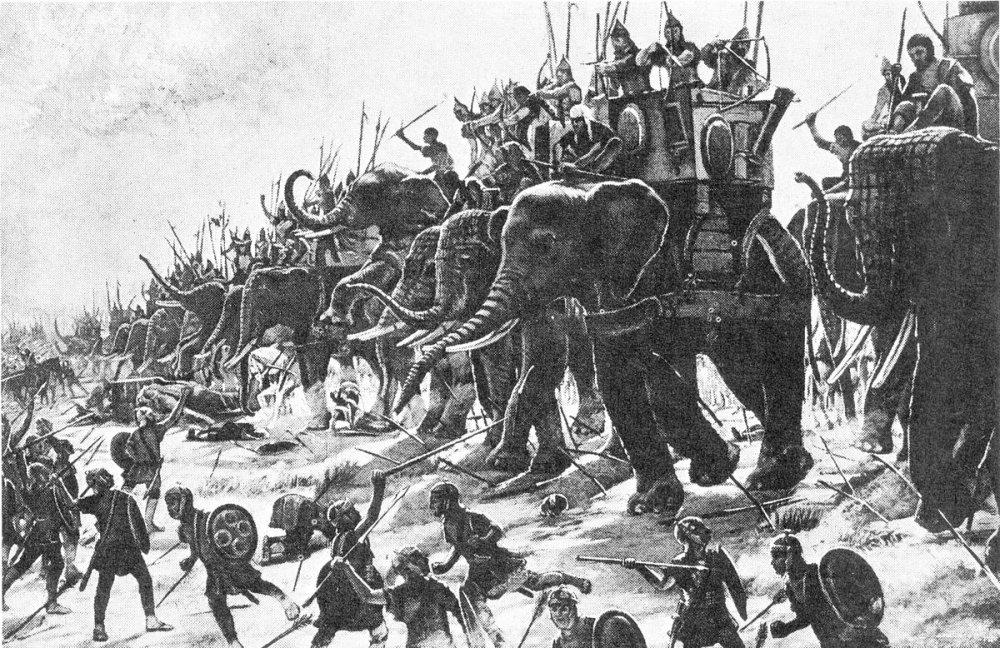
World War II, also known as the Battle of Hannibal or the Battle of Carthage. Punic War; It is a great war that lasted 17 years between the states of Rome and Carthage. It took place in the eastern and western Mediterranean and had a large impact on the region with the participation of Numidian, Berber tribes and other European nations.
The Carthaginian army inflicted a heavy defeat on Rome at the Battle of Trebia, its first battle with the Romans. Also known as Trasimene, 29 thousand Romans and 5 thousand Carthaginians died in this war. With this war, Hannibal proved his military genius to the European nations. Hannibal applied great war tactics by anticipating all the moves of the opposing side in the war.
After the victory, a large part of the Gaul and Celtic tribes sided with Hannibal and the army continued to advance into Italy. The tactics used throughout the war introduced humanity to a new war technique. These tactics, called the War of Extermination; As a method of killing large troops by ambush, it has been widely applied in many wars.
The Exile and Death of Hannibal Barca
After a while, the Roman army recovered and took back the lost cities with siege ships. Roman troops in the Iberian Peninsula captured the city of New Carthage and the entire Iberian Peninsula was under the control of the Roman state. With the Battle of Zama, the last battle of the wars, Carthage had to sign a peace treaty with harsh conditions.
Hannibal voluntarily agreed to go into exile due to rising opposition to him. First the Seleucid Empire went, then he went to Armenia and Bithynia and served as military adviser in the palaces here.
The city of Bursa, located in Anatolia, is said to have been founded with the advice of Hannibal in many sources. While he was with Prusias, King of Bithynia (Bursa), he advised him to establish a city where Bursa is today. It is even thought that the first drinking water network in the city was established by Hannibal.
Having won many military victories, Hannibal tried to get help from the King of Bithynia to start a new war against the Romans, but was unsuccessful. Upon learning that the King of Bithynia would surrender himself to the Romans, BC. He committed suicide in 183 by drinking the poison from his ring.
Although there are conflicting information about the way and place of Hannibal’s death, many sources say that the place where he spent his last days and died was Dakibyza (Gebze) of Libyssa, a small settlement in Bithynia. For this reason, there is a monument arranged in memory of Hannibal in Gebze.


