Bir Tawil is like one of the forgotten corners of the world, a piece of land that no one owns and is perhaps ignored on maps. However, the silence of these lands contains a deep and mysterious story. This region, known for its dereliction and unexplored, waits like a legacy forgotten by time.
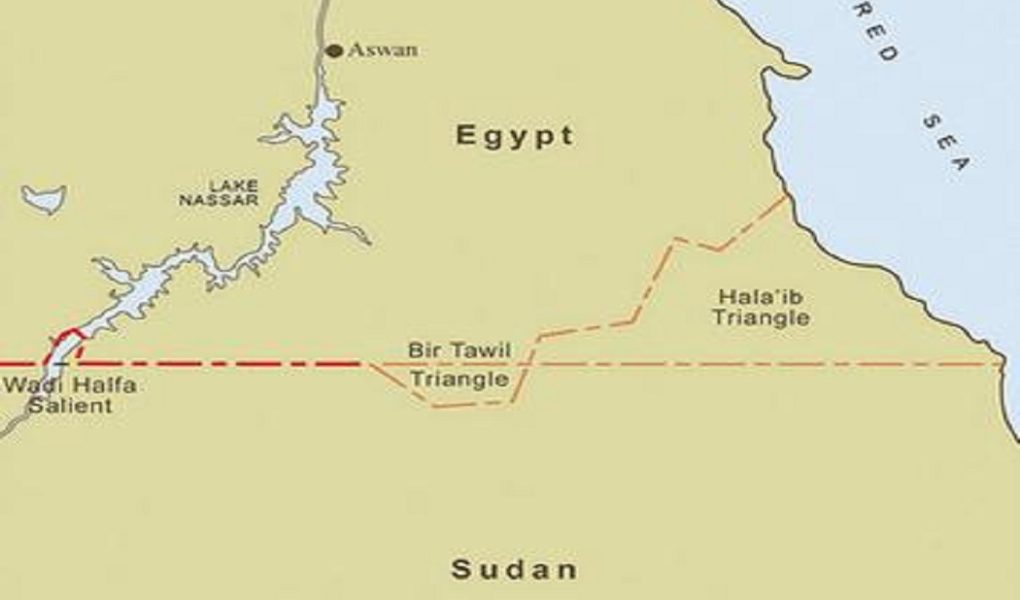
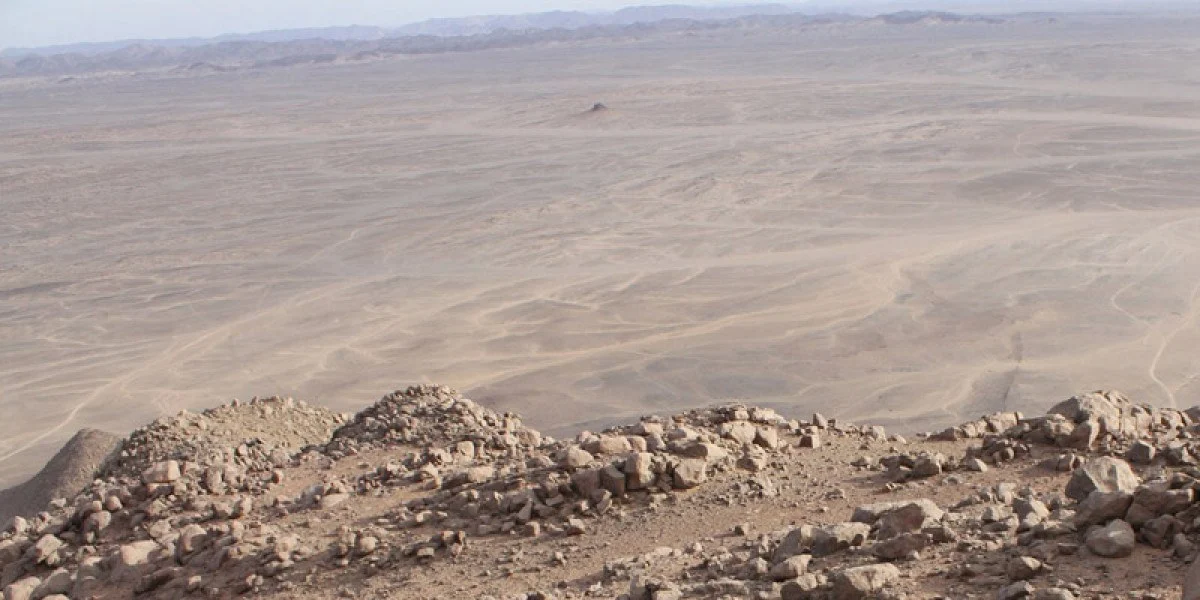
Bir Tawil, between Egypt and Sudan It covers an area of 2,060 km². This region has a status where there is no settlement and it does not belong to any nation. Sometimes Ababda and Bishari tribes They pass through this region.
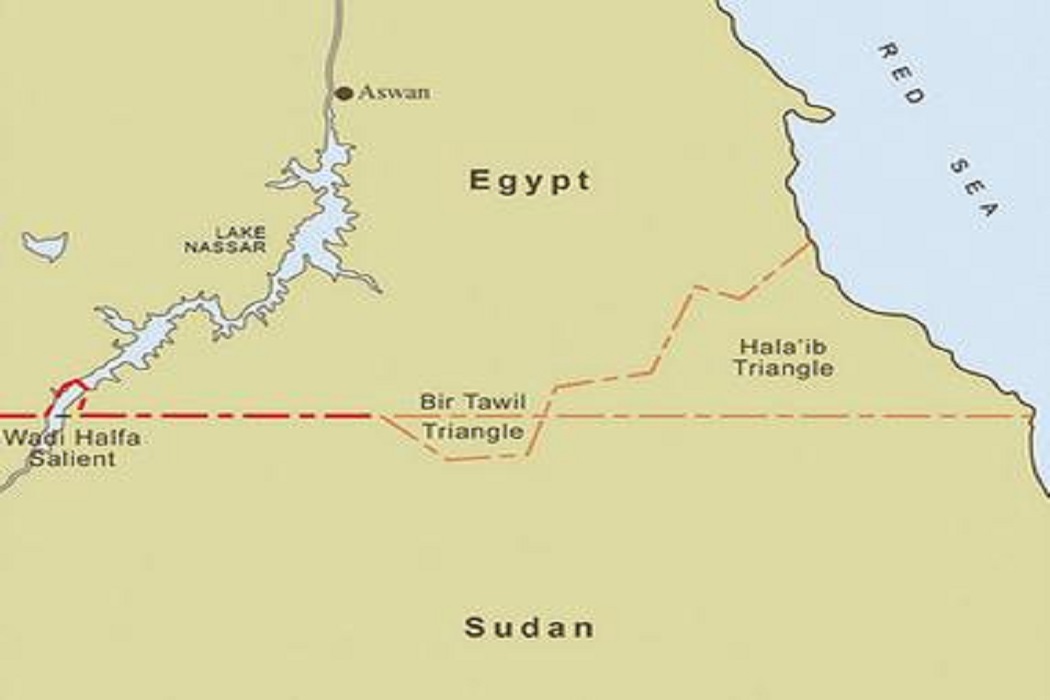
The unclaimedness of this area is due to the discrepancy between the clear political border drawn between Egypt and Sudan in 1899 and the more vague administrative border determined in 1902. While Egypt claims it based on the political border, Sudan claims it based on the administrative border. In this situation, Hala’ib Triangle While requested by both parties, Bir Tawil It is not owned by any party.
In 2014, author Alastair Bonnett He described Bir Tawil as the only habitable region on Earth but not claimed by any recognized government.
Although Bir Tawil has no settled population, people from the Ababda and Bishari tribes pass through this region. Additionally, unregulated mining camps have been established throughout the region to search for gold deposits.
History of Bir Tawil Lands
An agreement made between the United Kingdom and Egypt in 1899 established the administration of Sudan. “22. lands south of the parallel of latitude” defined as. This agreement included a provision that would give Egypt control of the Red Sea port of Suakin, but a later amendment resulted in the transfer of Suakin to Sudan. Then, on November 4, 1902, the United Kingdom adopted a separate regulation intended to reflect actual use by tribes in the area. “administrative border” he drew.
Bir Tawil was a grazing land used by the Ababda tribe near Aswan and was therefore given over to Egyptian administration. Similarly, the Hala’ib Triangle in the northeast was placed under the administration of the British governor of Sudan because its inhabitants were culturally closer to Khartoum.
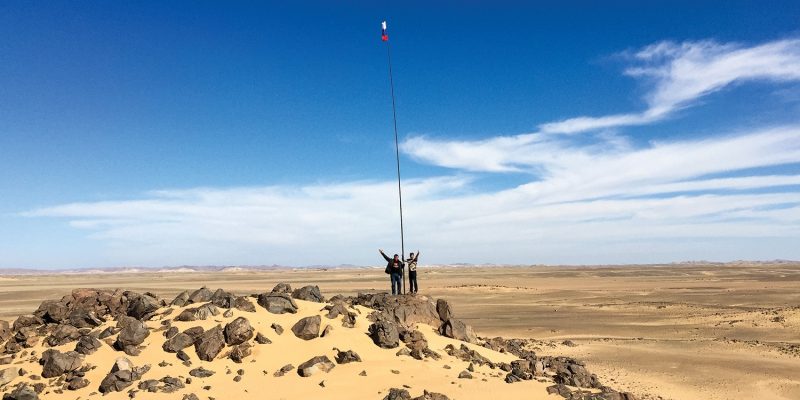
Egypt wants to place the Hala’ib Triangle in Egypt and Bir Tawil in Sudan, claiming the 22nd parallel, the original 1899 border. However, Sudan wants to place Hala’ib in Sudan and Bir Tawil in Egypt, based on the 1902 administrative border. As a result, both countries claim Hala’ib, and neither claims the much smaller and less valuable district of Bir Tawil.
There is no basis in international law for them to claim either territory, and neither country is willing to give up Hala’ib. As a neglected region not claimed by a third state, Bir Tawil is one of the rare lands in the world that is not claimed by any recognized state.
To join our WhatsApp group CLICK!


