
Developed at the University of Columbia, the new generation robot technology has aroused a great impact in the scientific world. This system, called “Truss Link, lar, not only moves; At the same time, he can analyze other robots in the surrounding area to use their parts to improve his structure. The prototype of a “cannibal robot” prototype, which grows by eating its own species, points to a future that does not look for science fiction films.
It can change and improve its parts
This system uses modules with magnetic tips, each designed in the form of rods. The modules can extend, bend and connect to each other to create different robotic structures. These modules, which look like simple structures, offer high flexibility and versatility when they come together. Moreover, the system can constantly improve itself by removing low -function parts and integrating more efficient ones instead.
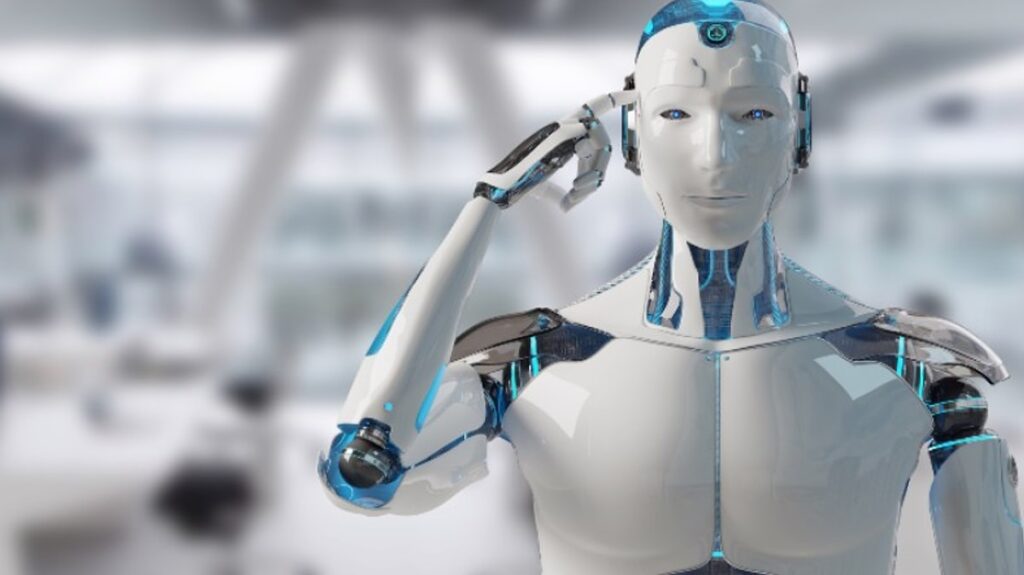
Evolves using robots around
The most striking point is from other robots around the robot. “Remove the piece” self -strengthening. This behavior, by some scientists “Mechanical cannibalism” defined as. The robot can repair not only its own development, but also other robots that need. It turns into an artificial organism with its cooperation and adaptation capabilities.
A mechanical evolution inspired by nature
Researchers were based on the biological structures in nature while developing this system. In particular, the idea of producing thousands of different proteins from only 20 different amino acids inspired. In this context, Truss link modules were considered as amino acids: unlimited number of structures and functions can be produced from a limited number of basic parts. This approach shows that artificial intelligence and robot science gains an evolutionary dimension.
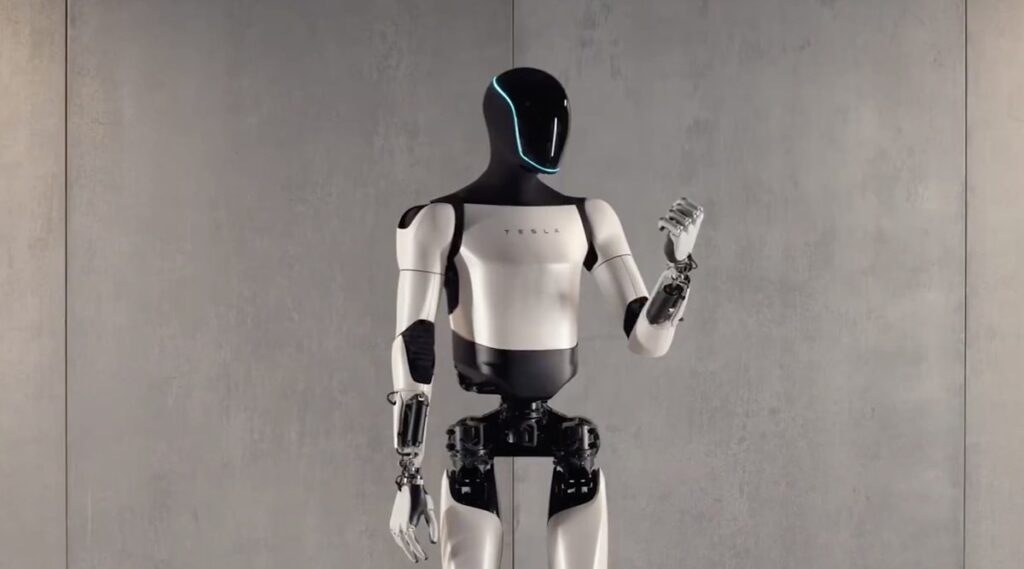
New Generation Robots: Ethical questions are also on the agenda
Although this development seems to have jumped out of science fiction films, it is real. Robots that can repair, restructure and benefit from the surrounding resources can change the vision of the future technology. However, the ethical boundaries, control mechanisms and potential dangers of these technologies have also been seriously discussed.
To join our WhatsApp Group Click here!


