NASA’s James Webb Space Telescope examined a ghostly object that had been observed by some ground-based telescopes in the past but was not detected by the Hubble Space Telescope. This object belongs to a distant galaxy called AzTECC71 and provides important information about the oldest structures of the universe.
The James Webb Space Telescope continues to solve the unknown. Telescope, Hubble Space Telescope observed this mysterious ghostly object that could not be detected by. This object, which had previously been observed by some ground-based telescopes but could not be viewed by Hubble, attracted the attention of James Webb. Here are the details of this ghost object…
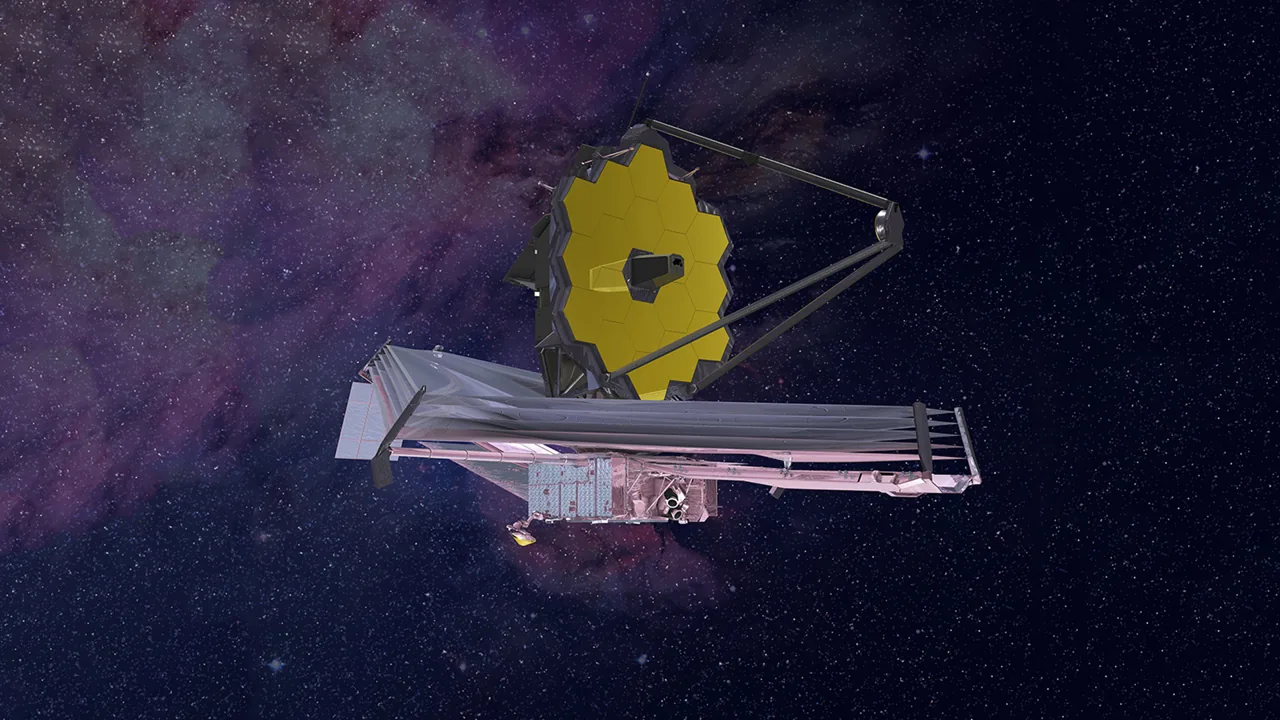
What is a Ghostly Object?
This object is located very far from our planet. AzTECC71 a named to the galaxy belongs to. Scientists think this galaxy dates to about a billion years after the Big Bang. Therefore, even this ghostly galaxy excites astronomers. Because it offers a glimpse of the oldest structures of the evolution of our universe.
James WebbSome of the things that emerged with the detection of this ghostly object interesting details there is. AzTECC71 It has been observed that massive star-forming regions such as these can exist for such a long time. It also suggests that these formations may be more common than we previously thought. If this is the case, existing theories about the early universe may need to be reconsidered. This may lead to the need for scientists to remodel the early universe.

The fact that AzTECC71 has a dusty structure suggests that the early universe may have been dustier than expected. Additionally, scientists think that galaxies that support star formation grow and evolve. James Webb’s observations show that despite the size of this tiny spot, AzTECC71 is actually quite large. Additionally, it is thought that hundreds of new stars may form every year.
James Webb continues to explore the wonders of the universe. This provides a deeper understanding of the early universe and helps us learn more about how star formation occurs and how the universe has evolved over the last few billion years.
To join our WhatsApp group CLICK!