
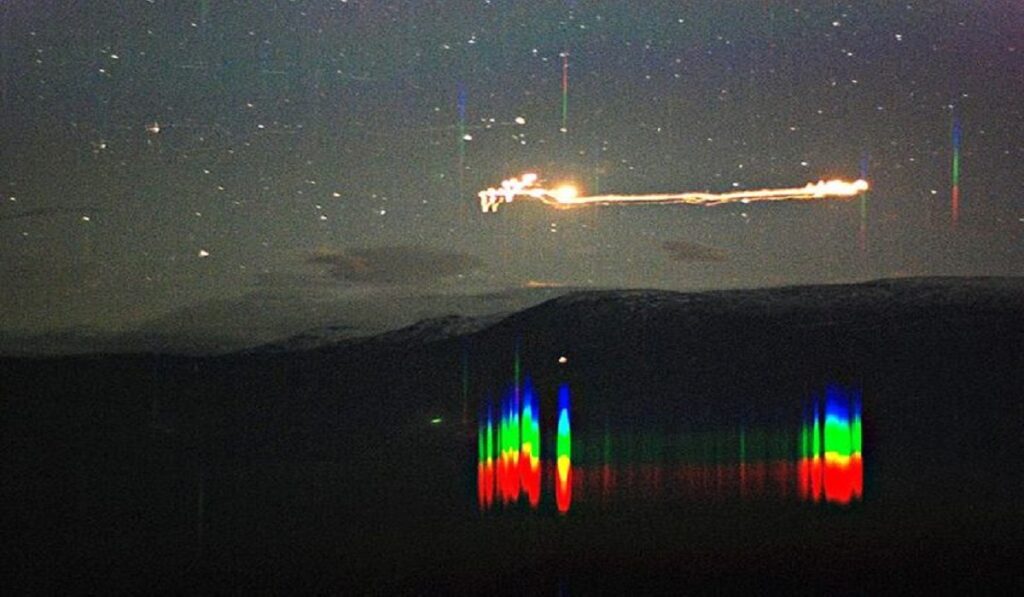
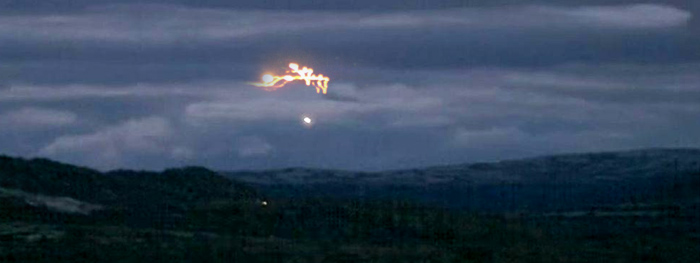
Hesstalen lights are an extraordinary nature event that has been observed since the 1930s in the central parts of Norway. These lights, which occur regularly in the region of approximately 12 kilometers of the valley, are known as phenomena of light phenomena that are filtered in both day and night sky, sometimes hanging and moved rapidly.
Observers of your lights bright white, yellow or red and their duration can vary from a few seconds to an hour. This extraordinary event not only attracted the attention of the local people, but also attracted the attention of the scientific world.
Although the region is known for its natural beauties throughout history, these lights emphasize the mysterious aspect of the valley. Hessdalen is home to one of the most remarkable light phenomena of the world, not only Norway, but also in the world. Especially between December 1981 and mid-1984, light observations took place 15-20 times a week and a significant increase in the number of tourists coming to the region has been experienced. Although the number of observations as of 2010 is only 10-20 per year, the phenomenon still attracts the attention of researchers.
History and Research Projects
Hesstalen Lightshas been reported at least by local people in the region since the 1930s. At that time, observations were mostly attributed to natural phenomena, but the extraordinary movements and colors of lights made researchers curious. In the early 1980s, the intensity of lights increased and attracted the attention of scientists.
Hesstalen Project (1983-1985)
From 1983, UFO Research Groups from Norway and Swedento systematically examine the lights “Hesstalen Project”Ni started. Within the scope of this project, field research was carried out, the movements of the lights were recorded and the accuracy of the observations was increased. During the research, the first data on the behavior of lights was obtained.
Triangle Project and Automatic Measurement Station
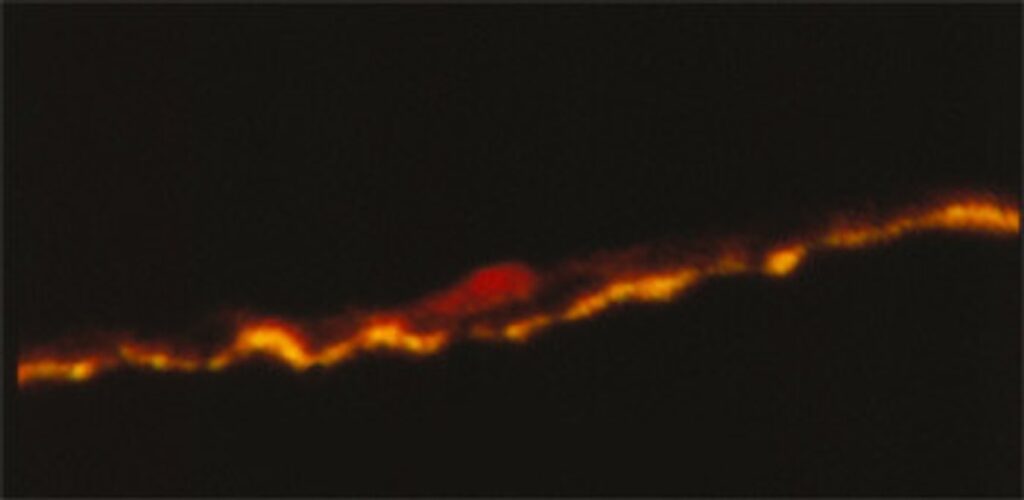
In 1997-1998, students, engineers and journalists came together under the name of “Triangle Project, and recorded the lights in the form of pyramids. In 1998, in order to constantly monitor and record lights HESSSDALEN AUTOMATIC MEASUREMENT STATION (Hessdalen AMS) was established. This station has produced scientific data by measuring the frequency, intensity, colors and movements of the lights.
EMBLA PROGRAM
EMBLA program was initiated for more comprehensive research. The aim of this program is to bring together scientists and students and carry out multidisciplinary studies on Hesstalen lights. Within the scope of the program, it was cooperated with well -known institutions such as the College of Ostfold and Italian National Research Council in Norway.
Properties of Observations
Hesstalen lights have many features unlike ordinary light events:
Colour: White, yellow or red. The launched light balls usually appear in green.
Duration: Some lights can take a few seconds, while others can be observed in the valley for an hour.
Movement: It can progress quickly or swing slowly. Some lights remain hanging in the air.
Location: It can be observed both above and below the horizon.
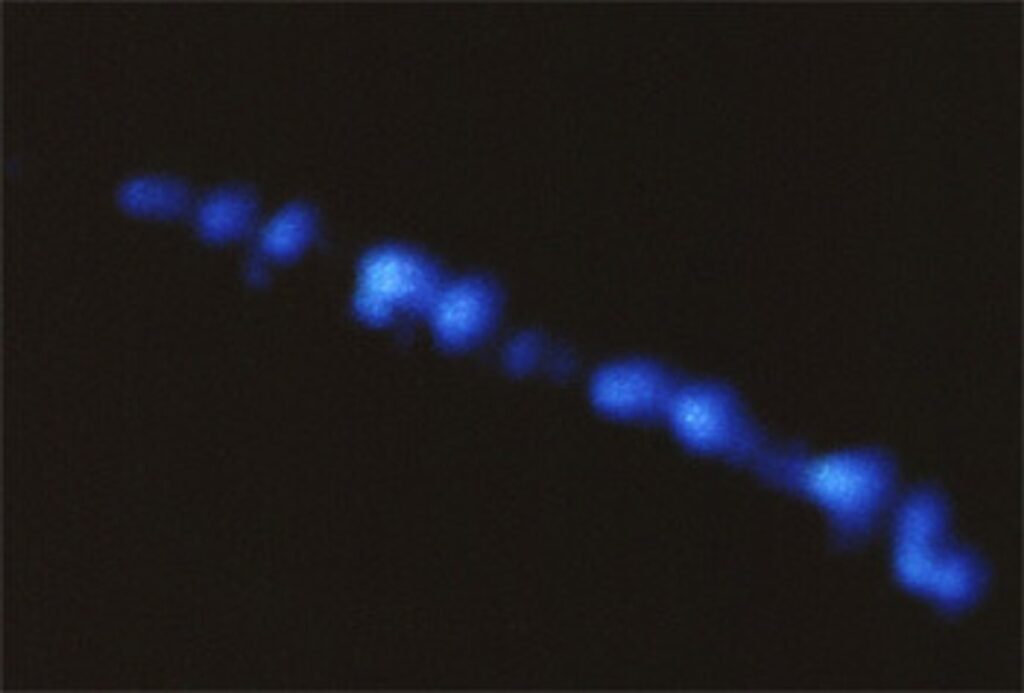
Observations have shown that lights sometimes form geometric structures and sometimes filtered with double spiral movements. These features distinguish lights from ordinary atmospheric events and attract the attention of researchers.
Hypotheses and theories
Many theories have been put forward about the source of Hesstalen lights. There is no definite consensus yet; However, the prominent hypotheses can be summarized as follows:
Incorrect perceptions and reflection
Some observations may have been formed as a result of incorrect perception of celestial bodies, aircraft, car headlights or mirage. This can explain only a part of the phenomenon.
Mining activities and burning of elements
As a result of the mining activities in the valley, it has been suggested that the lights mixed with the dust mixed with the air. According to this hypothesis, elements such as hydrogen, oxygen and titanium produce the observed lights by reacting. The scandium deposits in Hesstalen are considered among the elements that support this theory.
Radon degradation and dusty plasma
According to a hypothesis developed in 2010, during the radon degradation, alpha particles ionize dust in the air and macroscopobic Coulomb crystals are formed. This powder plasma model can explain the release of lights, geometric structure and color spectrum. The presence of radioactive elements and the temperature of the lights (about 5,000 k) support this hypothesis.
Piezoelectric effect
Hesstalen lights were also tried to be explained with a syverator effect due to the density of quartz grains in the region. Electric fields produced under rock voltages can interact with ionized gas and create light phenomena. However, the piezoelectric effect cannot fully explain the geometric structure of lights.
Dusty plasma and ion-acoustic waves
The model, recommended by Gerson Paiva and Carlton TAFT, argues that the Hessdalen lights are a cluster of a light ball formed by low-frequency geoelectromagnetic waves and interaction of dusty-acoustic waves. This model can explain the speed of light balls (10,000–20.000 m/s) and the color distribution. White light in the center causes green light balls thrown out.
Geological Battery and Gas Luminsance
Developed by Jader Monari in 2014, the valley acts like two electrot and Hesja rivers electrolyte. Gas bubbles are electrically loaded with luminesance, which produces Hesstalen lights. This theory emphasizes the role of underground geology and water in the valley.

Scientific measurements and temperature
The temperature of the Hesstalen lights is around 5,000 k. This temperature affects the decomposition rates of the ions:
Oxygen ions (O+2): The rate of decomposition is slower.
Nitrogen ions (n+2): Differentiating faster.
This is one of the factors that determine the color distribution and movement of light balls. The spectrum of the lights can be explained by physical processes such as bremsstrahlung (slowdown radiation) and low -frequency absorption.
SOCIAL AND CULTURAL EFFECTS
Hesstalen Lightshas become a cultural phenomenon not only scientific, but also a cultural phenomenon. Tourists coming to the region camp in the valley to see the lights. The nights where the lights are observed contribute to the regional economy and have an important place in the cultural memory of the local people. It is also a attraction point for groups conducting UFO and paranormal research.
The importance of observations and scientific contributions
Hesstalen lights are a unique laboratory to understand atmospheric and geophysical events. Research:
It contributes to the understanding of plasma physics and ion-acoustic waves.
It allows to observe the effects of radioactive elements in the natural environment.
It helps to examine the interaction of piezoelectric effects and dusty plasma.
Thanks to automatic measuring stations, the phenomenon can be observed continuously and the database is created. This facilitates the verification of theories and the development of new hypotheses.
Comparisons and other phenomena
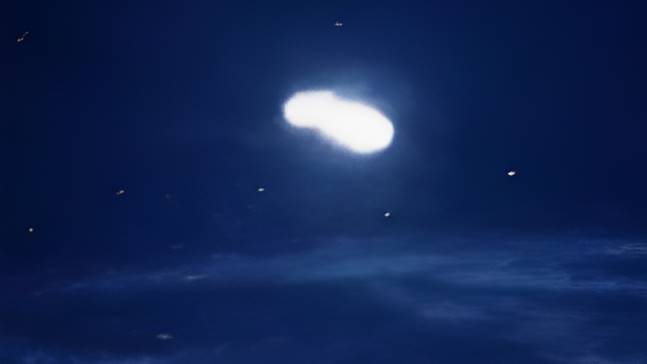
Hesstalen lights are different from the phenomena of other “Flying Lights” observed worldwide. For example, Chupacabra lights in Mexico or Hitachi coast lights in Japan occur only in certain conditions. Hesstalen lights can be observed continuously at both day and night, different colors and speeds. This makes the phenomenon unique and deserves a special interest in the scientific world.
Future research
Scientists carry out various projects to better understand the nature of Hesstalen lights:
Observations with high resolution cameras and spectrometers: Spectral properties and movements of lights are analyzed in detail.
Ionization and plasma simulations: Computer models are used to estimate the behavior of the lights.
Geological and Hydrological Research: The rock structure under the valley and the effect of water are examined.
Measurement of radioactive elements: The contribution of radon, polonium and other elements to the light phenomenon is investigated.
These studies are intended to determine the exact source of the lights and to explain the phenomenon as a natural event.
Meeting Point of Science and Mystery
Hesstalen Lightsis one of the rare natural events in which science and mystery are intertwined. Research shows that lights may occur as a result of a combination of many factors such as dusty plasma, piezoelectric effect, radioactive degradation and geological interactions. However, the issue of exactly why and how the lights were formed has not become clear.
The region continues to be a fascinating center of attraction for both tourists and researchers. Hesstalen lights symbolize the unconscious secrets of nature and the constant curiosity of scientists. These mysterious lights in the valley will continue to inspire future scientific studies.
To join our WhatsApp Group Click here!


