Mandrake (Mandragora or Mandrake) is an extremely interesting herb. The strange appearance of mandrake and the light it emits at night caused it to be perceived as a mysterious and mystical plant. In addition, the use of the plant throughout history has reinforced this perception. Mandrake has been used for medicinal purposes, as well as for making magic and talismans. For these reasons, it has taken place in many myths and legends and has an important place in different cultures.
Mandragora is a plant known as the queen of plants and enchanting with its perfection. It is called the plant of the gods in the Bible’s Book of Genesis. Since ancient times, it has been used extensively in various cultures for its narcotic and aphrodisiac effects and therapeutic properties. According to rabbinical tradition, mandrake grows at the foot of the tree of paradise. According to another belief, this plant grows under the gallows. This peculiar plant, used since the middle ages, is believed to give a kind of scream when plucked.
This plant, which grows in the Mediterranean region and the Himalayas, comes from the nightshade (Solanaceae) family and is known as mandrake in Turkey. This plant, which has been found in many cultures in connection with black magic, has been the subject of many stories throughout history. He has been featured in many works in popular culture such as “Harry Potter”. While it can provide healing when consumed correctly, the knowledge that it can cause death in wrong consumption has led people to wonder and discover this plant.

Properties of Mandrake Plant
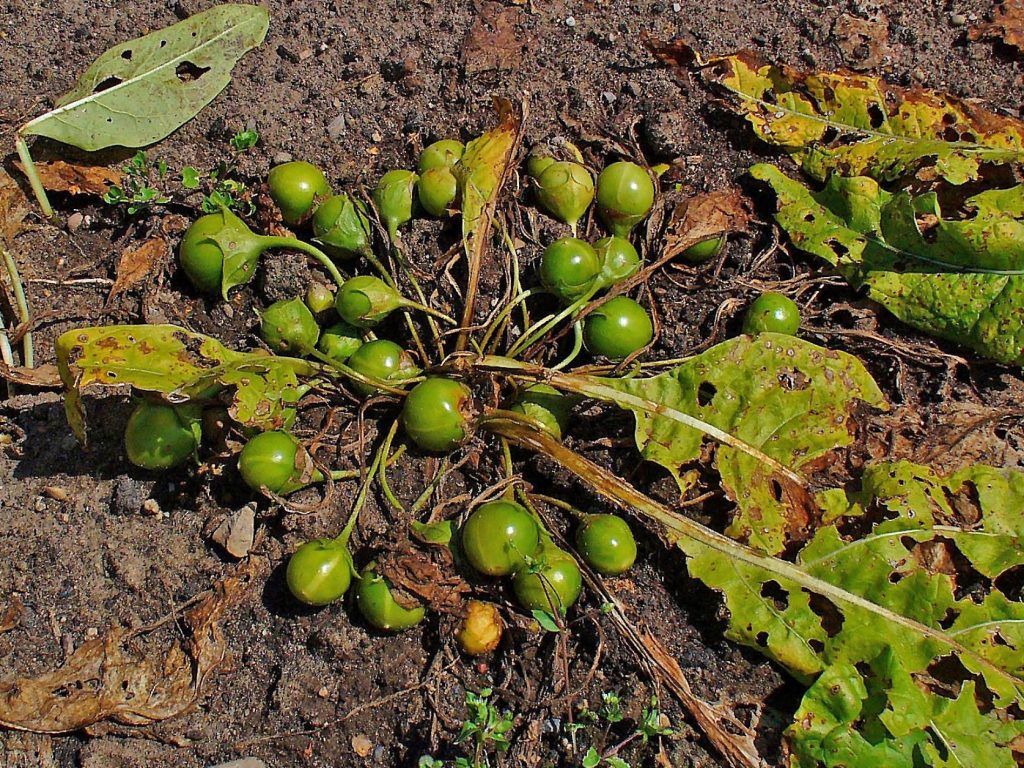
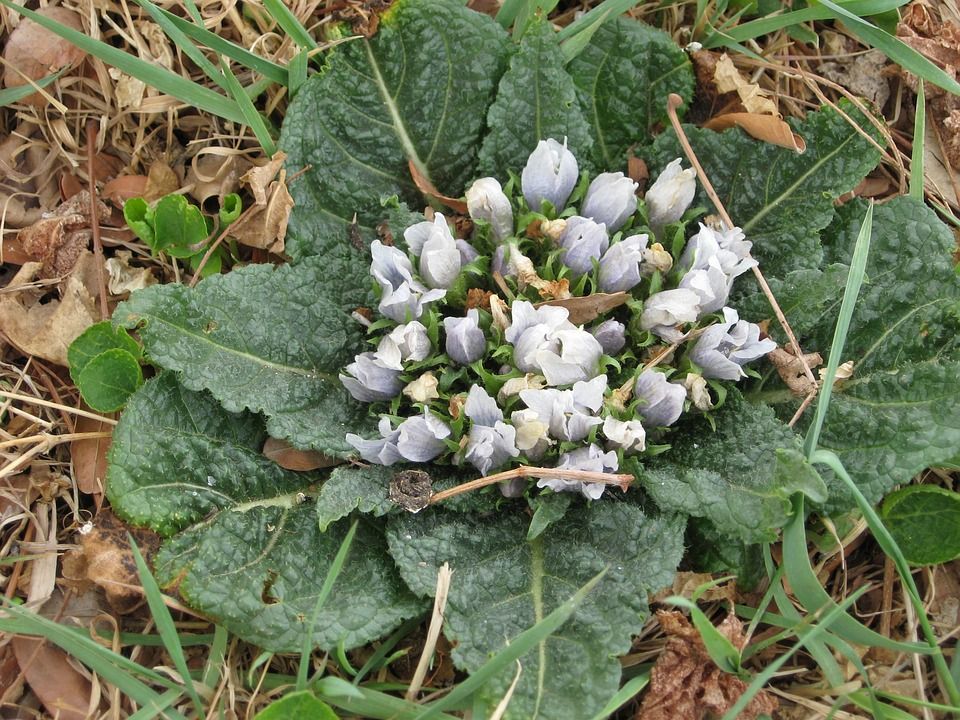
Mandrake; It is a perennial herbaceous plant species that draws attention with its rosette leaves and pile rooted structure. It has purple flowers and yellow fruits. Because its roots resemble human beings, it is called “mandrake”. Mandrake roots contain 0.3 percent of hyoscyamines and scopolamine alkaloids and are therefore a poisonous plant. However, it is used in various preparations due to its effects such as pain reliever, sedative and sexual power enhancer. But its random use can cause serious harm. Mandrake usually grows in Mediterranean countries.
Mandrake is beneficial when used correctly for medicinal purposes. The name Belladonna in Italian means “beautiful woman”. Because when the plant is used for medicinal purposes, it widens the pupils of people, which increases beauty as women have wider and brighter eyes. However, due to this effect, its use for cosmetic purposes is prohibited in some countries. The plant is used in various health problems, as a pain reliever and as an antispasmodic. However, it is very toxic due to its alkaloids content and can be fatal in wrong doses or consumption. For this reason, mandrake should only be used under expert supervision.
Mediterranean mandrakes; It has thick erect roots, often branched and bell-shaped flowers, with oval leaves arranged in a rosette. They are perennial herbaceous plants that subsequently produce yellow or orange fruits. A highly variable plant, mandrakes have long thick roots and almost no stems. Its leaves are borne in a basal rosette, variable in size and shape. The leaves are usually elliptical or broader towards the tips and are hairy to varying degrees. Effects of consuming Mediterranean mandrake may include symptoms such as blurred vision, dilated pupils, dry mouth, difficulty urinating, dizziness, headache, vomiting, flushing, and rapid heartbeat. Hyperactivity and hallucinations are also common side effects.
Mandrake numbs the body in a way different from the effect of local anesthetics today. This herb, formerly used by surgeons for anesthesia, produces a drowsy effect that can be fatal if used in high doses. Also, in ancient times, the juice of the finely grated root was applied externally to relieve rheumatic pains. It was used internally to treat conditions such as melancholy and convulsions. However, it is said to cause delusions and insanity when taken in large doses.
Historical Uses of Mandrake Plant
Mandrakes have historically been associated with magical rituals, as they contain hallucinogenic tropane alkaloids and their roots resemble human figures. Some contemporary pagan traditions, notably Wicca and Ossinism, perform ritual work using mandrakes. During the witch hunt, all women who had mandrake in their home were considered witches. When fireflies congregate on mandrake plants, they cause the plant to shine like a star or look like a flame at night. For this reason, mandrake is known by names such as “Devil’s Wax”.
In most cultures, the yellow fruit of the mandrake plant was seen as a guarantee of conception. Also, its roots were carried in the body as a talisman symbolizing fertility. The goddess of love, beauty and lust, Aphrodite was nicknamed “Mandragonitis”. In the Odysseus saga, it is told that Circe cast a spell on the argonauts with mandrake on the island of Aiaie.
Hannibal, the African army that opposed the domination of Carthage; Caesar, Sicilian pirates; Alexander the Great, on the other hand, defeated his enemies during his eastern campaign with mandrake and drinks made from mandrake. They all prepared shelters filled with poisoned food and then pretended to retreat, allowing their enemies to loot these shelters and eat the food. As a result, they poisoned their enemies and defeated them.

Screaming and Growing Legends of Mandrake Plant
According to some beliefs among the people, the mandrake would scream when its root was uprooted from the ground, and it would either drive mad or kill anyone who heard it. For this reason, there was even a profession called “root removers” in the past. These people used to pluck the unwanted mandrakes in the gardens for money. Root removers knew that mandrake roots could release a toxic gas when leaving the soil, so they gently plucked the mandrakes from the soil.
According to a legend from the 1st century, when the historian Flavius Josephus lived in Jerusalem; After the mandrake root was exposed, a long rope was tied and a ring was made at the end of the rope and put on a dog’s neck. The dog would then sniff a piece of meat and throw it away. The dog running to grab the meat would help uproot the root from the ground. But according to this strange story, the plant would respond by screaming in deafening pain, and the dog would die, groaning in pain. The root remover used to cover his ears tightly with wax so as not to be affected by the plant’s cry of pain. However, as it is believed that those who grow mandrake will prosper their homes and lead a rich life, there are also counter-beliefs to fearful rumors.
According to another belief, mandrake grew under the gallows. The reason was that it was believed that the tears of those who were executed while innocent were multiplied by the drops falling to the ground. According to some, mandrake could only grow where a thief or a virgin was executed. In Iceland, mandrake is called “Thiefroot” (Thjofarot). Because it is believed that the plant is derived from the foams coming out of the mouth of the hanged thief. Hence, another name for mandrake is known as “Little Gallows Man”. The link between mandrake and death was so strong that it was believed that this mysterious herb grew where people who committed suicide died.