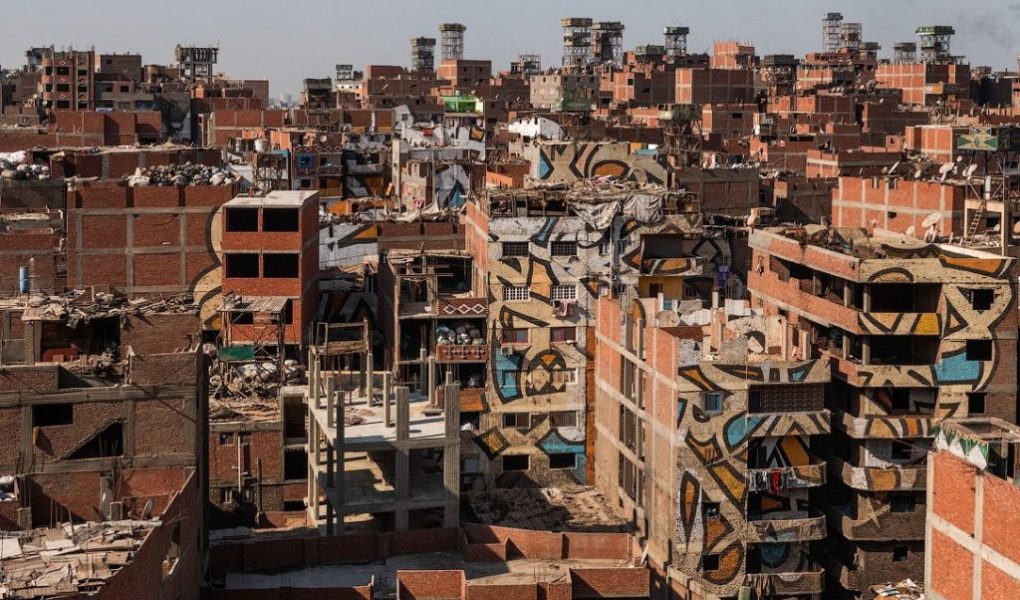
Manshiyat Nasser is an interesting and special area of Cairo. Part of the Egyptian capital Cairo, this region has its own unique character and lifestyle. Especially famous for its “Garbage City” neighborhood, Manshiyat Nasser is home to Cairo’s largest community of garbage collectors, the Zabbaleen. However, the region faces many difficulties in daily life due to lack of infrastructure.
Located at the foot of Moqattam Hill Manshiyat Naseris an ever-expanding slum settlement. The most distinctive feature that distinguishes this region from other settlements is that every square centimeter is covered with garbage. Manshiyat Naser is a building that should serve Cairo’s population of over 20 million. household waste collection It is a result of the failure of the system. The population living in the region compensates for the deficiency in the garbage collection system with their own efforts.
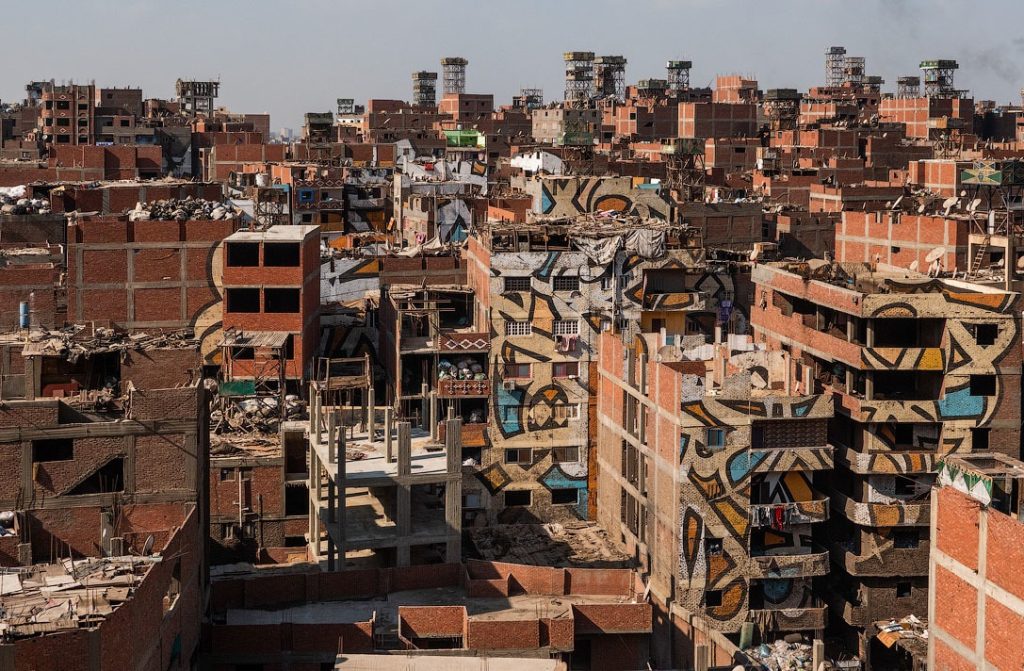
Manshiyat Nasser borders Nasr City to the east, the districts of central Cairo (Historical Cairo) to the west, and the Mokattam district to the south. Located at the foot of the Mokattam hills, the “Garbage City” neighborhood is Cairo’s largestZabbaleen” is home to a community of garbage collectors. Cairo’s economy revolves around this community collecting and recycling garbage from the city. The area, like other areas, contains streets, shops and apartment buildings. However, due to lack of infrastructure, there is often a lack of basic services such as water, sewage or electricity.
Zabbaleen, Egypt’s Garbage Collectors
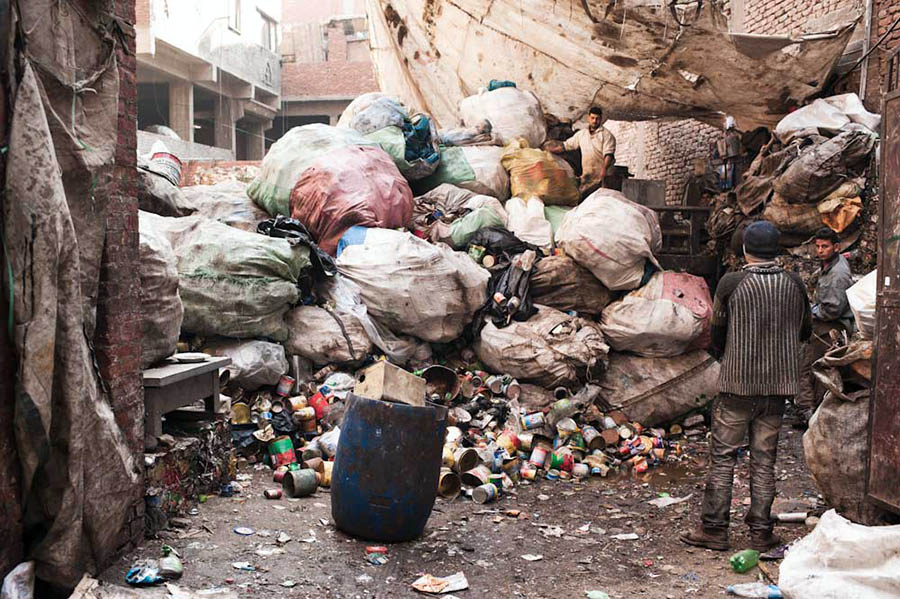
Zabbaleen in Egyptgarbage collectorsIt is a term that refers to a community known as “. This community has made a living by collecting garbage for many years, especially in Cairo. Zabbaleen carry the garbage they collect from Cairo residents in donkey-drawn cars and pickup trucks, and then Mokattam VillageThey separate in . They sell this sorted garbage to middlemen or use it to produce recycled materials.

The Zabbaleen community are poor people who often live in slum conditions. Coptic ChristiansIt consists of. There are seven main settlements where Zabbaleen reside: Ein El Sira, Moatamdia, El Bargil, Tora, Ezbet el Nakhl, Helwan and Mokattam. This community has been collecting garbage almost free of charge for many years and has recycled most of the waste they collected. While this waste collection has traditionally been done by men, children and women also contribute to the process of organizing and separating waste.
The Zabbaleen recycling system, which initially seems like just an outdated method, works very effectively and efficiently. Approximately 90 percent of waste is recycled. This statistic is four times the efficiency achieved by Western recycling companies. This system has positive effects for both the environment and the community.
The Zabbaleen’s Way of Life is in Danger
The Zabbaleen community’s way of life is threatened by the decision of Cairo municipal authorities in 2003 to award large contracts to the multinational garbage disposal company. These changes have jeopardized the socio-economic sustainability of the Zabbaleen. The government does not compensate the Zabbaleen for these changes, leaving the community’s future uncertain.
In 2009, the Egyptian government ordered the culling of all pigs in the region due to the H1N1 flu epidemic. This decision has caused a huge problem for the Zabbaleen community. Because pigs eat waste recycling and sorting was an important part of their process. Following the culling of pigs, piles of garbage and rotting food have been observed to increase.
Finally, there are concerns that the Egyptian government is trying to completely eliminate the Zabbaleen from the village of Mokattam and move them elsewhere. This makes the future of the community even more uncertain. The Zabbaleen community has survived by providing environmental services for many years, but economic and environmental changes threaten this way of life.

Interesting History of Zabbaleen and Wahiya Communities
In the 1910s, a group of Muslim immigrants from the Dakhla oasis in Egypt’s Western desert settled in the area known as Bab El Bahr, located between Attaba and Ramses Square in downtown Cairo. These immigrants are the people of oasis origin who are called “WahiyaThey bore the name “. The term wahiya is used to describe this group of people who take responsibility for the collection and disposal of the city of Cairo’s household waste, as part of agreements with building owners in Cairo.
In this system, Wahiya pays building owners an initial fee and then collects monthly fees from tenants to provide its services. Under this agreement, Wahiya ensures the regular collection and disposal of waste in the city. This regulation serves as a mechanism for financing and managing sanitation services in the city.

In the 1930s and 40s, a second major immigration wave happened. During this period, a new community emerged, mostly consisting of landless peasants, and they were called “Zabbaleen”. The Zabbaleen are actually descendants of subsistence farmers and originate from a rural area such as the El Badari region of Asyut in Upper Egypt. However, the disappearance of agriculture from their way of life caused the Zabbaleen to face economic difficulties, which pushed them to migrate to Cairo in search of work.
After this migration, the Wahiyas cooperated with the Zabbaleen and used the waste they bought from the Zabbaleen as feed for pig breeding. The Zabbaleen initially settled in the Imbaba district of Giza governorate, but in 1970 they received a short notice to be evicted from this area. Later, the Zabbaleen mostly settled in an abandoned quarry located on the outskirts of Mokattam. This area is located in the hills east of Cairo, under the jurisdiction of the Cairo Governorate.

Although the governor of Cairo allowed the Zabbaleen to settle in the area, he did not give them a formal lease or legal tenure. Therefore, the precarious Zabbaleen were forced to live in temporary settlements consisting of makeshift tin huts. Over time, this community of Zabbaleen emerged as Cairo’s unofficial garbage collectors and recyclers. The literal meaning of the word Zabbaleen is “scavengers”. They are also known as “Zarraba” who raise pigs that eat the organic components of the waste they collect.
Before the Zabbaleen’s migration, Wahiya collected waste and used it as a source of energy. It was used especially as fuel for baths and bean cafeterias. However, by the mid-1930s, as fuel oil became the fuel of choice for bathhouses and dining halls, this use of dried waste lost importance. With the migration of the Zabbaleen that coincided with this period, the Zabbaleen emerged, using the organic components of the waste to feed their pigs. Therefore, Wahiya began selling organic waste to Zabbaleen.

Another difference between Zabbaleen and Wahiya is the payment system. While Wahiya controls the rights to access and collect the monthly fees charged to residents, Zabbaleen is often in a position to not receive a share of the monthly fees paid by residents. In fact, Zabbaleen often have to pay Wahiya to gain access to waste garbage. These differences between these two groups create important distinctions in terms of waste management and income distribution.