
Damascus, located at the magnificent intersection of Asia and Africa, has become a deep meeting point between Eastern and Western cultures and has continued to be an important trade center throughout history. Located in the Guta Valley in the southwest of Syria, between Mount Kasiyun on the eastern foothills of the Anti-Lebanon Mountains and the desert area called Bâdiyetüşşam, this city has a deep-rooted history dating back to the depths of history.
Sam, According to some sources, it has a history dating back to 4 thousand and 5 thousand BC. Other studies claim that it dates back to 8,000 to 10,000 BC with the small objects revealed by archaeological studies in the Tell Ramad region. This ancient city and Mount Kasiyunstories that left their mark throughout history and mystic They are two important intersection points that reflect time itself with its atmosphere.
The legends echoing at the foot of Mount Kasiyun and the thousands of years of stories lived among the stone walls of Damascus make this geography more than just a geographical point and beyond time. The city preserves not only its own past, but also the common history of humanity. From the dramatic story of Cain and Abel to the adventure of the spread of Islam, Mount Kasiyun and Damascus represent a rich heritage, each containing its own mysterious world.
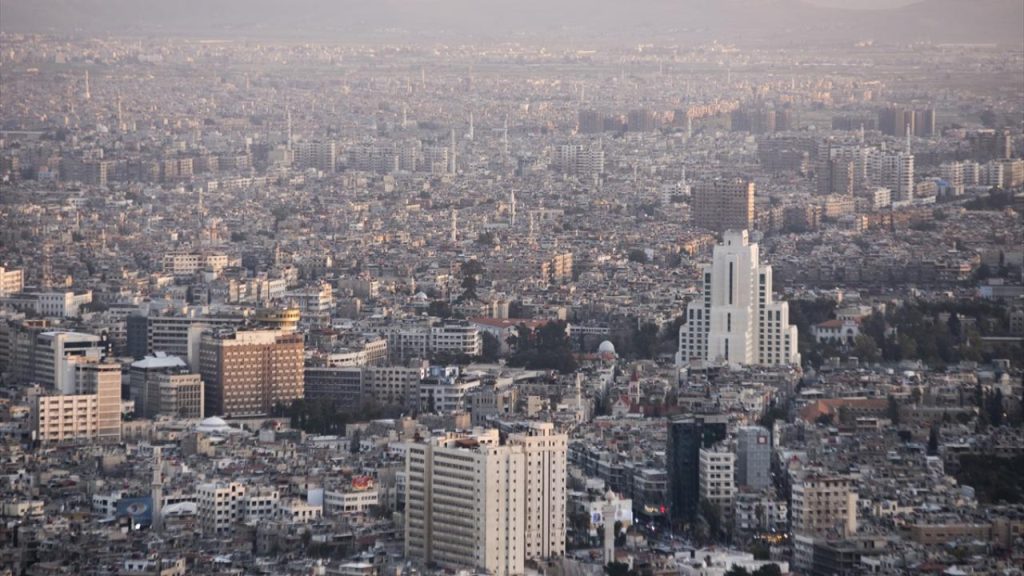
Mount Kasiyun, Where Cain Killed His Brother Abel
One of the mysterious sights of Damascus Mount KasiyunIt is located at an altitude of 1200 meters above sea level and offers a magnificent view of the city from the north of the capital. This mountain, which is a symbol of holiness for the people living around the capital of Syria, Hz. Adam’s son Cain, his brother Abel It is known as the place where he was rumored to have been killed. According to belief, it is the place where the first blood was shed and the first crime was committed. Mount Kasiyun, with its sacred places, caves and legends belonging to the prophets and righteous people attracts attention.
Watching the city from the high points of the mountain also provides visitors with a fascinating experience by offering a panoramic view of the city. Mount Kasiyun is also very popular among Syrians as a picnic and travel area. Offering opportunities such as rest stops and viewing terraces to visitors, this mountain stands out as a region of historical and religious importance along with its natural beauties.
Located at the foot of Mount Kasiyun Habil’s tomb, Mevlana Halid-i Baghdadi And Ibn Arabi It also contains the tombs of famous Sufis such as. However, unfortunately, along with its historical riches, Mount Qasiyun was the target of Sarin Gas missiles launched against Ghouta by forces loyal to Bashar al-Assad on August 21, 2013.
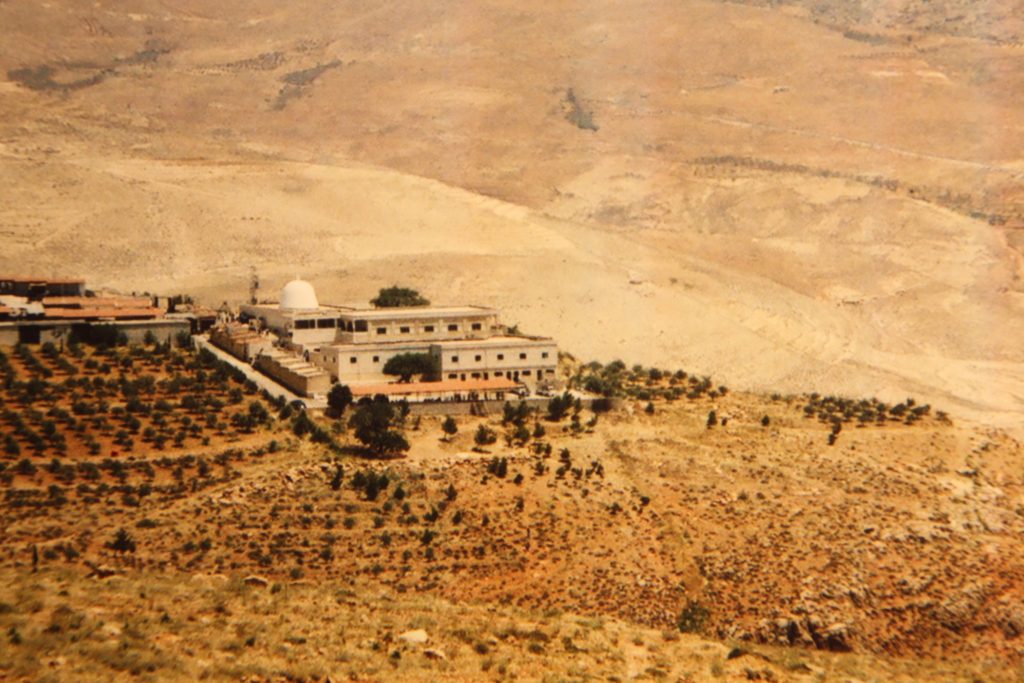
Bilad al-Sham Region and Damascus’s Name ‘Dimashk’
Bilad al-Sham One of the leading centers of the region Damascus (Damascus, Damascus)It has held an important position throughout history. The city came under the definitive domination of the Ottoman Empire in 1521 and became a pasha center of the Ottoman Empire in a short time. Damascus took its name from the term “Damascus” used to express Bilad al-Sham in Arabic sources. Today, it is still called “Damascus” in Turkish.
The influence of the Ottoman Empire in the Arab geography for more than 400 years has brought some expressions to our language in a permanent way. This effect is especially evident in regional names and city names. For example, we frequently use in Turkish The word “Damascus” is an expression inherited from the Ottoman Empire and Arabs call this city “Dimashk”. This naming has also been reflected in Western languages in various ways; Like Damascus, Damas, Damaskus.
Throughout history, Damascus has actually been known as the name of a rather large region, not a city. This region, referred to as “Bilad al-Sham” in Arabic historical sources, covers a large geography that includes present-day Syria, Lebanon, Jordan and sometimes even Palestine. During the Ottoman period, “Damascus”, the largest and most important city of Bilad al-Sham, was described as the summary of the region and therefore it is still used today. When Arabs say “Damascus” they generally mean the city center, and when they say “Damascus” they mean the wide area around Damascus.

The Story of Damascus Receiving the Name ‘Dimaşk’, Woven with Brotherly Blood
There is an interesting belief about the origin of the Arabic name “Dimashk” in the thousands of years of history of Damascus. According to many sources, Hz. sons of Adam Abel and CainThey lived at the foot of Mount Kasiyun, just north of Damascus. According to rumors, during their tests, the two brothers sacrificed to God the most beautiful animal of his herd, Habil, and Cain offered the rottenest of the products he grew in the Damascus plain. On Mount Kasiyun, The event in which only Abel’s sacrifice was accepted and which is also described in the Quran took place. Cain killed his brother Abel out of jealousy and grudge. This event, first murder on earth It was recorded as and took place on Mount Kasiyun.
Some Arab historians believe that the name of the city “Dimashk” refers to Cain’s murder of his brother Abel. “dem-u şakîk” well “brother’s blood” They claim that it comes from the term . According to them, the city name was derived from this first murder and the spilled brother’s blood. As if confirming this claim and rumor, in the upper parts of Mount Kasiyun, Hz. There is also a tomb attributed to Adam’s son Abel. This tomb is approximately 15 meters long and it is believed that the first murder was committed in the cave it is located on. Syrian people and visitors frequently visit this region.

It is not known whether there is any truth to the rumors and whether the word Damascus is actually derived from the term “brother’s blood”. However, one thing is certain: Damascus has been the land of wars, quarrels, murders and blood feuds throughout history. Therefore, when a rumor is put forward that Abel might have been killed by his brother Cain in these places, people can accept this story without questioning whether it is true or not. Because the historical events that took place in these lands caused similar themes to be encountered frequently.
Damascus has been continuously reconstructed and built since it was declared an Islamic land in 635 by the Muslim army under the command of Khalid bin Walid. The city contains many works of Islamic history and culture. Hz. The tomb of Bilal-i Habeshi, the beloved muezzin of the Prophet, is located in Damascus. Additionally, thousands of companions, including Abu’d-Darda, were buried here. Hz. The graves of Hussein’s daughters Zeynep and Rukiye are in the center of old Damascus. Prophet Muhammad, who was martyred in the Karbala disaster in 680. It is accepted that Hussein’s severed head is in a casing in the Umayyad Mosque today. Damascus has an important position in the Islamic world as a city full of such sacred and historical places.

To join our WhatsApp group CLICK!


