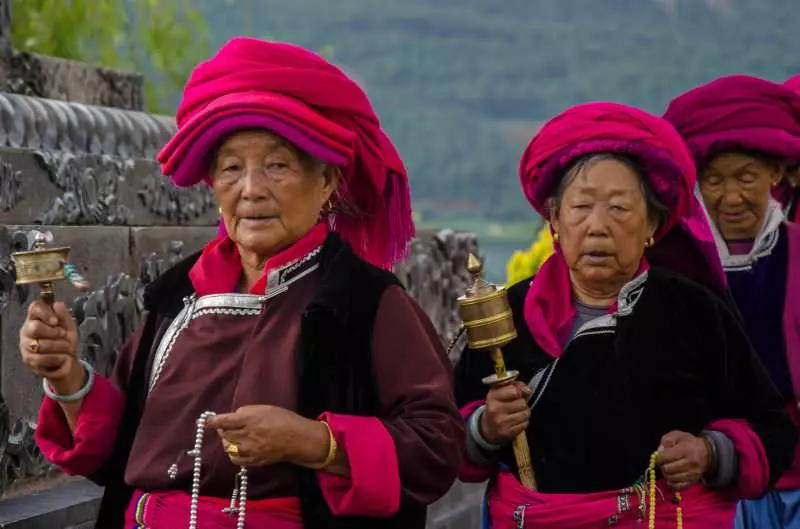
There is a community living in a quiet valley in southwestern China, at the foothills of the Himalayas. This society is known by a name that you may encounter for the first time when you hear it: Mosuo. The Mosuo have an extraordinary lifestyle, a matriarchal social structure and a unique culture. This community, which is not recognized by the Chinese state, has adopted an order in which lineage is traced through women, under the leadership of women.
Although they live in a geography isolated from the outside world, their traditions begin to change under the influence of the environment they live in, in regions that are becoming more and more touristic. The Mosuo lifestyle, the strong role of women and their cultural riches open the doors to a magical world waiting to be discovered. Now, let’s take a step into the mysterious world of the Mosuos and discover the inner face of this unique society.
Children Take Their Mother’s Surname
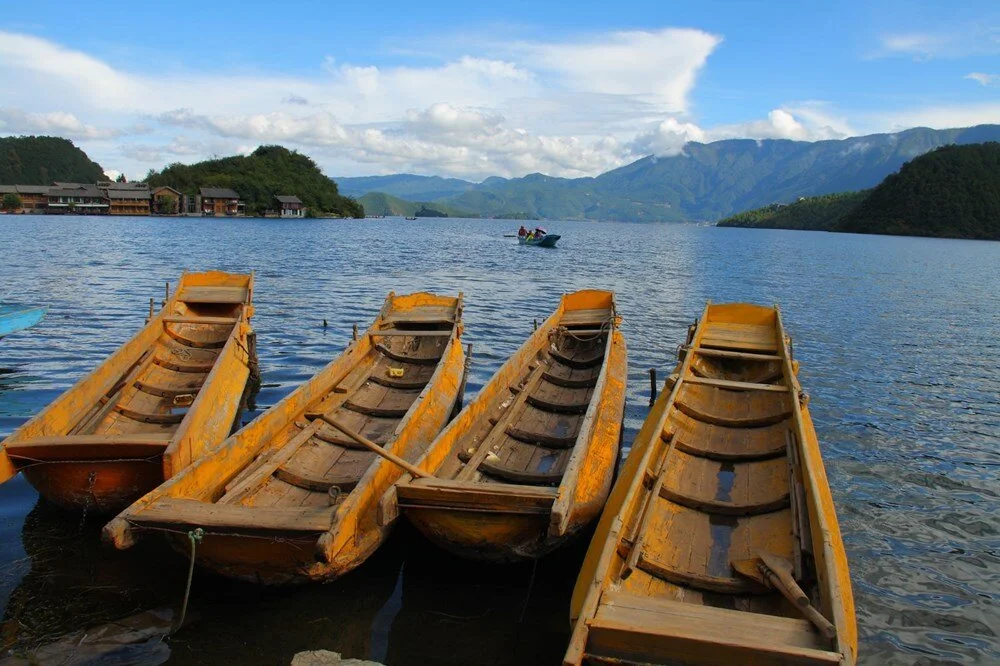
The Mosuo people, settled in the Himalayan foothills of southwestern China, have an extraordinary social structure. In this society, social and economic life is completely domination of women is below. The Mosuo people living around Lake Lugu are rare in the world. matriarchal It is one of the leading examples of societies.
Mosuos live with their extended families in large and spacious houses. The oldest woman is the head of the family, and children usually take their mother’s surname. Therefore, lineage tracing occurs through women in Mosuo society.
The transfer of inheritance also works in a matriarchal manner. When choosing an heir from this tribe, it is not done according to gender role, but through women. Because, men live in the “mother’s house” for life and they have no right to inherit.

Marriage and Responsibilities in Mosuo Society
The institution of marriage in Mosuo society also differs from traditional norms. “wandering marriageThere is an application called “. Accordingly, a man stays at the house of the woman he marries only at night. and leaves there in the morning. This unorthodox marriage practice reflects the uniqueness of the Mosuo social structure.
Men hand over the money they earn to the head of the familyThey are exempt from responsibilities such as family income and child care. In this society, the paternal role of the children is usually undertaken by the maternal uncle of the family.
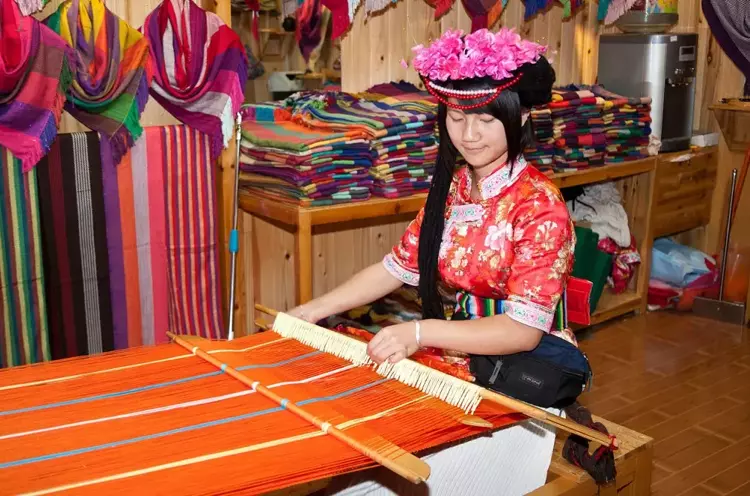
In the Mosuo tribe, housework and family maintenance are entirely the responsibility of women. These women lead a busy and tiring life, undertaking many tasks, from cooking to cleaning, from working in the fields to weaving. While men are consulted when making decisions on political issues, men also work in jobs such as shepherding, fishing and animal slaughter.
In this matriarchal social structure, it is believed that women are the ones who ensure the continuation of the lineage, and therefore the family is expected to have daughters. Also, the Mosuo people use Dictionary equivalents of concepts such as father, uncle, groom, bride, mother-in-law in the local language not found. In this society, problems such as mother-in-law disputes, inheritance fights and divorce crises are rarely seen.
Mosuo women argue that this social structure is more peaceful and that crimes such as violence, theft and rape decrease in a matriarchal society. Mosuo men, on the other hand, adopt this culture thanks to their limited responsibilities and freedom and think that being a man is a comfortable experience for them. This freedom and comfort gives men an advantage, even though women hold social power.
They Are Not Officially Recognized by the Chinese State
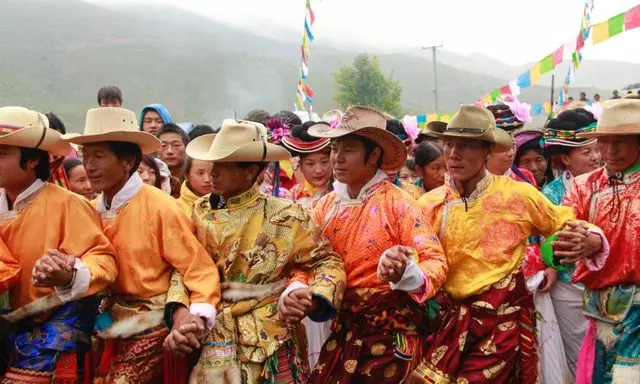
Although the Mosuo are a culturally and genealogically distinct nationality, they are not officially recognized by the Chinese state. They are not considered one of the 56 official ethnic groups recognized in China. This situation relates to the inclusion of the Mosuos into the Nakhi nationality, but there are significant cultural, religious and linguistic differences between the Mosuo tribe and the Nakhi people.
While the Mosuos have a matriarchal social structure, the situation is the opposite for the Nakhi people. Additionally, while the Mosuos believe in Tibetan Buddhism, the Nakhi people have different beliefs. The local languages used between the two groups are also completely different from each other.
They Live in a Geography Isolated from the Outside World
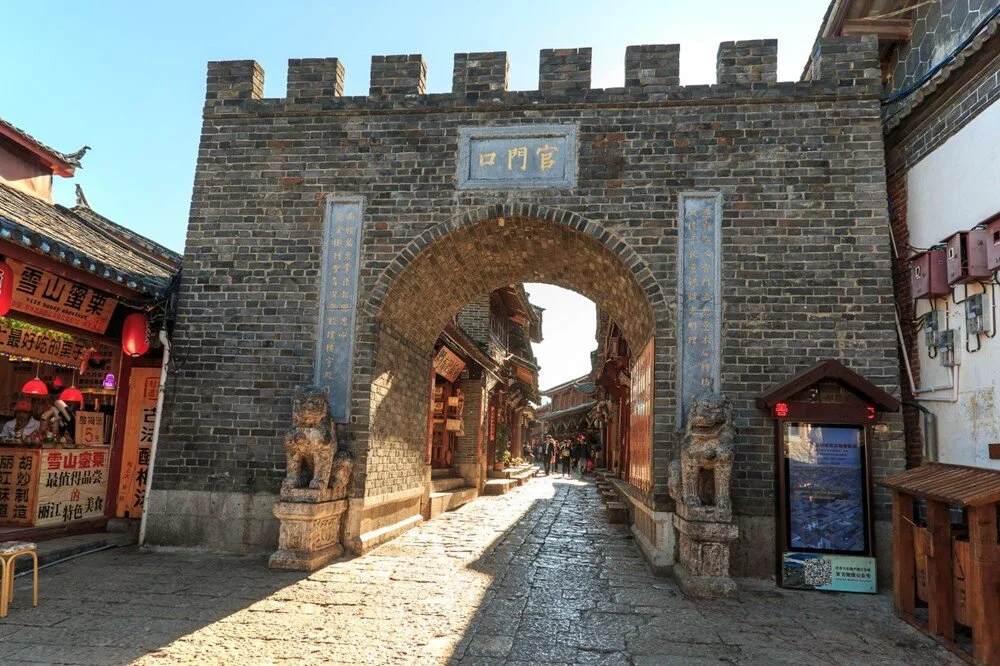
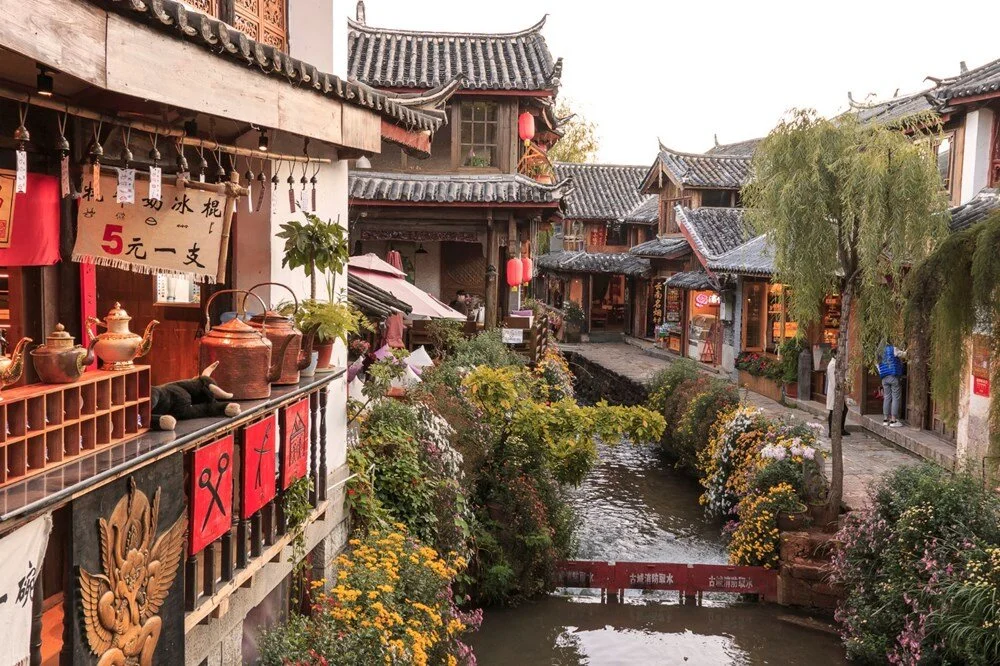
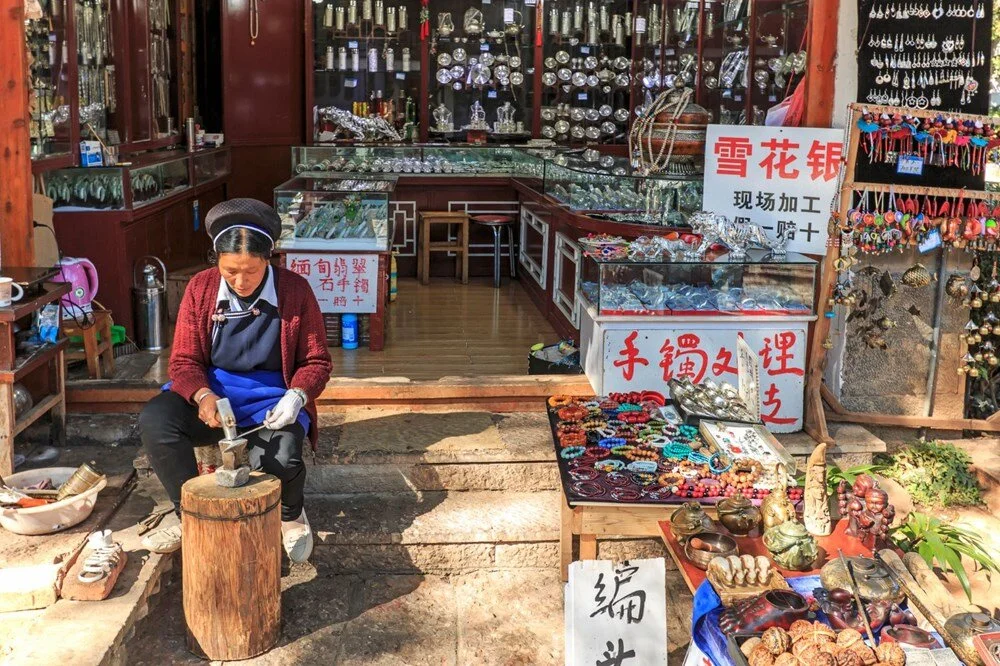
Mosuos from the outside world in an isolated geography and this isolation has helped them preserve their traditional culture and lifestyle. However, the region a tourist attraction This has led to the Mosuo community being more exposed to the influences of popular culture. Additionally, the majority of businesses in the area are run by Han Chinese.
Since they are not recognized as a separate nation by the Chinese state, the Mosuo cannot benefit from the self-government rights enjoyed by other ethnic minorities in China. This may result in the Mosuo being subjected to social and political restrictions.
Other societies around the world with female-dominated cultures like the Mosuo include groups such as the Samburu in Kenya, the Tashi Sangmo in Nepal, the Bribis Indians in Costa Rica, the Minangkabau on the Indonesian island of Sumatra, and the Wodaabe in Nigeria. Although these communities have matriarchal social structures, they may have cultural and geographical differences.