Rising in the heart of the Mongolian steppes, Burhan Haldun Mountain has been considered not only a geographical formation for centuries, but also a sacred place where fate and faith intersect. According to rumors, Genghis Khan prayed at the foot of this mountain before going on expeditions; He looked for signs of the gods here at the most critical moments of his life. Today, the same mountain is surrounded by a mysterious curtain that is believed to hide the lost tomb of one of the greatest emperors of history.
General Information About Burhan Haldun Mountain
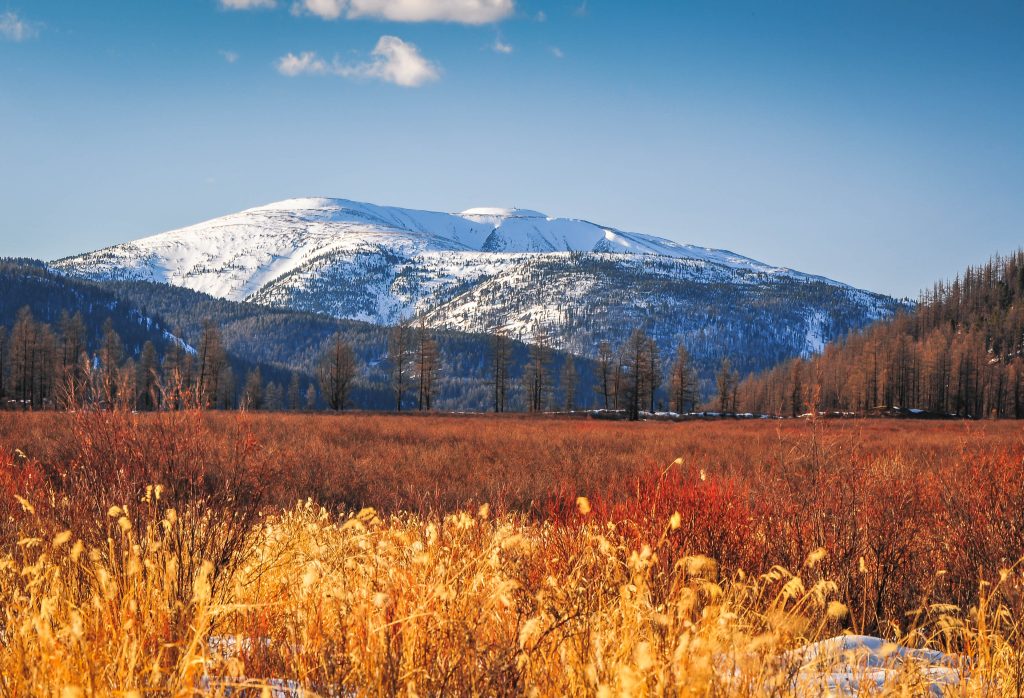
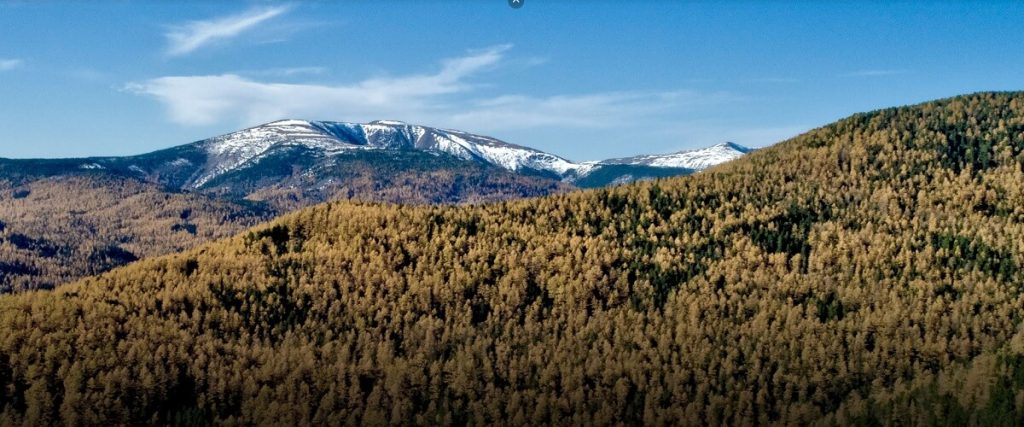
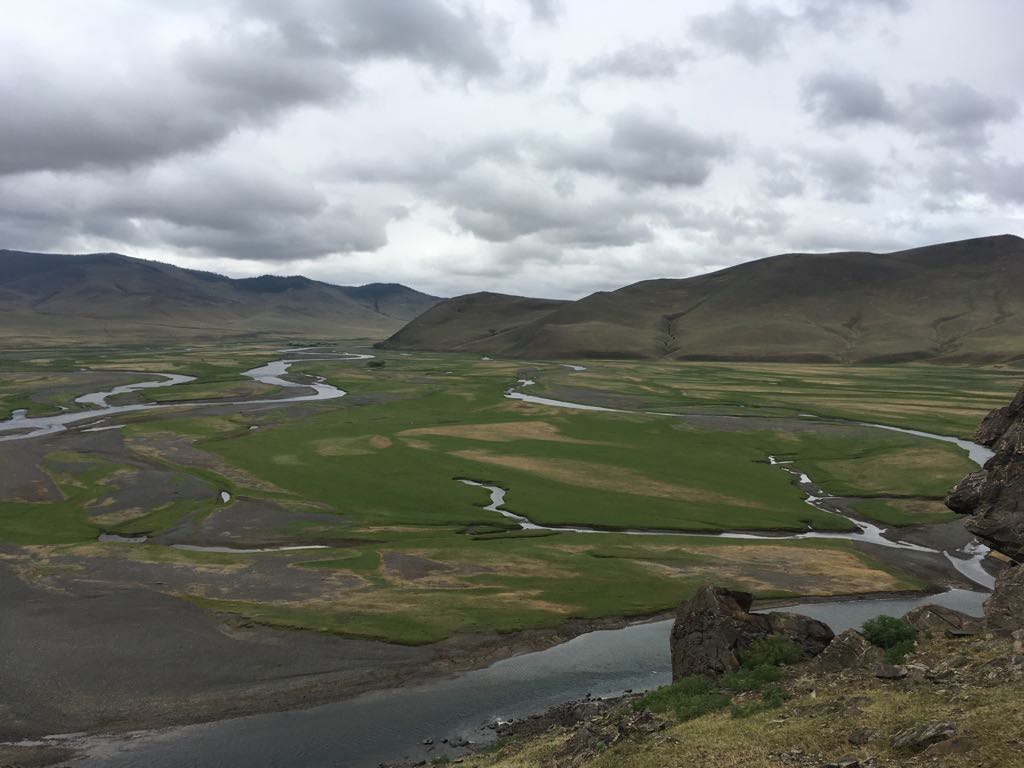
Burhan Haldun Mountain, It is located in the Hentiy (Khentii) mountain range in eastern Mongolia and is considered one of the oldest natural formations in the region. Thanks to its dense forest cover, steep valleys and difficult to reach structure, it has remained largely untouched throughout history; These features have increased both the natural and symbolic value of the mountain. It is also one of the areas where springs feeding important river systems of Central Asia, such as Onan, Kerulen and Tula, originate.
The sanctity of the mountain is reinforced not only by the narratives of faith but also by its preserved geographical structure. Being closed to foreign entries for many years has ensured that the archaeological and historical traces in the region have survived to the present day without being disturbed. Due to these features, Burhan Haldun Mountain and its surroundings were included in the UNESCO World Cultural Heritage List in 2015 and were protected at the international level.
The Origin of the Name and Its Place in the World of Faith
Burhan Haldun The origin of the name dates back to the deep layers of Mongolian and Central Asian religious history. Buddhist Mongols and some Turkic communities expressed Buddha with the word “Burhan”; Over time, this concept has also included the meanings of holiness, wisdom and divine guidance. “Haldun” carries connotations of continuity and sublimity in the context of ancient Mongolian and Altai languages. Because Burhan Haldun is not just a mountain name; It was perceived as a symbolic center representing the cosmic order between the sky and the earth.
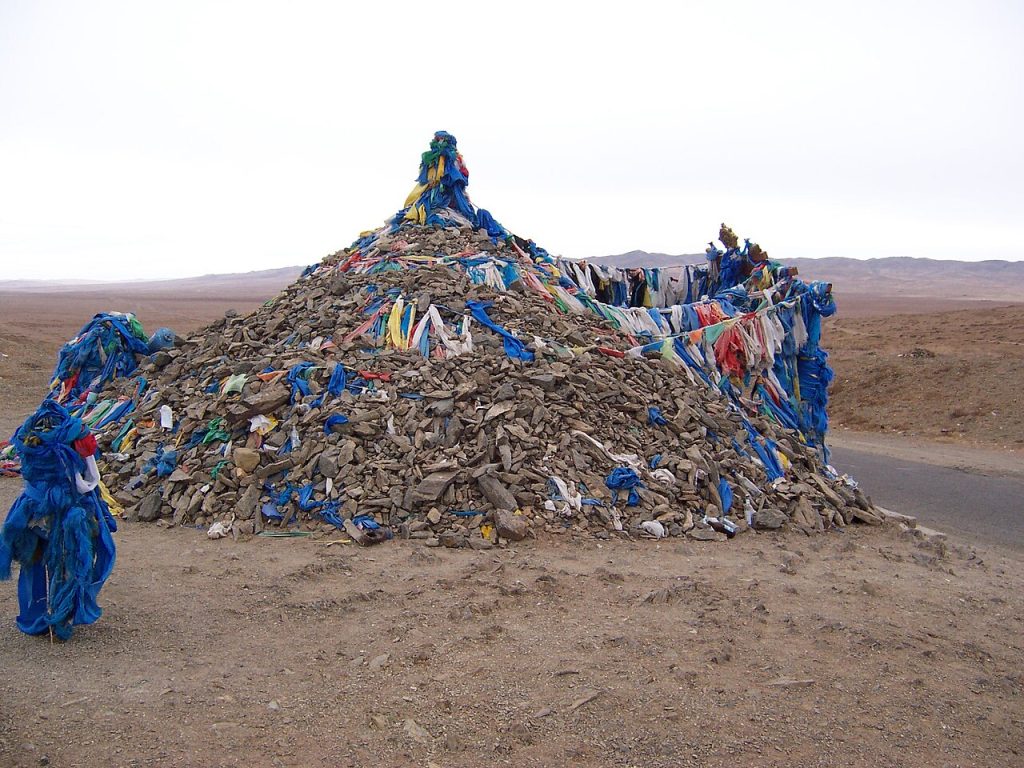
In the traditional Mongolian belief system, mountains are considered the closest places to Tengri. Within this understanding, Burhan Haldun defines it as a place where sacrifices are made, prayers are made, and the direction of fate is determined. “kut mountain” settled in its position. This sanctity has been transferred from generation to generation through oral culture rather than written texts.
Burhan Haldun in the Life of Genghis Khan
The fact that Burhan Haldun had a special place in the life of Genghis Khan has survived to this day through Mongolian epics and historical narratives. Faced with political and military threats after the death of his father Yesügey Bahadır. Temujin’It is said that he took shelter in this mountain. This experience, which he had when he was still a child, is seen as an important turning point that shaped his understanding of fate and his belief in divine signs.
It is noteworthy that Genghis Khan, who rebuilt his political power after being freed from captivity, established his principality on the foothills of Burhan Khaldun and did not break his ties with the mountain. According to rumors, he headed to the mountain every morning with certain rituals and based his decisions not only on military wisdom but also on spiritual signs. This situation made Burhan Haldun a guiding center rather than a shelter for him.

Lost Grave Rumors and the Tradition of Silent Protection
Where Genghis Khan was buried after his death is considered one of the greatest mysteries of historiography. One of the strongest rumors is that his grave is located in Burhan Haldun Mountain and its surroundings. The element that supports this claim is the narrative that Genghis Khan willed to be buried in this region while he was alive. It is said that the will was conveyed to his brother Kassar, one of his most trusted commanders.
In Mongolian tradition, keeping the ruler’s tomb secret was considered a sacred duty. For this reason, a silent conservation approach has been formed around Burhan Haldun for centuries; Unauthorized entries to the region are prohibited and the natural structure of the mountain is not interfered with. While this strengthened rumors of lost tombs, it also ensured that the area remained largely untouched archaeologically.

Natural Sacredness: Rivers and the Source of Life
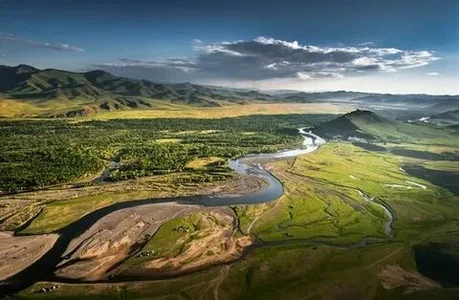
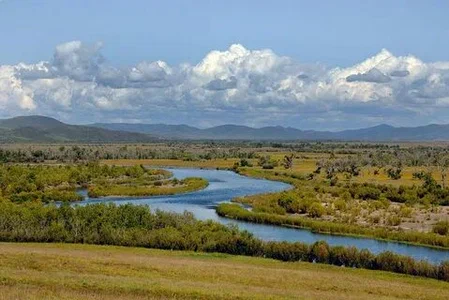
The importance of Burhan Haldun Mountain is not only historical and religious; It also plays a central role in terms of the natural life of the region. The fact that the sources of the Onan, Kerülen and Tula rivers originate from this mountain range gives it the meaning of “life-giving mountain”. These rivers have shaped both migration routes and settlement patterns in the Central Asian steppes.
This natural richness further reinforced the perception of holiness. Because in Mongolian thought, every element that nourishes life is considered a part of the divine order. In this respect, Burhan Haldun is both a spiritual and ecological center.
Cultural Heritage Registered with UNESCO
Burhan Haldun Mountain and its surroundings were included in the UNESCO World Cultural Heritage List in 2015 due to its cultural depth, belief tradition and largely preserved natural structure. This decision shows that the region is recognized as an important part of not only Mongolian history but also humanity’s common cultural heritage.
With its UNESCO status, the area has been protected from uncontrolled human activities and evaluated within the framework of scientific research, cultural documentation studies and limited visits. Thus, Burhan Haldun has become one of the rare cultural sites intended to be transferred to future generations while preserving its sacred identity and historical integrity.
Other UNESCO Cultural Sites in Mongolia
One of the most important areas that complement Mongolia’s cultural heritage Orkhon Valley It is a cultural area. This valley was included in the UNESCO list in 2004; It hosts the capitals, inscriptions, tombs and Buddhist temples of the Hun, Göktürk, Uyghur and Mongol empires. Orkhon Valley, where steppe, forest and desert ecosystems are intertwined in short distances, is a concrete indicator of historical continuity.
Another important area is the Petroglyphic Complexes of the Mongolian Altai. These rock paintings, which were included in the UNESCO World Cultural Heritage List in 2011, carry the traces of Turkish, Scythian and nomadic cultures, starting from the Mesolithic and Neolithic periods to the present day. Depictions of hunting scenes, migration, equestrian life and shepherding; It constitutes the oldest visual memory of the Central Asian steppe civilizations.
The Summit Where Legend and History Intersect
Burhan Haldun Mountain, It is one of the rare places where the border between legend and history becomes blurred. Rumors about Genghis Khan’s prayer, will and lost tomb; has made this mountain not just a memory of the past, but a living memory. Burhan Haldun, who still has unanswered questions today, continues to protect his historical secrets in the silence of the Mongolian steppes.
To join our WhatsApp group CLICK!