
Located in the center of the Pacific Ocean, the Great Pacific Garbage Field or Pacific Garbage Vortex is a waste-filled area. This mass of waste, which is largely accumulated between Hawaii and California, is called the “Seventh Continent”. The area has accumulated high concentrations of pelagic plastics, chemical mud and other debris carried by the currents of the North Pacific Vortex.
However, despite such a large area, the landfill is not visible in satellite photos. Because each cubic meter contains only 4 plastic particles. Also, since plastics break down into smaller pieces and these pieces are found on the surface, they are not easily noticed by ships or divers in the area. Since the plastic concentration in this area changes, a precise estimate of the size of the area cannot be made.
An initiative by The Ocean Cleanup Project is trying to keep the oceans free of litter. According to this initiative, the size of the Great Pacific Landfill is 1.6 million square kilometers. In other words, Pacific Garbage Island; It has an area about twice the size of Turkey, about three times that of France, and about four and a half times that of Germany. According to a 2018 study, 1.8 trillion pieces of plastic waste were found in the Pacific Landfill. The Great Pacific Garbage Field, which is made up of trillions of pieces of plastic, can be described as a moving 88,000-ton garbage dump.
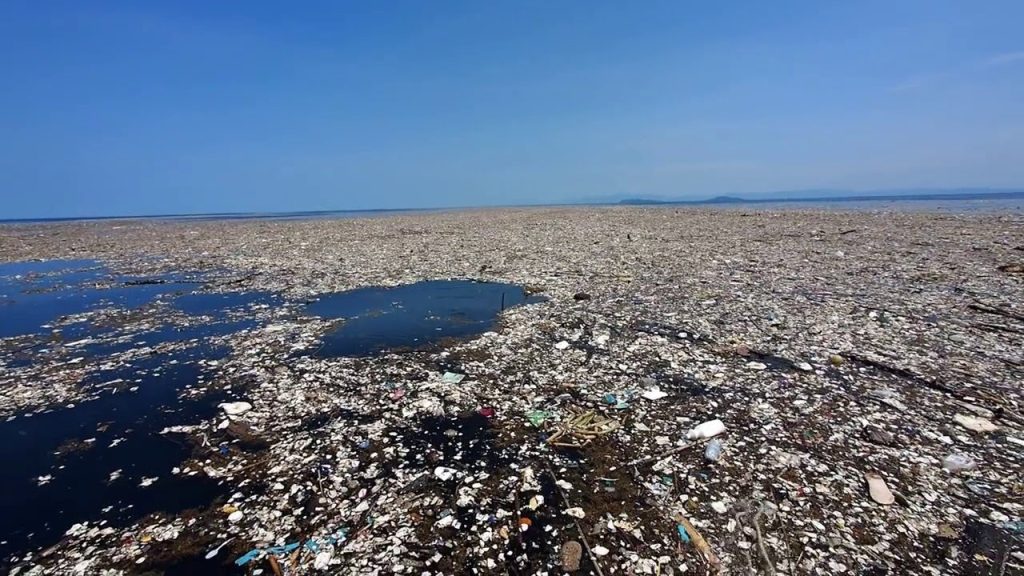
garbage area; She was spotted by Charles Moore in 1997 while traveling with her crew to California on the way back from a race in Hawaii. “It stretched out in front of me as far as the eye could see,” Moore said. I couldn’t see anything else from the area over the past week. It was unbelievable, these places were always supposed to be the pristine ocean.” Moore and his team named this new continent-looking area they discovered “The Great Pacific Garbage Patch”. This name has been used in English ever since. Its Turkish translation is still controversial. Some use different names such as “Trash Field”, some “Garbage Patch”, and some use different names such as “Trash Vortex”.
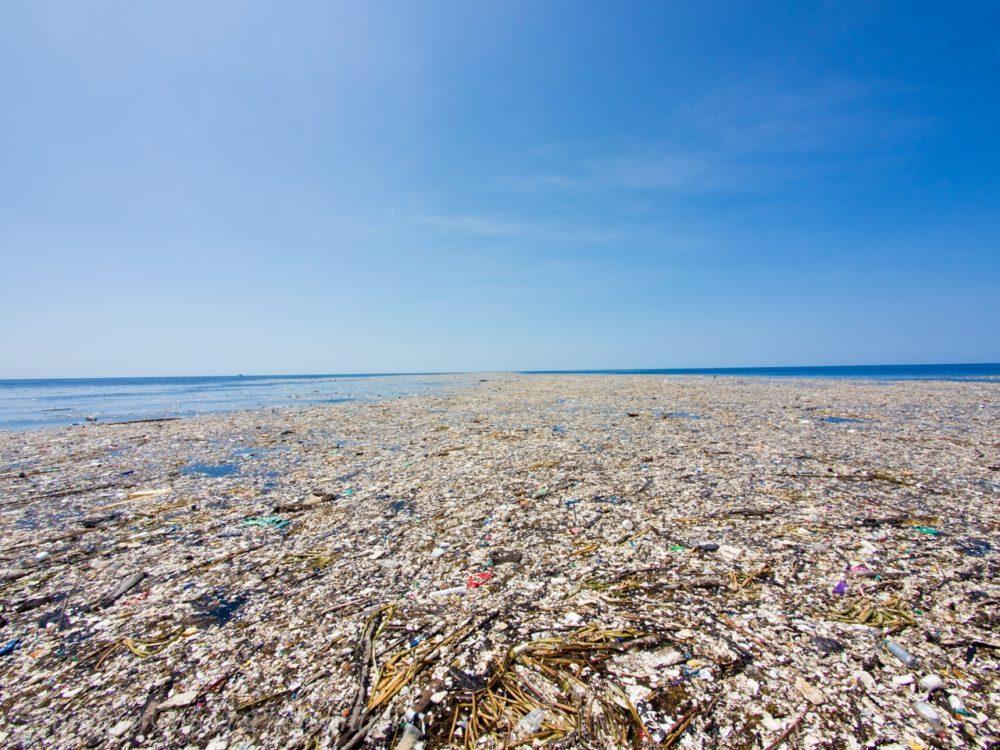
Damages of the Great Pacific Landfill
the Great Pacific Garbage Site; It is known to threaten more than 700 living species. It threatens not only aquatic creatures, but also all animals associated with them. It affects them all, from those as small as plankton to those as large as whales. Birds who see the luminous pieces of plastic think that these plastics are something that can be eaten. It is estimated that 44% of seabirds or turtles have plastic parts. For this reason, more than 1 million seabirds die every year just because of this.
The Great Pacific Landfill is not just the only landfill in the world. Similar accumulations of waste mass are observed in other regions of our seas. For example, plastic waste mass accumulation is also seen in the Atlantic Ocean, and Microplastics have already penetrated into the consumed fish. In addition, similar problems are experienced in the Mediterranean and the Indian Ocean. All these areas have litter mass that is formed as a result of human activities and seriously threatens the natural life.

Formation of the Great Pacific Garbage Land
The huge garbage heap in the Pacific Ocean has become a problem created by the amalgamation of countless materials. Among these wastes, microplastics and ghost fishing nets stand out. In addition, many plastic products that are frequently used in terrestrial life and that we consume in daily life are among the wastes that make up the Pacific Garbage Heap.
According to the research of the World Wildlife Fund (WWF), the wastes accumulated in the Pacific Landfill reach the region in four different ways:
Plastic Waste from Rivers: 90% of the waste in the oceans enters the ocean from 10 different rivers in the world. A significant portion of the Pacific Garbage Pile was formed by plastic waste from rivers.
Boats and Fishing Activities on the Shores: 20% of the garbage island in the Pacific consists of wastes from boats and from fishing activities carried out on the shores.
Plastics Producing Factories: Factories that produce plastic or generate plastic waste during production are also a major cause of ocean plastic pollution.
Sewage Channels: Another important factor contributing to the formation of microplastics, especially in the oceans, is sewage. Microplastics in some bathroom products reach the oceans through sewer pipes and create a dangerous plastic pollution in this region.

Ocean Cleanup Project
Plastic pollution in the world is increasing day by day with large garbage islands created in the seas. However, the Ocean Cleanup project took action to clean up the Great Pacific Garbage Field with a technological solution. They collect megaplastics and smaller particles in a floating vehicle 600 meters long and 3 meters deep. While the floating part of the vehicle catches the megaplastics, the thin skirt part under the sea cleans the smaller particles. Thanks to this system, sea creatures can move forward without getting stuck in the vehicle.
This system, which can reach every part of the waste heap by making use of wind, waves and currents, is constantly monitored by sensors, cameras and satellite antennas that work with solar energy. By sending garbage ships periodically, wastes are collected and the seas are cleaned. But this garbage collection tool alone is not enough. It only takes 60 similar tools to clean up the Great Pacific Garbage Field. With this fleet, it may be possible to clean up half of the garbage in 5 years. However, we continue to produce new wastes and we need to adopt sustainable consumption habits to solve this problem.


