Hıdırellez, which heralds spring and means plenty of fruitful days, begins to be celebrated with the arrival of May. Hıdırellez, celebrated as the Spring Festival; It is celebrated in Central Asia, the Middle East, Anatolia and the Balkans. Hz. Believed to be the ruler of the seas with Khidr, Hz. It is accepted and celebrated as the day that İlyas met on earth.
According to the Gregorian calendar, May 6, and according to the Julian calendar, also known as the Rumi calendar, April 23 is considered the day of Hıdırellez. Khidr days cover the summer season, which starts on 6 May and lasts until 7 November, and the winter season, which starts on 8 November and lasts until 5 May. For this reason, on May 5, it means that the cold winter month ends and the hot summer month begins. In Turkey, Hıdırellez Festival is usually celebrated on the night that connects 5 May to 6 May. It is accepted by Christians as the first day of spring and nature awakening. Greek Orthodox accept and celebrate “Aya Yorgi” day, Catholics “Saint George” day.
Origin and Celebrated Geographies of Hıdırellez
Various ideas have been put forward regarding the origin of Hıdırellez. According to some, it belongs to the cultures of Central Asia, the Middle East and Anatolia. Others think that it belongs to pre-Islamic Central Asian Turkish culture and beliefs. In the old period, Turks celebrated the arrival of spring on 21 June.
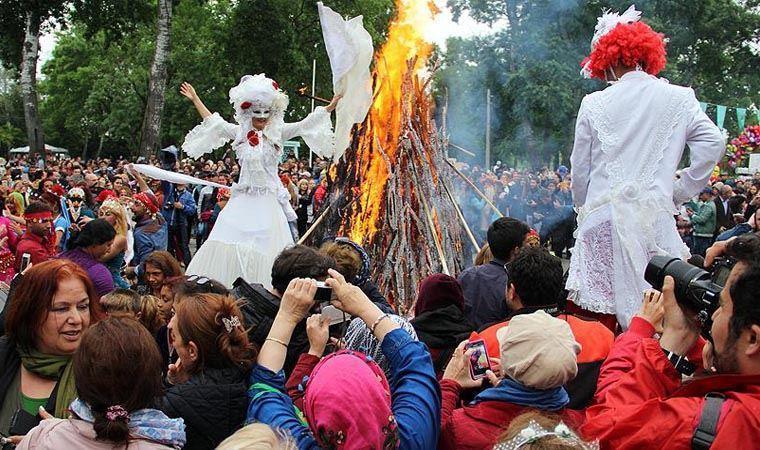
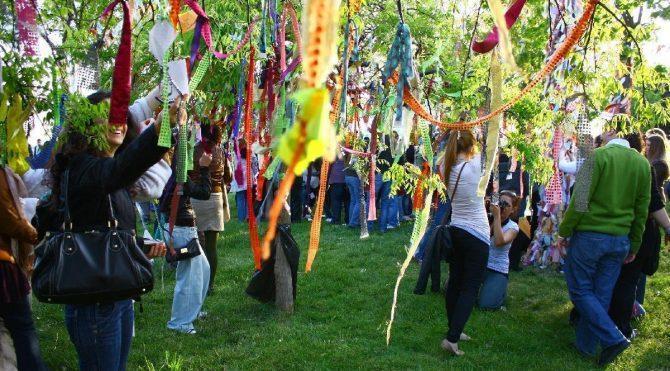
Hıdırellez Festival, which is celebrated in Anatolia today, continues in the form of traditions such as hanging a wish paper on a tree and jumping from the fire. Hıdırellez Festival, which has been celebrated since ancient times, symbolizes the arrival of spring or summer in Mesopotamia, Anatolia, Iran, the Ottoman Empire, the Balkans and even in all Eastern Mediterranean countries, and celebrations of joy are held. According to some sources, Hıdırellez took place in Mesopotamia BC in the form of a celebration called “Tammuz”, which represents the power of the Euphrates and Tigris rivers.
Widespread among the people. Khidr Faith
Hz. It is believed that Hızır achieved immortality, and especially in the spring months, he circulated among people and distributed abundance and health. It is believed to be a guardian or prophet who helps people in distress. Although there is no clear information about him, among the people and in the belief of Islam, Hz. There is a belief in Khidr. Hz. It is generally accepted that Hızır is not a name but a nickname. Various ideas are put forward about his name in many sources, according to some, Hz. Khidr and Hz. It is said that the prophet Elijah is the same person.
Hz. The generally accepted belief among the people about Khidr; is that it is eternal and enables nature to awaken in the spring. Apart from Anatolia, he has offices in many parts of Thrace, Crimea, the Caucasus, Azerbaijan and Syria. It is believed to exist in many places in the Islamic world, but it is said that he is not a specific person and is a symbol. Hz. It is believed that Hızır symbolizes the renewal of life with the month of spring. Among the people, Mr. It is widely believed that Hızır brings healing, health and good luck to people, and that it emerges as a reflection of awakening and vitality in nature. Before Islam, husbands with a beard and beard are considered as saviors who seek help, seek help, and are believed to bring peace, happiness and prosperity.
In the Holy Quran, Hz. Is Khidr Named?
In the Qur’an, in Surah Al-Kahf, Hz. The story of the Prophet Moses and a young man is told. Nowhere in the Qur’an, including Surah Al-Kahf, Hz. Khidr is not mentioned. But it is mentioned in many hadiths. Narrated in the Qur’an, Hz. The event that happened with the escape of the fish that the Prophet Moses and the young man brought from the sea is described in verse 65: “Then they found a servant from among our servants that we gave him mercy from us and taught him knowledge from our side.” in the form of Hz. Khidr is mentioned. In the hadiths, Hz. Khidr’s name is mentioned a lot, therefore there are discussions about whether he is an angel or a guardian.
Common Traditions on Hıdırellez Festival
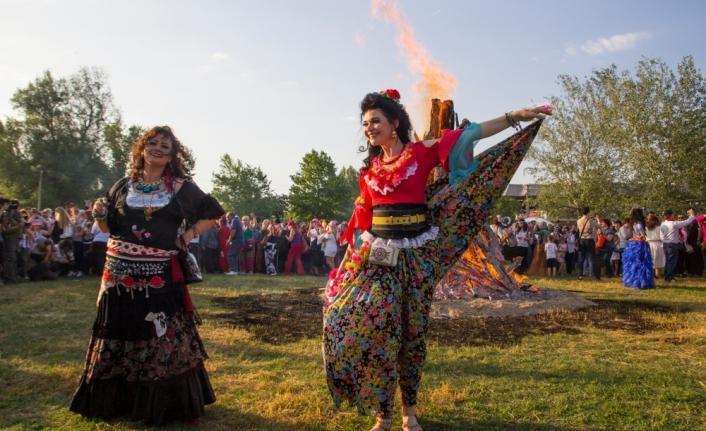
Celebrated with various traditions, many wishes are made for the purpose of finding peace and health in Hıdırellez Feast. It is generally enjoyed in Anatolia by wearing white dresses and going to the countryside before sunrise. Celebrations are usually The greenery, which is considered to be the places that Hızır visited, is made in wooded areas, near waters, near tombs or deposits. In fact, it is believed that if the flowers collected from these places are boiled and drunk, they will cure many diseases. It is believed that a person who washes for 40 days with the water of the boiled flowers will become younger and more beautiful. At the same time, it is a custom to slaughter and eat lamb in the regions where the Hıdırellez tradition spreads. It is believed that eating the fresh lamb of spring will bring health and vitality to the body.
Hz. Due to the belief that the things that Hızır touches are overflowing, the mouths of food containers, warehouses and money bags are left open on the eve of Hıdırellez. In some parts of Anatolia, there is a custom of giving alms, fasting and sacrificing for the prayers and wishes of Hıdırellez to be accepted. Sacrifices and offerings made by Hz. It is done for the right of khidr. In some places, St. There is a tradition of khidr stick. It is believed that the pain will go away when the stick is hit on the aching places.
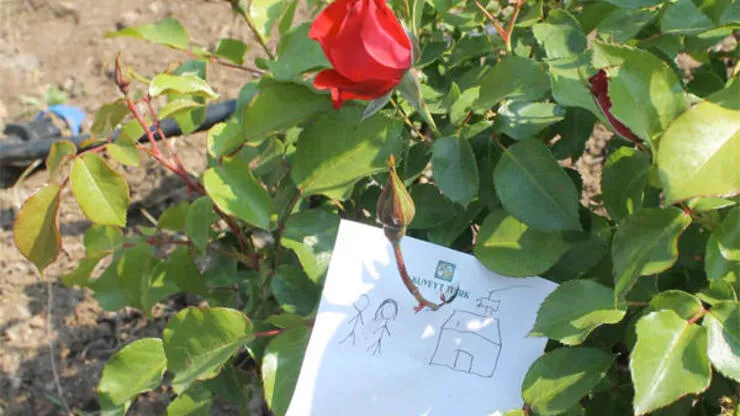
On the day of Hıdırellez, baht opening ceremonies are also widely practiced. Young girls who want to attract luck and fortune throw items such as rings and earrings into the pot and add water to the pot and close its mouth. The pot is kept at the base of the rosewood overnight. The next day, the pottery is laid out and the items in it are taken out, accompanied by mani. At the same time, dew grains on the plants are collected together with the morning prayer on the day of Hıdırellez in many Yörük villages. The collected raw grains are used to make yoghurt without adding yeast. It is believed that this practice will bring health and abundance.