Turkopols are mercenaries of Turkish origin of the Crusaders during the Crusades. Thousands of soldiers who lived like Turks, spoke Turkish and were even born Muslims became indispensable for the crusader armies. Turkopols, meaning Turkoman, are competent mercenaries, especially skilled in cavalry archery. Before the Turks came to Anatolia, they participated in the Crusades organized in Anatolia and took part in the crusader armies. Thousands of Turkish soldiers joined the Byzantine army in order to earn money and they were led by Turkish commanders called “Turkopolists”.
Turkopol troops were first seen in 1097 during the Byzantine army’s siege of Nicaea. The majority of these units were Seljuk Turks who came from Central Asia. It is an old tradition for Turks to serve as soldiers in various countries. Countless Turkish soldiers have existed in the Chinese army, Sassanids and Abbasids throughout history. However, the Turkopols are not very loyal soldiers. If Byzantium was late in paying them, they could cross over or revolt. The Turkopols had a leader among them, this person led the Turkopol unit during the war. The command of the Knights Templar included the mercenaries and, in particular, a commander who ruled the Turcopoles. There should have been a Turkopol translator who knew Turkish under the command of the Knights Templar.

Participation of the Turkopols to the Crusader Armies
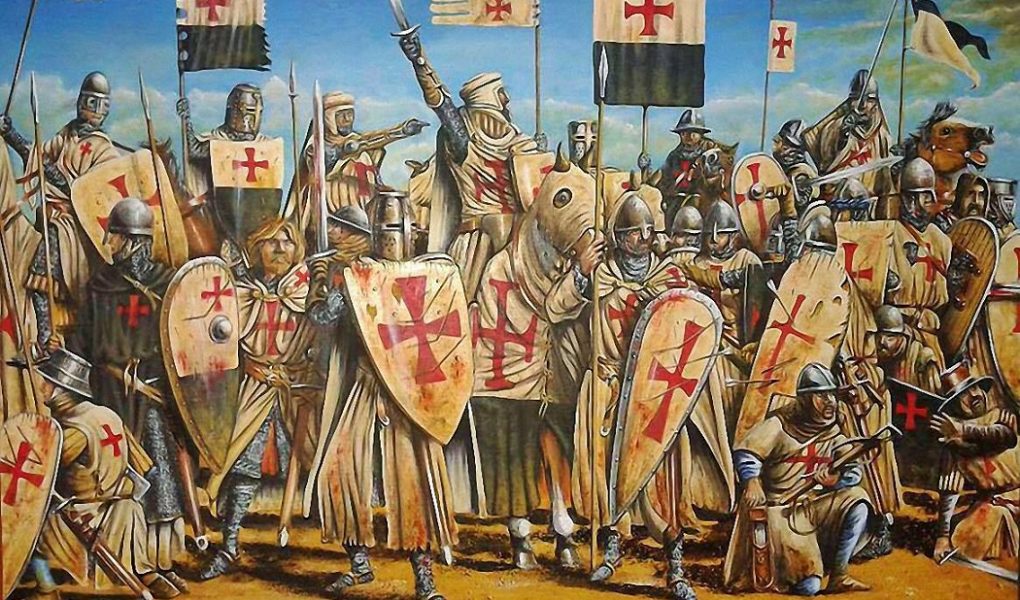
The Turkopols joined the Crusader armies and progressed to the knighthood of the temple. Crusaders who came to Anatolia during the First Crusade, that is, between 1096 and 1099, encountered the Turkopols in the Byzantine army. The Turkopols are experts in mounted archery and light cavalry. Crusader armies were usually made up of heavily armored knights and therefore their troops moved slowly. Horse archers and light cavalry were one of the biggest shortcomings of the Crusader army. For this reason, the Crusaders made agreements with many Turkopol leaders and added them to their ranks. The majority of the Turkopolises accepted Christianity when they entered the Byzantine army. However, there were some who continued to be Muslims.
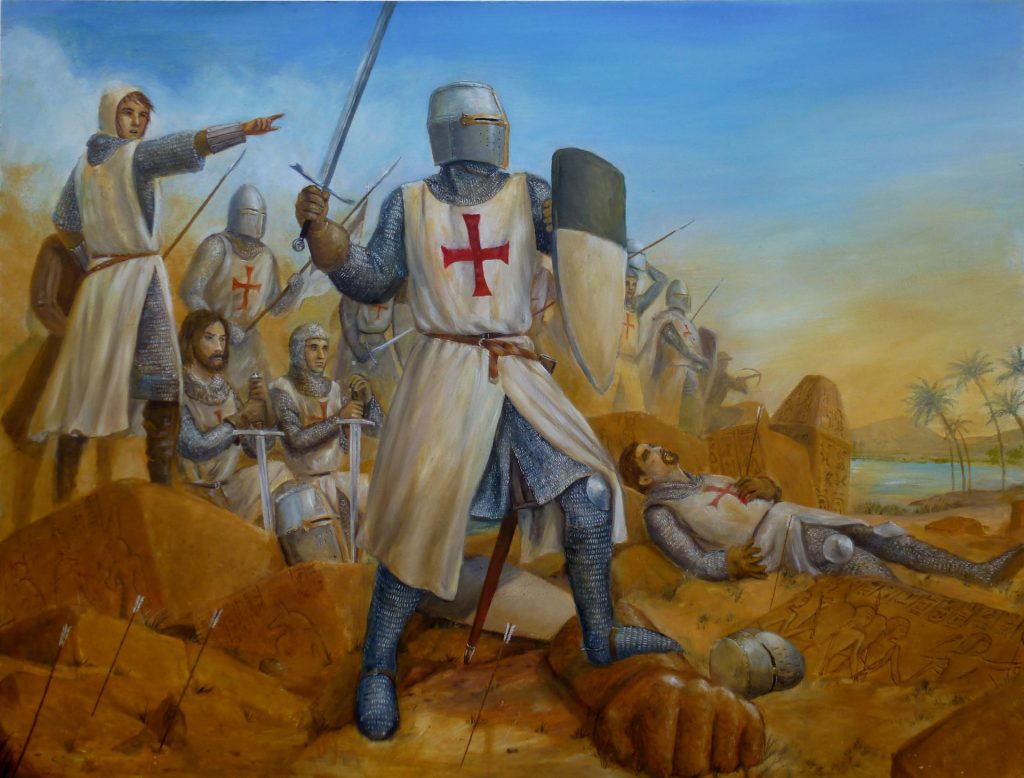
Turkish horse archers were extremely important to the Crusaders. The Turkopols wore light armor, could move quickly, and thus provided a great advantage in the Anatolian geography. Turks do not have a tradition of heavily armored knights like Europeans, and Europeans do not have a horse archery culture. Western Europe does not have the land necessary to train mounted archers. Among the Crusader armies, the Turcopoles were considered to be of lower status. They could not even eat at the same table as the Templars. Because the Turkopols would fight for their livelihood and to get money from the Crusader army.
The Importance of the Turkopols for the Crusader Army
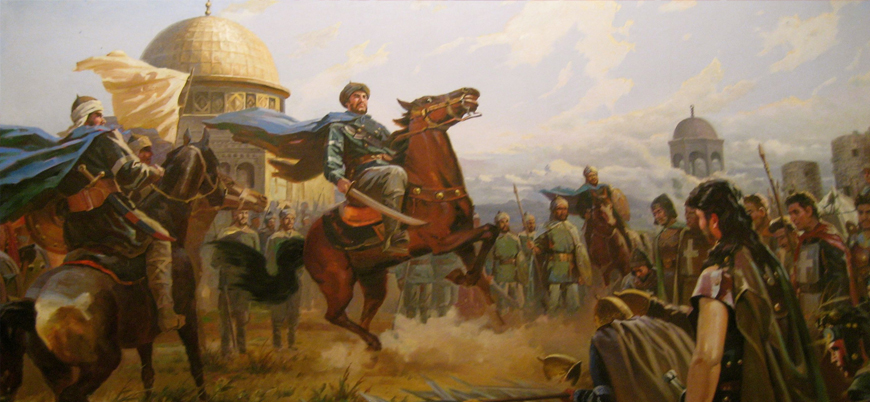
During the Crusades, the majority of the soldiers in the Muslim armies were Turks. The military base of the Islamic world in those years, including the armies of Selahattin Eyyubi, was built on Turkish troops and tactics. The forces of Islamic countries were largely shaped by Turkish mercenaries or armies led by Turkish commanders. This situation, on the other hand, made the Turkopols indispensable for the Crusaders, as they knew the tactics of the opposing side. During the occupation of Jerusalem by the Crusaders with large armies, Turkopol took part in the army to a large extent.
In 1187, the Crusader armies were destroyed by Selahattin Eyyubi in the Battle of Hattin. Allegedly, 4 thousand Turkopols in the Crusader army were executed by Selahattin Eyyubi. Because in Islam, a person who renounces Islam is called an “apostate” and the penalty is death. But some historians agree that this figure is an exaggeration. Because a large part of the Turkopolises left the Holy Land after the fall of Jerusalem and Akkan. Among the Turkopols that left the Holy Land, some went to Cyprus with the Knights Templar, while others went to Rhodes and Malta under the Hospitaller Knights. Today, among the Hospitalier Knights, known as the Knights of Malta, there is still a Turkopol responsible.