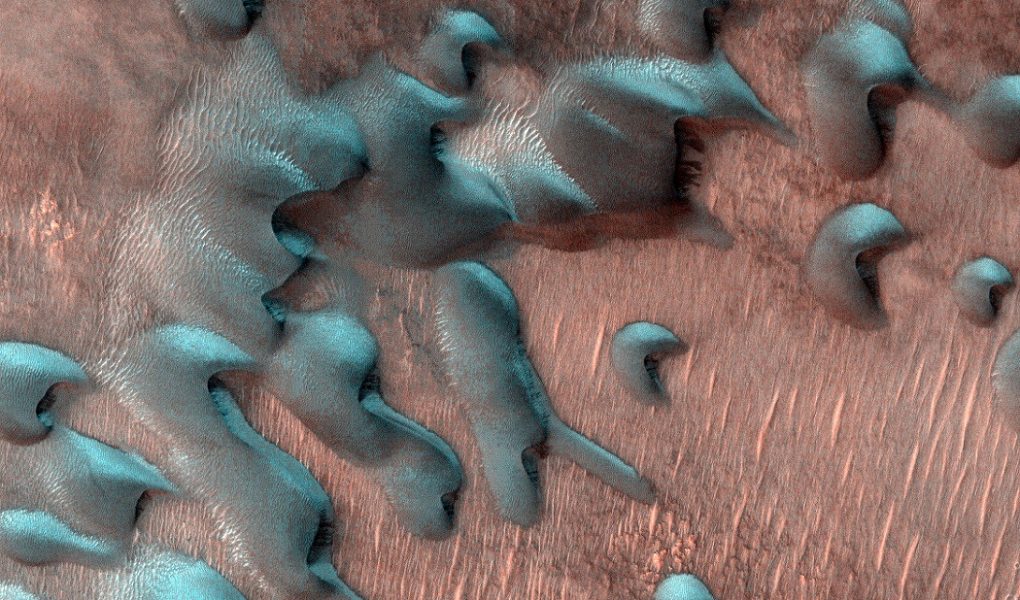
Gezegen Mars normalde kuru ve ıssız bir gezegen olarak bilinir. Ancak paylaşılan yeni görseller, gezegende kış mevsiminin de olduğunu gösteriyor. NASA’nın paylaştığı ve gezegene düşen iki tür karın görüntüleri bilim insanlarını şaşırttı. Mars gözlemevi Perseverance gezgini ve Ingenuity helikopteri, Jezero Krateri’ni besleyen antik bir nehir deltası keşfetti. Deltanın bulunduğu kuzey yarımkürede kış mevsiminin sonunun yaşandığı ortaya çıktı. Gezegenin ana bileşeni olan toz, Mars’taki hava durumunu da ciddi şekilde etkiliyor. Kış ayları toz fırtınalarıyla başlar ancak kar, buz ve don olayları da olur. Ayrıca Mars’ın kutuplarındaki sıcaklıklar -123 dereceye ulaşıyor.
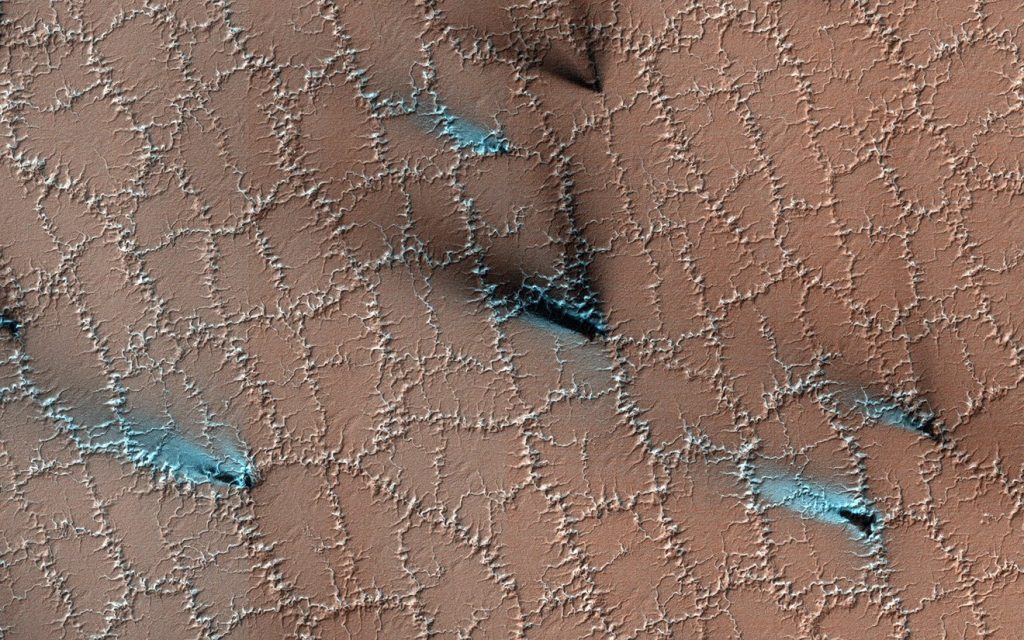
Mars’ta Kar Türleri
Two types of snowfall have been detected on the Red Planet Mars. The first is in the form of ice crystals, as on Earth, and the second is in the form of dry ice, known as carbon dioxide ice. Carbon dioxide ice can be seen in craters on Mars during the winter months and builds up on the surface to form layers. Conventional ice crystals, on the other hand, turn into gas without falling to the ground, that is, without becoming solid, due to Mars’ thin atmosphere and sub-zero temperatures. Snow in the form of carbon dioxide ice, on the other hand, descended to the surface, forming a layer of snow up to one meter in the polar regions.
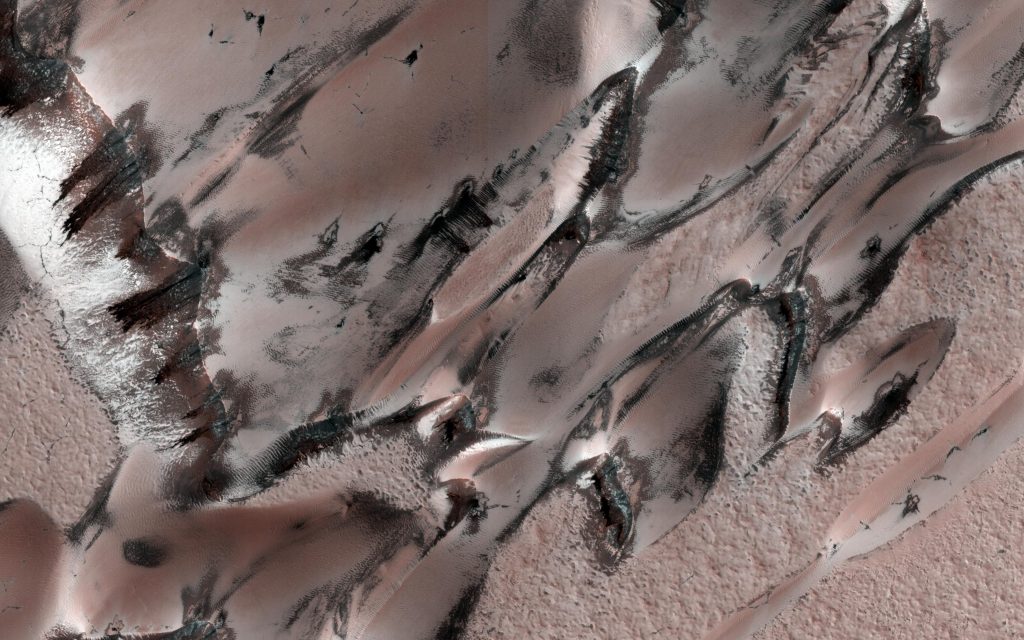
This type of snow can only be seen at night at the poles under cloud cover. It has not been detected by any orbiter or surface probe. Because the cameras cannot look behind the clouds and the survey vehicle is not strong enough to withstand the cold temperatures in the poles. These discoveries have helped to better understand the weather conditions on Mars and the planet’s atmosphere. The Mars Reconnaissance Orbiter orbiter contains devices that can detect lights that are invisible to the human eye. It detects carbon dioxide snow falling at the Martian poles.
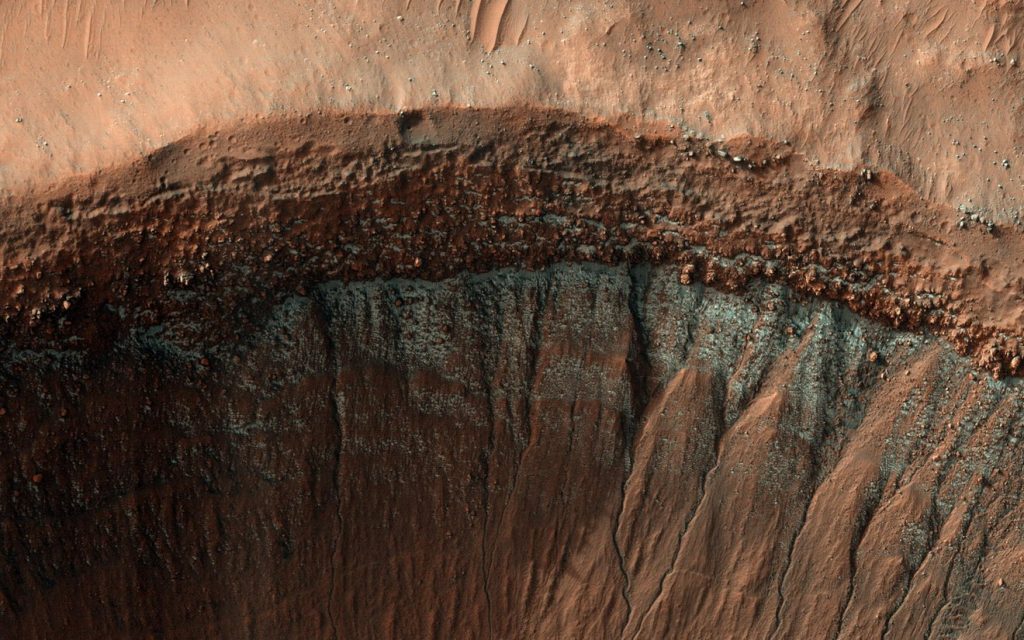
NASA’nın Mars’ta araştırma yapan uzay aracı Phoenix, 2008 yılında Mars’a indi ve lazer cihazlarından birini kullanarak Mars’ın kuzey kutbundan yaklaşık 1.609 kilometre uzaklıktaki bir noktadan su buzu karını tespit etti. 2008’de Phoenix, Kızıl Gezegende suyu çağrıştıran iki mineral buldu ve ayrıca “kar yağışı” tespit etti. Phoenix’in verileri analiz edildiğinde, uzay aracının lazer dedektörünün Mars yüzeyinden yaklaşık 3 bin metre yükseklikte bulutlardan düşen kar tanelerini tespit ettiği anlaşıldı. Ancak kar tanelerinin yere ulaşmadan kaybolduğu gözlemlendi.

