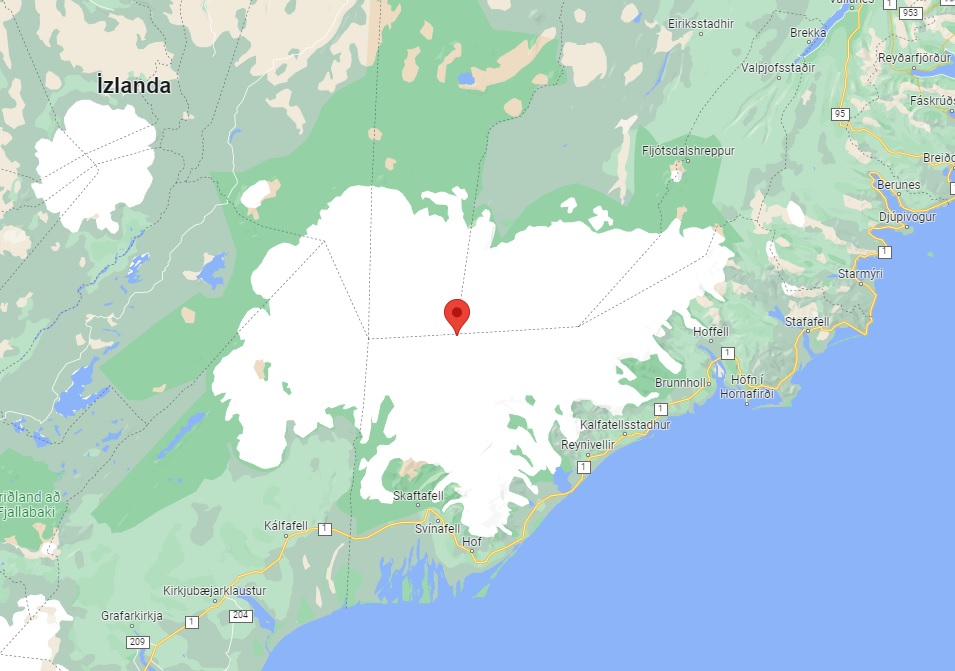
Vatnajökull Glacier is the largest glacier not only in Iceland but in all of Europe. This glacier is a glacial plain with an area of 8,100 square kilometers and a thickness of about 300 meters. It is located on the highest mountain in Iceland, Hvannadalshnjúkur. This glacier is thought to have formed about 2500 years ago. About 10 percent of Iceland is covered by glaciers. Vatnajökull Glacier is located on top of Iceland’s highest volcanoes. It drains the lava of various volcanoes located in southeast Iceland.
Vatnajökull Glacier occupies an important place among Iceland’s natural beauties. The various sites around the glacier reflect Iceland’s historical and cultural heritage. Vatnajökull Glacier is one of Iceland’s most popular tourist destinations, frequently visited by tourists. Activities such as hiking on the glacier, rock climbing and visiting caves under the glacier are available. In addition, various lakes, waterfalls and volcanoes around the glacier can be visited.
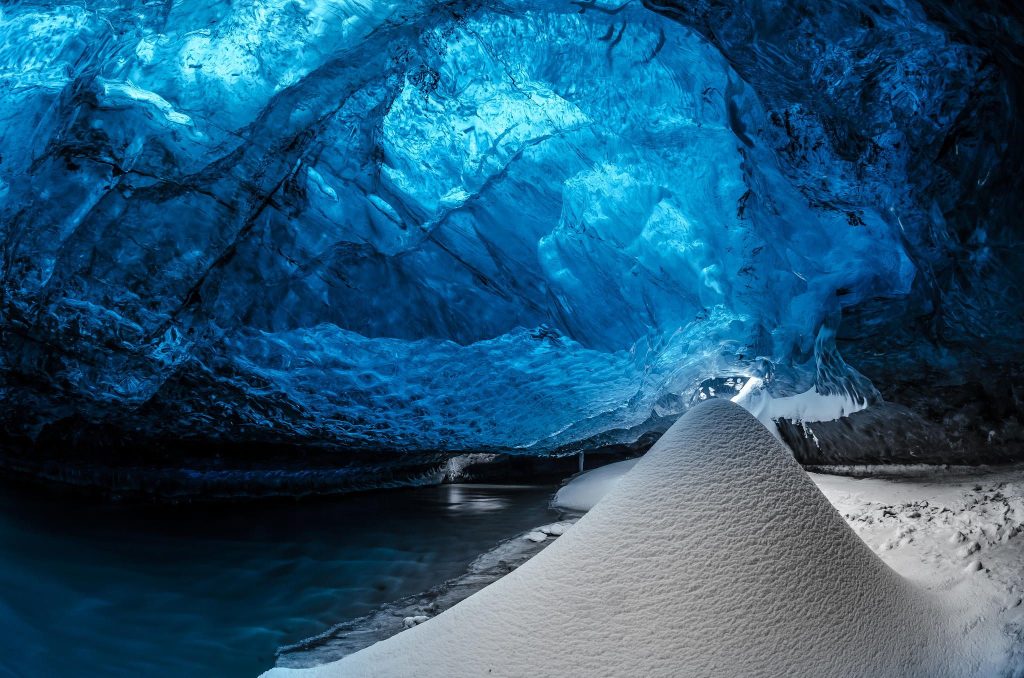
Characteristics of Vatnajökull Glacier
The thickness of the ice sheet of the Vatnajökull Glacier reaches 1000 meters in places. The island’s few active volcanoes remain under the glacier. Between these mountains there are valleys of 500 to 800 meters. With the expansion of Skaftafell National Park on September 12, 2004, more than half of the Vatnajökull Glacier was included in the national park boundaries. As with most of the glaciers in Iceland, there are several volcanoes under the ice cap. Eruptions from these volcanoes can cause large pockets of water to develop under the ice, which can burst the weakened ice and cause a glacial lake eruption flood. During the last ice age, numerous volcanic eruptions occurred under Vatnajökull.
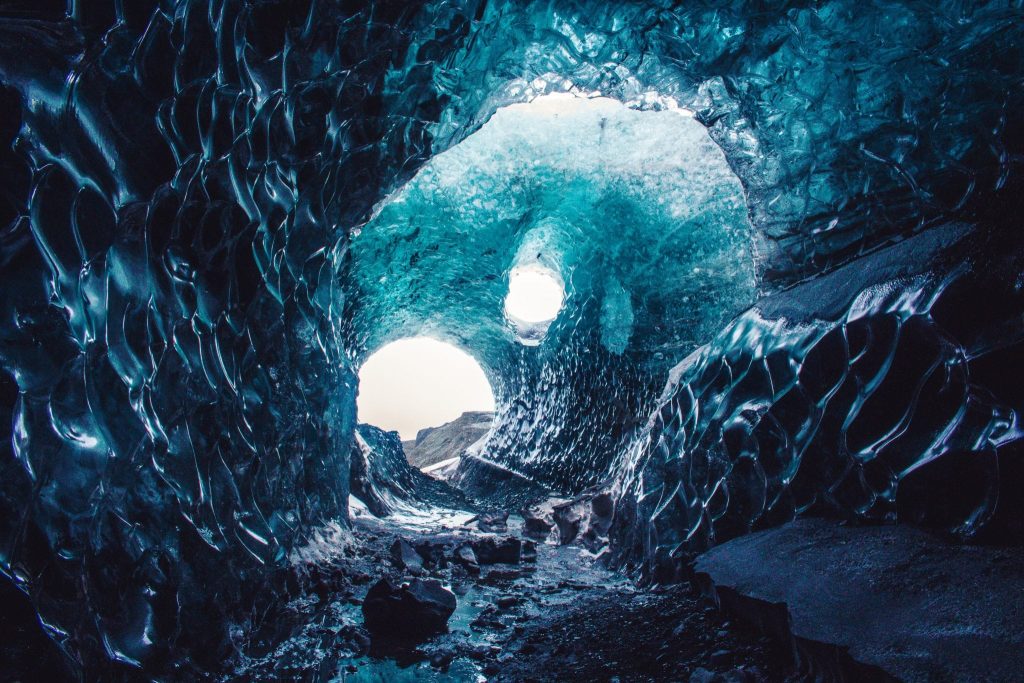
More recently, volcanoes have continued to erupt under glaciers, causing many documented floods. In 1934, a glacial lake eruption continued for several days and resulted in the release of 15 km3 of water. The volcanic lake Grímsvötn is the source of a major glacial lake eruption in 1996. There was also a significant but short-lived volcanic eruption beneath these lakes at the beginning of November 2004. On May 21, 2011, a volcanic eruption in Vatnajökull National Park began and reached up to 17 kilometers (11 mi).
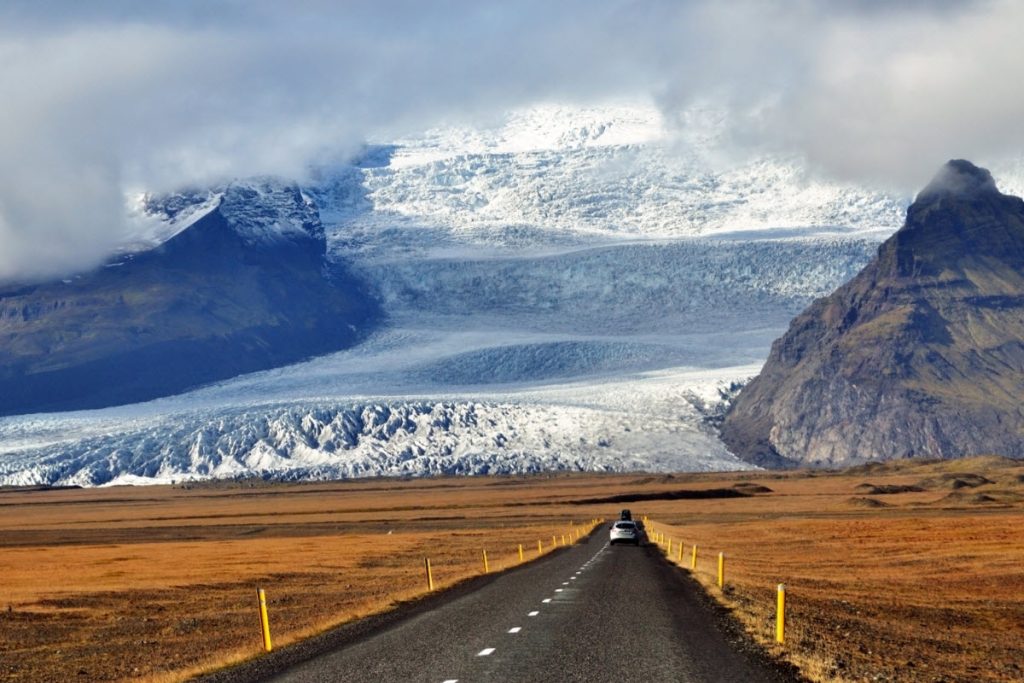
Formation and Melting of Glaciers
Glaciers are crystalline ice sheets that are set on top of volcanic eruptions or volcanic lava and carved by water vapor gases. Glaciers are formed by layers of water sources, often called glacial caps, that are located above volcanic activity or volcanic lava. Glaciers are more common at high latitudes and in mountainous regions above volcanic lava. They consist of layers of water sources, often called glacial caps, that are located above volcanic activity or volcanic lava.
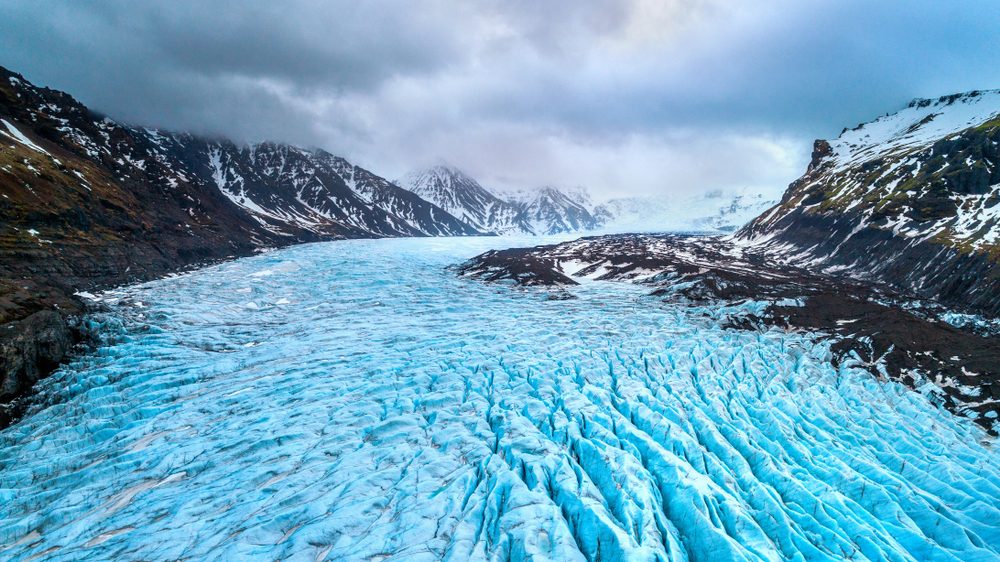
Glaciers melt due to warming, and the melting of glaciers affects water levels on Earth. Melting glaciers can cause ocean levels to rise due to warming and reduce water resources on Earth. Melting glaciers can also cause climate change and help mitigate the effects of climate change. The temperature of temperate glaciers is approximately close to the melting temperature of the glacier. As the pressure increases towards the bottom of the glacier, melting is faster in these parts. This causes the ice sheet to move by sliding. During the movement of the glaciers, the heat and geothermal energy released due to the friction between the glacier layer and the underlying rock layer accelerates the melting. The melting glacier gives rise to irregular rivers that flow at great speed and often swell. Therefore, the surrounding valleys, which are always threatened by floods, are not suitable for settlement.
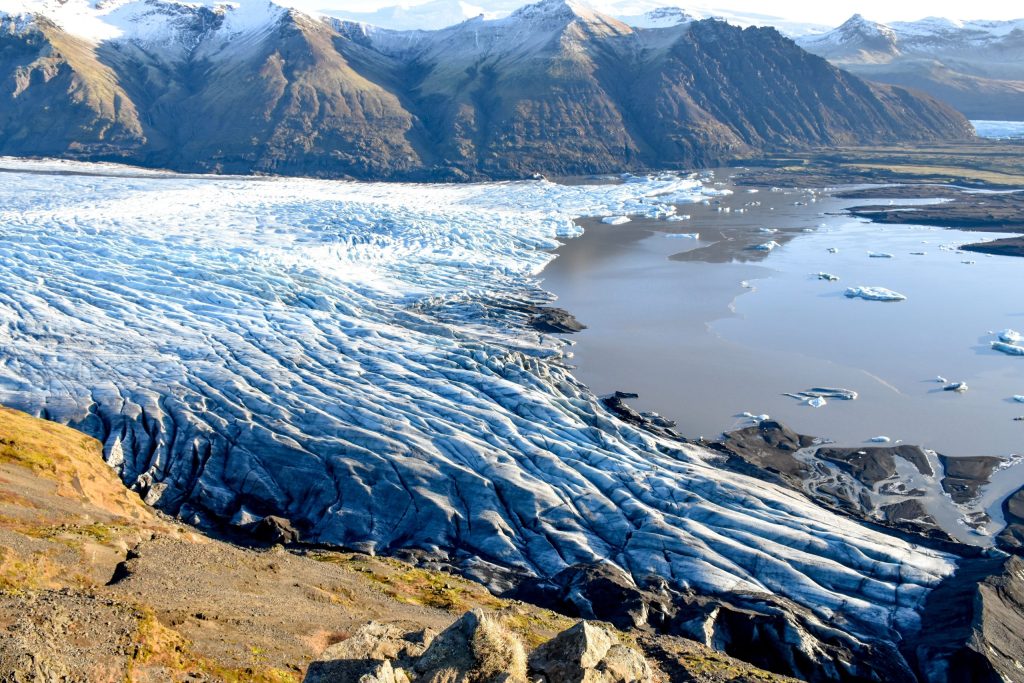
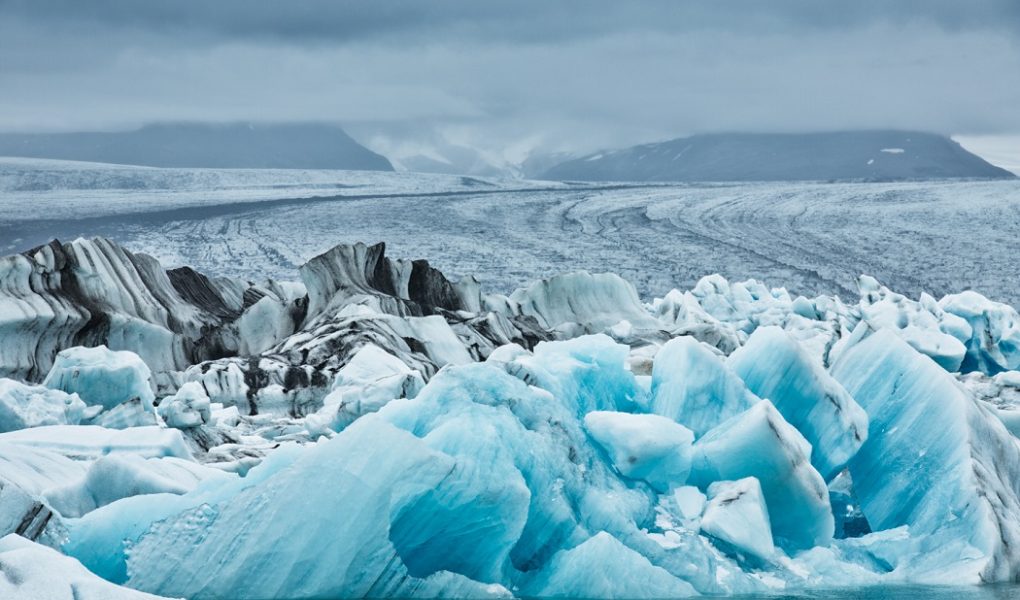
The waters released as a result of the melting of the glaciers can also form cavities in or under the ice sheet. These geological structures are called glacial caves. Glacial caves are not permanent, as the ice sheet is constantly moving. It is not certain whether these caves, which usually appear in the summer months, will form every year or where they will form. Vatnajökull National Park was established in 2008 on the foundation of Skaftafell National Park and Jökulsárgljúfur reserve. Apart from Vatnajokull Glacier, the National Park has other natural wonders such as giant glacial rivers, impressive canyons, glacial lagoons and impressive waterfalls. Icebergs are very colorful and their appearance constantly changes with the seasons.