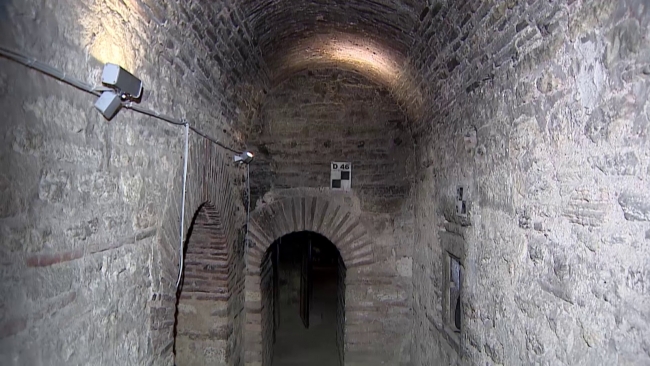
Yedikule Dungeons in Istanbul is known as one of the oldest open-air museums in Turkey. Also known as Yedikule Fortress, this building looks like an observation tower. The magnificent structure, consisting of seven towers, is distinguished from other structures by its dark past. Yedikule dungeons in the past; It has been used for many different purposes from prison to treasure room. This structure still houses the eerie looking dungeons where screams are claimed to rise. The building, the original purpose of which was not a dungeon, was built during the Byzantine Period to host the kings who came as guests and important guests of other countries in a magnificent way.
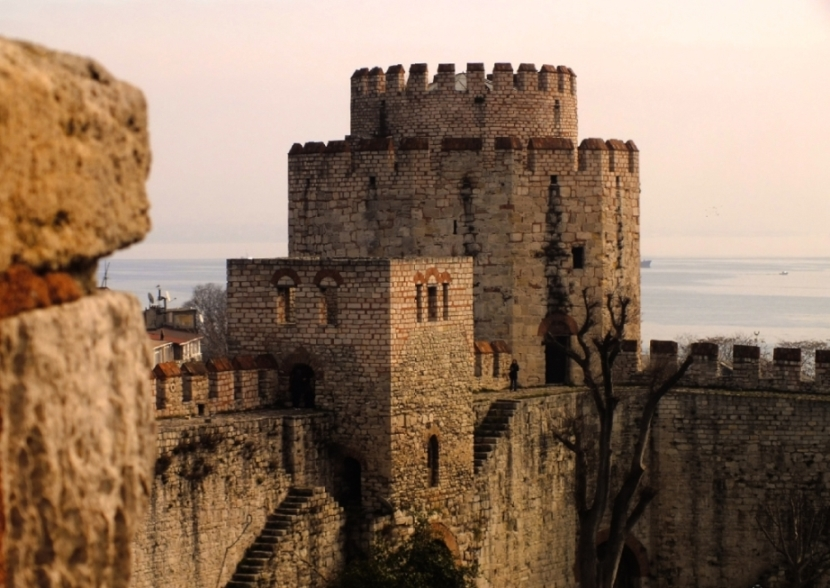
Yedikule Dungeons, II. It was built during the reign of Theodosius. The structure, which had four high watchtowers when it was first built, has reached seven towers with three additional towers built by Fatih Sultan Mehmet. It was used for different purposes during the Byzantine and Ottoman periods. The building most frequently used as a prison; It was used for purposes such as execution place, treasury warehouse, ammunition warehouse, stable and observatory. Yedikule Dungeons; Young Osman Tower, Armory Tower, III. It consists of towers named Ahmed Tower, Treasure Tower or Millet Tower, Dungeon Tower, Ball or Maiden’s Tower and Flag Tower.

History of Yedikule Dungeons
Yedikule was known as “Heptaburgon” in the Byzantine Period. It was built in its present location for the first time during the Eastern Roman Empire. II. Most of the fortifications built by Theodoios between 408 and 450 have survived. A second ditch and an additional three-stage defense architecture were created to protect the city against increasing attacks during the Byzantine Period. Although these walls were built to prevent attacks, the borders of the Yedikule region were determined by the construction of these walls.
Yedikule is a structure with a history dating back to the Byzantine Period and full of legendary events. This structure has been the subject of stories passed down for generations due to some mysteries it contains. For this reason, it is famous and interesting because of the legends told. Yedikule is a building used to store the treasures and precious metals of the empires. However, due to the fact that Istanbul has faced many fires and earthquakes over the years, the seaside palace located near Yedikule was destroyed, but it is still possible to see its traces. According to rumors, the seaside palace took its place in the mysterious pages of history and became the subject of legends.
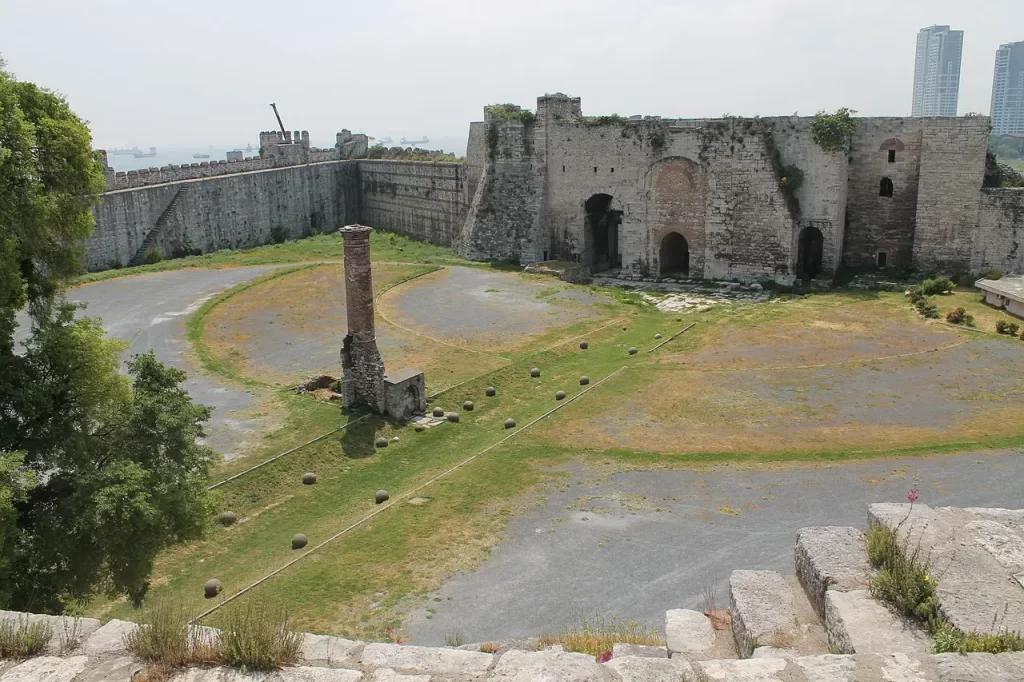
People coming from outside were settled on the coastline stretching from the Golden Horn shores of Istanbul, which was conquered by the Ottoman Empire in 1453, to Topkapı and Yedikule. During this period, two towers were added to the walls by Mehmet the Conqueror and an inner castle was built. These structures are in the same order as the ‘Golden Gate’, which the Byzantine Emperors used as a symbol of victory. In order to preserve the wealth and valuables of the Ottoman Empire, gold and money were kept in one of the towers in Yedikule, and old and valuable items and official documents were kept in the other.
Again, in one of these towers, the booty brought by Yavuz Sultan Selim from Iran was kept. The Treasury-i Hümayun, known as the state treasury, was also found here between 1458 and 1789. During the reign of Sultan Murad, the Treasury-i Hümayun was moved to the palace. In 1831, during the reign of Sultan Abdülmecid, this place was used as a zoo. Yedikule Fortress had an important place in meeting the social needs of the city. It operated as an Art House between 1871 and 1875.
Executions in Yedikule Dungeons
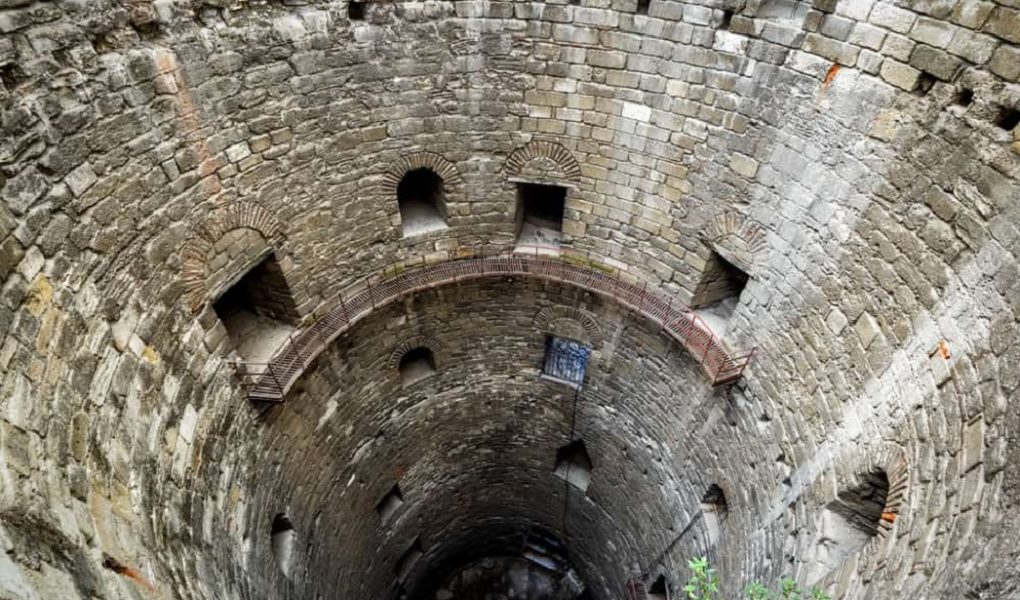
Seven towers; It was used as a place of execution and a prison especially during the Ottoman Period. Located in the southern part, the dungeon is also known as the “Bloody Well” and is a place that has witnessed many events. The last emperor of the Trabzon Greek Empire, David Komnenos, and his sons were executed in the Yedikule Dungeons in 1461 and 1463. It is known that Çandarlı Halil Pasha and his sons were imprisoned in these towers for the first time after the conquest.
The most famous person executed in Yedikule Dungeons is Sultan II. Osman. Young Osman was deposed in 1622 and taken to Yedikule Dungeons by the Janissaries. One night at midnight, Davud Pasha’s unit and a few rebels were taken to Yedikule. Although Osman tried to resist in the castle, he was eventually killed. Young Osman was killed on the second floor of the place known as the Young Osman Tower of Yedikule. Also, the Bloody Well from Yedikule Dungeons is located here. The Bloody Well is known as the place where the murdered people were thrown.
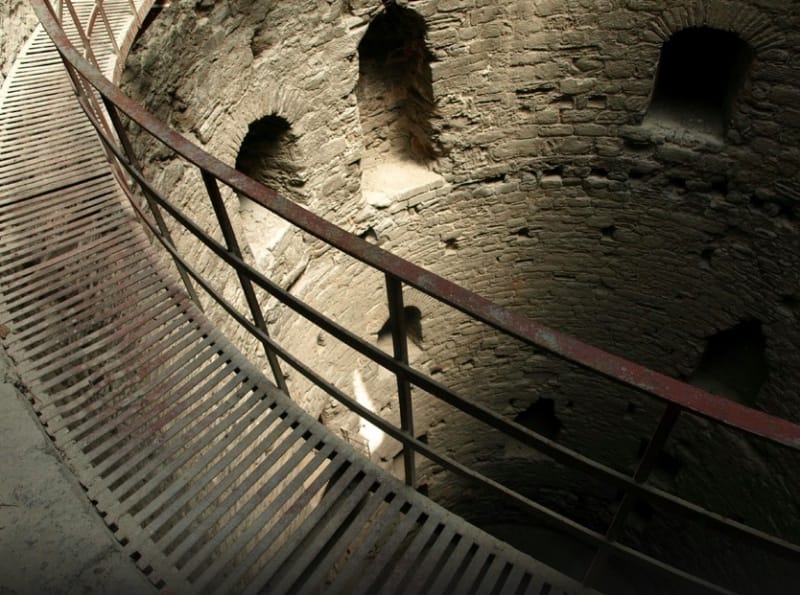
Legends of the Scream Heard in Yedikule Dungeons
Yedikule became a place with a legendary atmosphere during the Ottoman period. It has been the subject of legends such as the mummy and curse of captive pagans. According to the legend, there is a Pagan among the local and foreign captives imprisoned in the dungeons. However, dungeon guards and other commanders cannot identify this Pagan and identify him as a high-ranking government official or spy. For this reason, Pagan is subjected to torture and the types of torture increase over time. But the pagan is tolerant of pain and does not make the confessions that the torturers want. He does not scream in pain, which causes the tortures to be continued and increased.
According to legend, the Pagan eventually could not stand the tortures and died. At the time of death, he utters prayer-like words in an incomprehensible language, but these words are ignored. His corpse melts away at an unexpected speed. These events, heard by the public, are interpreted by some people as being cursed. Prayer of the deceased pagan; is that the souls of the torturers remain in the dungeons until the Messiah comes to the world, and when he comes, they are released and give an account. For this reason, it is said that screams and Latin-like words were heard from time to time in Yedikule Dungeons.