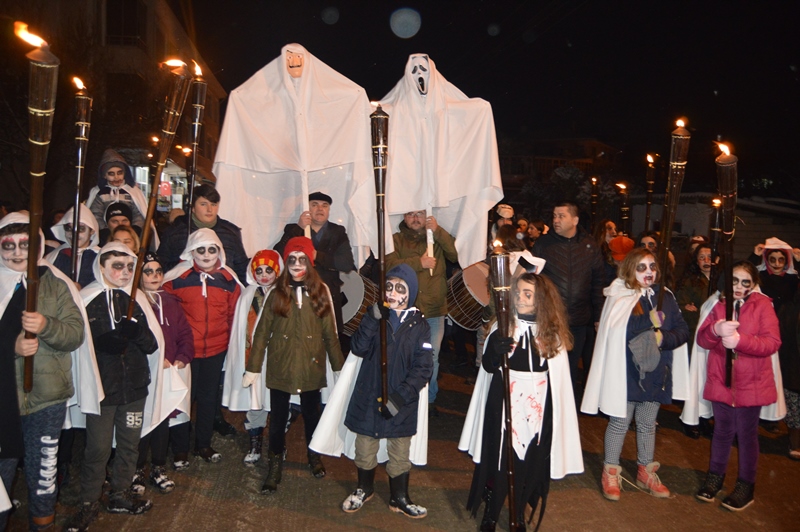
A “Koleda” night, a Balkan tradition based on the theme of “scare”, was held in Büyükmandıra town of Babaeski district of Kırklareli. Participants in the event organized by Kırklareli Büyükmandıra Municipality painted their faces, wore masks and wrapped white sheets around their shoulders in front of the municipality building. The essence and origins of this thousand-year-old tradition became a matter of curiosity, and research began.
Koleda, It is a term that refers to the period when Christmas was celebrated in Eastern Europe. Its origins are in Slavic languages and “Christmas” It means. Koleda celebrations encompass a series of events that usually run from December 25th to January 6th. These celebrations include a combination of Christmas, one of the major holidays of Christianity, as well as some pagan rituals. Although Koleda celebrations vary from region to region, they are usually marked by traditional songs, dances, meals and family visits.
What is Koleda? Activities Held
Koleda is a Balkan tradition with an estimated thousand-year history. On December 25thchristmasIt starts from “and continues until Epiphany. It takes place during the coldest winter months and is very popular among people living in various regions of Thrace. In the Balkan countries, those who have singing talent visit houses they do not know and sing songs.
During Koleda events, scary stories are told and then people wearing scary costumes bang on the windows of houses or walk around the shops trying to scare people. By tradition, those who cook pumpkin dessert at home are not afraid, while those who do not cook may feel fear. Koleda horror nights are usually held in January or February. Büyükmandıra town of Babaeski district of Kırklareli is an important center of such activities.

Koleda celebrations also include special eating and drinking habits. Usually, people come together with their loved ones to set rich tables and share special meals. Foods such as hot drinks, candies, cookies and other sweet snacks are consumed frequently.
In addition to these basic features, koleda celebrations are shaped with different details in each culture. For example, in some areas home visits are made, while in other places parades in the streets is edited. However, the common denominator is to celebrate the enthusiasm and solidarity of the winter months, to come together, have fun and be together.
Koleda refers to the period when Christmas, an important holiday in Christianity, is celebrated, especially in Eastern Europe. The origin of the word is based on Slavic languages and “Christmas” It means. Coleda usually December 25 to January 6 It represents a series of celebrations that continue between

Koleda celebrations are marked with a variety of traditional songs, dances and foods, along with traditional Christian rituals such as church services and visits from Santa Claus. In some regions, Koleda celebrations are considered one of the most important social events of the year.
It is known that some pagan rituals were also present in these celebrations. For example, one of the important elements of the celebrations is Koledachka, a type of wooden ribbon that is hung on the doors of houses for 12 days. This practice is an ancient Slavic tradition “Return of Winter” It is thought to come from the festival.
Koleda may be celebrated in different ways each year and may vary by region. But in general, it takes place during the period when Christians celebrate Christmas and is considered one of the most important celebrations of the year.

The Origin of the Koleda Tradition
The origin of Koleda dates back to pagan times. Among the ancient Slavs, the winter solar equinox celebration took place on December 21, the rising sun and the new year It symbolizes. Koleda also represents the beginning of abundance and abundance. Although the Koleda tradition has undergone changes over time, it is still kept alive in the Balkan countries. While these traditions strengthen social solidarity, they also carry the traces of the past to the present.
Today, archaeological findings, ethnographic studies and oral traditions are studied to gain more information about the history and origins of Koleda. Thanks to these studies, the richness and diversity of the Slavic culture of the past is better understood. The Koleda tradition is not only an important part of Balkan culture, but also forms the basis of our cultural heritage.

Countries Where Koleda is Celebrated and Local Practices
When we examine the local practices in the countries where Koleda is celebrated, there are different characteristics and celebration styles of this traditional holiday in the Balkan countries.
Koleda in SerbiaIt is of great importance, especially in rural areas, and is usually celebrated on January 6. This date coincides with the Christmas Holiday of the Christian Orthodox Church and is welcomed with great enthusiasm in the villages. The Koleda tradition in Serbia begins with dances, folk dances and colorful parades in village squares. Young people wear traditional clothes and create an enthusiastic atmosphere accompanied by local instruments. Various rituals are performed at homes; Practices such as sprinkling holy water or distributing cookies are common.

Koledo in Bulgaria The celebrations generally take place over a period from 25 December to 7 January. In this process, the sense of solidarity between people becomes stronger and visits are made between neighbors. Koledo rituals in Bulgaria include fire lighting, dancing and sharing traditional foods.
Koledo celebrations in Balkan countries are an important part of local culture and are still alive. These traditions have turned into important social events where people come together and reinforce their feelings of sharing and joy. These celebrations provide the opportunity to keep local cultures alive and celebrate while strengthening the bonds of communities with each other.