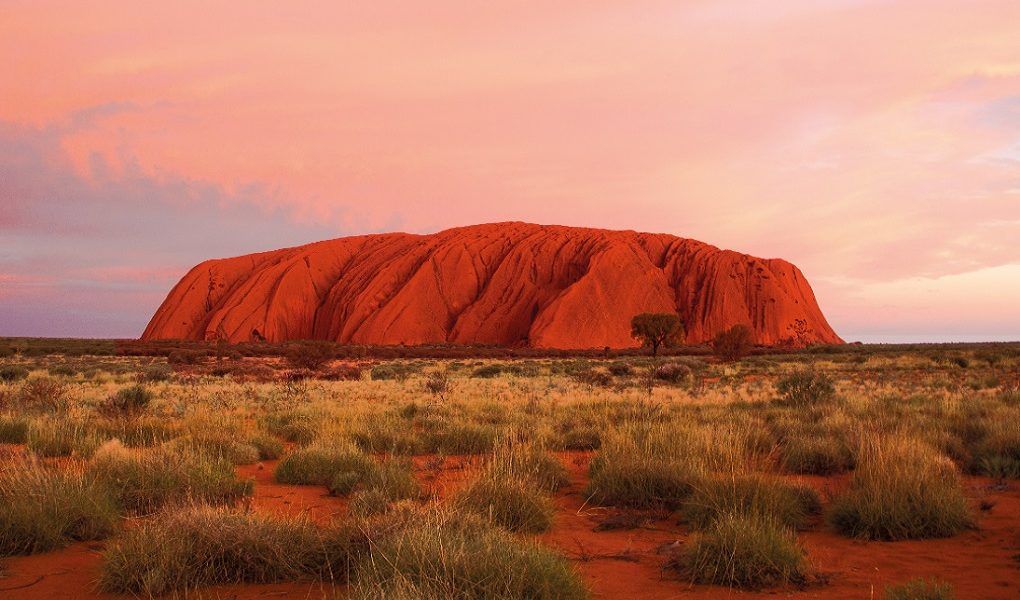
Uluru Rock, the symbol of Australia, is the country’s largest volcanic rock formation. Located in the Northern Territory of Australia, the rock is part of Uluru-Kata Tjuta National Park. Uluru is also known to Aborigines as Ayers Rock. It reflects the history and beliefs of the Aborigines, the local people of the region. It is one of Australia’s best-known tourist destinations. It hosts millions of visitors every year. There are many activities to be done by tourists around the rock. These activities include hiking around Uluru, climbing and excursions around it.
Uluru is the highest rock in Australia with a height of 350 meters. Uluru, along with its neighbor Kata Tjuta, was formed about 600 million years ago by volcanic activity. It consists of red colored volcanic rocks. As these rocks are eroded by heat and moisture, Uluru’s red-colored appearance is revealed. Uluru is 10 kilometers in circumference, about 2 kilometers long and 1.7 kilometers wide. The summit is 869 meters above sea level, rising 350 meters above the floor of Central Australia. It is shaped like an oval triangle on one side. Also considered the National Symbol of Australia, Ayers Rock and Uluru-Kata Tjuta National Park are protected as Unesco World Heritage Sites.

Considered Sacred by Aborigines
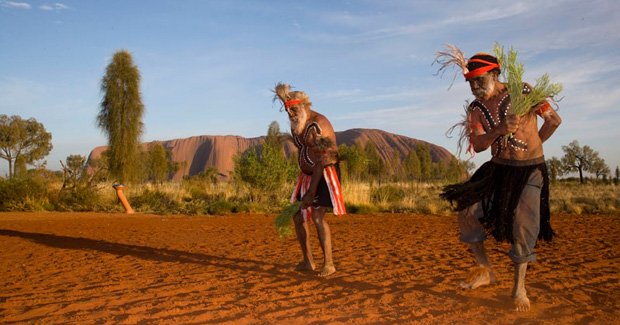
Ayers Rock, Uluru volcanic rock Aborigines It is a name used by The rock has been considered sacred by the Aborigines for centuries. According to their beliefs, Uluru is a place where the ancestral spirits of the Aborigines reside. Aborigines pay homage to Uluru’s energy and weakness. One of the most well-known of the legends of Uluru among the Aborigines is the legend about the birth and rise of Uluru. This legend relates to the formation of Uluru’s volcanic sediment. The shape of the rock is explained by the legends of the Time of Dreams. Legend has it that the boomerang of the red lizard Tjati was stuck in the rock. When Tjati tried to extract it, key cavities were formed on the northwest side of the rock.
Uluru is a volcanic rock and was formed due to volcanic activity. It was formed by the high-temperature eruption of a blend of volcanic rocks containing water vapor, gas, and lava during a volcanic eruption. Besides volcanic rocks, it also includes limestone, granite and other volcanic rocks. Uluru, called a giant pebble by some scientists, is among the largest monoliths in the world discovered to date. It resembles a giant on flat lands that seems to wake up at any moment.

Uluru; Prior to the discovery of the British colonists, it was a place considered sacred and ceremonial rituals performed by the Aborigines of Australia. It is known that it is a sacred area where historical accumulations are preserved. In addition, the sacred and historical objects found in this region belonging to the Australian aborigines were taken to museums, some of which were looted by the colonists. Some were evacuated by native Aboriginal tribes. For article on Aborigines CLICK HERE.