In order for today’s life to continue in a comfortable way, serious energy resources are needed. Energy sources can be obtained from fossil fuels as well as from nuclear or atomic sources. The fuel used in a nuclear power plant provides twice as much energy as coal or oil. Therefore, nuclear energy is an energy that can be produced cheaper. In nuclear power plants, long-term production of energy is provided.
Nuclear power plants, like other thermal power plants, produce electricity in the form of evaporation of the heated water and the steam turning the turbines. There are two nuclear power plants under construction in Turkey as well, and work continues for the construction of new power plants. The benefits or harms of nuclear power plants are among the highly debated topics. No serious accidents have occurred in the nuclear power plants that have been used since the past, except for the accidents at Three Mile Island in 1979, Chernobyl in 1986 and Fukushima in 2011. However, due to some events triggered after the accidents, a negative opinion against the nuclear power plant arises.
Effects of the Chernobyl Disaster on the World
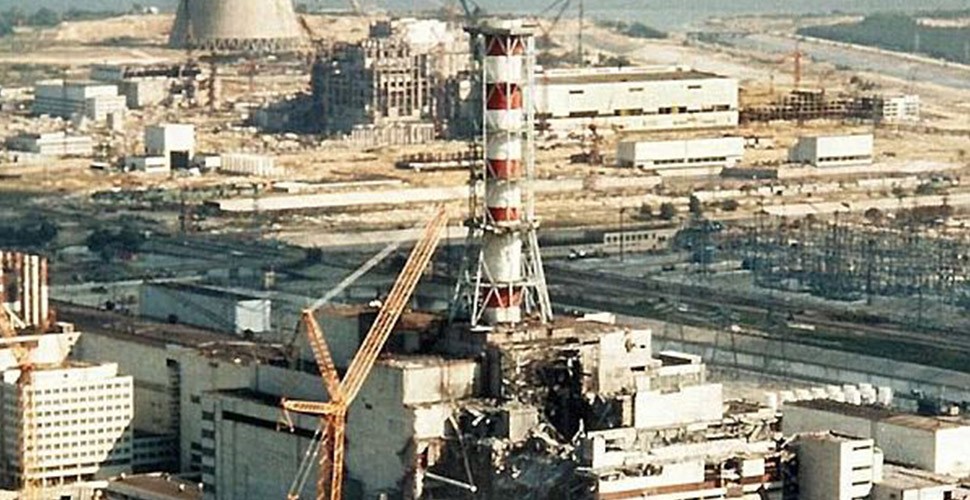
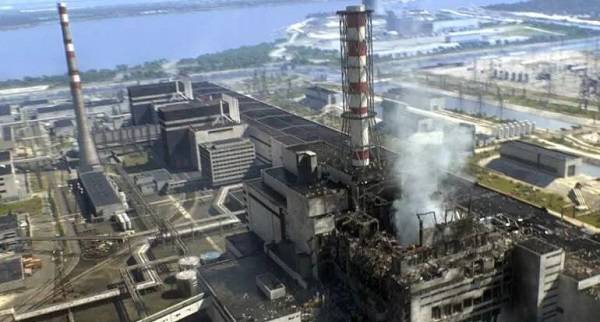
Known as the biggest nuclear disaster in world history, Chernobyl took place in the Soviet Union on April 26, 1986. The explosion was one of the biggest environmental disasters that human history has ever seen. The amount of radiation emitted to the environment after the Chernobyl disaster was equivalent to 50 times the impact of the atomic bomb that Japan dropped on Hiroshima in 1945. With the explosion, the radioactive material-laden clouds spread over a very wide area, exceeding the borders of the country. It even reached Turkey and caused many people to be affected in the Black Sea Region.
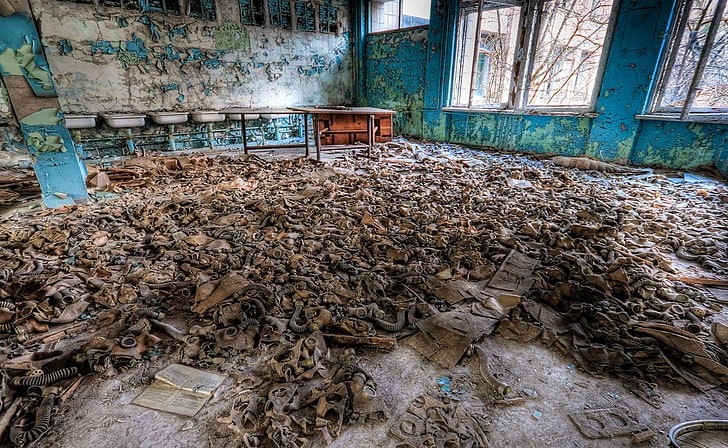
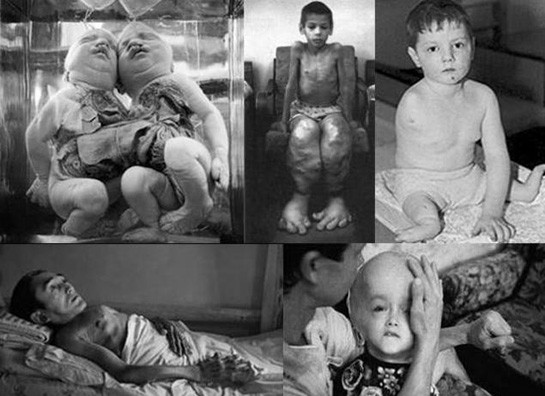
In the research conducted after the Chernobyl nuclear disaster, it was determined that approximately 200 thousand people died directly or indirectly. It has been revealed that hundreds of thousands of children were born with disabilities due to the harmful gas emitted into the environment after the disaster. Cancer cases and diseases have increased significantly. Although many years have passed since the nuclear disaster, its effect still continues. It is thought to continue for generations. The city of Pripyat, where the nuclear power plant is located and evacuated, has turned into a ghost city.
According to the data announced by the World Health Organization, approximately 600 thousand people living in the 30-kilometer region where the disaster took place were exposed to high radiation. Radiation reaching other countries is estimated to affect more than 8 million people. In an area of 155 thousand kilometers around the power plant, agriculture could not be done for 30 years. The total cost of the disaster is estimated at $235 billion. It is planned to eliminate the power plant by 2065.
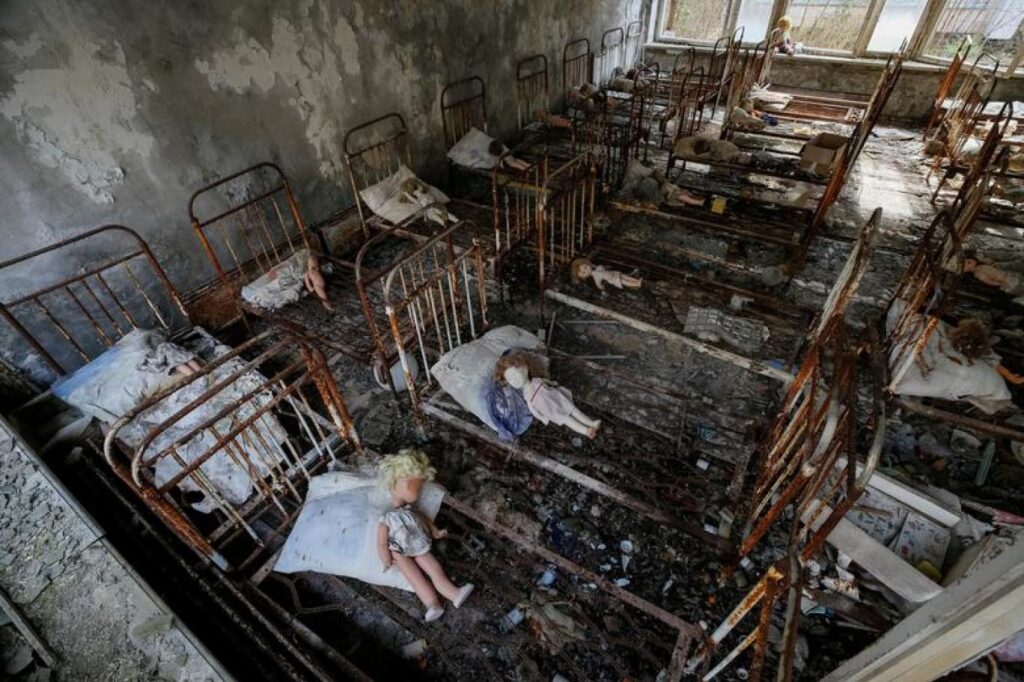
How Did the Chernobyl Nuclear Power Plant Explode?
The Chernobyl nuclear power plant is located 130 kilometers from the Ukrainian city of Kyiv. On the day of the explosion, an experiment was wanted to be done in the 4th unit of Chernobyl. Experiment; It was designed to determine how long the turbines will power the main pumps if the main power supply is lost. The experiment has been done before and it has been determined that the power in the stands is decreasing very rapidly. In the experiment to be done, a new voltage regulator test would be carried out.
During the experiment, as a result of the excessive increase in pressure, the roof, which was about 2 tons, blew up and a radioactive substance of 8 tons was mixed into the atmosphere. The fuel gradually damaged the channels, resulting in excessive steam production and a steam explosion. At the same time, a second explosion occurred, causing the hot graphite to disperse into the environment.
During the explosion, 2 workers lost their lives, and the graphite and fuel particles that spread to the environment caused serious fires. Thousands of tons of chemicals were thrown on the core with a helicopter in order to prevent the release of reactive particles that spread to the environment for about 10 days. While trying to extinguish the fire, a large amount of radioactive release into the air continued.
The accident was recorded as the nuclear accident where the release of radioactive material occurred the most. Most substances released into the environment were collected, but light substances were transported to very large countries with the help of the wind. Six of the firefighters who responded to the fire, 28 people in total, lost their lives in a short time. 200 thousand people who participated in the cleaning works of the area were also exposed to this radioactive substance. After the incident, the region was quarantined and entry and exit were prohibited after that date.