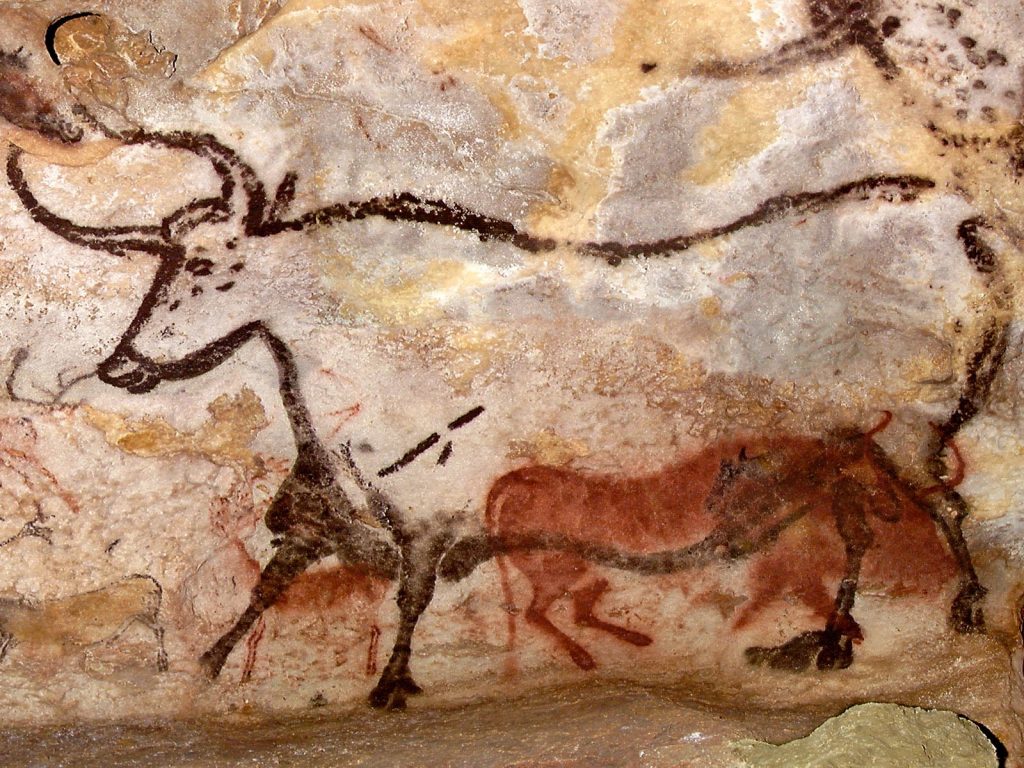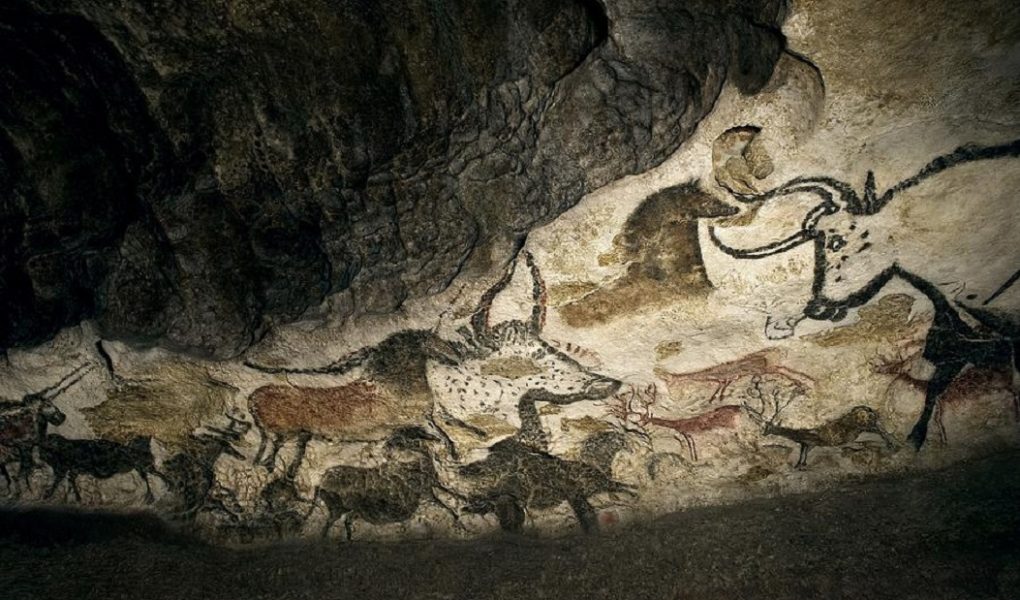
Lascaux; Fransa’nın güneybatısındaki Dordogne eyaletindeki Montignac köyü yakınlarında bulunan bir mağara kompleksidir. Mağaranın iç duvarları ve tavanları 600’den fazla parietal duvar resmi ile dekore edilmiştir. Resimler, genellikle Üst Paleolitik’te yaşamış olan tipik yerel ve çağdaş faunaya aittir. Mağara resimlerinin birçok kuşaktan etkilendiği düşünülmektedir. Duvardaki resimler 17 bin yıl öncesine tarihleniyor. Lascaux Mağarası, 1979 yılında UNESCO tarafından Dünya Mirası Listesi’ne alınmıştır. Vezere Vadisi’ndeki tarihöncesi sit alanları ve süslü mağaralar, Dünya Mirası Alanı’nın bir parçası haline gelmiştir.
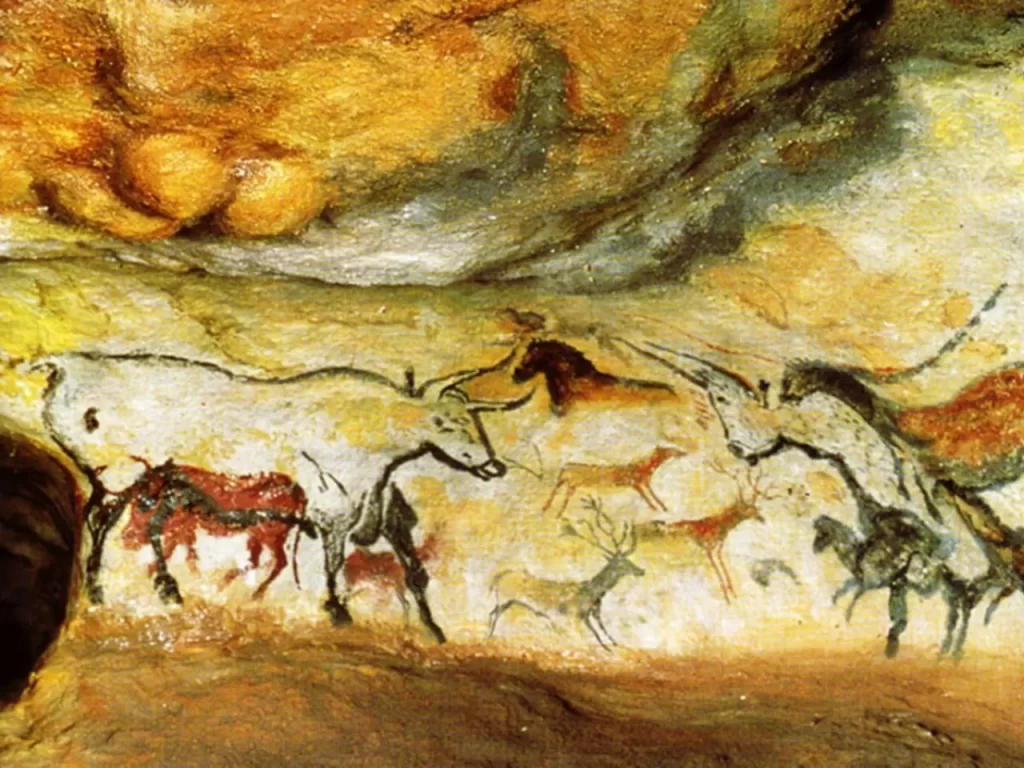
Discovered during the Second World War, the cave is considered one of the most important discoveries in world history. The parietal wall paintings inside the cave are unlike any other cave. Lascaux murals are considered one of the few caves in the world. There is a different theme and animal in each part of the approximately 250 meters long cave. The drawings on the cave walls were made with great skill. The movements, anatomy and postures of the animals are reflected in a very realistic way. In the drawings, the environment around the animals is also depicted in detail. For example, the vegetation and soil texture around a drawn bison are also revealed.

The style and techniques of the drawings reflect the artistic understanding of that period. Mostly colored oxides were used and paintings were made with the natural tones of these oxides. Drawings also have symbolic meanings. For example, horses are often depicted with hunting scenes, reflecting a cultural symbol associated with hunting. The drawings in the cave give important clues about the life styles of people at that time, hunting and gathering activities. In addition, the symbolic meanings of animals are also reflected in these drawings. The drawings on the walls of the cave are one of the most important works of art in human history and one of the rare examples that have survived to the present day.
Discovery and Closure of the Cave
On September 12, 1940, four children decide to explore the foxhole where their dog fell on Lascaux hill. After clearing the entrance, Marcel Ravidat descends and his friends follow him. They build a makeshift lamp to light their path and discover a greater than expected variety of animals. They first encounter the depictions on the walls in the Axial Gallery. They return the next day and explore the deeper parts of the cave, better prepared. The children are amazed to tell their teachers what they have found, and then the process of digging the cave begins.

The cave was opened to visitors in 1949 and attracted great attention. However, the carbon dioxide gas that the visitors inhaled caused an acidic effect when it met with the air, causing the paintings in the cave to deteriorate. For this reason, the cave has been closed to visitors and taken under protection. For conservation purposes, the cave is regularly checked and no deterioration has been noted so far. After the closure of the cave, an exact copy of the Lascaux Cave was started in 1970. The “Great Hall of the Bulls” and the “Painted Gallery” of the real cave have been copied exactly and opened to visitors. Visit Lascaux II, opened in 1983 and located just 200 meters from the main cave.
Characteristics of the Paintings Found in the Cave
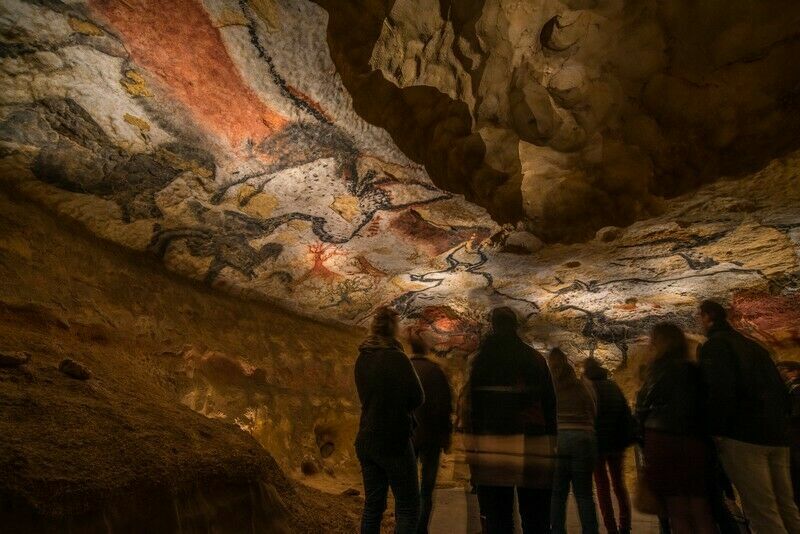
While the exact meaning of the images on Lascaux and other similar sites is still disputed, the generally accepted view is that the images carry ritualistic and even spiritual meanings. Based on the finds from the cave, it is known that the deeper parts of the cave were illuminated using animal fat. The artists most likely worked in smoky conditions, using minerals as pigments in their paintings.
Red, yellow and black colors are dominant and the red pigment is obtained from the mineral hematite, while the yellow and black pigments are obtained from coal or manganese oxides. Pigments were prepared by grinding, mixing or heating and then transferred to the cave walls. Painting techniques include drawing with fingers or charcoal, applying the pigment with brushes made of hair or moss, and blowing the pigment onto a stencil or directly onto the wall, for example, with a hollow bone.

The lack of specific manganese oxides in the area around the Lascaux cave, the sediment found in Lascaux is an important point here. The closest known source is in the center of the Pyrenees, about 250 kilometers away, and it may indicate a trade or supply route. At the time, it was not unusual for people to source their material a little further afield, but the distance here may indicate an extraordinary effort by Lascaux artists.

Lascaux’da resimlerin yanı sıra birçok alet bulundu. Bu aletler arasında birçok çakmaktaşı alet vardır ve bazıları özellikle duvar oymacılığı için kullanılmıştır. Kemik aletler de mevcuttur. Lascaux’da kullanılan pigmentler, büyük olasılıkla, pigmentleri suya karıştırmak için kullanıldıkları için pigmentlerin hemen yanına oyulmuş ren geyiği boynuzlarının izlerini içeriyordu. Bazıları delikli olan kabuklu deniz ürünleri, diğer kişisel süsleme kanıtlarıyla da uyumludur ve Üst Paleolitik dönemde Avrupa’da yaşayan insanlar tarafından kullanılmıştır.