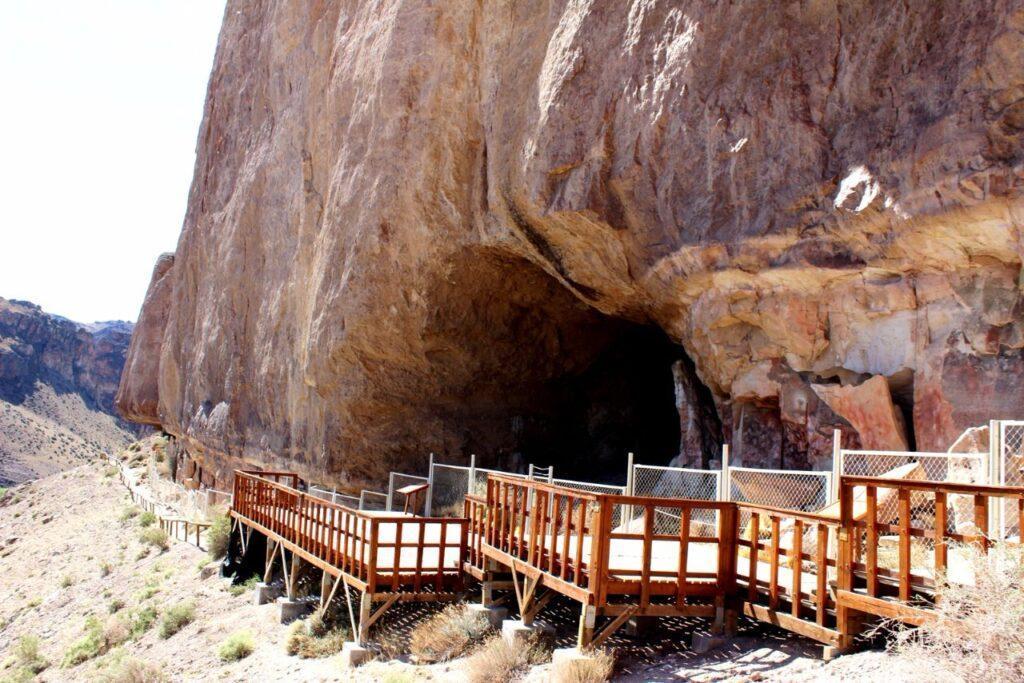
The Cave of Eller, whose original name was “Cueva de las Manos”; It is located in the province of Santa Cruz in southern Argentina. The cave is among the most interesting places in the world in terms of paleontology. In addition to many human hand paintings, there are also old rock paintings in the cave. The cave, which has a history of 13 thousand years, was added to the UNESCO World Heritage List in 1999.
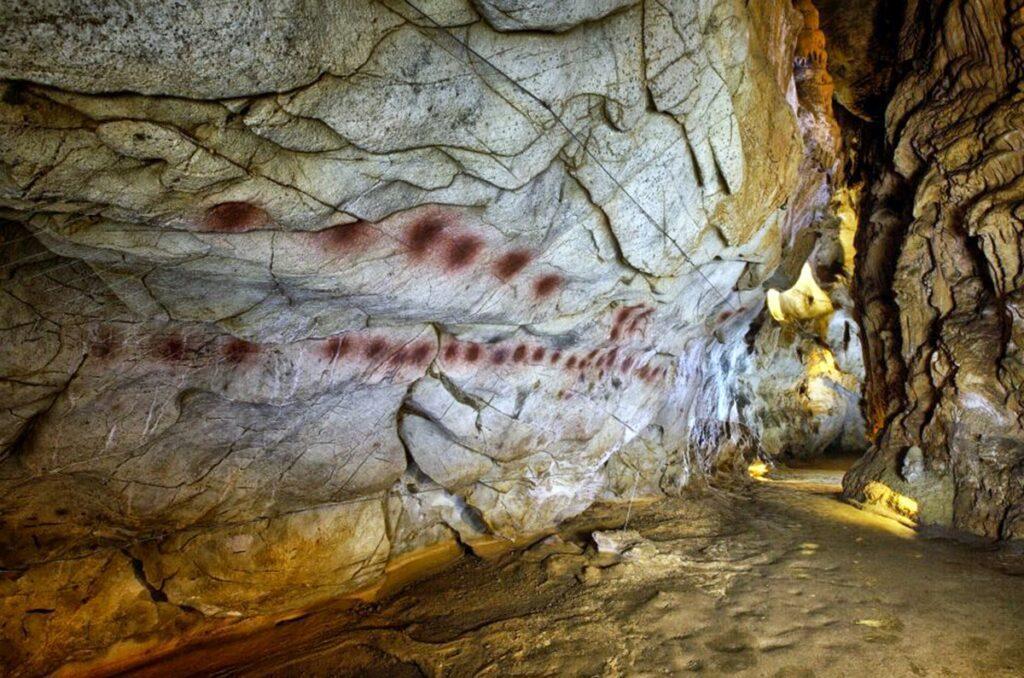
The unique drawings found in the cave were made with the help of dyes obtained from the plant. The cave, which sheds light on human history, was discovered in 1904 by Perito Francisco P. Moreno and his partner Clemente Onelli. The cave, which has been explored by scientists for more than 100 years, is thought to have been built between 11,000 BC and 7,000 BC.

Located in the upper part of the Pinturas River, the cave is approximately 88 meters above the ground. It has a very difficult entrance to the cave. A hearth used to make fire and cook meat and many animal bones were found inside. In the period when the cave was used, people had not settled down yet and had not acquired an agricultural culture. Therefore, they lived by constantly hunting. It is estimated that they cooked the meat of the animals they hunted.

The hands that gave the cave its name are among the most important drawings found in the cave. Carbon tests on hands have revealed that they are as old as 9300 years. The traces made were obtained using very different techniques. According to the studies on hand paintings, it is estimated that after placing their hand on the wall, they spray the paint inside the pipes they hold in their other hands by blowing their breath. It is not yet known what the hand drawings made in this way mean. Hand pictures usually belong to the left hand.

Scientists are of the opinion that the drawn hands were made during religious rituals or a ritual. Over time, the cave was accepted as a holy place and the most important religious ceremonies took place there. In addition to the numerous handprints found on the walls, there are also animal pictures in which hunting scenes are drawn. The drawings help to obtain information about how important hunting was at that time and about the period.

The cave, which is more than 160 kilometers in length, is part of the complex cave group. The cave, which has a special microclimate, is 15 meters deep. The special climate in it contributed to the preservation of the works of art in the cave. Since it coincided with a period when writing could not be invented, what was meant to be told could not be fully resolved.