Shamanism is an ancient belief system based on spirits and supernatural powers that aims to establish a bond between nature and humans. This belief, which originates from Central Asia, constitutes the most distinctive religious structure of Turkish society in the pre-Islamic period. In shamanism, great importance is given to nature, spirits and rituals; People have experienced the effects of this belief in every aspect of their lives.
With the Turks accepting Islam, many elements of this deep-rooted belief continued their existence in daily life by blending with new religious understandings. Today, many behaviors thought to belong to Islam actually ShamanismIt may be surprising to know that you inherited from. Here are interesting details about the origin of these traditions…

Protection from the Evil Eye and Evil Eye Beads
The evil eye belief, which is very common in Turkish culture, is based on the idea that some people’s looks emit bad energy and that this energy can have negative effects. Evil eye beads are used to prevent the evil eye; It is believed that this bead is given a meaning and prevents bad energy. However, this belief does not exist in Islam and even in some Arab societies, using evil eye beads is considered a sin. The origin of this ritual is based on Shamanist beliefs.
Pouring Water While Saying Goodbye to Passengers
Pouring water after a person who is on a journey expresses the wish, “Go like water, come like water.” However, the real origin of this behavior is based on Shamanism. Shamans would pour some of their precious drinks on the ground to offer them to the Gods. Later, this tradition evolved into the ritual of pouring water on the ground for the return of the soul of the deceased. It has changed over time and today it has taken the form of pouring water when sending off passengers.

Holding Your Head While Drinking Water
Holding the head while drinking water stems from the belief that water has a powerful spiritual energy in Shamanism. According to shamans, it was believed that the mind could be seduced while drinking water and therefore the head should be held. This tradition continues to be practiced by some people today.
The Meaning of Casting Lead
The custom of pouring lead is a Shamanic ritual performed to purify evil spirits and regain stolen luck. This ritual, called “spinning the kut” in shamanism, was performed to cleanse bad energies. Today, this tradition is still popular and is particularly associated with the belief in the evil eye.
Knock on wood
The habit of knocking on the wood when something undesirable is heard is one of the rituals of Shamanism to ward off evil spirits. Shamans believed that evil spirits lived in forests and wooded areas. It was believed that these spirits were thought to permeate the wood and could be driven away by hitting the wood.

The Mystery of the Number 40
In shamanistic beliefs, it was thought that 40 days were required for the soul to physically leave the body. For this reason, people gathered on the 40th day after a person’s death and various rituals were performed to put the soul to rest. The number 40 is also frequently encountered in Turkish epics. The tradition of “removing forty” after death or the custom of washing the newborn baby on the 40th day are the effects of this belief.
Dog Howling Is Considered Unlucky
Dog howling was considered a sign of death in Shamanist beliefs. It was believed that the life of the person who heard the dog’s howl was in danger. This belief is still kept alive among the public today, stating that dog howling brings bad luck.

Nail Cutting Taboo at Night
According to shamans, the human soul was found in bones and blood. For this reason, it was thought that nails cut at night could fall into the hands of malevolent beings and harm a person’s soul. This belief has been carried over to the present day as a superstitious belief.
Making a Wish by Tiing a Rag to a Tree
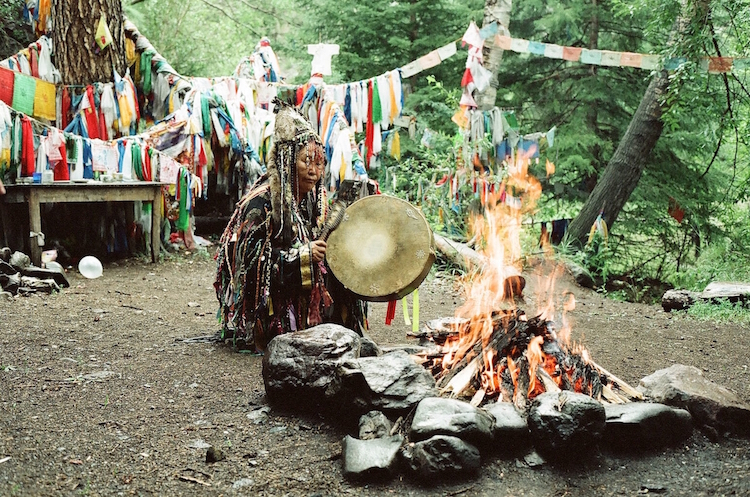
Making wishes is a practice originating from Shamanism. Shamanists saw trees as symbols of life and believed that they had a great impact on human life. Therefore, they would tie small pieces of cloth to certain trees in the hope that their wishes would come true.
This tradition was not completely abandoned after the Turks converted to Islam; It has survived to this day in the form of making wishes by tying rags to trees, rocks and shrines. It can still be witnessed that such rituals are performed in many regions.

Teaching Mevlit and the Effect of Shamanism
One of the oldest and most remarkable rituals in Turkish culture is that religious ceremonies have a musical structure. There is no tradition in Islamic faith and Arab culture to read the Quran with music. However, even after becoming Muslims, Turks carried the habit of using drums and instruments from the Shamanist period into religious ceremonies.
The tradition of “reading Mevlid” as we know it today was born from the melody of the poem “Mevlid-i Şerif”, written by Süleyman Çelebi in 1409-1410 and describing the love of Allah and the Prophet. This tradition is an extension of the rhythmic worship approach that the Turks brought from Shamanism.
Starting on the Right Foot
Putting the right foot forward when exiting the door has survived from Shamanist rituals to the present day. The left foot is believed to bring bad luck, and this habit is still common, especially in rural areas.

Not Stepping on the Threshold
Another important belief of Central Asian Turks is related to burying their dead at the entrance of their tents. This caused the threshold at the entrance of the tent to be perceived as a place where spiritual beings reside.
Additionally, some communities believed that the threshold was an area inhabited by evil spirits. For this reason, it was thought that stepping on the threshold would cause harm, and even pregnant women would lose their children if they made this mistake.
Today, remnants of this belief are still seen, especially in Central Anatolia. Warnings such as “your luck will be ruined” are given to people who sit on the doorstep or step on the threshold. Also, jumping over the threshold is one of the effects of this ancient belief.
Belief that God is Above
The expression “God is looking from above” comes from Shamanism’s belief in the Sky God. Opening your hands to the sky and looking up while praying is also a reflection of this belief. However, in Islam it is stated that Allah is everywhere.

Origin of Mediterranean and Black Sea Names
During the Shamanist period, Turks symbolized directions with certain colors. According to this belief, the North was identified with the color ‘black’ and the West was identified with the color ‘white’. As a reflection of this understanding, the sea in the north was called “Black Sea” and the sea in the west was called “Mediterranean”.
As an interesting information, the name “Aegean” for the sea located between Greece and Anatolia began to be used in modern times. Even Ataturk’s famous “Armies, your first target is the Mediterranean!” The Mediterranean mentioned in the quote is the region we know today as the Aegean Sea.
Tombstone and Tomb Culture
It is a pre-Islamic tradition to erect stones on graves, decorate them as works of art and turn them into magnificent structures. According to Islamic belief, the best thing to do is to ensure that the body mixes with nature quickly. However, the ancient beliefs of the Turks emphasized the importance of graves.
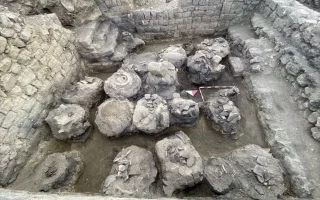
During the Shamanist period, the graves of people considered sacred were treated with special respect, and their spirits were even begged for help. Large tomb structures called “kurgan” among Central Asian Turks were built especially for high-ranking people. With the transition to Islam, this tradition turned into a shrine culture. The care shown to graves and visiting tombs today is a continuation of a behavior originating from Shamanism.

The Origin of Being Afraid to Say Your Name
In ancient Turks, it was thought that mentioning the names of feared beings meant calling them. Therefore, the names of such beings were mentioned with indirect expressions or symbolic terms. For example, instead of “börü” meaning wolf, a more harmless name such as “apple worm” was used.
Traces of this belief can still be found today. Concepts such as Satan, death or demons are avoided from being mentioned directly and are expressed with indirect expressions such as “three letters”. This attitude continues when talking about undesirable people; Statements such as “Don’t mention that unlucky person’s name” are an example of this.
Other Traditions Remaining from Shamanism in Daily Life
Ribbon Tying: Customs such as tying red ribbons to new brides or cutting ribbons at the opening of an auspicious event carry the symbolism of Shamanist ceremonies.
Whistling at Night: The belief that whistling attracts evil spirits and demons dates back to Shamanism.
Not Passing Under Stairs: This behavior, which is believed to bring bad luck, is based on the idea of protection from evil spirits.
Read Sugar or Rice: Giving students food with recited food to wish them success is a continuation of old talismanic rituals.
Henna Burning: Henna has a protective and sacred meaning in Shamanist rituals. It continues to be used today at weddings and special occasions.
Many of these traditions continue to take part in our lives, even if we are not aware of them. These behaviors, which are thought to belong to Islam, are actually a part of the thousands of years old belief heritage of the Turks.
To join our WhatsApp group CLICK!
on topic “Religions Believed by Turks Throughout History” For the article named CLICK!